


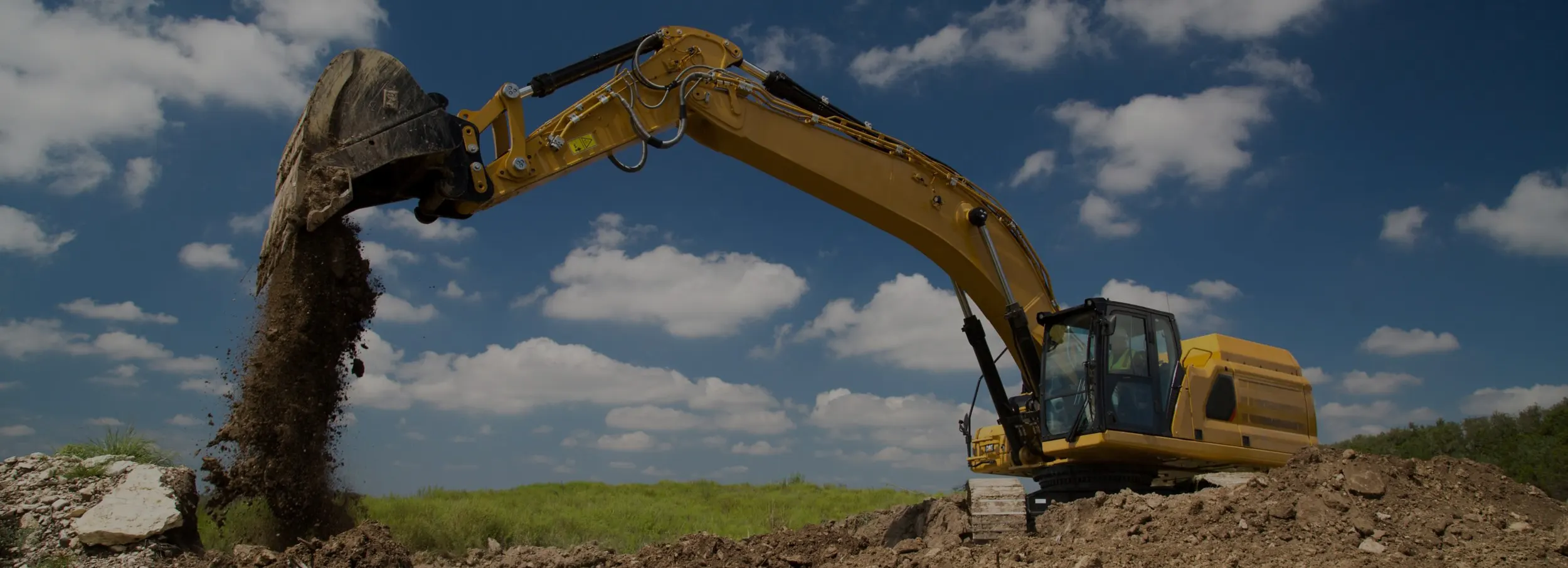
How to Replace a Slewing Bearing on a Large Excavator: A Practical Field Guide

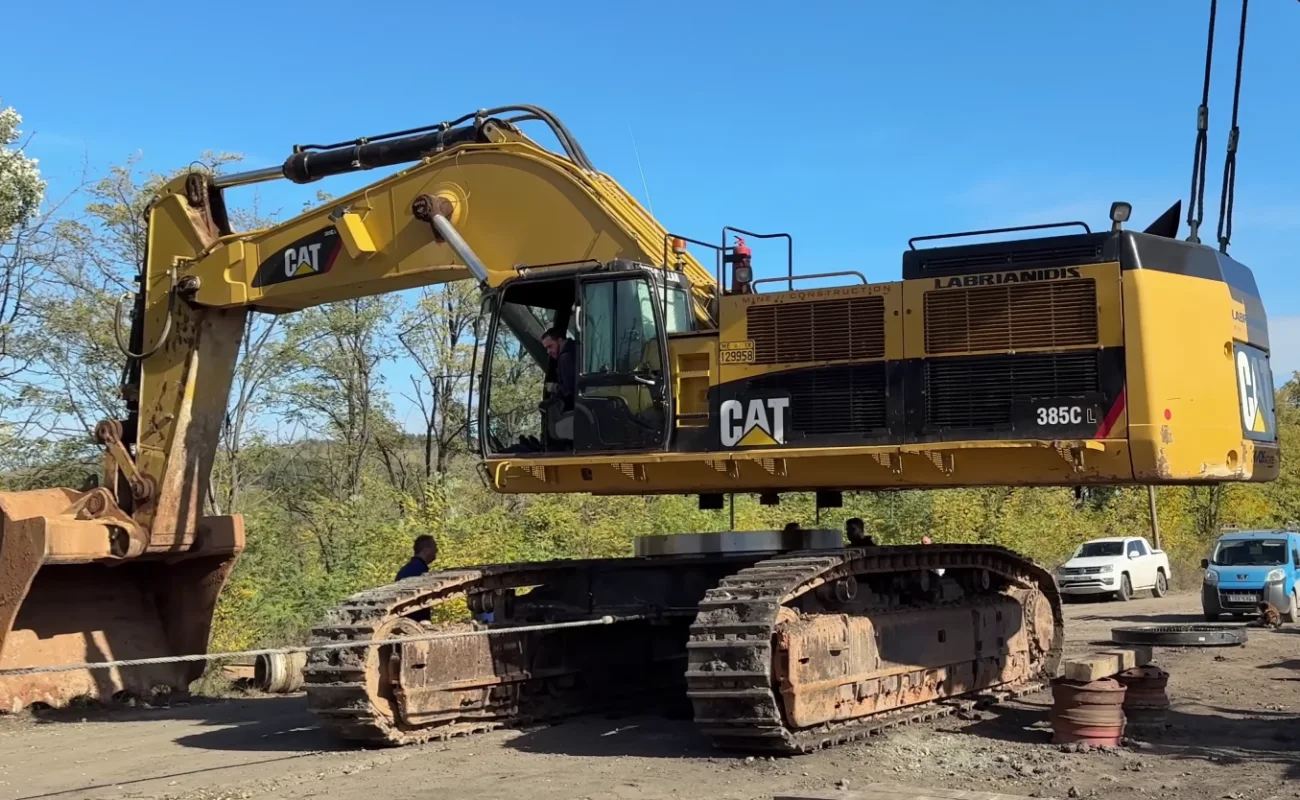
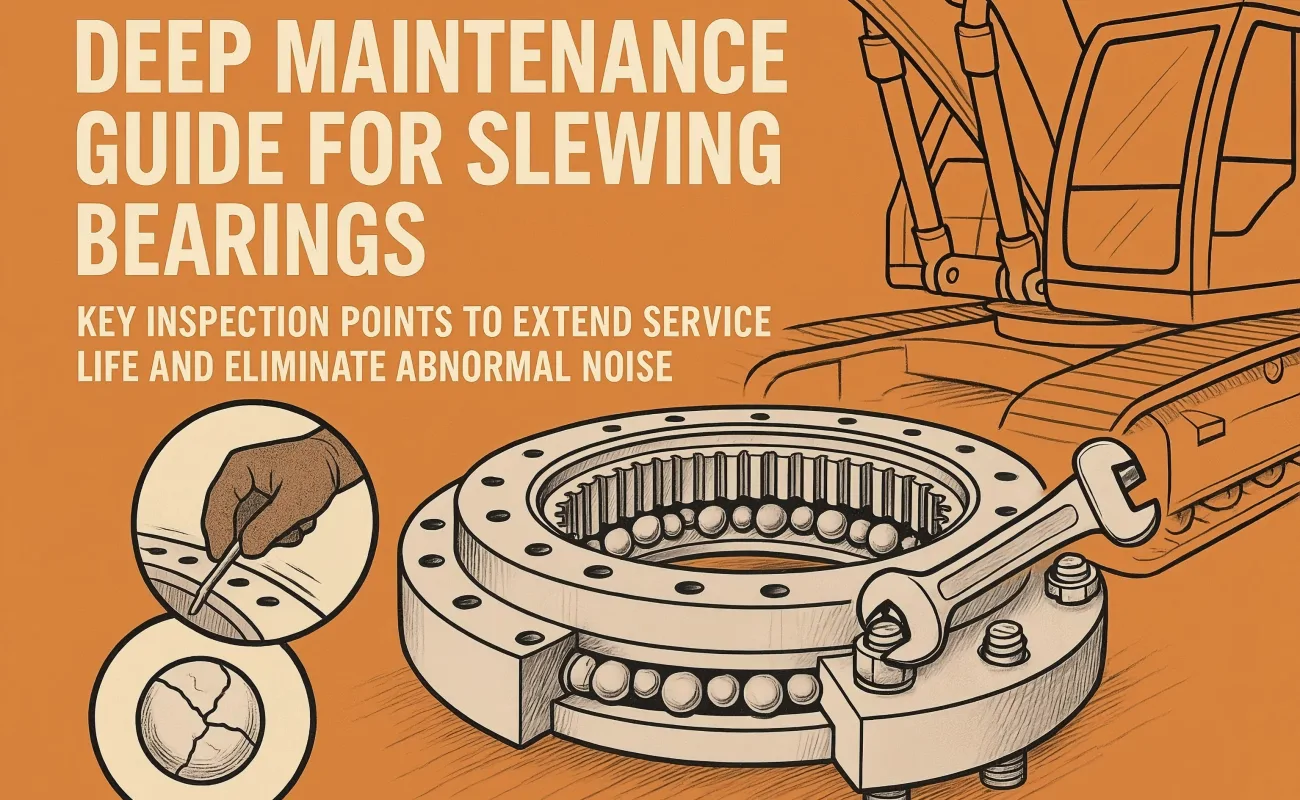
The slewing bearing (also called a swing bearing or slew ring) is one of the most critical structural components on a large excavator. It supports the entire upper structure, transfers digging loads to the undercarriage, and allows smooth 360° rotation.
After thousands of operating hours, especially in mining, quarry, or heavy construction environments, wear in the raceway or gear teeth can lead to excessive play, abnormal noise, vibration, or poor swing accuracy. At this stage, replacement becomes necessary to restore machine performance and prevent further damage to the swing motor or main frame.
Below is a practical overview of the replacement process commonly followed by professional service teams.
When Should a Slewing Bearing Be Replaced?
Before scheduling replacement, technicians usually observe several warning signs:
- Excessive vertical or horizontal play during swing operation
- Abnormal knocking or grinding sounds while rotating
- Uneven swing movement or positioning inaccuracies
- Visible gear tooth wear or grease leakage contaminated with metal particles
Machines operating beyond 8,000–12,000 hours in heavy-duty conditions often require inspection or replacement, depending on maintenance history.
Preparation Before Replacement
Replacing a slewing bearing on a large excavator is a heavy operation that requires proper preparation and safety planning.
Typical preparations include:
- Securing a suitable lifting crane or gantry system
- Preparing lifting fixtures for the upper structure
- Cleaning the working area to avoid contamination
- Labeling and disconnecting hydraulic and electrical connections
- Draining or securing swing motor and hydraulic lines
- Preparing new mounting bolts and lubrication grease
Because the upper structure must be separated from the undercarriage, proper lifting balance and safety precautions are essential.
Main Replacement Procedure Overview
1. Separate Upper Structure and Undercarriage
After removing attachments and securing hydraulic lines, the upper structure is lifted using cranes while technicians remove slewing bearing mounting bolts. Once free, the upper frame is lifted clear of the undercarriage.
2. Remove the Old Slewing Bearing
The worn bearing is detached from both the carbody and upper frame. Technicians carefully inspect mounting surfaces for deformation, corrosion, or uneven wear.
Surface cleaning and flatness inspection are critical at this stage.
3. Install the New Slewing Bearing
The new bearing is positioned and aligned carefully. Proper orientation of grease holes and gear alignment with the swing motor pinion must be confirmed.
Mounting bolts are tightened gradually using a cross-pattern sequence and calibrated torque values to ensure uniform load distribution.
4. Reassemble and Adjust
After rejoining upper and lower structures:
- Swing motor gear backlash is checked
- Greasing is performed thoroughly
- Rotation smoothness is tested
- Bolt torque is rechecked after initial rotation cycles
Final inspections ensure correct alignment and stable operation.
Why Bearing Precision Matters
A high-quality slewing bearing is not only about fitting dimensions but also about performance under load. Key factors include:
- Raceway heat treatment hardness and depth
- Gear machining precision
- Load distribution uniformity
- Concentricity and flatness control
- Seal reliability against dust and water ingress
Poor-quality bearings may cause rapid wear, uneven rotation, or additional stress on swing motors and frames.
KINTON PARTS slewing bearings are manufactured with strict control over raceway hardening, gear accuracy, and structural strength, ensuring stable performance in heavy-duty operating conditions.
Final Advice for Fleet Owners and Contractors
Replacing a slewing bearing is a major maintenance task, but when done correctly, it significantly extends machine service life and restores operational precision.
Planning replacement before severe failure occurs helps avoid unexpected downtime and prevents secondary damage to expensive components.
If you are preparing for slewing bearing replacement or evaluating machine wear, feel free to share your excavator model or site conditions. Our team can help recommend suitable slewing bearing solutions for your application.