


Track Chain Wear: When Should You Replace It?

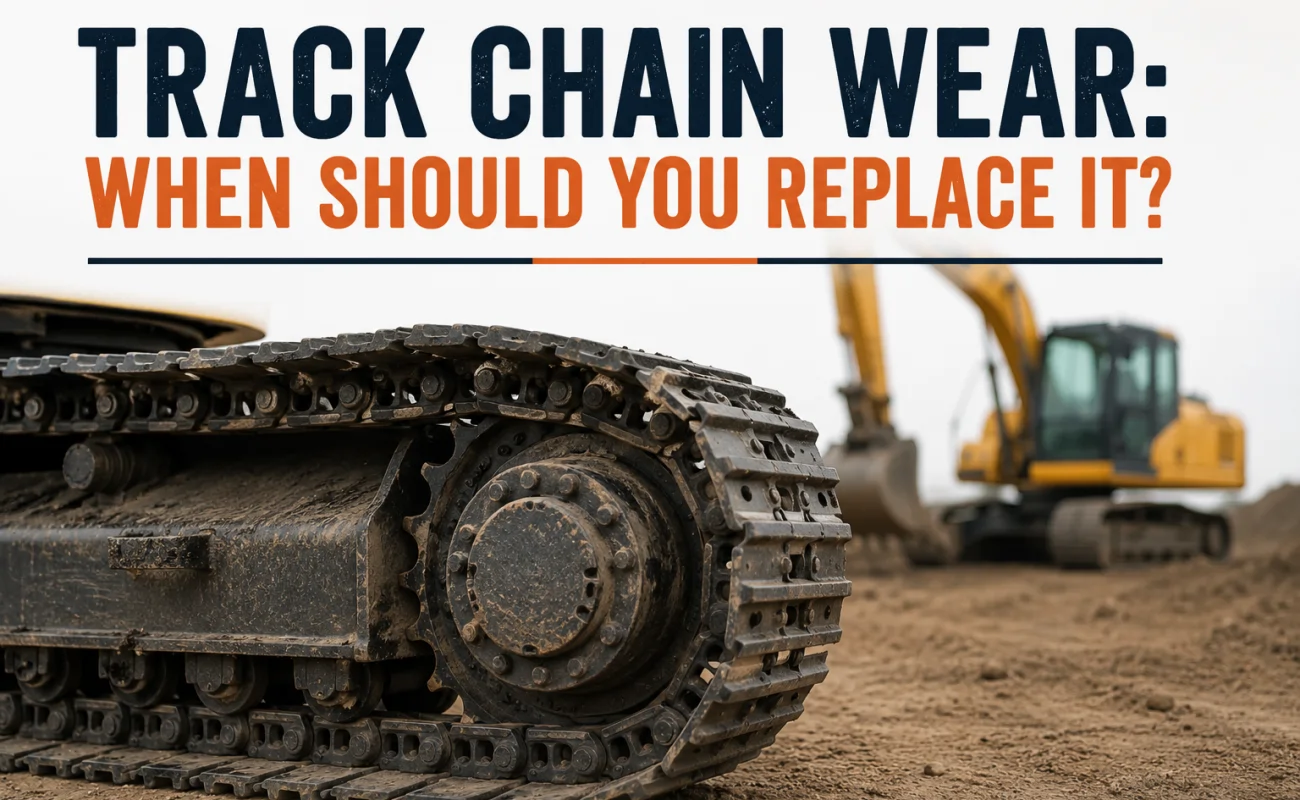
For tracked excavators and bulldozers, the undercarriage system typically accounts for a significant portion of the overall maintenance cost. Within the entire undercarriage system, the track chain is one of the core components that experiences the most noticeable wear. Many equipment managers encounter the following problem: the track link assembly appears usable, but the equipment's walking performance has already begun to decline; or the chain wear is quite noticeable, but it's uncertain whether it has reached the replacement standard.
In fact, premature replacement increases operating costs, while delayed replacement can lead to accelerated wear on other undercarriage components such as drive sprockets, idlers, and track rollers. Therefore, accurately determining when to replace the track chain is crucial for controlling equipment maintenance costs.
Continuous Wear of Track Chains
The track chain endures enormous loads and impacts every day. When the equipment moves, there is constant relative movement between the track links, track pins, and track bushings. Simultaneously, mud, gravel, and dust particles enter the contact area, accelerating wear on the metal surfaces.
As working hours increase, the chain pitch gradually lengthens, a phenomenon commonly known as "chain elongation."
In reality, the steel itself isn't actually stretched; rather, the increase in chain length is due to the cumulative wear between the track pins and bushings.
In mining, quarrying, and heavy-duty earthmoving operations, this wear rate is often significantly faster than in ordinary construction environments.
Signs of Track Chain Wear
Many tracked excavators and bulldozers exhibit a series of noticeable signs as their chains approach the end of their lifespan. The most common is that track tensioning becomes increasingly difficult. Even with frequent adjustments to the tensioner, the tracks are prone to loosening.
Simultaneously, issues such as track wear, unstable operation, or abnormal vibrations may occur during machine movement.
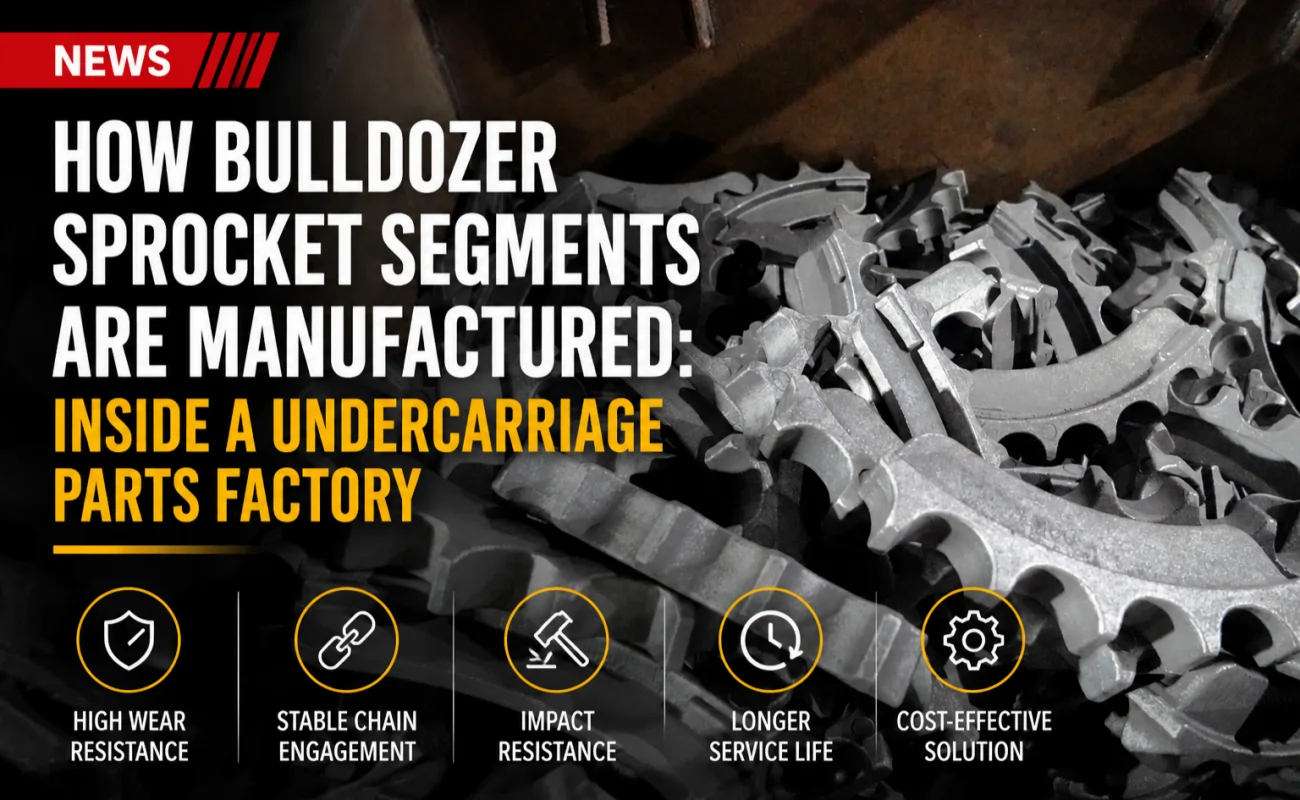
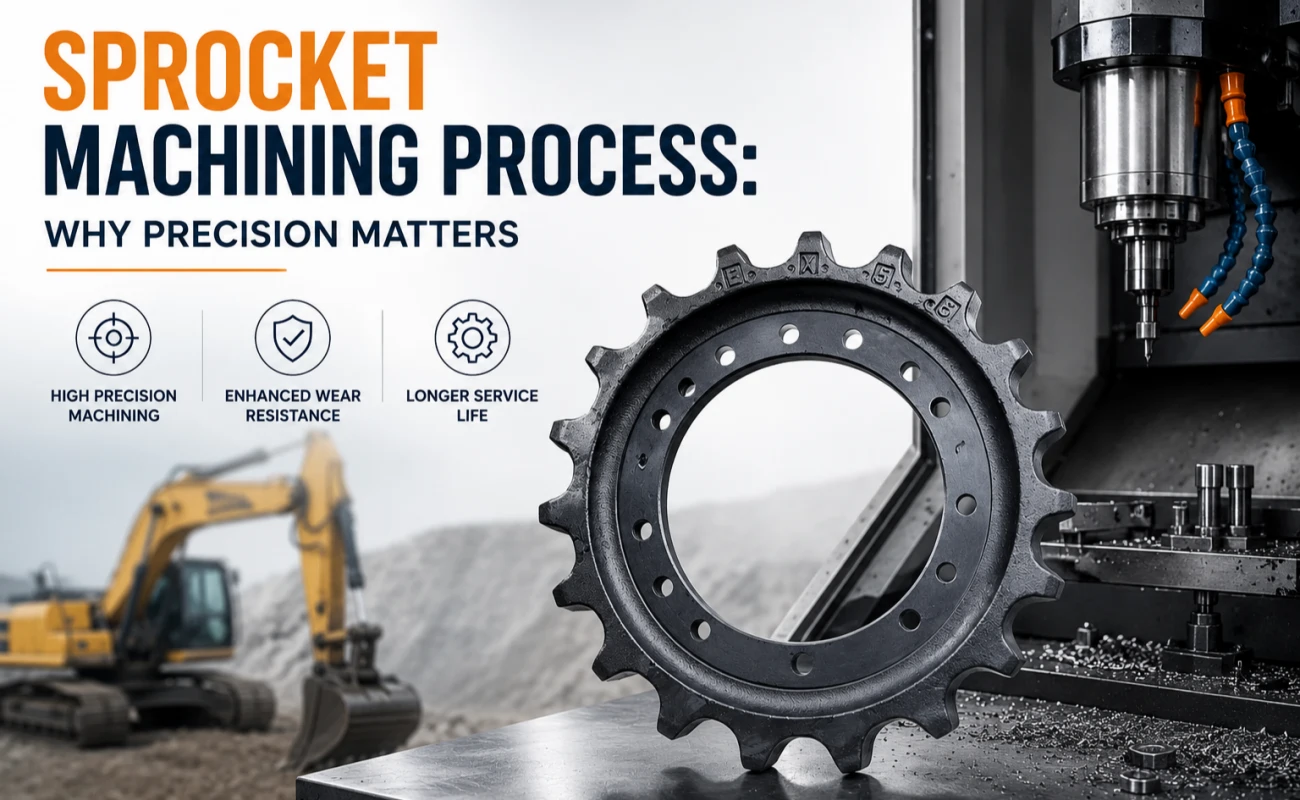
For some high-wear equipment, the drive wheel teeth may gradually become sharper, or even skip teeth. This is because the worn chain pitch can no longer maintain a proper match with the drive wheel tooth profile. Many users believe the problem lies with the drive sprocket itself, but in reality, excessive chain wear is often the root cause.
Track Pitch Elongation is Crucial Indicator
In professional chassis inspections, chain pitch measurement is typically a key method for assessing wear. As track pins and bushings wear, the overall chain length gradually increases. When the pitch exceeds the manufacturer's recommended range, the meshing relationship between the chain and the drive sprocket is affected.
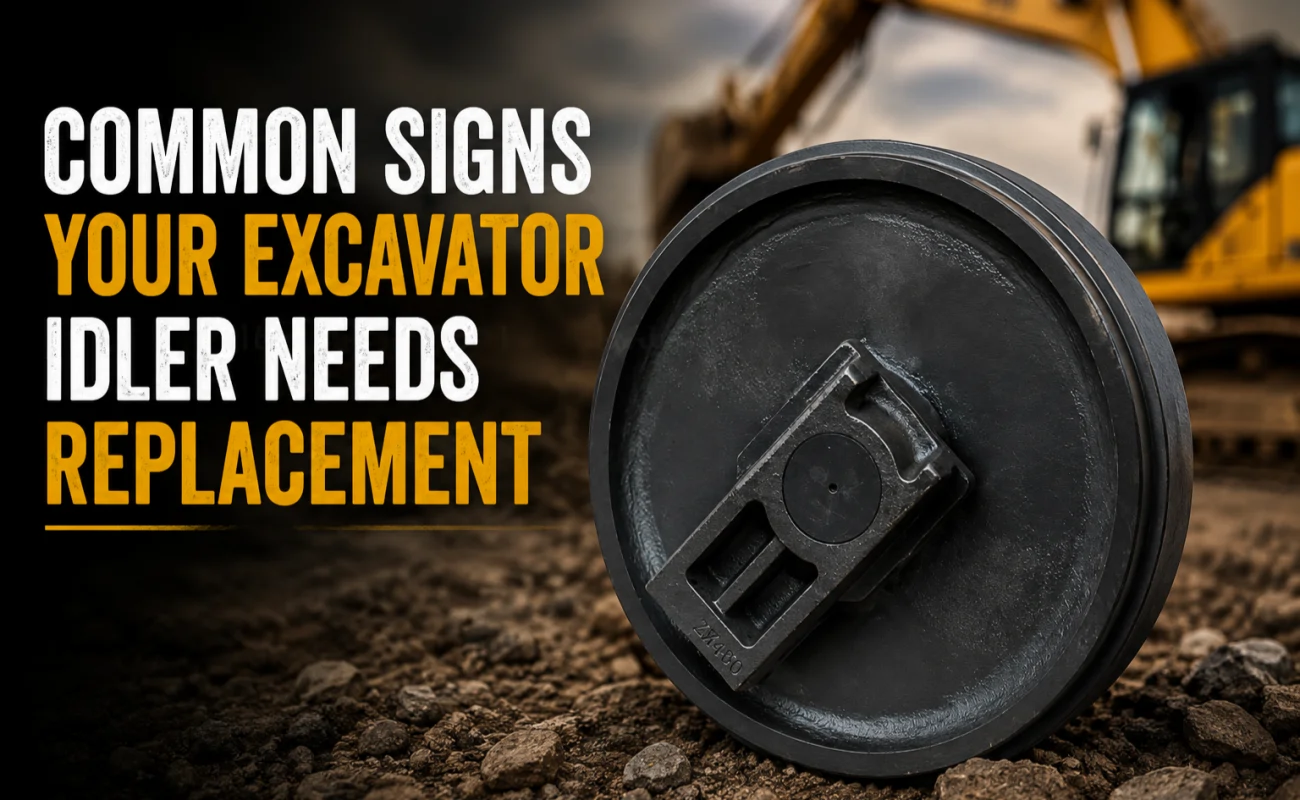
Even if the equipment can still move normally at this point, it will accelerate the wear of the drive sprocket, idler sprocket, and track rollers on the track undercarriage. Therefore, many large equipment management teams conduct regular chassis measurements rather than simply relying on visual inspection of the chain. For high-value mining equipment, this preventative inspection effectively reduces overall chassis maintenance costs.
Below is an example image of measuring track chain pitch.


Why Avoid Total Chain Failure?
Some users want to extend the chain's lifespan as much as possible, so they continue using severely worn chains.
However, from a chassis maintenance perspective, this is often uneconomical because the chassis system is a linkage wear structure. When a track chain wears beyond its limit, other components are forced to bear abnormal loads.
For example:
- Accelerated wear on the drive sprocket teeth
- Uneven wear on the idler wheel rim
- Increased wear on the track rollers
- Increased risk of track derailment
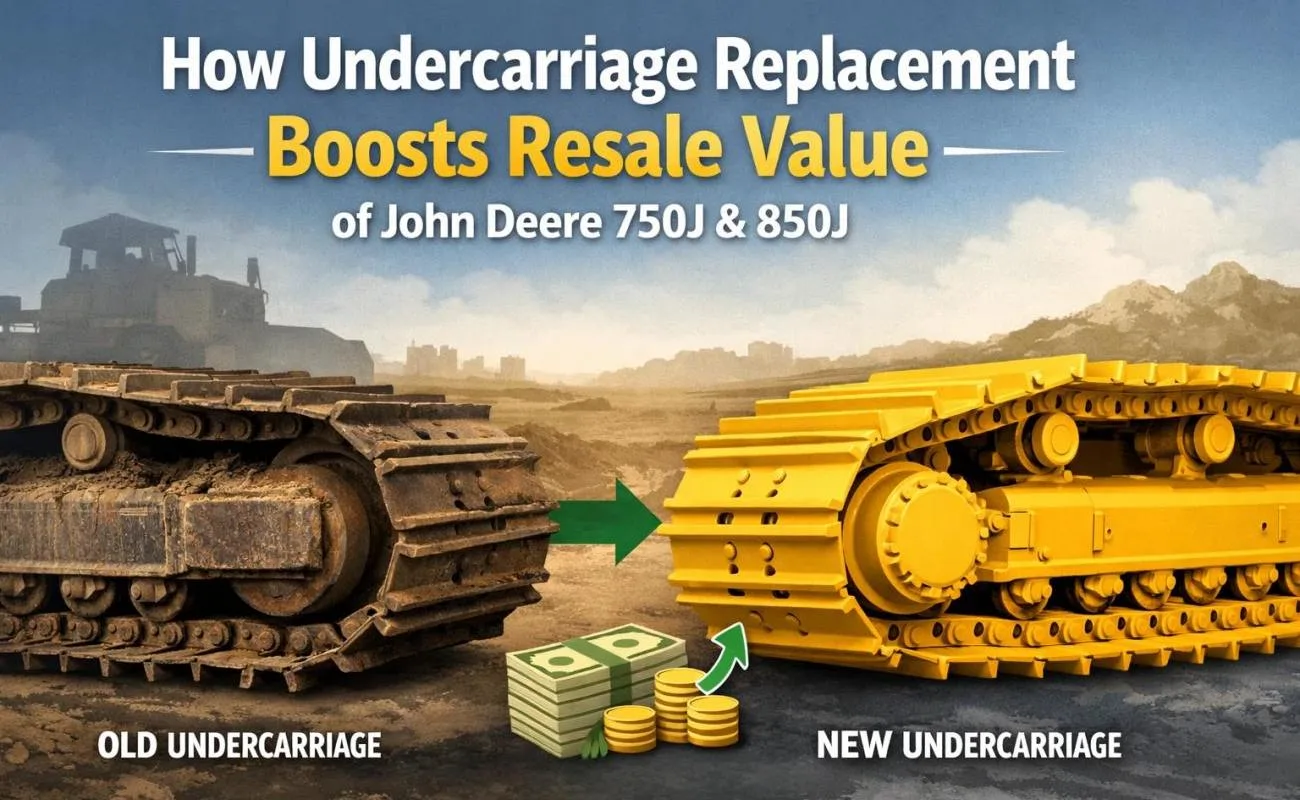
What initially seemed like a simple chain replacement issue can escalate into a major overhaul of the entire chassis system. Therefore, for most equipment, replacing the chain before it reaches its wear limit is usually a more sensible choice.
Chain and Sprocket Compatibility
This is a frequently asked question by users during maintenance. Theoretically, if the drive sprocket wear is minor, a new chain can still be used. However, if the drive sprocket has significant tooth wear, the new chain may not achieve ideal meshing after installation. This will not only affect the smoothness of travel but may also shorten the lifespan of the new chain.
Therefore, when replacing track chains, it is recommended to simultaneously check the wear of the drive sprocket, idler wheel, and track rollers, and develop a maintenance plan based on the actual condition.
For mining equipment and high-hour workday equipment, a comprehensive assessment is often more economical than replacing a single component.
Track Shoe Assemblies
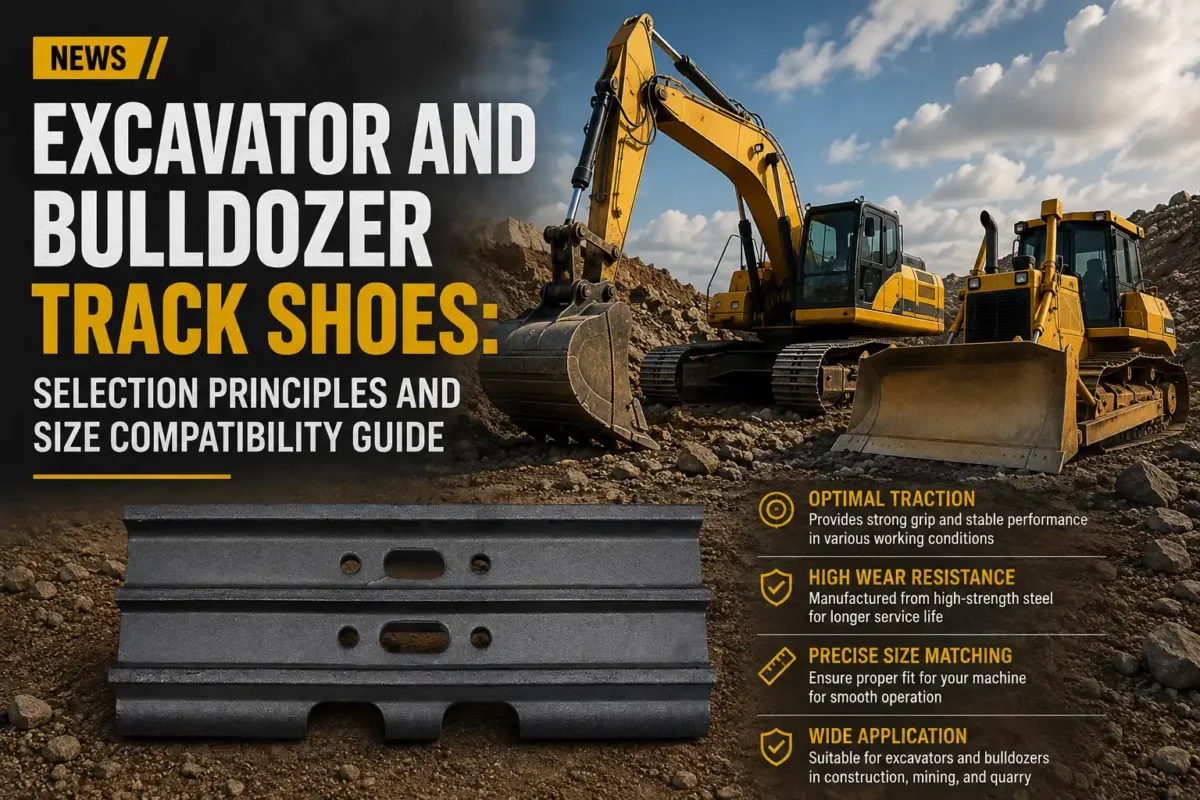
Previously, many users opted to replace the track pins or individual links for repairs. However, with rising labor and downtime costs, more and more customers are adopting complete track shoe assemblies.
Complete chain assemblies undergo factory pre-assembly and quality testing, ensuring precise matching between pins, bushings, and links. Furthermore, complete replacement shortens repair time and improves equipment recovery efficiency. For engineering contractors, mining companies, and equipment rental companies, minimizing downtime is often more important than simply saving on parts costs.


Conclusion
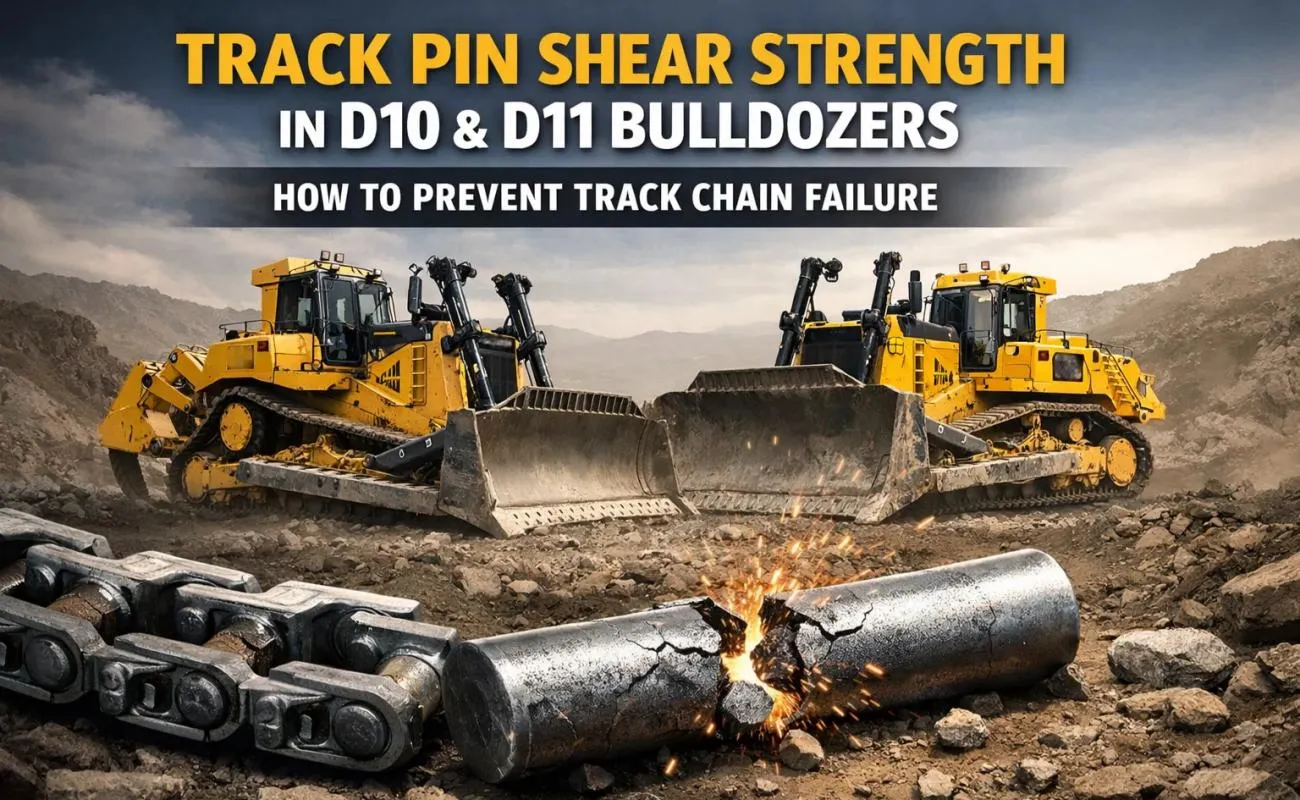
The track chain is one of the most critical wear components in an excavator undercarriage system. As track pins, bushings, and links wear down, the chain pitch gradually increases, further affecting the drive sprockets, idlers, and the overall undercarriage system's operation.
Regularly inspecting chain wear and replacing it at appropriate times not only improves equipment reliability but also effectively controls overall maintenance costs.
At KINTON PARTS, we provide a wide range of Track Link Assemblies, Track Rollers, Carrier Rollers, Idler Rollers, Drive Wheels, and other undercarriage system components to customers worldwide. With proven manufacturing processes, stringent heat treatment controls, and extensive export experience, we are committed to providing reliable undercarriage solutions for construction machinery customers, helping equipment maintain stable operation under harsh conditions.