Company News

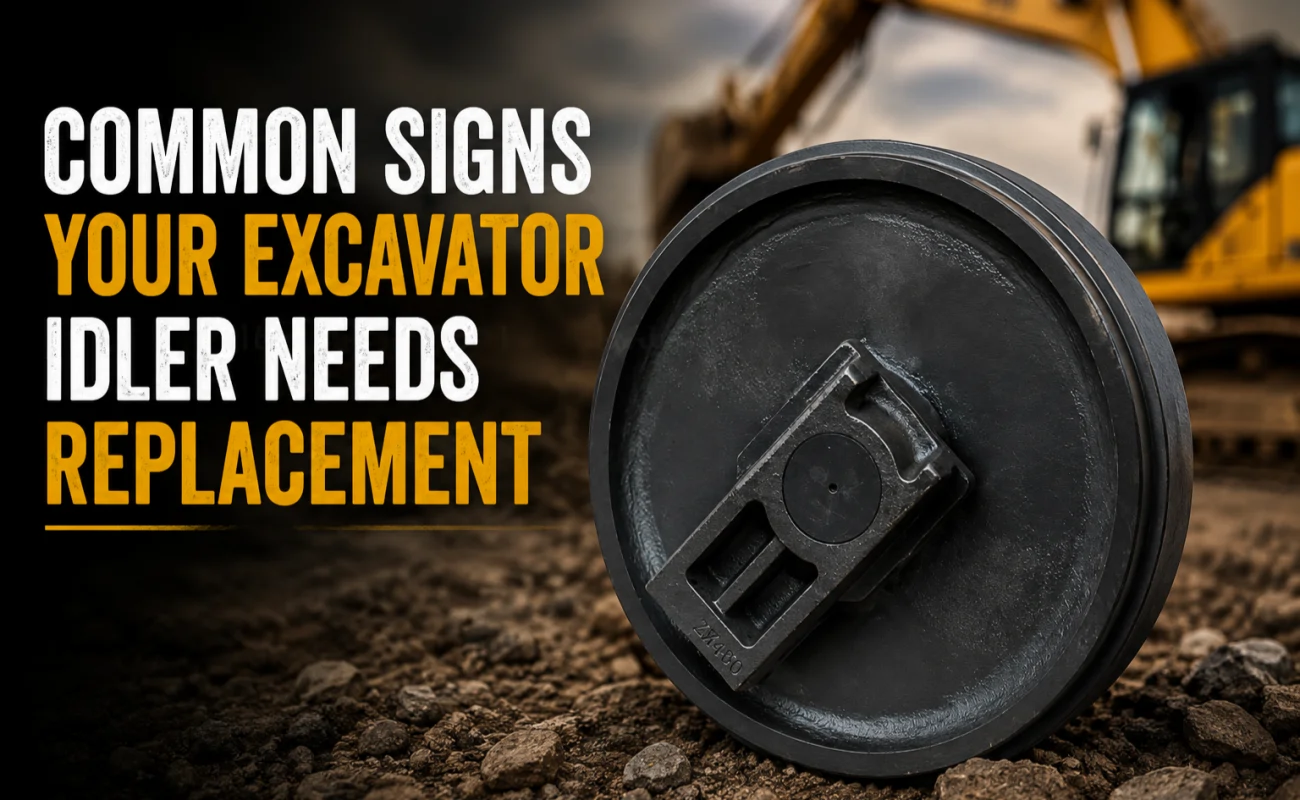
Common Signs Your Excavator Idler Needs Replacement

Excavator Idler Needs Replacement

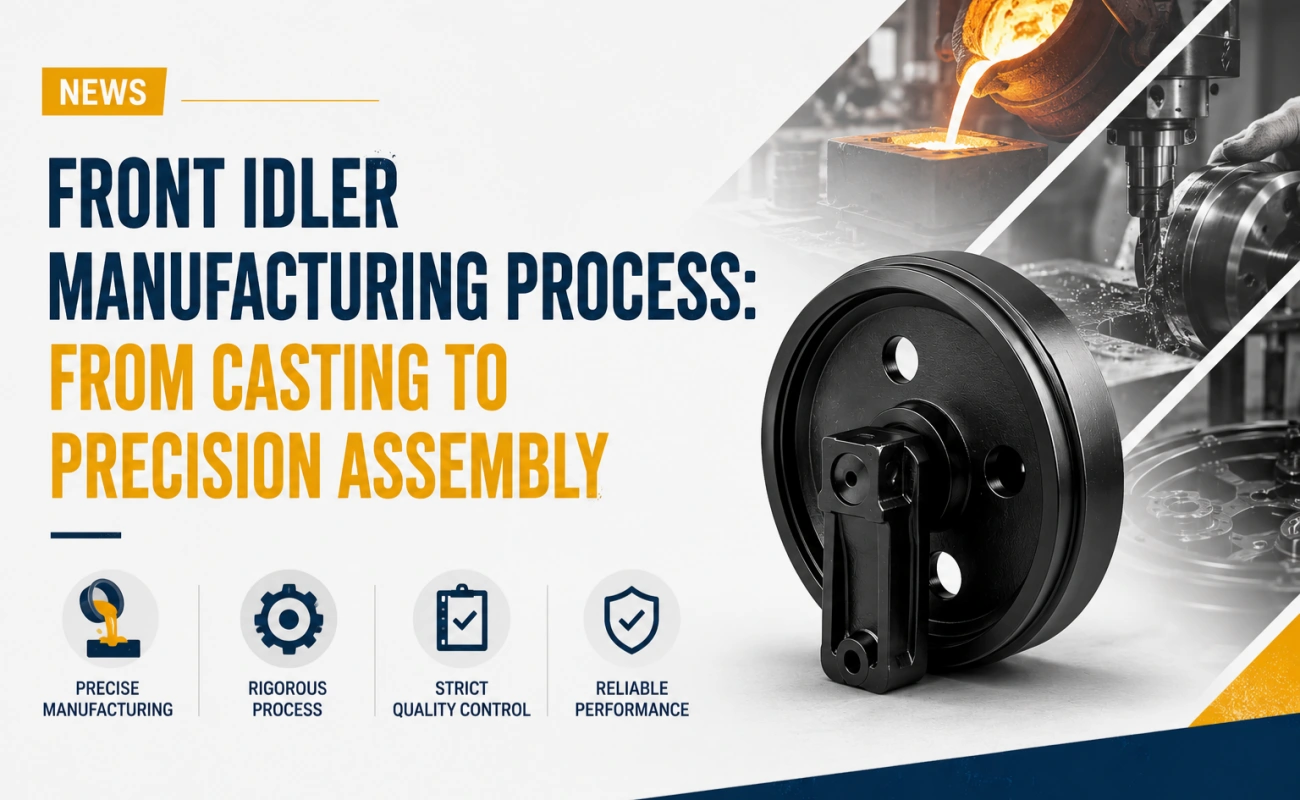
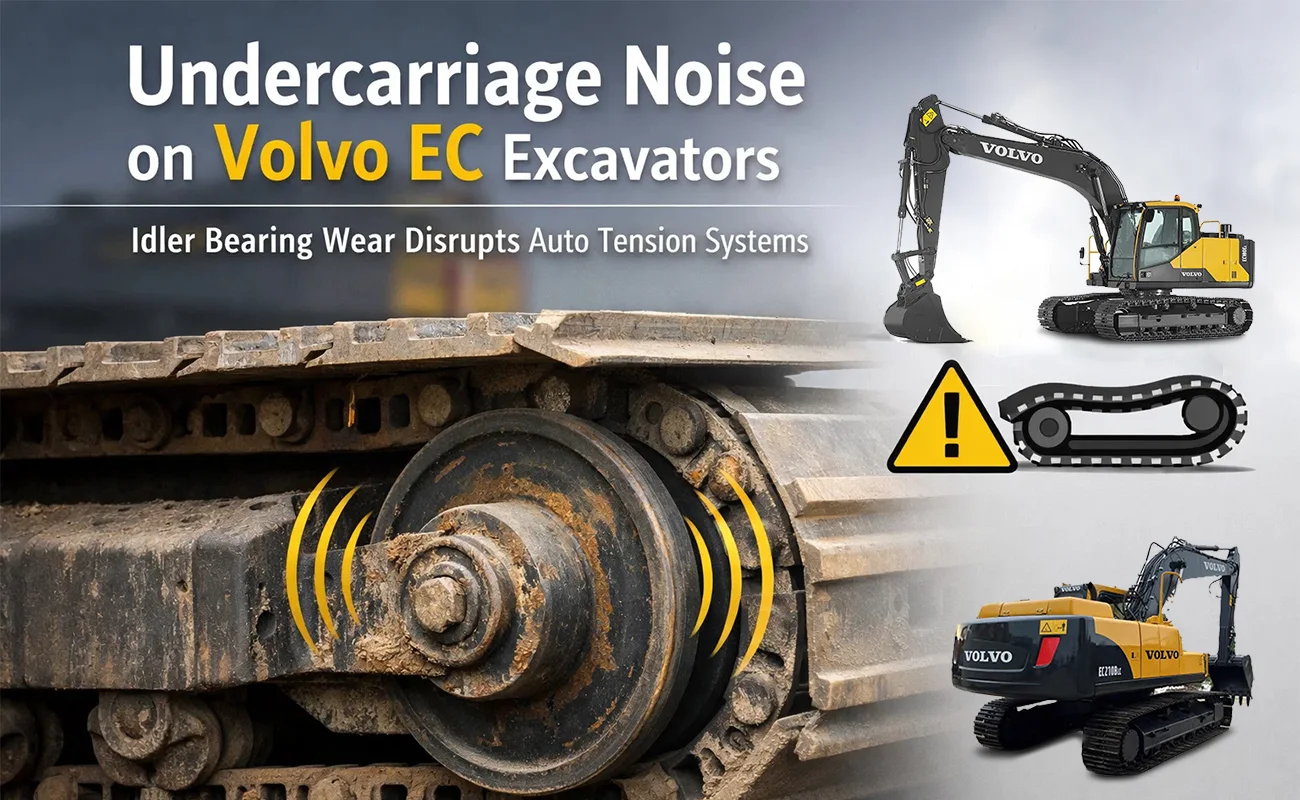
In excavator undercarriage systems, front idlers often receive less attention than chains, drive sprockets, or track rollers, yet they play a crucial role in maintaining proper track guidance and tension. For equipment operating in mines, quarries, and heavy-duty earthmoving environments, the condition of the idler wheels directly impacts the overall stability of the undercarriage system.

Many equipment managers, when inspecting undercarriage wear, prioritize track chains and drive sprockets, neglecting idler wear. However, in actual maintenance cases, many abnormal track wear, misalignment, and even chain derailment issues initially stem from deteriorated idler conditions. Therefore, timely detection of idler wear signals is vital for reducing maintenance costs and extending undercarriage life.

The Function of Front Idlers

Located at the front of the tracked undercarriage (the structure differs in some bulldozers: some bulldozers have front and rear idlers, with the front idler still at the front), the idler is primarily responsible for guiding the tracks along the correct trajectory and, in conjunction with the tensioner, maintaining appropriate track tension.

Although the idler wheel itself does not participate in power transmission, it must withstand the pressure, impact, and wear from the track chain under complex operating conditions over a long period. Especially in muddy, gravel pit, and mining environments, idler wheels are frequently subjected to sand and gravel erosion and continuous vibration, causing them to wear out faster than many users anticipate.

Signs of Idler Wheel Wear

Under normal circumstances, the idler wheel helps the track stay on the correct running track.

If the idler wheel flange shows significant wear, or if the wheel surface shows uneven wear, the track may gradually drift to one side during operation. Many operators find that the track tension appears normal, but the equipment still exhibits a slight deviation when moving.

This situation is often not just a chain problem, but may indicate that the idler wheel is no longer effectively guiding the track. As wear continues to increase, the risk of track derailment will significantly increase.

Significant Uneven Wear on the Idler Wheel Surface

For equipment used for a long time, wear on the idler wheel surface is normal.

However, if the wear is concentrated in a certain area, or if the wear on the left and right sides is significantly different, special attention is needed.

Uneven wear usually indicates that the contact between the idler wheel and the track chain is uneven. This not only accelerates the wear of the idler wheel itself but also further affects the wear of the chain, track rollers, and drive sprockets. In actual maintenance, if the idler wheel flange is found to be sharpened, its thickness significantly reduced, or irregularly worn, it usually means that its replacement cycle is nearing its end.

Idler Wheel Oil Leakage

Modern excavator idlers typically employ a sealed lubrication structure, storing lubricating oil internally to reduce wear. If oil stains or obvious oil leakage appear around the idler wheel, it usually indicates a problem with the internal sealing system.

Many users believe that as long as the idler wheel can still rotate, it can continue to be used. However, in reality, once the lubricating oil is lost, the wear rate of the internal bushings and bearings will increase rapidly. Over time, the idler wheel may develop abnormal clearance, noise, or even jamming.

Therefore, oil leakage is often not just a sealing problem but also an important signal of a reduced overall lifespan of the idler wheel.

Abnormal Noise Or Vibration During Equipment Movement

When the idler wheel is severely worn internally, abnormal metallic friction sounds or increased vibration may occur during equipment movement. This phenomenon is particularly noticeable during low-speed turns or when traversing uneven terrain.

Many operators initially suspect a chain or track roller malfunction, but in reality, worn bushings, lubrication failure, or wheel deformation within the idler can also cause similar problems.

If the abnormal noise persists, it is recommended to promptly check the internal condition of the idler, rather than simply adjusting the track tension.

Tracks Still Easily Loosen After Tensioning

Many users, upon discovering track looseness, will first adjust the track adjuster assembly.

However, if the track quickly loosens again after adjustment, further inspection is needed to check for leaks in the tensioning cylinder seals and fatigue failure of the tensioning springs.

Severely worn idlers can cause changes in the track's trajectory, thus affecting the overall tension. In this case, even repeated adjustments to the tensioning device will not truly solve the problem.

Therefore, when abnormal track tension recurs, the idler is often one of the key components to check.

Why Can't We Ignore Idle Wheel Wear?

Many users believe that as long as the idler wheel is still usable, its service life can be extended.

However, the idler wheel is a typical undercarriage linkage wear component. Once the idler wears beyond its limit, not only does its own lifespan end, but it can also accelerate the wear of the chain, drive sprockets, and track rollers.

For mining equipment, the maintenance cost of the entire undercarriage system is far higher than that of a single idler. Therefore, timely replacement of severely worn idler can often avoid greater later expenses. From a long-term operational perspective, a reasonable undercarriage maintenance strategy is not to wait until complete failure before replacement, but to perform preventative maintenance before critical parts reach their wear limits.

Conclusion

Although the idler is only one component of the excavator undercarriage system, it has a significant impact on track guidance, tension stability, and the overall lifespan of the undercarriage. Whether it's track misalignment, severe one-sided wear on the roller, excessive oil leakage from the roller, abnormal noises during travel, or abnormal vibrations of the vehicle body, these phenomena may all be signals that the idler roller needs replacement.

At KINTON PARTS, we continuously provide global customers with a wide range of excavator and bulldozer undercarriage part solutions, including idlers, track rollers, drive sprockets, chain assemblies, and track adjuster. Through consistent material control and rigorous manufacturing processes, we are committed to helping customers improve undercarriage system reliability and reduce long-term equipment operating costs.