Product Applications

Excavator Hydraulic Cylinder Requirements in Mining Applications

Excavator Hydraulic Cylinder Requirements in Mining Applications

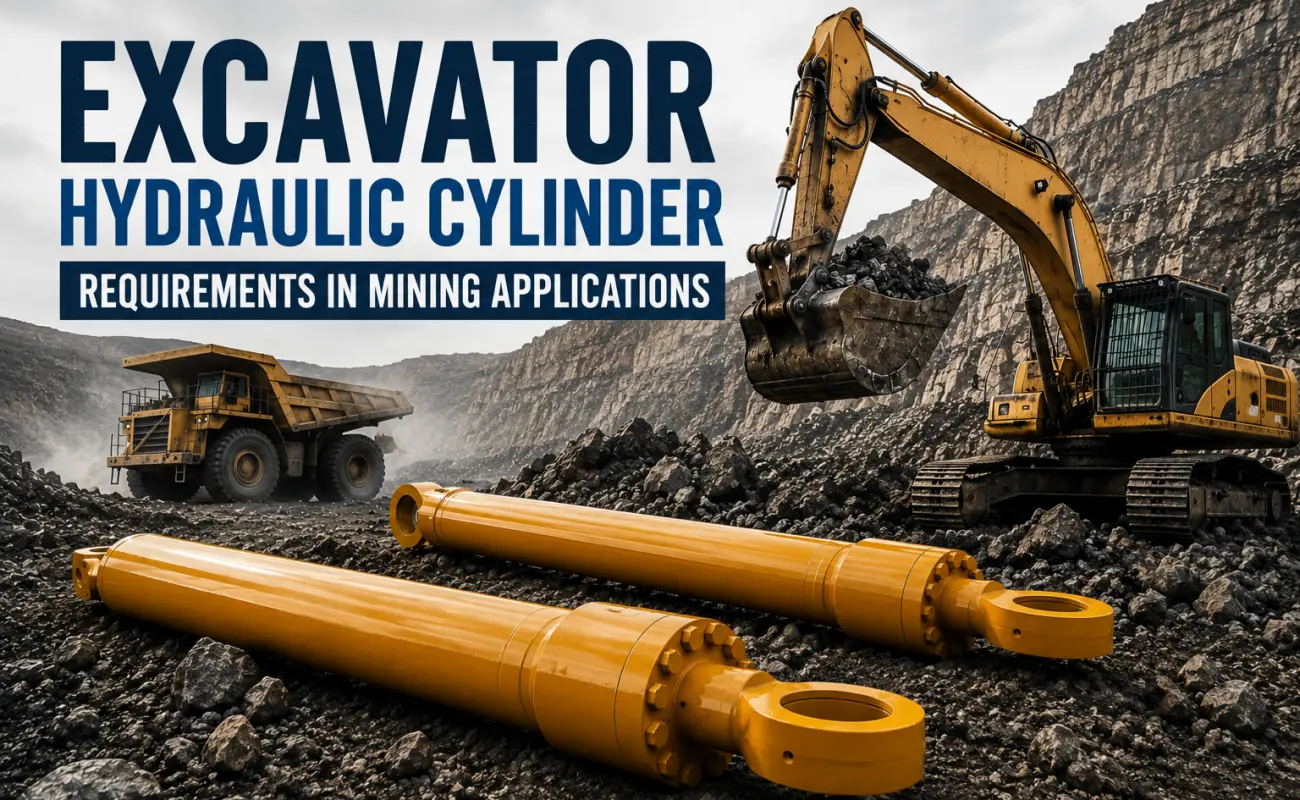
Among the many applications of construction machinery, mining is undoubtedly one of the most demanding conditions for excavators. Whether in open-pit coal mines, metal mines, or quarries, excavators endure long hours of high loads, high impacts, and harsh environments every day. For excavators, hydraulic cylinders are the core actuators that enable digging, lifting, and loading actions. The performance of the boom cylinder, arm cylinder, and bucket cylinder directly determines the excavator's working efficiency and operational stability.
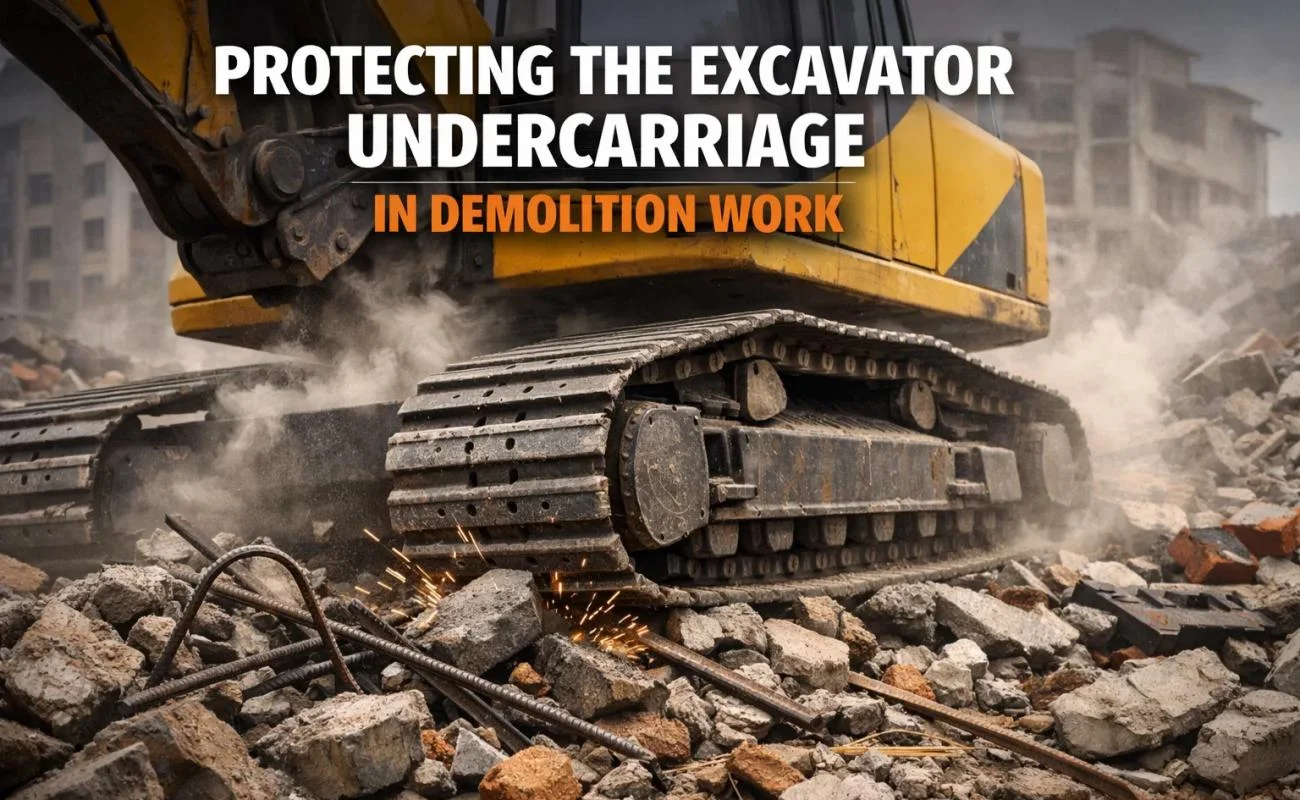
Compared to ordinary earthmoving construction, mining applications place higher demands on hydraulic cylinders. Many cylinders can operate stably for thousands of hours under normal conditions, but their wear rate and failure risk often increase significantly in the mining environment. Therefore, understanding the key requirements for hydraulic cylinders in mining conditions is crucial for equipment selection and subsequent maintenance.

Higher Structural Strength Requirements

Mining equipment often needs to handle high-density ores, hard rock formations, and extremely heavy materials. In actual excavator operation, hydraulic cylinders not only bear the normal operating load but also frequently withstand additional stresses from bucket impacts, rock reaction forces, and equipment vibrations.
Especially in large mining excavators, the boom and stick cylinders operate under high pressure for extended periods. If the cylinder barrel, piston rod, or lug structure lacks sufficient strength, deformation, cracking, or even breakage can easily occur.

Therefore, mining-specific hydraulic cylinders typically utilize high-strength steel and employ optimized structural design to enhance overall fatigue resistance.

Piston Rod Wear Resistance

In mining environments, dust and abrasive particles are virtually ubiquitous. During extension and retraction, the piston rod is constantly in contact with the external environment. If the surface hardness is insufficient or the plating quality is poor, scratches and wear are easily acquired.

Once the piston rod surface is damaged, it not only affects the sealing effect but also accelerates the aging of seals, ultimately leading to cylinder leakage.

Therefore, hydraulic cylinders used in mining equipment typically employ high-frequency quenching, induction heat treatment, and thick chrome plating processes to improve surface hardness and corrosion resistance.

For equipment operating for extended periods, the quality of the piston rod directly impacts the lifespan of the entire hydraulic cylinder.

Sealing System Withstand Harsh Environments

Dust concentrations in mining environments are far higher than in ordinary construction sites. Numerous fine particles adhere to the piston rod surface and continuously impact the sealing system with reciprocating motion. If protection is insufficient, contaminants can enter the cylinder, accelerating wear on seals and guide components.

Therefore, mining hydraulic cylinders typically employ multi-layered sealing structures, including dust rings, rod seals, buffer seals, and guide systems.

Simultaneously, the sealing materials must possess wear resistance, high-temperature resistance, and extrusion resistance to withstand long-term high-pressure operating environments. Many mining equipment cylinder failures are not due to structural damage but rather premature sealing system failure.

Long-Term Continuous Operation

Unlike ordinary engineering projects, mining equipment often requires operation for more than ten hours a day, or even 24/7. Prolonged continuous operation causes the hydraulic oil temperature to rise continuously, increasing the fatigue load on the internal components of the cylinder.

In this situation, the cylinder must not only ensure sufficient strength but also possess good thermal stability. Insufficient material quality or inadequate machining precision can easily lead to seal hardening, guide ring wear, and internal leakage during prolonged high-temperature operation.

Therefore, mining equipment users typically prioritize long-term reliability over initial purchase cost when selecting hydraulic cylinders.

Welding and machining quality are equally crucial.

Many hydraulic cylinder failures are not caused by the materials themselves, but by manufacturing processes. Mining conditions place higher demands on welding quality. Critical components such as lugs, flanges, and mounting seats bear cyclic loads for extended periods; unstable welding quality can easily lead to fatigue cracks.

Furthermore, the machining precision of the cylinder bore, the coaxiality of the piston rod, and the control of the seal groove dimensions directly affect the cylinder's later performance. High-quality hydraulic cylinders require not only superior materials but also a mature machining and testing system.

Maintenance Convenience

With rising operating costs for mining equipment, downtime has become a critical indicator for many mining companies. Therefore, modern mining equipment users, in addition to focusing on cylinder lifespan, increasingly value the ease of maintenance.

Standardized sealing structures, universal maintenance components, and easy-to-disassemble designs help maintenance teams quickly complete maintenance work and reduce equipment downtime.

For large-scale mining projects, the value of reducing unplanned downtime often far exceeds the cost of purchasing individual components.

Conclusion

Mining conditions place far higher demands on excavator hydraulic cylinders than ordinary construction environments. From structural strength and piston rod wear resistance to sealing system design, manufacturing processes, and long-term reliability, every detail affects the actual operating performance of the equipment.

For equipment serving the mining industry for extended periods, choosing high-quality hydraulic cylinders not only improves operational efficiency but also helps reduce failure rates and overall maintenance costs.

At KINTON PARTS, we offer hydraulic cylinder solutions for mining, quarrying, and heavy-duty construction machinery, including the Boom Cylinder, Arm Cylinder, and Bucket Cylinder. Through rigorous material control, precision machining processes, and comprehensive quality inspection procedures, we are committed to providing reliable and durable hydraulic cylinder products to global customers, helping equipment maintain stable operation under harsh conditions.