



Growth Opportunities for Excavator Parts Distributors in Emerging Asian Markets

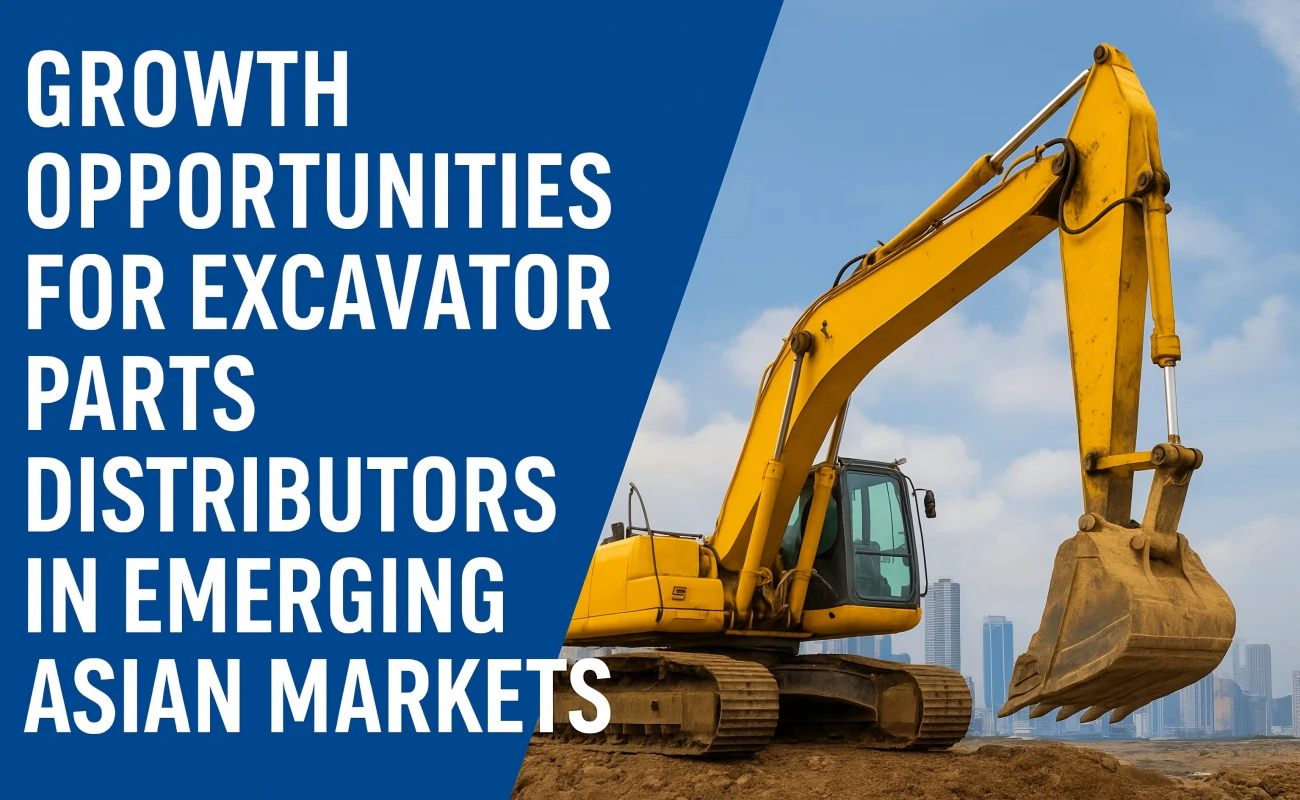
In recent years, construction and infrastructure development have accelerated across emerging Asian economies, from Southeast Asia to South Asia and parts of Central Asia. For distributors of excavator parts, this trend represents not just a sales opportunity, but a chance to establish a long-term presence in high-growth regions. As urbanization intensifies, government infrastructure budgets increase, and private investment pours into industrial projects, the demand for excavators—and the parts that keep them running—continues to climb.
However, tapping into these markets requires more than simply shipping products. Distributors must navigate complex logistical environments, varying regulatory frameworks, and competitive landscapes that differ greatly from mature markets.
Why Emerging Asian Markets Are on the Rise
Several factors are driving the rapid expansion of construction machinery use in these regions:
- Infrastructure Mega-Projects: Countries like Indonesia, Vietnam, and Bangladesh are investing heavily in highways, rail networks, ports, and industrial parks.
- Urbanization and Housing Demand: Millions of people are moving from rural areas into cities, creating sustained demand for residential and commercial construction.
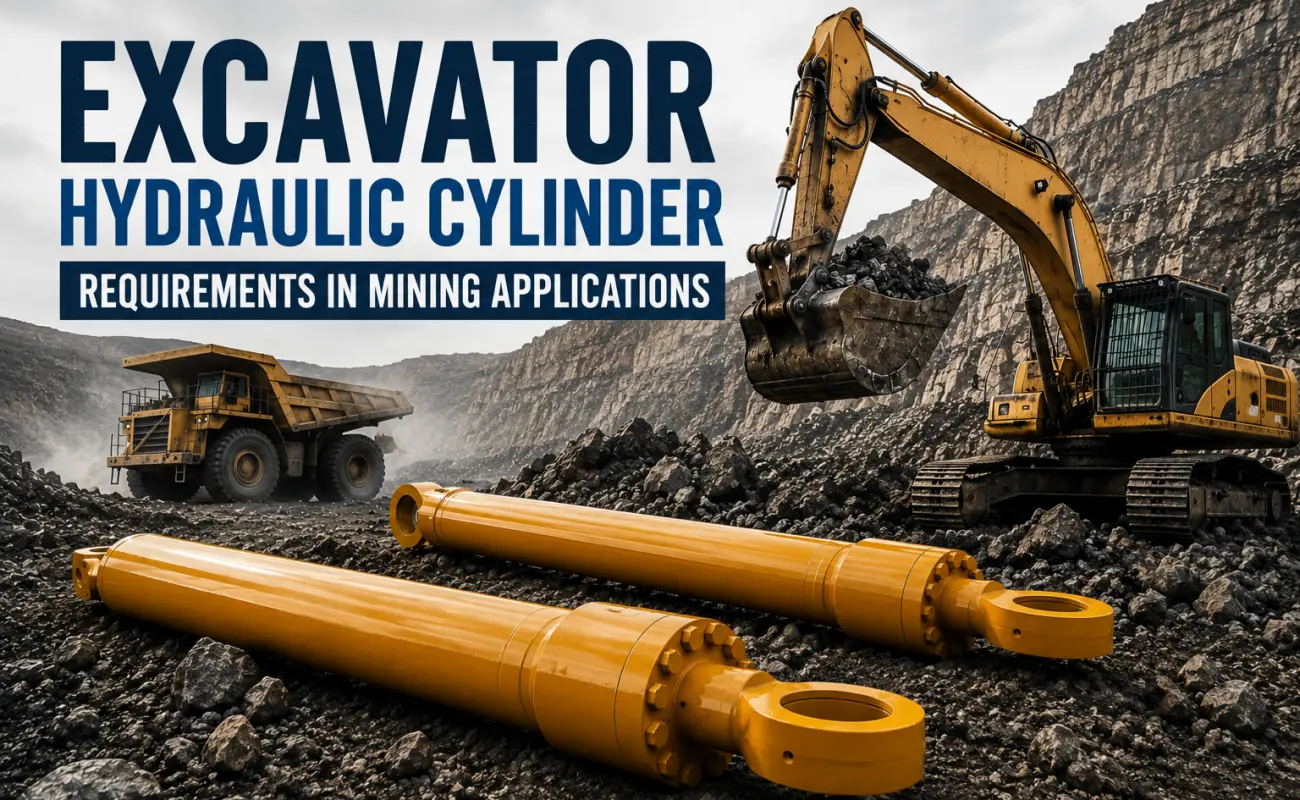
- Mining and Resource Development: Nations such as Mongolia and the Philippines are expanding mining operations, requiring heavy machinery in remote areas.
- Government Incentives: Lower tariffs on imported machinery, tax breaks for construction companies, and foreign investment-friendly policies are boosting machinery acquisition.
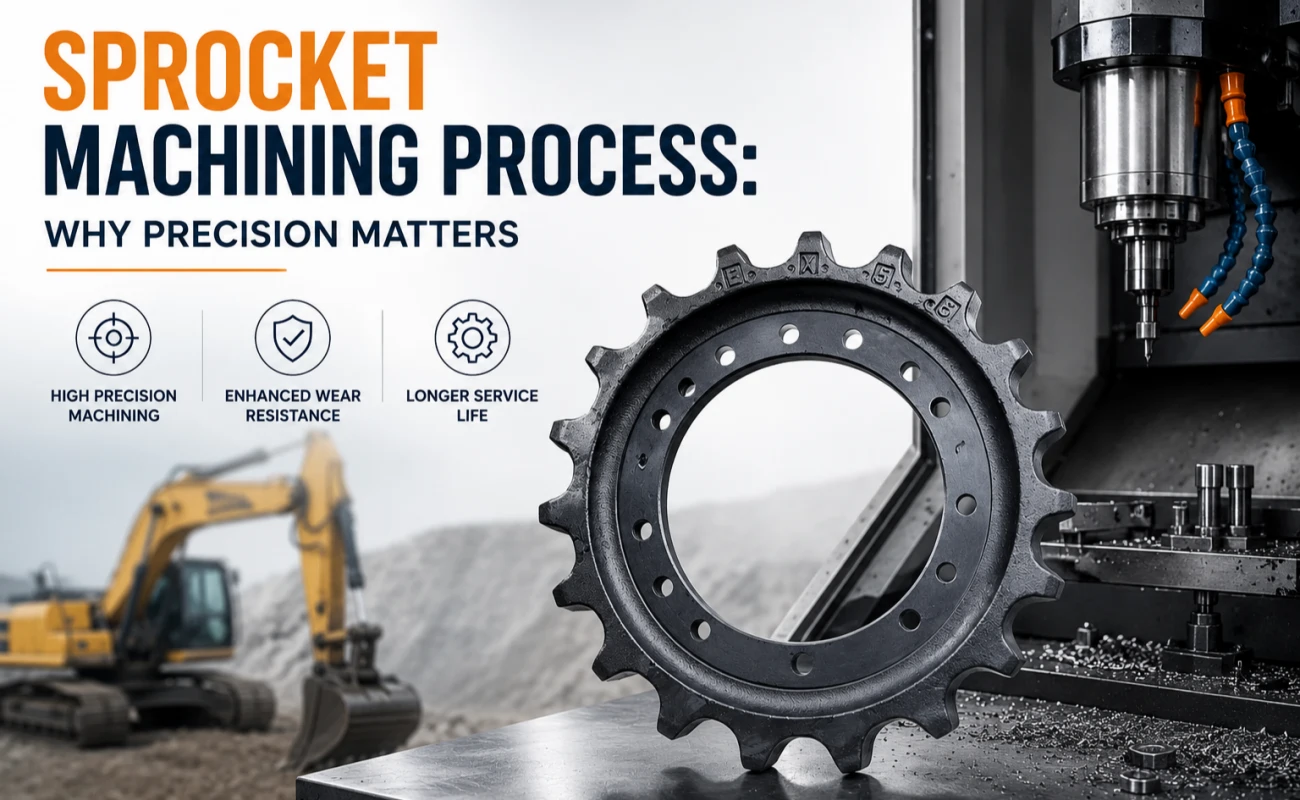
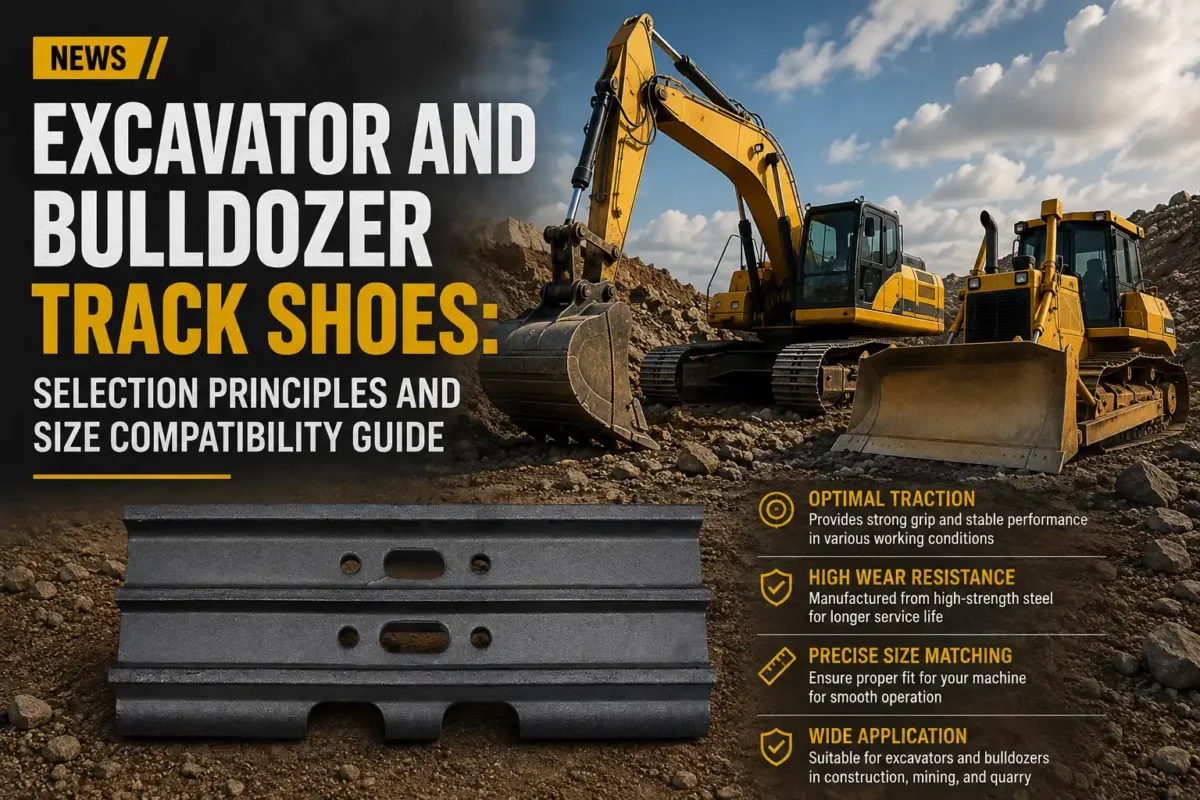
For distributors, these factors collectively mean a stable pipeline of demand for replacement parts such as track rollers, sprockets, hydraulic cylinders, slewing bearings, and more.
Key Opportunities for Distributors
1. Aftermarket Parts Dominance
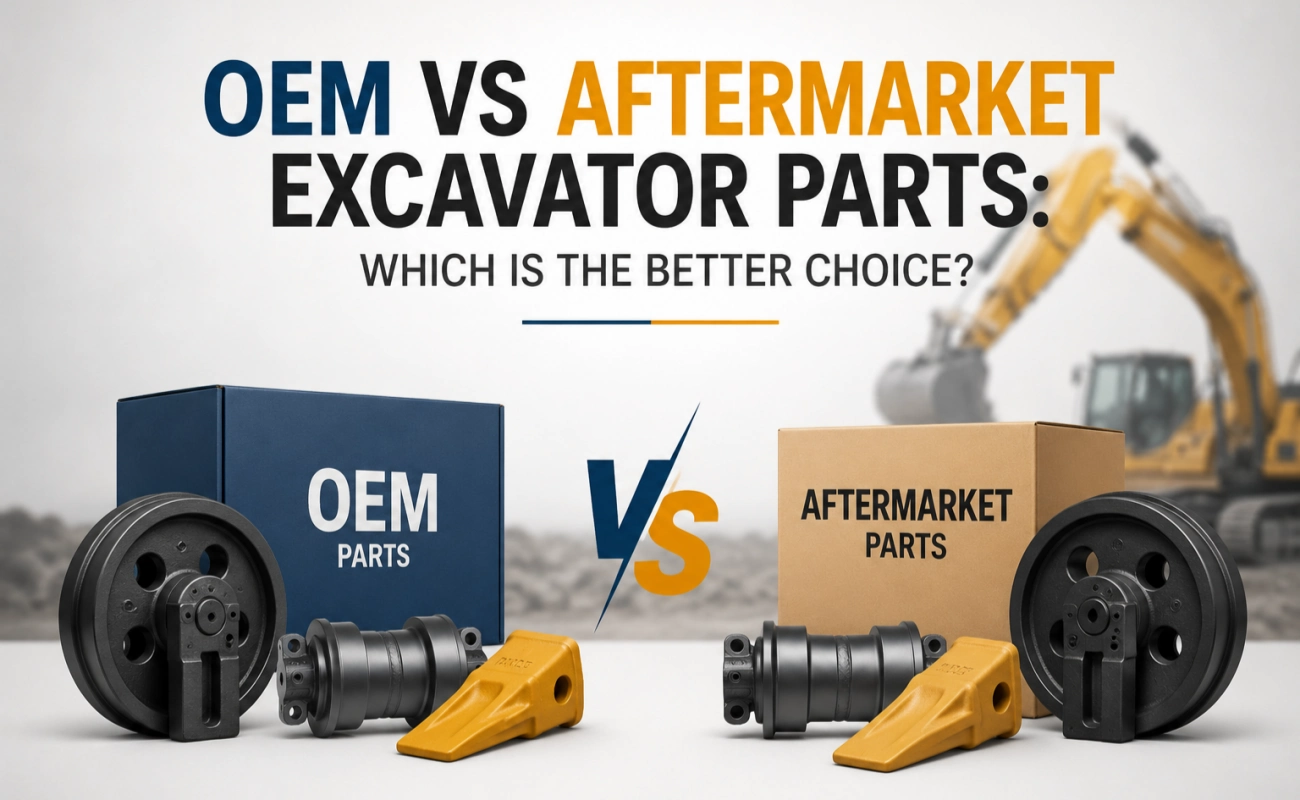
While new machinery sales are growing, much of the equipment in these regions is pre-owned or imported from established markets like Japan and South Korea. This means a significant portion of the market is reliant on aftermarket parts—a segment where independent distributors can compete strongly on price, availability, and customization.
2. OEM-Compatible Product Lines
Emerging markets often operate mixed fleets, from Caterpillar and Komatsu to Doosan, Hyundai, and Chinese brands. Distributors offering OEM-compatible parts across multiple brands can quickly become a preferred supplier, particularly for local repair shops and contractors that require fast turnaround.
3. Local Partnerships
Working with local dealers, logistics firms, and service centers enables faster delivery and builds trust with end customers. For parts distributors, partnering with established local businesses can also reduce the learning curve on market regulations and buyer behavior.
4. Digital Sales Channels
E-commerce adoption is growing rapidly across Asia. Distributors that invest in multilingual websites, mobile ordering apps, and localized online marketing can reach customers far beyond their immediate physical network.
Challenges to Consider
While the potential is high, success is not guaranteed. Common hurdles include:
- Customs and Import Barriers: Even in pro-investment countries, paperwork and clearance times can be slow.
- Price Sensitivity: Many customers seek cost-effective solutions and may compare offers from multiple suppliers before making decisions.
- Counterfeit Parts: Grey market and low-quality products can undercut legitimate distributors, affecting trust and pricing.
- Infrastructure Gaps: Poor transport links in rural areas can complicate last-mile delivery.
A successful distributor in these markets must have a clear supply chain strategy and robust quality assurance measures to differentiate themselves.
Strategic Recommendations
- Invest in Local Stocking Points: Regional warehouses in market hubs such as Ho Chi Minh City, Manila, or Jakarta can drastically reduce lead times.
- Offer Technical Support: Providing fitment advice, maintenance tips, and even on-site inspection services can build strong customer loyalty.
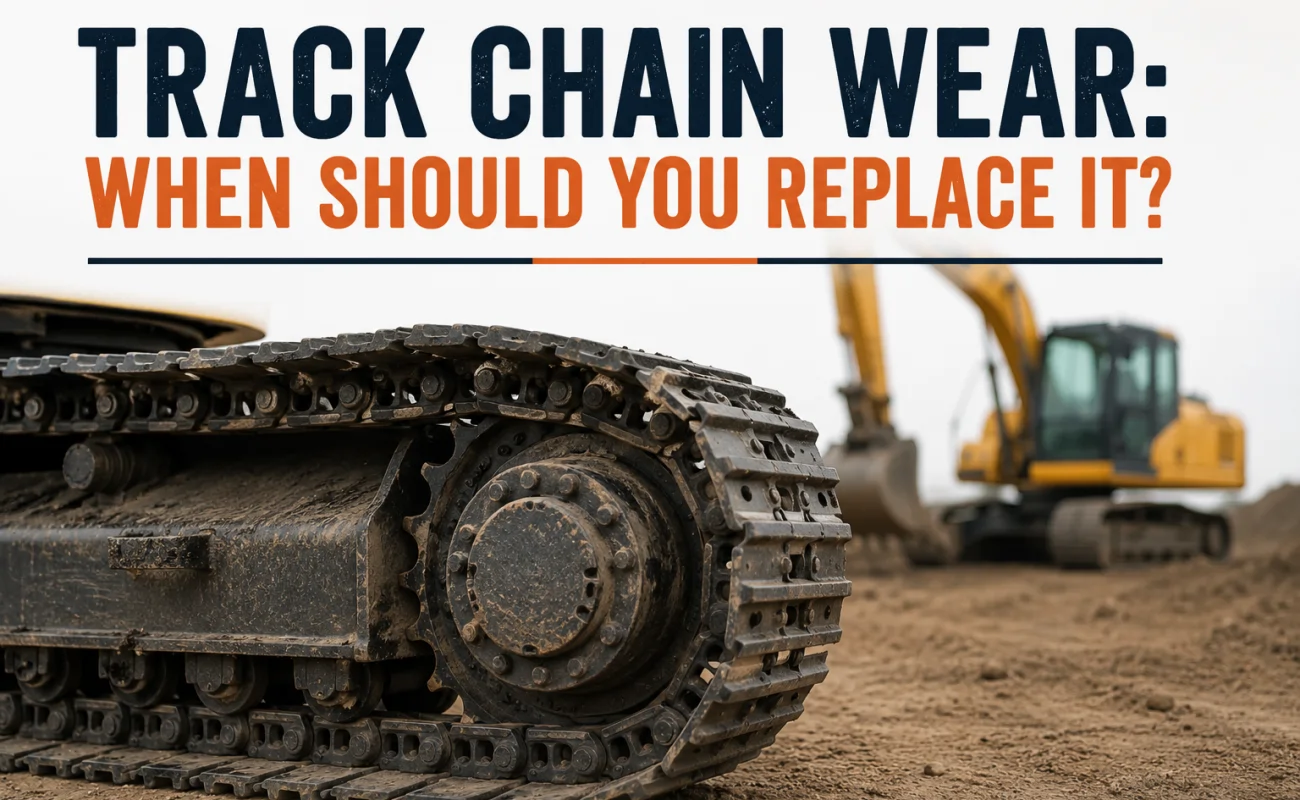
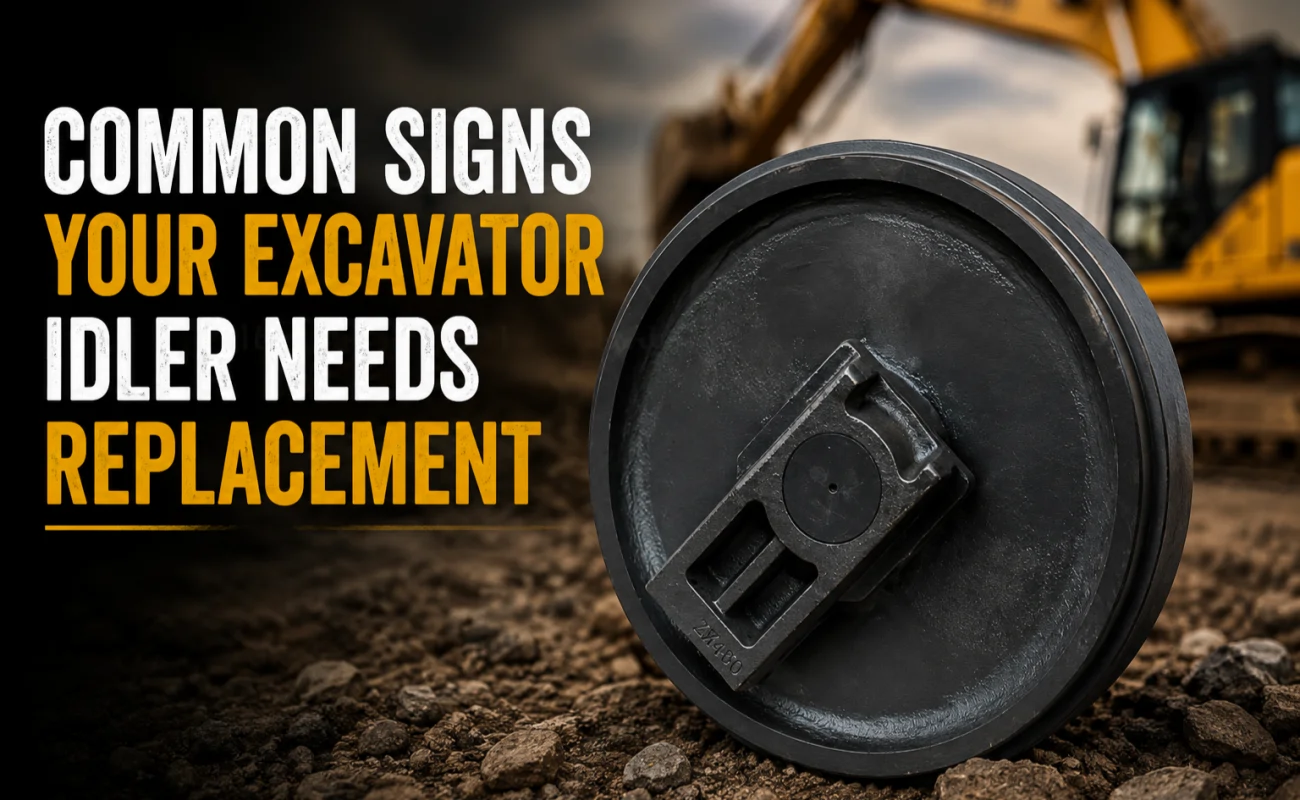
- Balance Price and Quality: Maintain competitive pricing without compromising on product durability—especially for high-wear undercarriage components.
- Build a Brand Reputation: In markets where trust takes time, consistent quality, transparent policies, and responsive service are critical.
- Monitor Market Trends: Stay ahead of shifts in government policy, currency fluctuations, and major project announcements to time your inventory planning effectively.
Conclusion
Emerging Asian markets present an exciting frontier for excavator parts distributors ready to adapt and invest strategically. The combination of infrastructure expansion, fleet diversity, and a strong aftermarket sector means that distributors with the right mix of product availability, local presence, and service quality can secure substantial market share in the coming decade. Those who position themselves early—while competitors are still hesitant—stand to benefit most from the region’s sustained growth trajectory.
If your business is looking to tap into the growing demand for excavator undercarriage components, hydraulic parts, or other key spares in these emerging Asian markets, now is the time to act. By aligning with reliable manufacturing partners and securing competitive supply terms in advance, you can position yourself ahead of the competition and build long-term market share. Contact us today to explore tailored product solutions and distribution strategies that fit your growth plans.