Product Applications

Forged vs Cast Excavator Bucket Teeth: Which Ground Engaging Tools Perform Better?

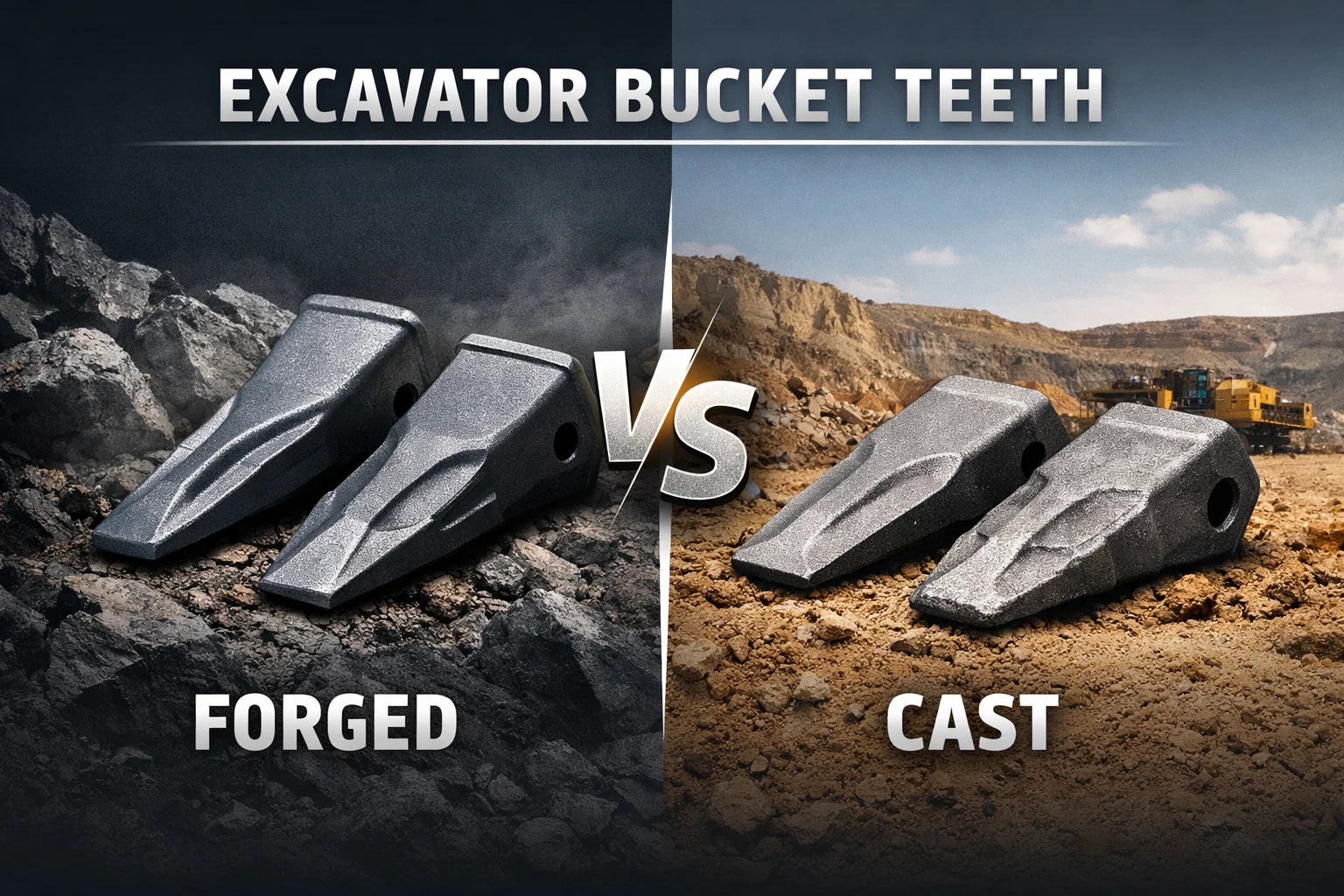
Forged vs Cast Excavator Bucket Teeth

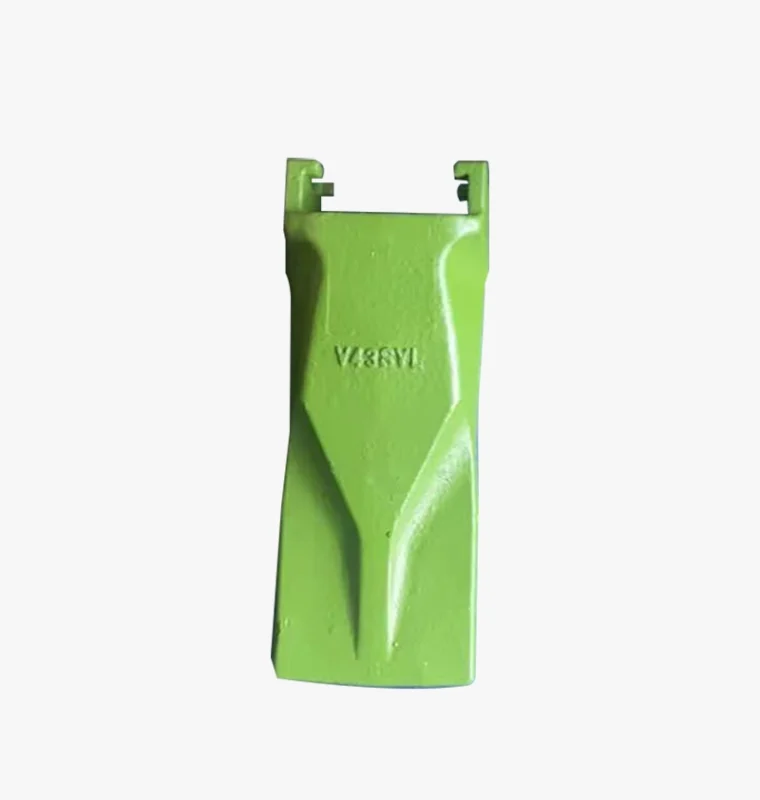
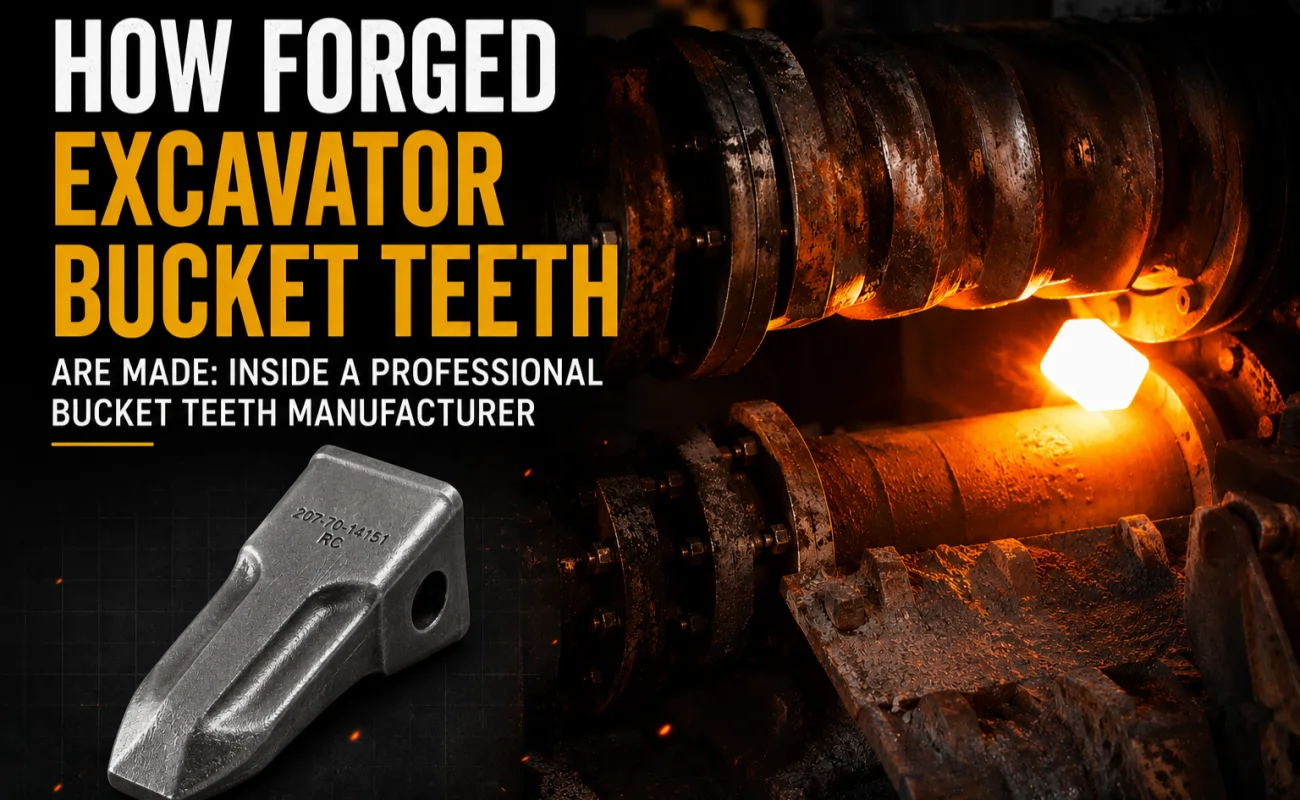
In earthmoving and mining operations, bucket teeth and adapters, as typical ground engaging tools for excavator, are constantly exposed to high wear and strong impact conditions. Topics such as forged vs cast bucket teeth, the selection of excavator bucket teeth for mining, and overall GET solutions are drawing increasing attention from excavator users and rental fleets, as they evaluate how different manufacturing processes affect real-world performance. Especially in demanding environments like rock excavation and mining, choosing a reliable heavy duty bucket teeth supplier becomes critical, as the wear resistance and fracture resistance of bucket teeth often directly determine construction efficiency and replacement frequency.

Bucket Teeth and Adapters

During excavation, bucket teeth are in direct contact with materials, while the adapter (tooth holder) is responsible for connection and force transmission. Together, they form a complete ground engaging system, and their compatibility and strength performance directly affect digging efficiency and machine load.

If bucket teeth wear too quickly or break frequently, it not only increases replacement costs but also disrupts operational rhythm. If the adapter develops structural issues, it may lead to the failure of the entire system. Therefore, selection should not be based on price alone—overall performance and compatibility must also be considered.

Forged vs Cast Bucket Teeth: What Are the Key Differences?

From a manufacturing perspective, bucket teeth are mainly divided into forged and cast types. The core differences are as follows:

Comparison Aspect

Forged Bucket Teeth

Cast Bucket Teeth

Manufacturing Method

High-temperature pressure forming

Molten metal casting

Internal Structure

Dense structure, grain aligned with stress direction

Relatively loose structure, no clear grain direction

Strength Performance

High strength, excellent impact resistance

Lower strength comparatively

Crack Resistance

Less prone to cracking, suitable for high-impact conditions

More likely to crack under strong impact

Application

Mining, rock, heavy-duty operations

General earthmoving, light-duty conditions

Cost

Relatively higher

Relatively lower

How to Choose the Right Bucket Teeth

In practice, the choice between forged and cast bucket teeth largely depends on the working environment.

For general earthmoving applications, cast bucket teeth offer a balance between cost and performance. However, in mining, hard rock, or continuous heavy-duty operations, forged bucket teeth have clear advantages. Their superior impact resistance and durability can significantly reduce the risk of breakage.

It is important to note that focusing only on initial cost while ignoring service life often leads to higher replacement frequency and increased downtime costs in the long run.

Material and Heat Treatment: Critical to Final Performance

Whether forged or cast, material selection and heat treatment processes directly determine bucket tooth performance. Common materials include high-strength alloy steels such as 30MnB and 40MnB. Through proper heat treatment, a balance between surface hardness and core toughness can be achieved.

High-quality products typically control surface hardness within a certain range (for example, HRC 48–52) to enhance wear resistance while maintaining internal toughness, preventing brittle fracture under impact loads. This combination of “wear-resistant exterior and impact-resistant core” is the foundation for stable long-term performance in demanding conditions.

If hardness is too high, short-term wear resistance may improve, but the risk of chipping or cracking under heavy impact increases. On the other hand, insufficient hardness accelerates wear and shortens service life. Therefore, consistent material properties and stable heat treatment processes are essential to ensuring reliable long-term performance.

KINTON PARTS Ground Engaging Tools Solutions

In the production of bucket teeth and adapters, KINTON PARTS provides multiple manufacturing options based on different working conditions. For mining and high-impact environments, forged processes are recommended to enhance impact resistance and operational stability.

At the same time, strict control over material selection and heat treatment ensures consistent product performance across batches, helping customers reduce replacement frequency and maintenance costs.

Final Thoughts

For ground engaging tools, there is no absolute superiority between forging and casting. The key lies in whether the product matches the actual working conditions. In high-intensity environments, selecting the appropriate manufacturing process is often more important than simply comparing prices.

Through proper selection and consistent quality control, the service life of bucket teeth and adapters can be effectively extended, while overall construction efficiency is improved.

If you are evaluating different types of bucket teeth or GET solutions, feel free to contact KINTON PARTS for recommendations tailored to your specific working conditions.