Company News

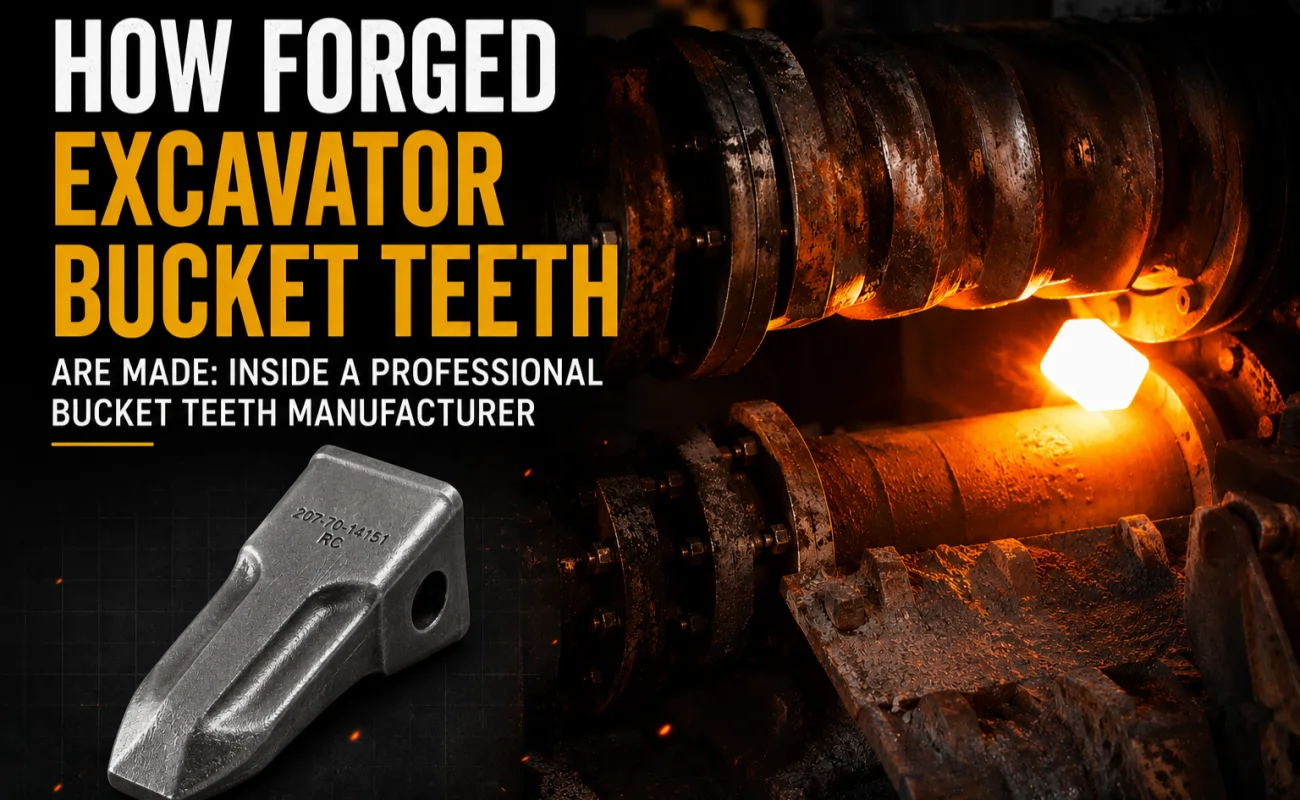
How Forged Excavator Bucket Teeth Are Made: Inside a Professional Bucket Teeth Manufacturer

How Forged Excavator Bucket Teeth Are Made

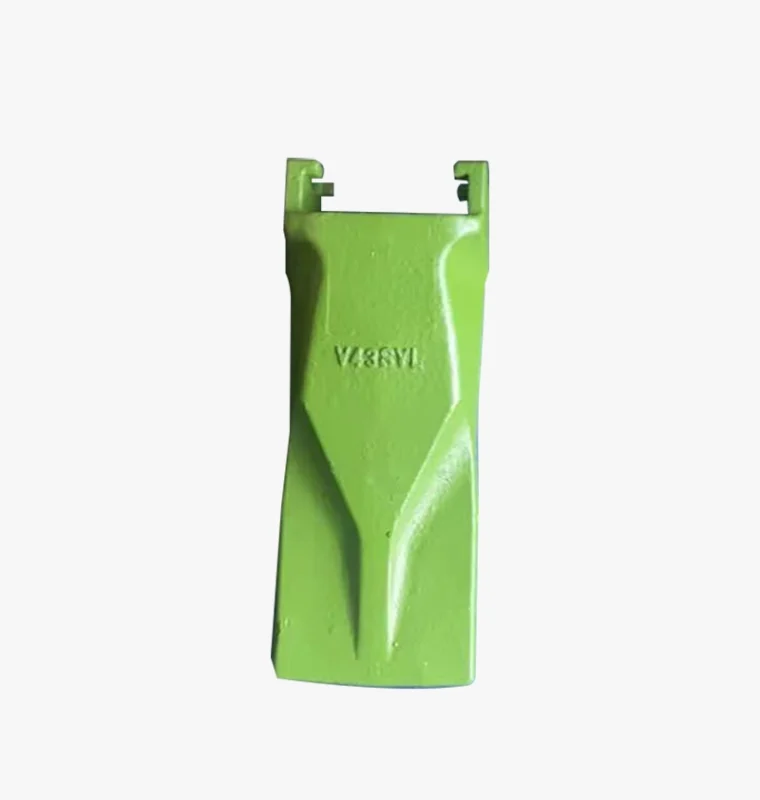
In mining, quarrying, and heavy earthmoving operations, bucket teeth are always among the first parts of an excavator to come into contact with rock and materials. For equipment operating under high intensity for extended periods, bucket teeth not only affect digging efficiency but also directly impact fuel consumption, equipment load, and the frequency of downtime for replacement. In recent years, when buyers/fleets purchase bucket teeth in bulk, they prioritize forged bucket teeth, high-wear-resistant excavator bucket teeth, and the manufacturing process. Compared to simply focusing on price, buyers are more concerned with whether the bucket teeth are truly suitable for mining and high-wear environments, and whether they can obtain consistent bucket tooth quality.

For a professional bucket tooth manufacturer, what truly determines product quality is often not just the external dimensions, but the selection of steel, forging process, forming precision, and overall manufacturing stability. From raw material heating to die forging and subsequent surface treatment, each process directly affects the final wear resistance and impact resistance of the bucket teeth.


Steel Cutting and Heating

Bucket tooth production typically begins with steel cutting. Depending on the model and size of the bucket teeth, raw materials are cut into corresponding specifications and then enter the heating stage.

This step, seemingly basic, directly impacts the quality of subsequent forging. Unstable steel heating temperatures can lead to uneven microstructure, abnormal internal stress, and even cracks during forging.

Therefore, established bucket tooth manufacturers typically prioritize temperature control to ensure stable plasticity of the steel before forging.

Roll Forging and Pre-Forging

Before formal die forging, many high-strength bucket teeth undergo roll forging or pre-forging processes.

This process primarily aims to form the initial profile of the steel and improve the internal metal flow structure. Compared to direct one-time forming, pre-forging allows for more uniform material distribution and helps improve the stability of subsequent die forging.

For heavy-duty mining bucket teeth, the direction of metal flow is crucial. A proper forging flow line can effectively improve the impact resistance of the bucket teeth and reduce the risk of breakage during use. Therefore, many high-quality forged bucket teeth place greater emphasis on material microstructure control during the pre-forging stage.

Die Forging

Die forging is typically the core step in the entire bucket tooth manufacturing process.

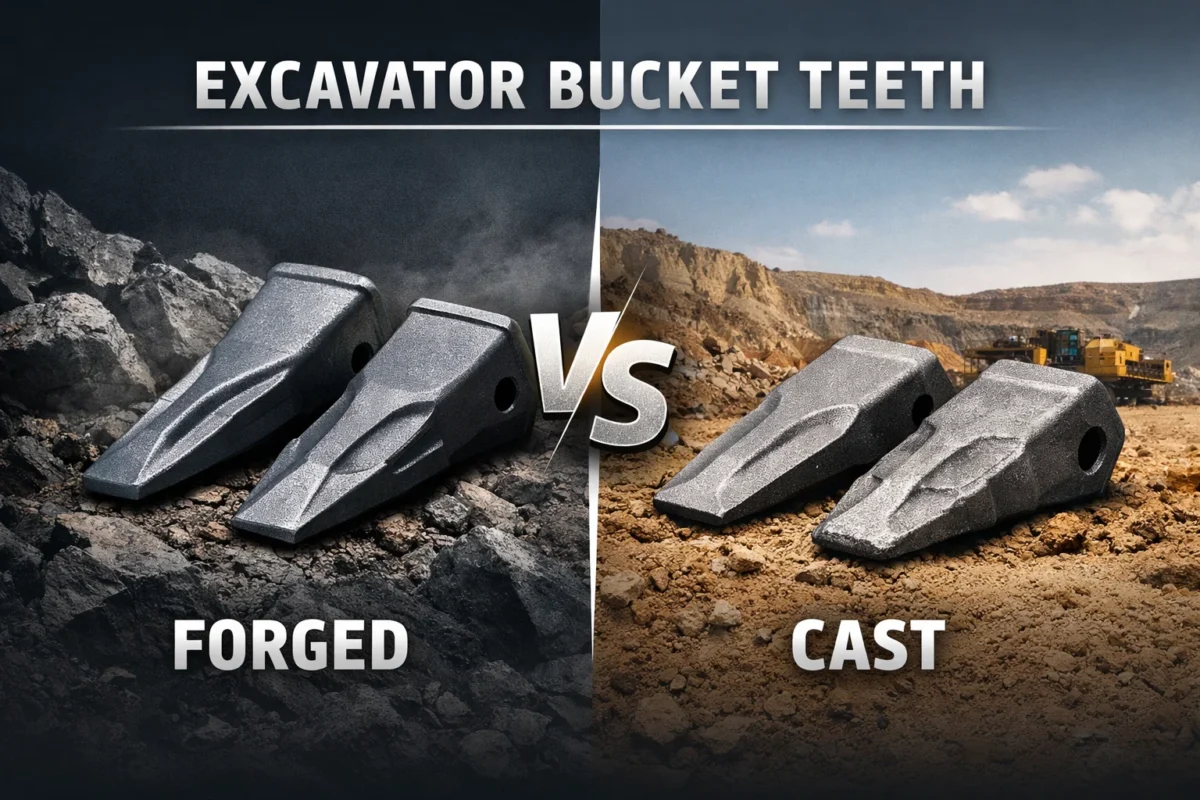
Under high-tonnage pressure equipment, heated steel is pressed into a die, forming the complete bucket tooth profile. Compared to ordinary casting, forged structures generally have higher density and a more stable internal microstructure, resulting in greater stability under high-impact environments.

Especially for heavy-duty excavators in mining operations, bucket teeth are subjected to long-term rock impacts and high-wear environments. Insufficient internal structural strength can easily lead to fracture, tooth breakage, or abnormal wear.

This is why many customers now prefer forged bucket teeth, rather than solely focusing on external dimensions.

Trimming and Punching

After die forging, bucket teeth typically require trimming and punching.

Because flash is generated during forging, the excess material needs to be removed through trimming. Meanwhile, the pin hole positions also require further machining to ensure the installation accuracy with the bucket tooth pins and adapters.

For bucket teeth, hole position accuracy is crucial. Excessive dimensional deviation can lead to loosening, uneven wear, or even detachment after installation. Therefore, many professional bucket tooth manufacturers place great emphasis on dimensional consistency control at this stage.

Heat Treatment (Quenching and Tempering)

After trimming and punching, many high-strength bucket teeth undergo a heat treatment process, including quenching and tempering. This stage is actually one of the key steps determining the final hardness, wear resistance, and impact resistance of the bucket teeth.

For excavator bucket teeth, insufficient hardness leads to rapid wear in mining or gravel-breaking conditions; however, excessive hardness and insufficient toughness can result in chipping or breakage in high-impact environments.

Therefore, experienced bucket tooth manufacturers typically do not simply pursue high hardness but rather emphasize a balance between hardness and toughness. Through proper quenching and tempering processes, the internal structure of the steel can be improved, allowing the bucket teeth to maintain wear resistance while still possessing sufficient impact resistance.

Shot Blasting and Surface Treatment

After completing the main body machining, the bucket teeth typically undergo shot blasting and surface treatment.

Shot blasting not only removes the surface oxide layer but also improves surface stress conditions, resulting in a more uniform product appearance. For some export markets, surface treatment quality directly impacts customers' first impression of the product's craftsmanship.

At the same time, some bucket teeth undergo additional surface strengthening treatments depending on operating conditions to further improve wear resistance.

Painting and Packaging

Many people believe that painting is merely to make the bucket teeth "look better," but in reality, it also provides a certain degree of rust protection.

Especially for export products, prolonged exposure to humid environments during sea transport can easily lead to surface oxidation if packaging and rust prevention are inadequate.

Therefore, after painting, bucket teeth are typically categorized and packaged according to customer requirements for convenient transportation and inventory management.

The Importance of Bucket Tooth Manufacturing Process

In the past, many users focused primarily on price when purchasing bucket teeth.

However, with the increasing intensity of mining operations, more and more customers are realizing that what truly affects construction efficiency is not just whether the bucket teeth can be installed, but also their wear resistance, impact resistance, and stable service life.
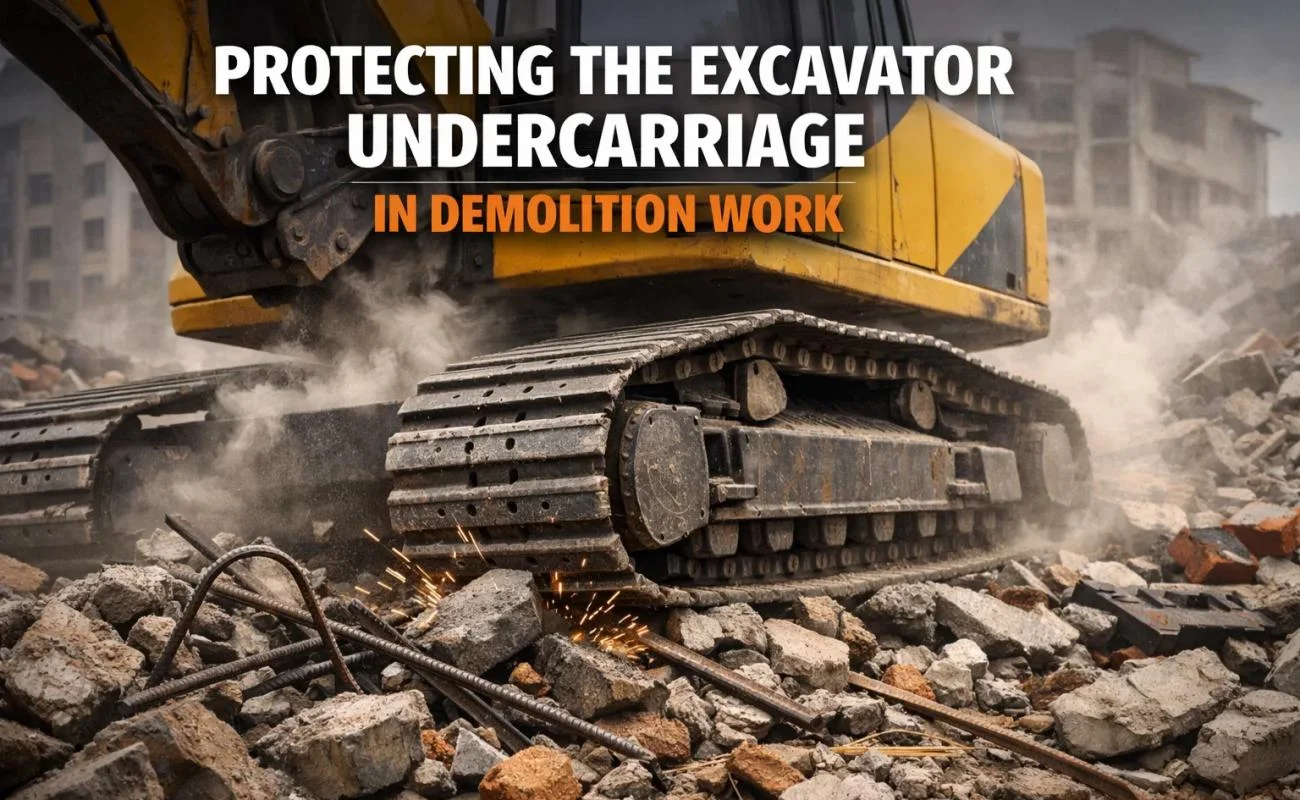
Especially for large mining equipment, frequent bucket tooth replacements not only increase downtime but also raise overall operating costs. Therefore, more and more customers are now paying attention to:

  • Whether forging processes are used
  • Material and heat treatment stability
  • Drilling accuracy
  • Overall manufacturing consistency

Compared to short-term low prices, long-term durability has become a more important purchasing criterion.

Conclusion

For wear-resistant parts in construction machinery, bucket teeth are not just simple wear parts, but key components that directly affect digging efficiency and equipment stability. From steel blanking to die forging and subsequent surface treatment, every process affects the final product's performance.

As a professional manufacturer of wear-resistant parts for engineering machinery, KINTON PARTS continuously provides global customers with a variety of forged bucket teeth, tooth holders, and ground engaging tools solutions. Through stable material control and mature forging processes, we are committed to helping customers improve the wear resistance of their equipment and reduce long-term operating costs under complex conditions.