Company News

Sprocket Machining Process: Why Precision Matters in Excavator Undercarriage Parts

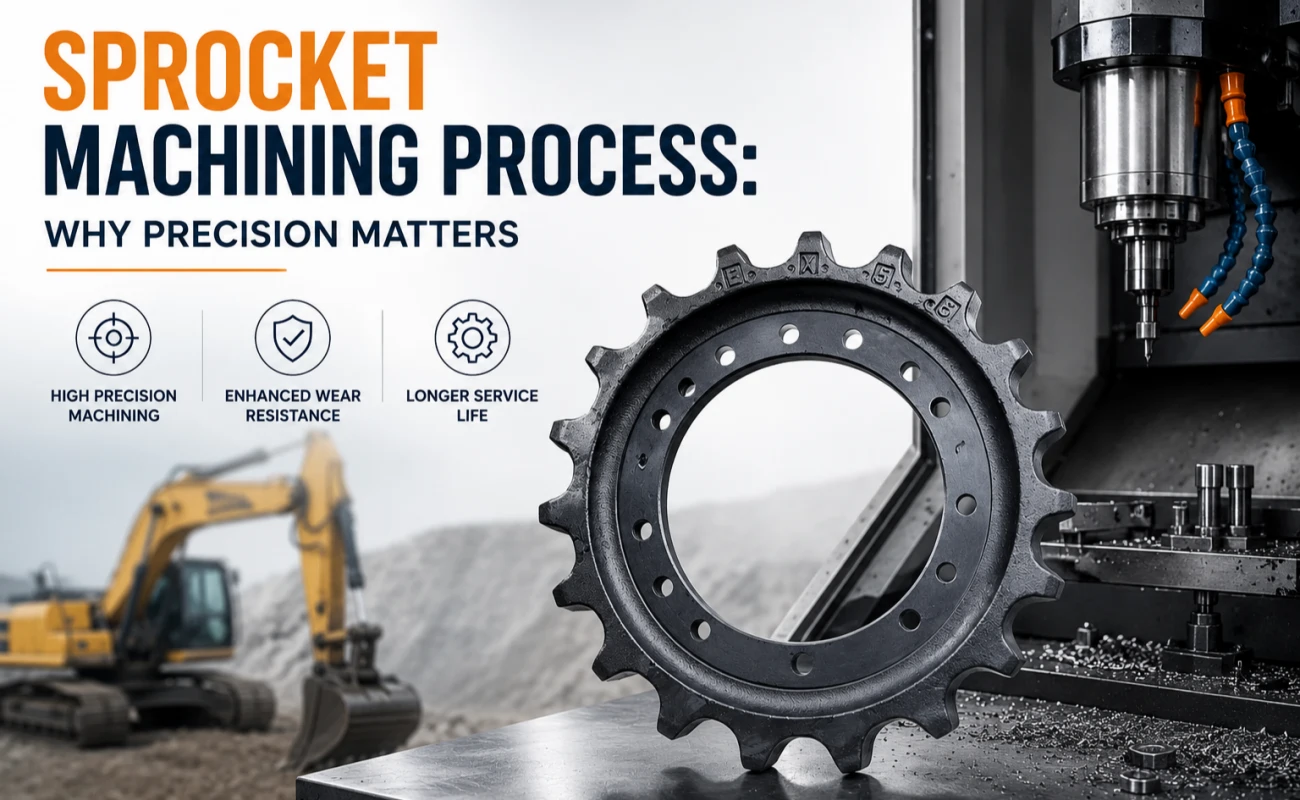
Sprocket Machining Process

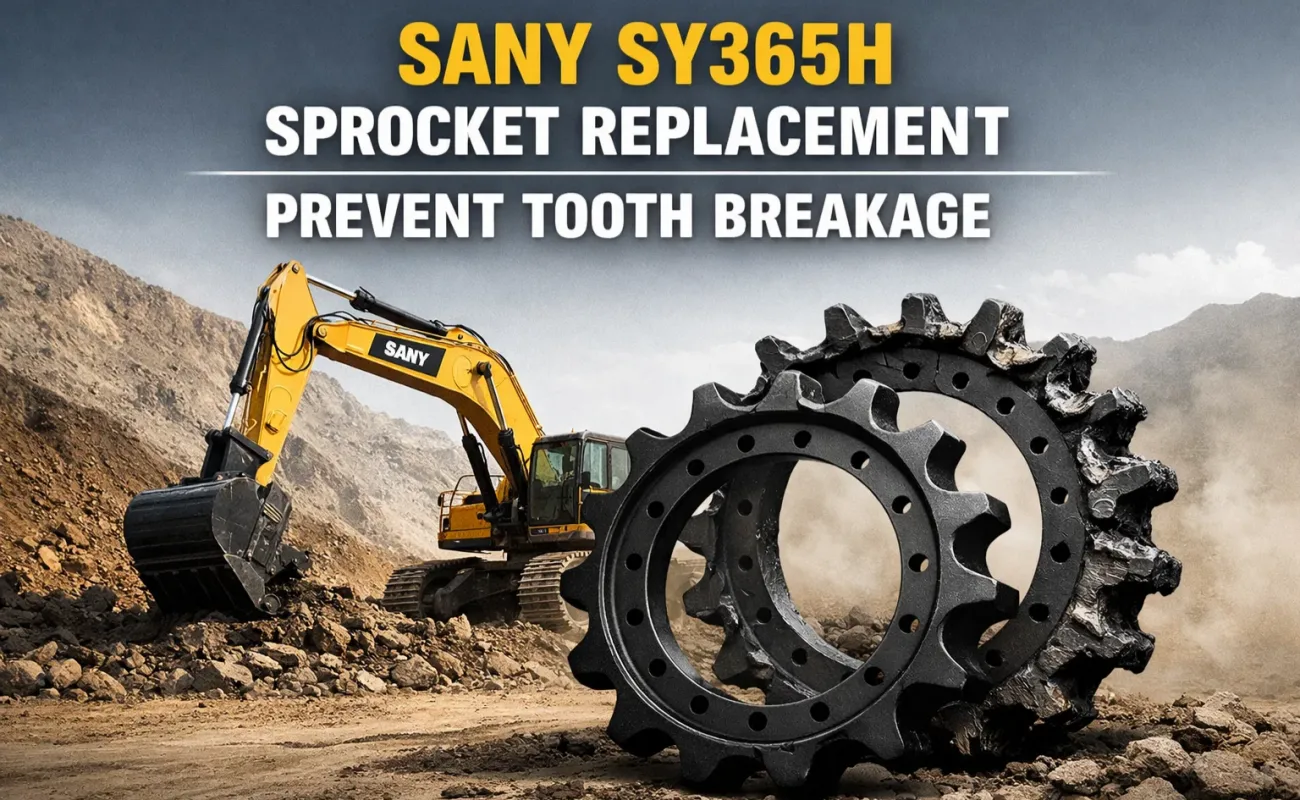
In tracked excavator undercarriage systems, the drive sprocket, while not as conspicuous as the engine or hydraulic system, is one of the core components of the entire track drive structure. For equipment operating long-term in mines, quarries, and heavy earthmoving conditions, the drive sprocket wheel not only needs to withstand the continuous impact of chain meshing but also faces long-term wear from high abrasion, high loads, and muddy environments. Therefore, the machining precision and manufacturing process of the excavator sprocket directly affect the chain wear rate, walking stability, and the overall lifespan of the undercarriage.

In recent years, more and more overseas customers, when purchasing undercarriage components, are no longer solely focused on whether the drive sprocket dimensions match, but are beginning to place greater emphasis on the sprocket machining process itself. This is because, for heavy-duty equipment, the lifespan of the drive sprocket is often determined not only by the material but also by the overall machining precision and heat treatment stability.


High Machining Precision of Drive Sprockets

The main function of the excavator sprocket wheel is to mesh with the track chain, thereby transmitting the power output from the final drive to the track system.

During equipment movement, chain links and tooth tips constantly contact, disengage, and re-engage. This seemingly simple process actually generates continuous impact loads and frictional wear.

If the drive sprocket teeth's machining precision is insufficient, the following may occur:

  • Uneven chain meshing
  • Local abnormal wear
  • Chain tooth skipping
  • Increased walking vibration
  • Abnormal undercarriage noise

Especially for large mining equipment, where the undercarriage operates under high loads for extended periods, any deviation in tooth profile precision often leads to a significantly accelerated wear rate. Therefore, the truly important aspect of drive teeth is not just their ability to be installed, but their ability to maintain stable meshing with the chain.

Drive Teeth Machining Steps

Sprocket tooth manufacturing usually begins with casting or forging a blank. Different equipment tonnages and operating conditions will have different material and structural requirements.

After the blank is completed, it typically enters the CNC turning and machining stage. This process is mainly to ensure the mounting hole positions, center dimensions, and overall concentricity. Because if the center positioning error is too large, subsequent movement may result in swaying and abnormal stress.

Subsequently, one of the most critical parts of the drive sprocket is tooth machining.

Since the chain needs to mesh precisely with the teeth, the tooth profile, angle, and pitch accuracy directly affect the undercarriage's operating performance. Especially in modern CNC machining, many high-quality drive sprockets utilize CNC precision machining to improve overall consistency.

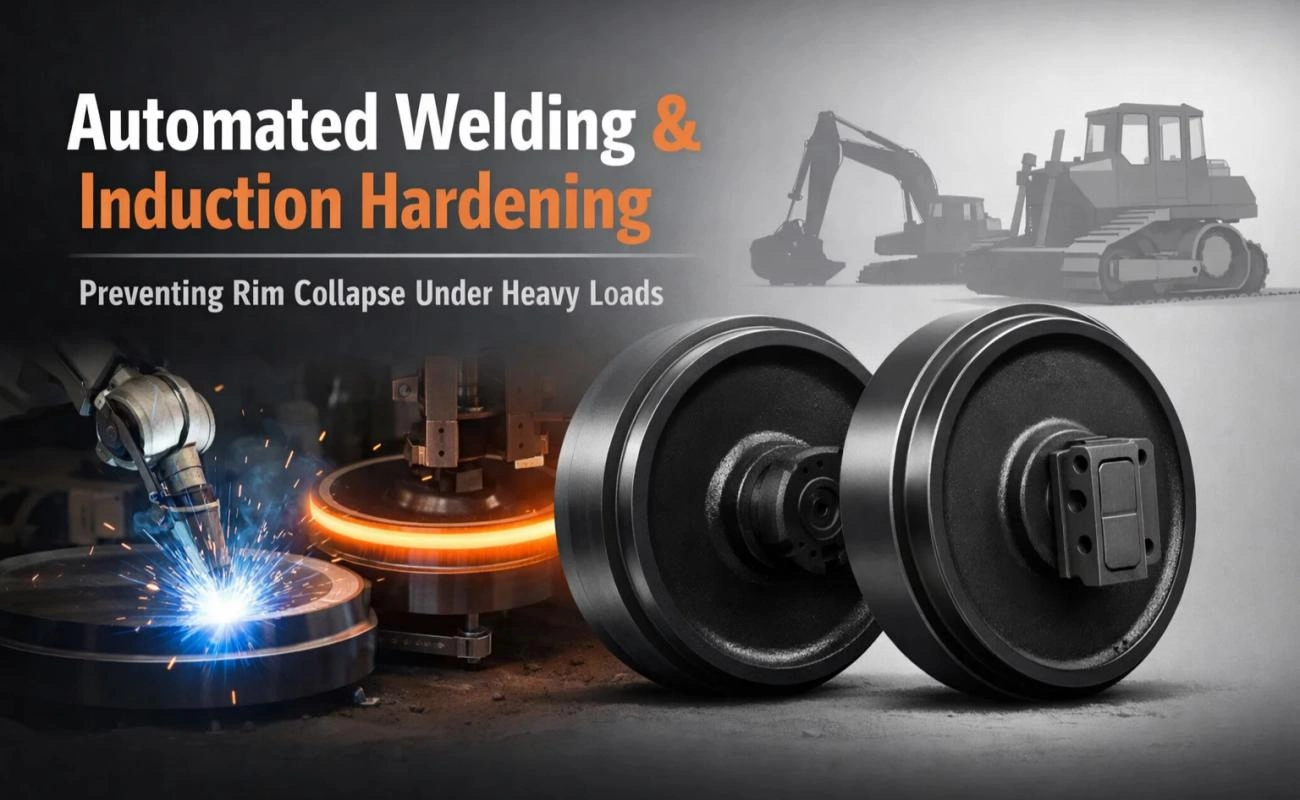
Heat Treatment Affects Drive sprocket Lifespan

Besides machining precision, heat treatment is also a crucial factor affecting drive sprocket performance.

Because excavator drive sprockets are in constant contact with the chain, their tooth surfaces need high wear resistance. Insufficient hardness will quickly wear down the tooth tips; however, excessive hardness and insufficient toughness may lead to tooth chipping or cracking under heavy impact conditions.

Therefore, mature drive sprocket manufacturing typically strikes a balance between hardness and toughness. For heavy-duty equipment in mining operations, heat treatment stability is often more important than simply high hardness. Truly long-term stable undercarriage components need to maintain both wear resistance and fracture resistance under high impact environments.

Drive Sprocket Wear Affects the Entire Undercarriage

Many users believe that excavator sprockets are only individually worn components, but in reality, they directly impact the entire undercarriage system.

When the drive sprocket teeth wear down, the chain meshing angle gradually changes. As meshing instability increases, the wear rate of chain links, bushings, and the entire track system accelerates significantly.

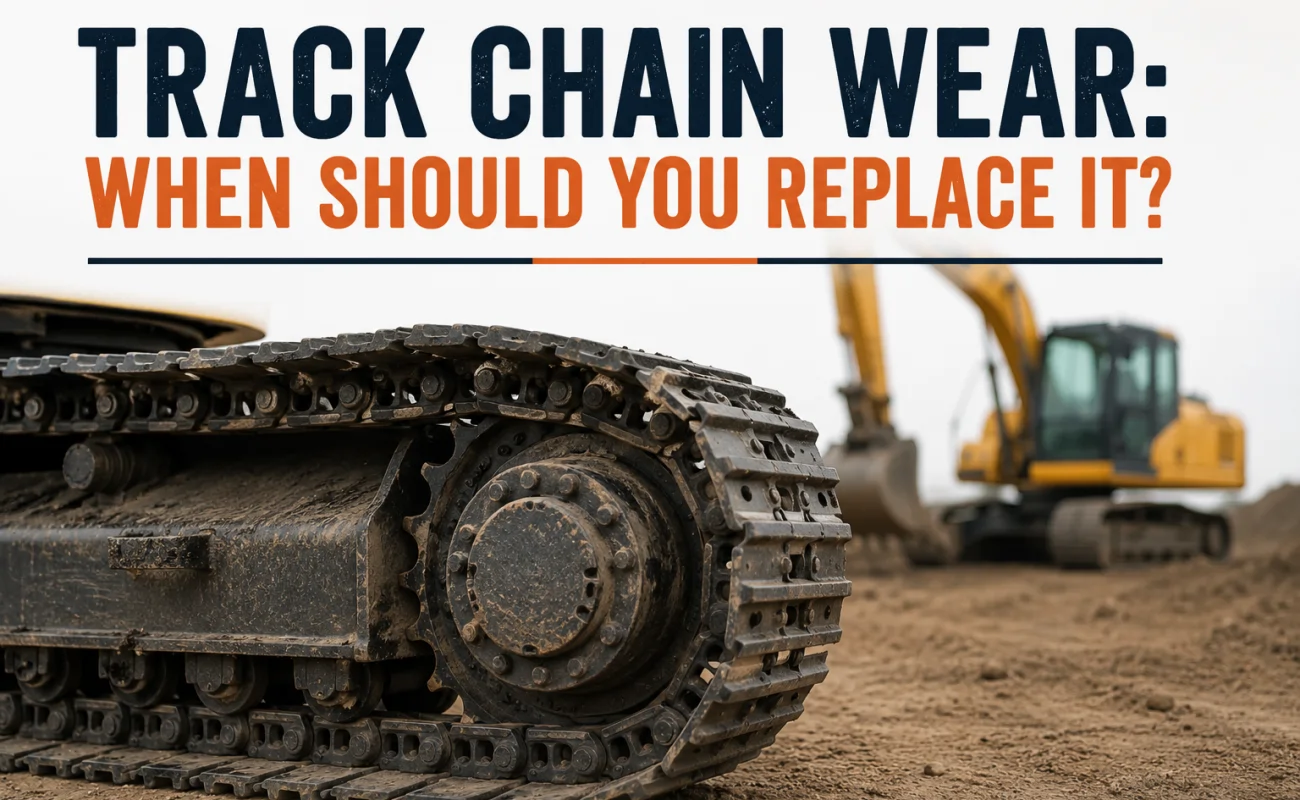
Especially when the chain has already elongated to a certain extent, continuing to use it with severely worn drive sprockets can easily lead to "abnormal wear matching." Therefore, many undercarriage maintenance plans recommend a comprehensive inspection of the drive sprockets, chain, and certain undercarriage components, rather than simply replacing individual parts.

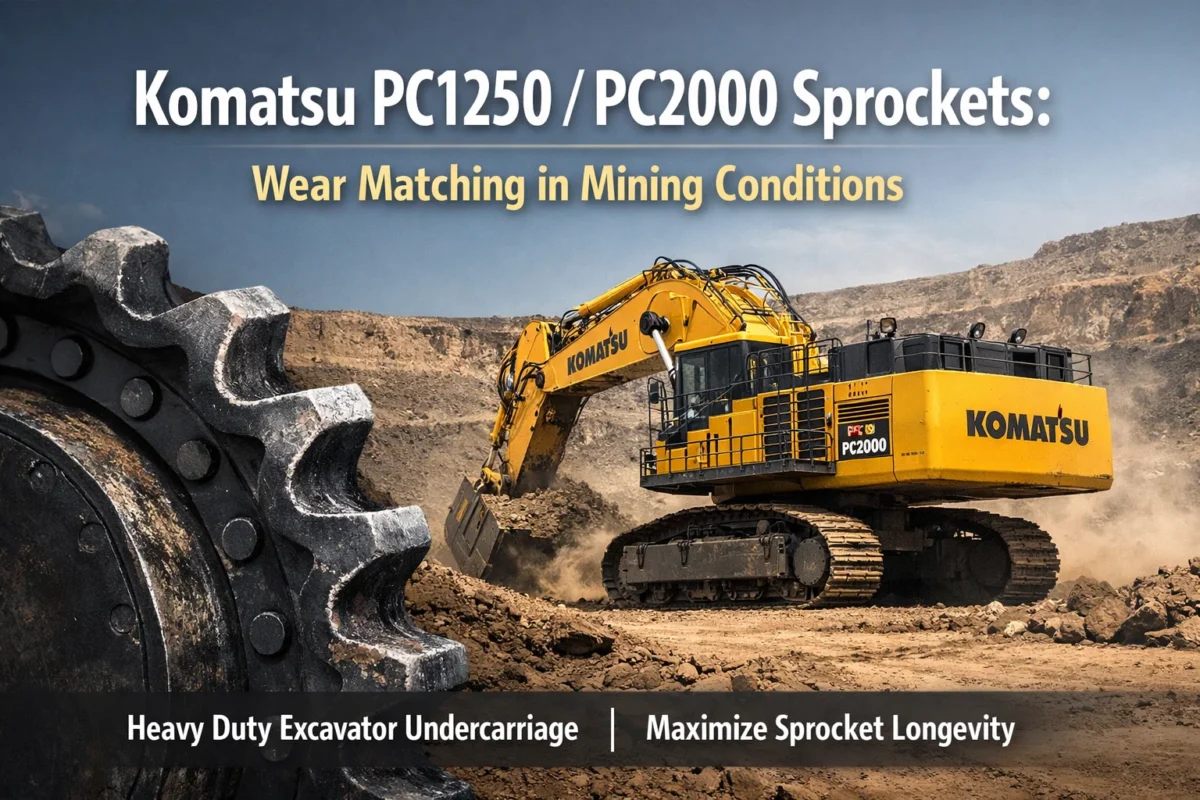
Requirements for Drive Sprockets in Mining Environments

Compared to ordinary earthmoving operations, undercarriage systems in mining environments typically withstand higher loads and stronger impacts.

Gravel, hard rock, and prolonged heavy-load travel continuously increase the contact pressure between the chain and drive sprockets. Simultaneously, high-dust environments further accelerate tooth surface wear.

Under these operating conditions, if the machining accuracy of the drive teeth is unstable or the heat treatment quality is insufficient, their lifespan will often be significantly shortened. Many low-quality drive teeth may appear to function normally initially, but under high-intensity conditions, they will quickly exhibit abnormal wear and tooth tip deformation.

Therefore, more and more mining customers are beginning to pay closer attention to the manufacturing process of drive teeth, rather than just the price itself.

Conclusion

For excavator, although the drive sprocket teeth are only one component of the undercarriage system, they directly affect the chain meshing stability and the overall undercarriage lifespan. From CNC machining to tooth profile accuracy, and then to subsequent heat treatment, every process affects the final performance.

At KINTON PARTS, we continuously provide global customers with a variety of construction machinery undercarriage component solutions, including sprocket, chains, track rollers, idlers, and other products. Through stable machining processes and strict manufacturing controls, we are committed to helping customers improve the durability of their equipment undercarriage and reduce long-term maintenance costs under heavy-duty conditions.