


Undercarriage Life & Excavator Weight: Operator Guide

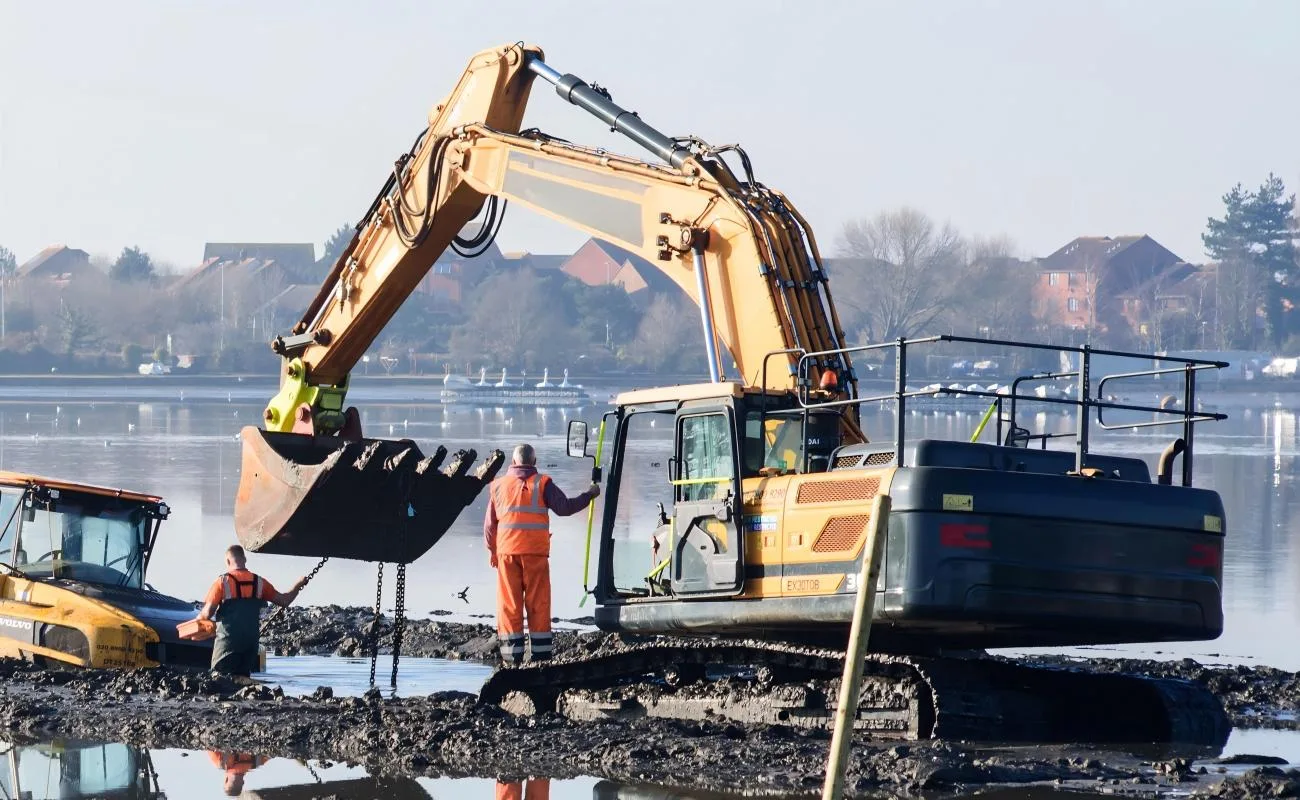
When it comes to maintaining excavators, few systems demand more attention than the undercarriage. It bears the full weight of the machine, handles terrain stress, and is constantly exposed to wear. But not all undercarriages are created equal—and one of the biggest factors influencing their service life is the operating weight of the machine itself.
Whether you're operating a compact 5-ton unit or a 70-ton mining excavator, understanding how machine weight impacts undercarriage wear is essential for extending service life and avoiding unnecessary downtime.
How Weight Impacts Undercarriage Wear
Excavator undercarriages are engineered to match the size and force demands of different weight classes. Heavier machines exert more ground pressure, create higher impact forces, and generate more internal stress on components like the track chain, rollers, idlers, and sprockets.
Here’s how increasing weight affects wear:
- Higher Static Load: The entire machine’s mass presses down on the rollers, track shoes, and idlers, increasing compression-related wear—especially on bottom rollers and track link bushings.
- Greater Dynamic Load: When the excavator swings, travels, or operates on uneven terrain, its moving weight amplifies the load on connection points like pins and bushings, accelerating elongation or cracking.
- Increased Friction & Heat: Heavier weight means higher contact pressure between moving surfaces, which increases friction and—if poorly lubricated—heat, leading to faster wear or deformation.
Undercarriage Lifespan by Excavator Size
The expected lifespan of undercarriage components varies depending on usage, ground conditions, and maintenance habits. Here’s a general comparison by weight class:
| Excavator Size | Tonnage Range | Typical Track Chain Life (hrs) | Notes |
|---|---|---|---|
| Mini | 1–6 tons | 2,000–3,000 hrs | Lower loads but more prone to mud/debris |
| Mid-size | 7–20 tons | 2,500–4,000 hrs | Balanced wear; frequent travel increases wear |
| Large | 21–35 tons | 2,000–3,000 hrs | Requires durable materials, close monitoring |
| Extra Heavy-Duty | 36–60 tons | 1,500–2,500 hrs | Higher shock loads, faster sprocket and roller wear |
| Mining-Class | 60+ tons | 1,200–2,000 hrs | Demands thick forged parts, frequent overhaul cycles |
Note: Harsh terrain, high travel frequency, or poor maintenance will significantly reduce these numbers.
Design Adjustments for Heavier Machines
Manufacturers build heavy excavator undercarriages with design differences to handle the extra stress:
- Thicker Chain Links & Hardened Pins: To resist breakage and elongation under load
- Double Flange Rollers: Provide lateral stability and better tracking
- Segmented Sprockets: Enable faster, more economical replacements
- Grease-lubricated Track Systems: Reduce internal friction and slow bushing wear
At KINTON PARTS, we match each undercarriage component to machine weight class and field conditions. Our rollers, sprockets, and chain assemblies for models like CAT 330, Komatsu PC400, or ZX870 are specially built for impact resistance and long service life.
Best Practices Based on Machine Weight
For Mini Excavators (1–6 tons)
- Clean track system daily—debris builds up quickly
- Monitor rubber or steel track condition frequently
- Watch for track frame misalignment, which can cause uneven wear
For Mid-size Machines (7–20 tons)
- Adjust track tension weekly to prevent chain over-stress
- Grease carrier rollers and inspect for wobble
- Use wear plates or guards if working in abrasive conditions
For Large Excavators (21–35 tons)
- Use heat-treated rollers and idlers
- Rotate track chains side-to-side to balance wear
- Monitor sprocket teeth for sharp edges or hooking
For Extra Heavy-Duty (36–60 tons)
- Use forged double-flange rollers and thick wall bushings
- Replace pins and bushings in full sets to avoid mismatch wear
- Check carrier roller alignment regularly to reduce oscillation stress
For Mining-Class Machines (60+ tons)
Machines like the Komatsu PC600, CAT 374, or Hitachi ZX870 operate under extreme conditions. These excavators demand the highest-strength components due to constant heavy load and abrasive terrain.
Recommendations:
- Use flame-hardened sprockets and track shoes
- Install forged carrier and bottom rollers with high load ratings
- Lubricate track links frequently and monitor bushing temperature
- Inspect weld seams and contact points regularly for stress fatigue
Choosing the Right Parts for the Job
Weight is one of the core variables that dictate undercarriage lifespan—but it’s not the only one. Terrain, operator habits, and application type also matter. Still, selecting the right weight-rated parts is the foundation of reliable performance.
At KINTON PARTS, we supply:
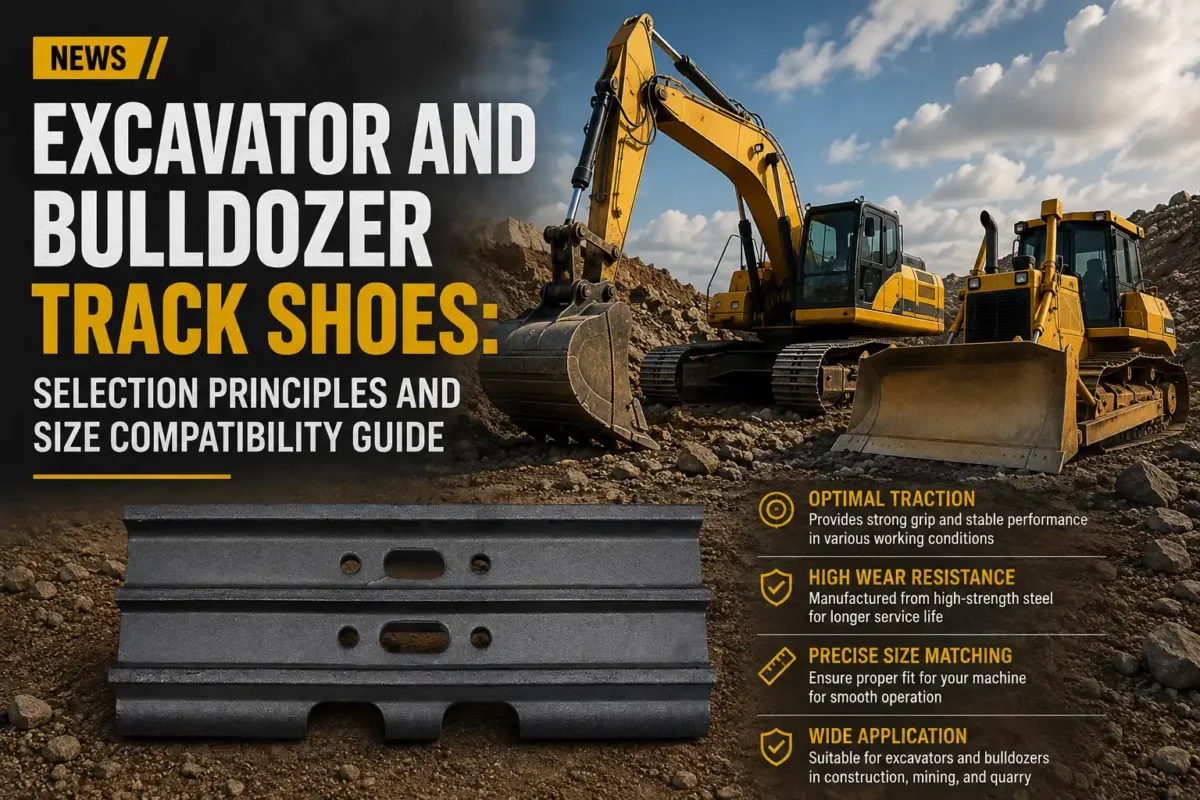
- Track Chains with induction-hardened pins and bushings
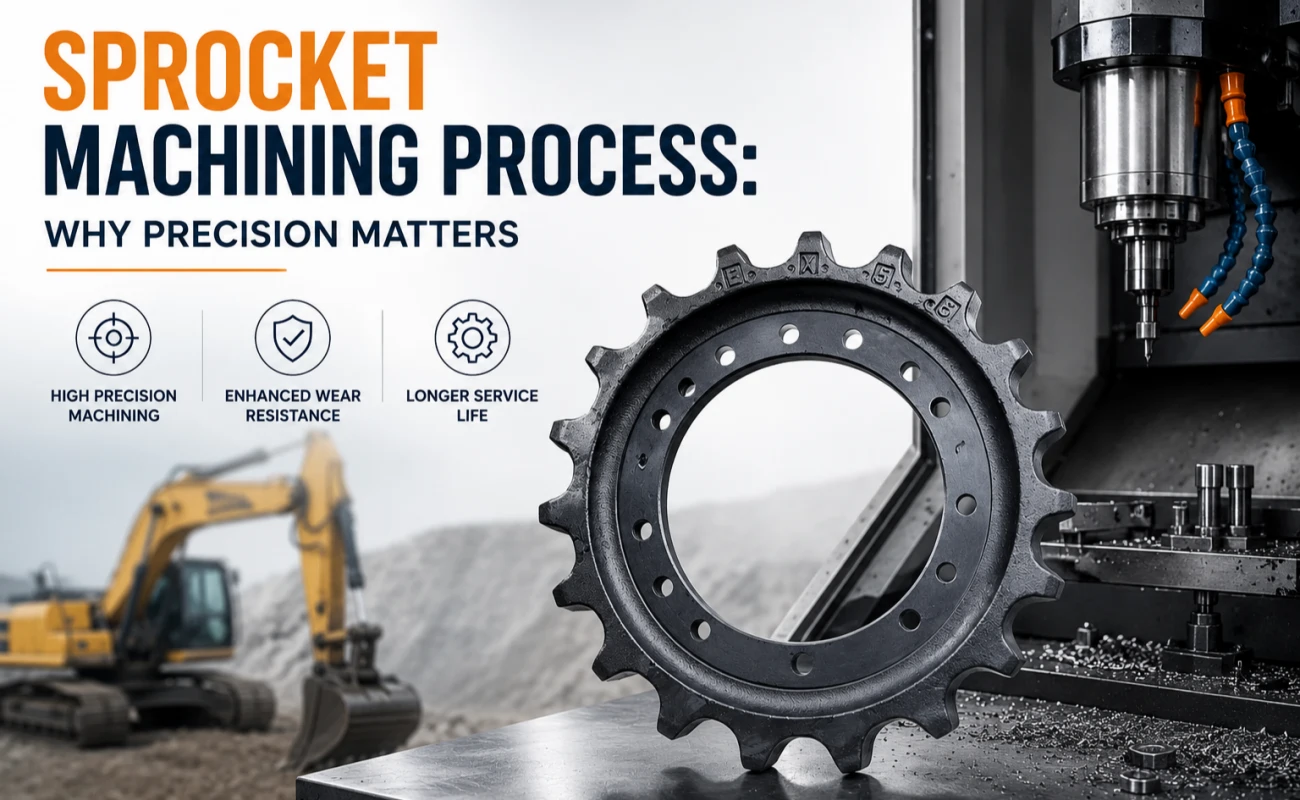
- Heavy-duty Sprockets engineered for high-impact loading
- Precision Track Rollers with sealed double bearings
- Idlers built with thick shafts and hardened surfaces
All components are compatible with major brands like Komatsu, Caterpillar, Doosan, Hyundai, Hitachi, and more—designed to meet or exceed OEM specifications.
Conclusion
The heavier the machine, the greater the demand on every moving part of the undercarriage. By choosing properly matched components and following weight-specific maintenance practices, you can drastically reduce wear, lower repair costs, and extend the lifespan of your equipment.
📩 Need help choosing the right parts for your 30, 40, or even 70-ton excavator?
Let the experts at KINTON PARTS support your fleet with OEM-level solutions.