How Excavators Undercarriage Requirements Change in Cold Weather Regions
Operating excavators in cold-weather environments isn’t just a matter of bundling up the operator. The machine itself faces very different challenges compared to working in temperate or hot climates. Nowhere is this more obvious than in the undercarriage.
In freezing temperatures, your undercarriage becomes far more vulnerable to cracking, seal failure, stiffened grease, and accelerated wear. Whether you're running machines in Siberia, northern Scandinavia, or northern Canada, understanding and adapting your undercarriage strategy for the cold is critical to equipment life and job site efficiency.
Let’s take a closer look at what really changes — and what you can do about it.
1. Cold Temperatures Affect Metal Behavior
Steel becomes more brittle as temperatures drop, especially in materials with high carbon content or insufficient heat treatment. This is particularly dangerous for high-impact components like:
- Track links and pins
- Rollers (both carrier and bottom)
- Sprocket teeth
- Idlers with forged arms
In cold climates, these parts may suffer stress cracks, chipping, or even full breakage under dynamic load — especially during rapid starts, turns, or when debris like frozen mud adds impact pressure.
✅ What to Do:
- Choose undercarriage components with low-temperature ductility ratings
- Prioritize forged and properly heat-treated parts, especially for rollers and links
- For high-impact areas, opt for materials like 40Cr or 42CrMo, which hold up better in sub-zero conditions
2. Grease and Seals Behave Differently in Cold Weather
Most undercarriage rollers and idlers are sealed and grease-lubricated. But when grease stiffens in the cold, it may not circulate properly, leading to dry-running bushings or clogged cavities. Worse, poor-quality seals can shrink, harden, or crack — letting moisture in and killing bearings silently.
✅ What to Do:
- Use low-temperature grease rated for -30°C or lower
- Ensure all seals are made of cold-resistant compounds (like HNBR or special NBR blends)
- Warm up machines slowly before heavy use — sudden movement stresses cold seals
3. Ice and Packed Snow = Built-in Abrasive
Frozen buildup under the frame or around sprockets and idlers increases rotational resistance and can cause derailment, flange damage, and chain stretching. Operators often overlook how much ice packs between links or inside roller cavities.
✅ What to Do:
- Clear undercarriage debris before and after each shift, not just once a day
- Consider installing snow scrapers or undercarriage guards
- Store machines on dry ground or platforms when idle overnight
4. Track Tension and Chain Fatigue
Rubber or steel tracks contract slightly in cold temperatures, affecting chain tension. If a machine is left overnight in sub-zero conditions with tight tracks, internal stress builds up — especially in the links, bushings, and bolts.
This can result in:
- Premature bushing cracking
- Track elongation or stiff links
- Bolt shearing, especially in high-speed travel
✅ What to Do:
- Loosen track tension slightly before parking overnight
- Check tension in the morning as temperature rises — adjust gradually
- Use sealed & lubricated chains (SALT) for better flexibility and internal protection
5. Avoiding Premature Failure with Better Specs
For companies operating in polar or alpine zones, choosing the right undercarriage supplier makes all the difference. At KINTON PARTS, we provide parts designed to handle sub-zero applications with:
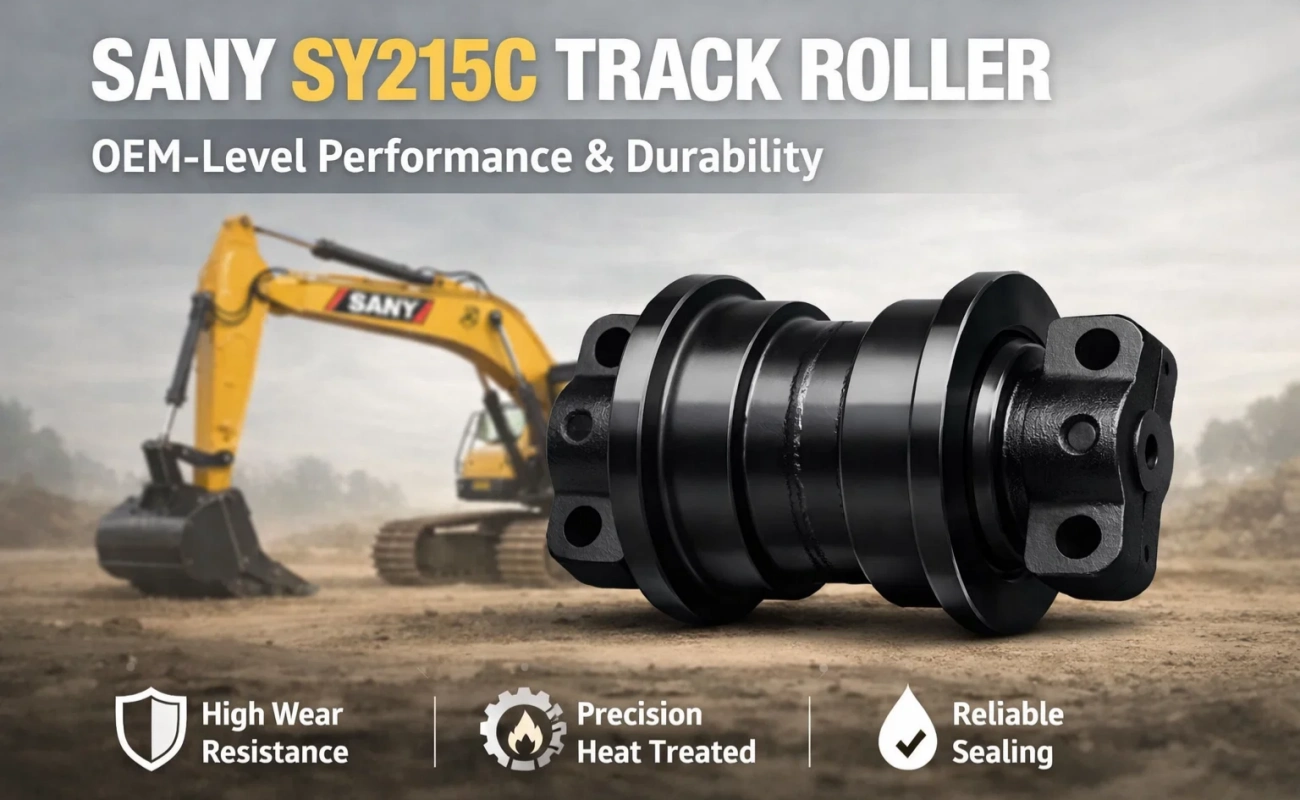
- Thick-wall forged rollers with low-temp seals
- Track chains with cold-resistant bushings and hardened links
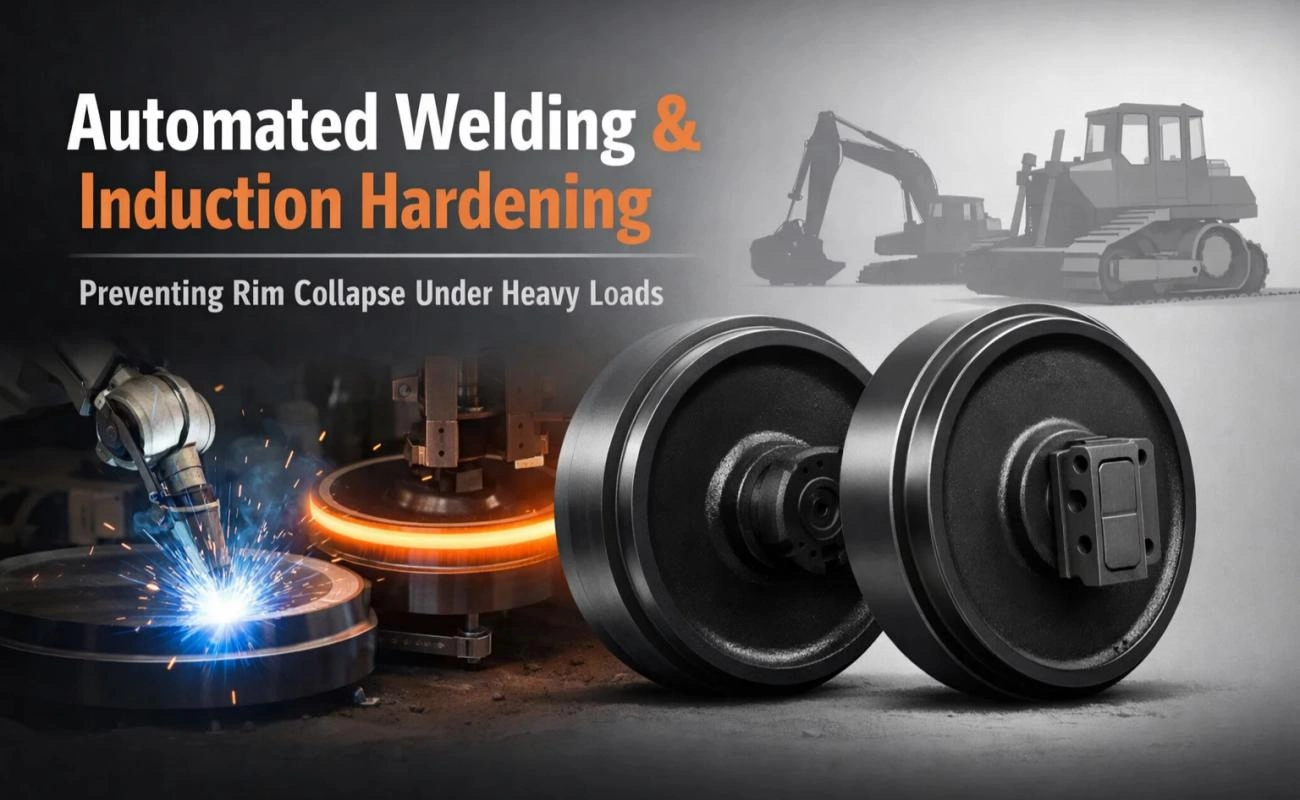
- Precision idlers with reinforced welds and shafts
- Sealing kits and cylinders with elastomers rated to -40°C
Real-World Applications: What Our Customers Ask
- “Will your rollers still hold grease after 1000+ hours in minus 20°C?”
✅ Yes — we use high-pressure internal sealing and colder-grade bearing grease - “Do I need special sprockets for icy terrain?”
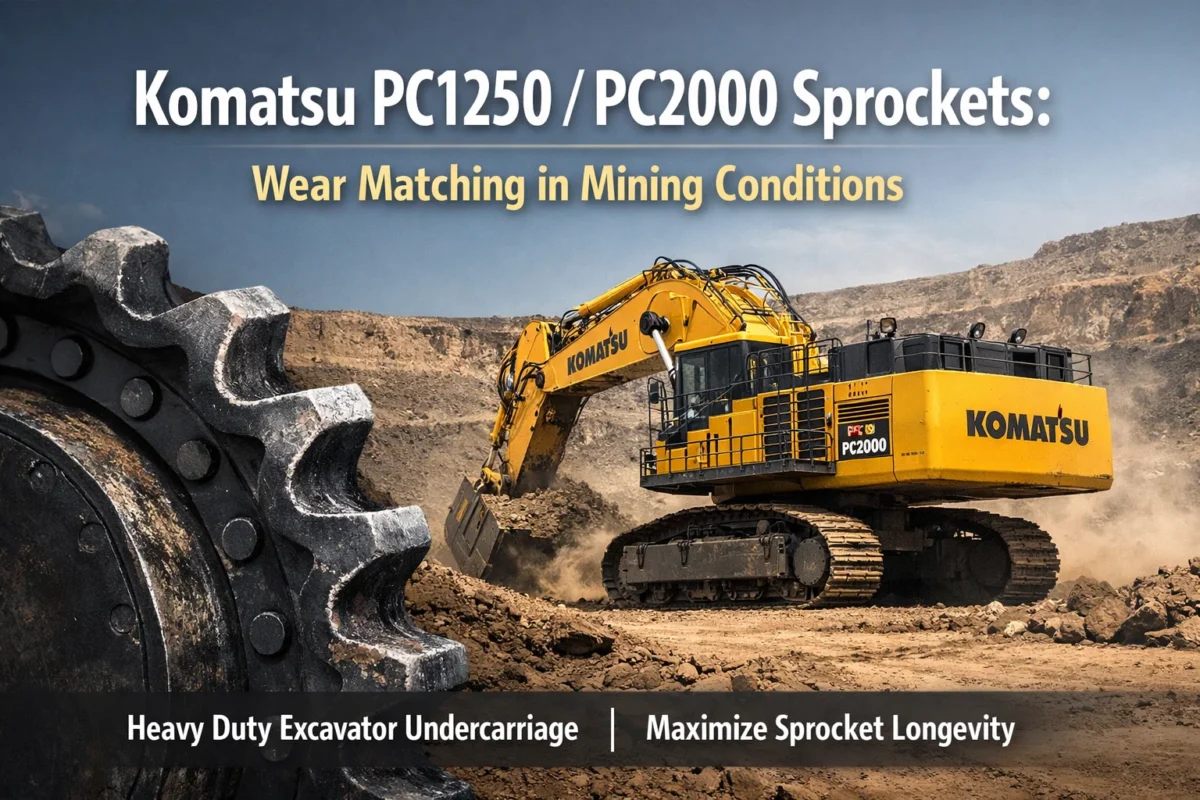
✅ You need proper tooth profile and induction hardening — especially on machines like PC200 or E320 used in snow-covered quarries - “Can you handle bulk supply to Yakutsk or northern Finland?”
✅ Absolutely. We already ship to clients in Arctic Russia and northern Europe with custom packaging for cold storage
Conclusion
In cold weather, your excavator undercarriage is more than just “at risk” — it’s under attack from every angle: freezing metal, stiff seals, rock-hard snow, and hidden stress cracks. Choosing parts built for cold-weather resilience is not optional; it’s what keeps your fleet running.
Looking for undercarriage parts you can trust through the deep freeze?
Reach out to KINTON PARTS — we build for the cold, and we deliver worldwide.
📩 [email protected] | WhatsApp: +86 199 4271 6728