Maintenance Tips

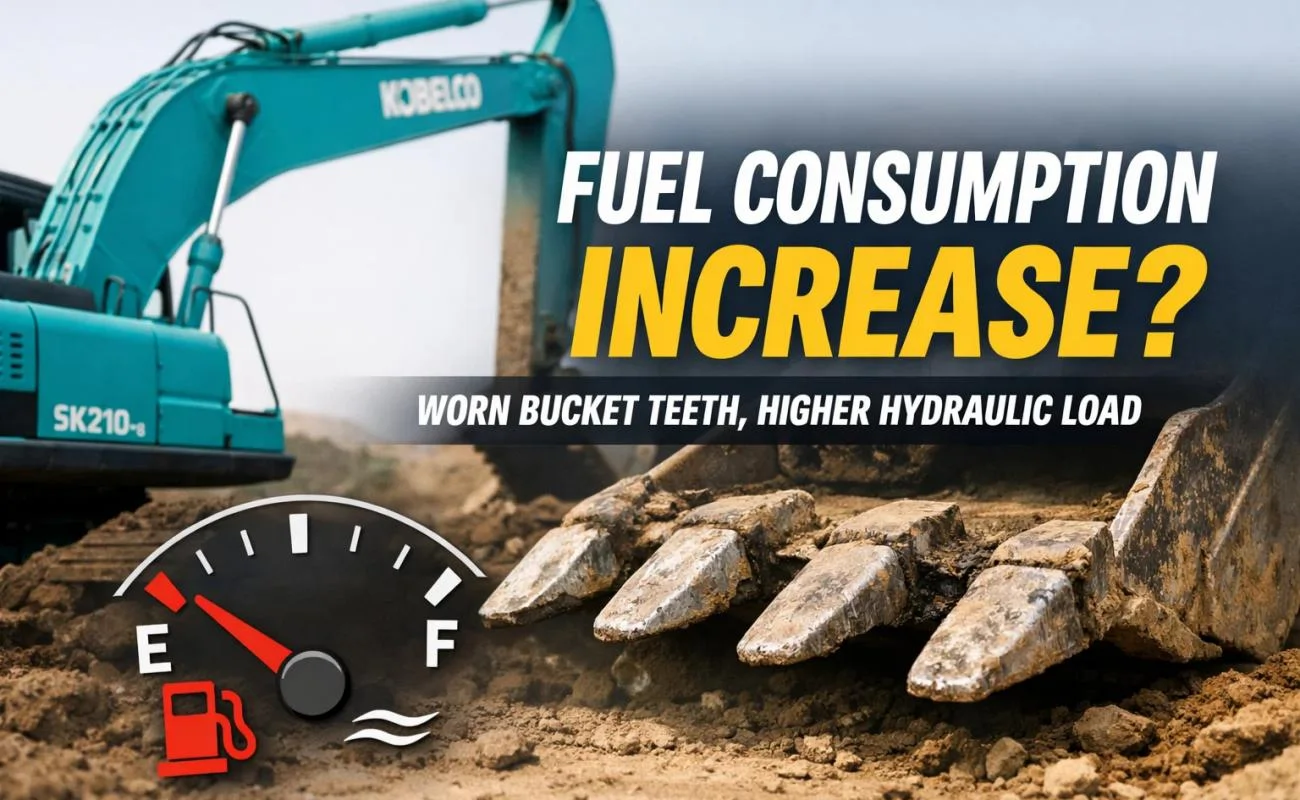
Kobelco SK210-8 Fuel Consumption Increase? How Worn Bucket Teeth Raise Hydraulic Load

Kobelco SK210-8 Worn Bucket Teeth Raise Hydraulic Load

In the 20-ton excavator segment, the Kobelco SK210-8 has long been recognized for its refined fuel control and smooth hydraulic response. Many contractors choose this model specifically for its stable fuel economy and precise load-sensing hydraulic system. However, in real-world operations, operators often notice a gradual increase in fuel consumption over time — even under the same working conditions and with consistent operating habits. The root cause is frequently overlooked. In many cases, the issue does not originate from the engine or hydraulic pump. Instead, it begins at the very front of the machine — worn bucket teeth.

1. Why the SK210-8 Is Sensitive to Digging Resistance

1.1 Load-Sensing Hydraulic Control Logic

The SK210-8 hydraulic system is designed around flow matching and load feedback control. When the bucket penetrates soil or gravel, the system automatically adjusts pump displacement and engine output based on resistance.

This intelligent balance ensures:

  • Optimized fuel efficiency
  • Stable hydraulic performance
  • Reduced unnecessary engine load

However, this control logic assumes that digging resistance remains within a reasonable design range.

1.2 What Happens When Bucket Teeth Wear Out

When bucket teeth become severely worn, the tooth tip gradually loses its sharp profile. The pointed cutting edge becomes rounded, reducing penetration efficiency.

As a result:

  • Initial material penetration becomes slower
  • Greater downforce is required
  • Cycle time increases
  • Operators apply more throttle to compensate

For the hydraulic system, this translates into:

  • Sustained high pump displacement
  • Prolonged high-pressure operation
  • Upward shift in engine load curve

The excavator still completes the job — but fuel consumption per cubic meter increases quietly and continuously.

2. The Chain Reaction Caused by Worn Bucket Teeth

Bucket tooth dulling is not just a “reduced digging ability” issue. It is a load amplification process.

2.1 Extended Cylinder Loading Time

Increased penetration resistance means the arm cylinder and bucket cylinder remain under load for longer durations.

2.2 Operator Compensation Behavior

To maintain productivity, operators often:

  • Increase engine RPM
  • Extend digging stroke duration
  • Repeat penetration attempts

This further increases hydraulic demand.

2.3 Thermal and System Stress Increase

Long-term operation in high-pressure zones leads to:

  • Increased hydraulic oil temperature
  • Accelerated oil oxidation
  • Higher seal and pump wear risk

For a model like the SK210-8, which is known for fine fuel optimization, even small changes in front-end resistance can significantly influence total fuel cost over time.

3. How Penetration Efficiency Directly Impacts Fuel Consumption

Under identical working conditions, sharp bucket teeth allow faster material entry and reduce repeated digging cycles.

Each efficient penetration cycle means:

  • Shorter actuation time
  • Reduced duration of high-pressure pump output
  • Lower sustained engine load

The fuel difference does not come from a single dramatic action — it accumulates over hundreds of digging cycles per day.

For contractors operating in earthmoving, quarrying, or truck loading applications, this difference directly affects cost per cubic meter.

4. KINTON Bucket Teeth: Designed for Penetration Efficiency

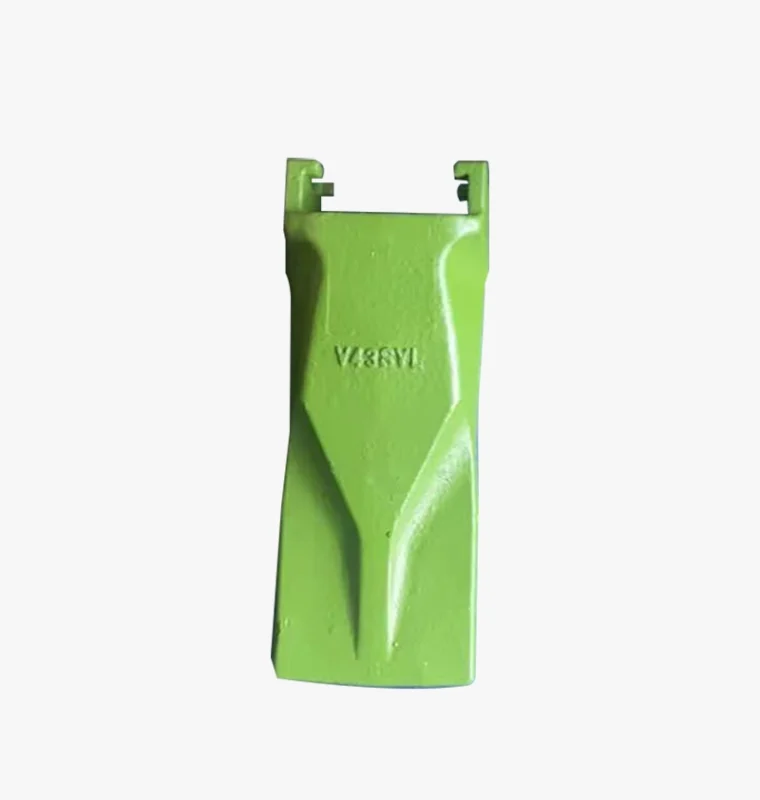
For common SK210-8 working conditions, KINTON PARTS provides high wear-resistant alloy steel bucket teeth engineered to balance strength and cutting performance.

Key technical features include:

  • Optimized hardness gradient for wear resistance and impact strength
  • Self-sharpening structural design to reduce tip rounding
  • Precision fitment to ensure uniform load distribution

In real-world applications, sharp and structurally stable bucket teeth reduce digging resistance, allowing the hydraulic system to operate within its optimal efficiency range.

When the machine does not need to “work harder,” fuel consumption naturally decreases.

Conclusion: Fuel Saving Is Not Only About the Engine

Many operators focus on injectors, filters, or hydraulic pump efficiency when fuel consumption rises. However, digging resistance itself plays a critical role in overall energy consumption.

For a load-sensitive machine like the Kobelco SK210-8, bucket tooth condition is a key factor influencing fuel efficiency curves.

Timely replacement of worn bucket teeth restores digging efficiency and reduces system load through a cascading decompression effect.

For high-intensity operations, this simple maintenance action can become an effective long-term cost control strategy.

For bucket tooth model confirmation or adapter matching, provide your machine details and working conditions. KINTON PARTS can recommend suitable wear grades and tooth profiles based on your application.