Product Applications

Hydraulic Cylinder Rebuild vs Replacement: Opportunities for Parts Distributors

hydraulic cylinder rebuild or replacement

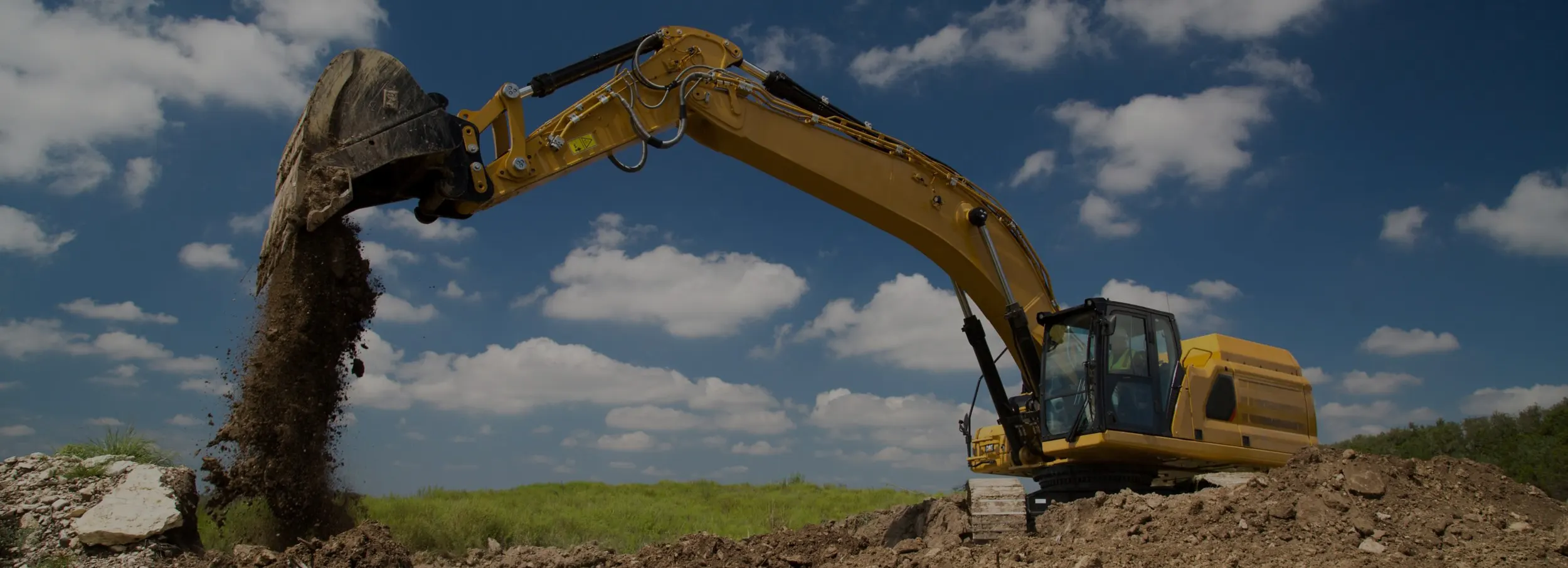
In the construction and earthmoving industries, hydraulic cylinders are critical to the daily operation of excavators, loaders, bulldozers, and other heavy machinery. Whether powering the boom, arm, bucket, or blade, cylinders bear extreme pressures and repetitive cycles of force. Over time, seals degrade, rods wear, and barrels suffer from scoring or corrosion. At this point, equipment owners are faced with a decision: should they rebuild the hydraulic cylinder or replace it altogether?

For distributors of spare parts, understanding the market dynamics of rebuilds versus replacements is key to capturing demand and aligning inventory with customer expectations. This balance can open significant opportunities in seals, rods, barrels, and even complete replacement cylinders.

The Case for Rebuilding Hydraulic Cylinders

Rebuilding offers operators a cost-effective way to extend the life of existing equipment. In many markets, especially in Asia, Africa, and Latin America, equipment owners are cost-conscious and lean toward repair rather than outright replacement.

A rebuild typically involves:

  • Seal replacement: the most common wear point, restoring pressure retention.
  • Rod re-chroming or replacement: addressing surface wear and pitting.
  • Barrel honing: removing scoring and restoring smooth operation.
  • Component reassembly: ensuring tolerances are within OEM specifications.

From a distributor’s perspective, rebuild demand translates into strong, recurring sales of seal kits, piston rods, and wear components. These items are affordable to stock, relatively easy to ship, and compatible across a wide range of cylinder sizes. Distributors who promote seal kit availability and highlight their role in rebuild efficiency are well-positioned to serve workshops and fleet operators.

When Replacement Becomes the Preferred Option

Despite the advantages of rebuilding, there are circumstances where replacement is unavoidable:

  • Severe damage: bent rods, cracked barrels, or heavily corroded tubes.
  • Downtime concerns: when urgent projects require quick turnaround, a ready-to-install cylinder saves time.
  • Warranty requirements: some contractors and rental fleets prefer new units to meet performance and reliability standards.
  • Total cost analysis: in cases where repair costs approach 60–70% of a new unit, replacement often makes more sense.

This creates steady demand for complete hydraulic cylinders—arm, boom, and bucket cylinders—across all major excavator brands. Distributors catering to this demand must manage larger inventory investments, but margins and sales values are significantly higher compared to seals or rods.

Market Trends Driving Demand

The balance between rebuild and replacement is shaped by regional and operational factors:

  1. Emerging markets: rebuilds dominate due to price sensitivity, limited access to OEM replacements, and the presence of local repair workshops. Seal kits and rods are steady best-sellers.
  2. Developed markets: replacement is more common, especially where labor costs are high and equipment downtime is expensive. Contractors may prefer complete cylinders for reliability.
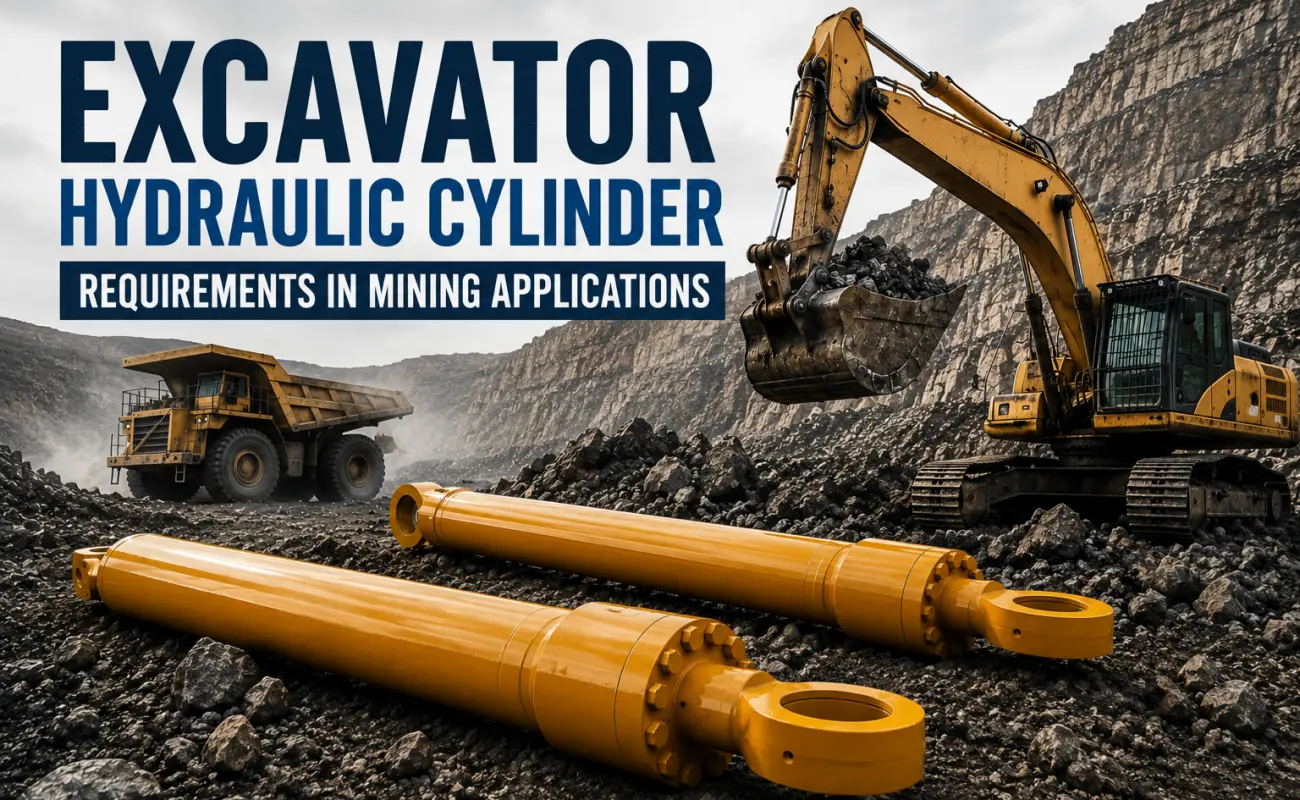
  3. Heavy-duty applications: mining and quarrying operations put extreme stress on cylinders. Here, frequent replacements of seals and rods are common, and full cylinder replacements are not unusual.
For distributors, these trends underline the importance of tailoring stock to market conditions. A one-size-fits-all approach rarely works—regional preferences must guide stocking decisions.

Opportunities for Parts Distributors

By positioning themselves strategically, parts distributors can benefit from both sides of the market:

  • Promote seal kits as a first-line solution: highlight affordability, easy storage, and compatibility with multiple models. Educational marketing—such as showing workshops how to identify the right kit by part number—can boost customer confidence.
  • Bundle seals with rods and pins: offering packages for rebuild shops increases sales volume and simplifies procurement for customers.
  • Stock popular replacement cylinders: for high-demand models like CAT 320, Komatsu PC200, or Hitachi EX200, having complete cylinders ready can secure urgent sales.
  • After-sales support: providing technical guidance on whether to rebuild or replace positions distributors as trusted partners rather than just suppliers.

Distributors who recognize that customers’ decisions vary depending on the age of equipment, application, and financial priorities can adjust their marketing accordingly.

Positioning for Long-Term Growth

Hydraulic cylinder rebuild vs replacement is not an “either/or” market—it’s a spectrum. Successful distributors learn to meet both needs by offering a balanced product portfolio. In regions where rebuilds dominate, focus on seals, rods, and related wear parts. In markets where replacements are preferred, invest in stocking full cylinders for popular excavator models.

At the same time, distributors should anticipate growing demand for higher-quality seals and wear-resistant rods. Contractors are increasingly aware that substandard components can lead to premature failures and higher long-term costs. Promoting quality as a differentiator not only protects customer satisfaction but also strengthens brand loyalty.

Conclusion

Hydraulic cylinders are the beating heart of earthmoving machinery, and their maintenance cycle presents ongoing opportunities for the spare parts industry. By understanding when operators rebuild and when they replace, distributors can stock smarter, market more effectively, and build long-term relationships with their customers.

For those looking to expand their footprint, combining seal kits, rebuild components, and complete cylinders in a cohesive offering ensures coverage across the full spectrum of demand. The more closely distributors align with customer needs, the more likely they are to achieve steady growth in this essential market segment.