


How to Identify Abnormal Wear in Track Chains Before It’s Too Late


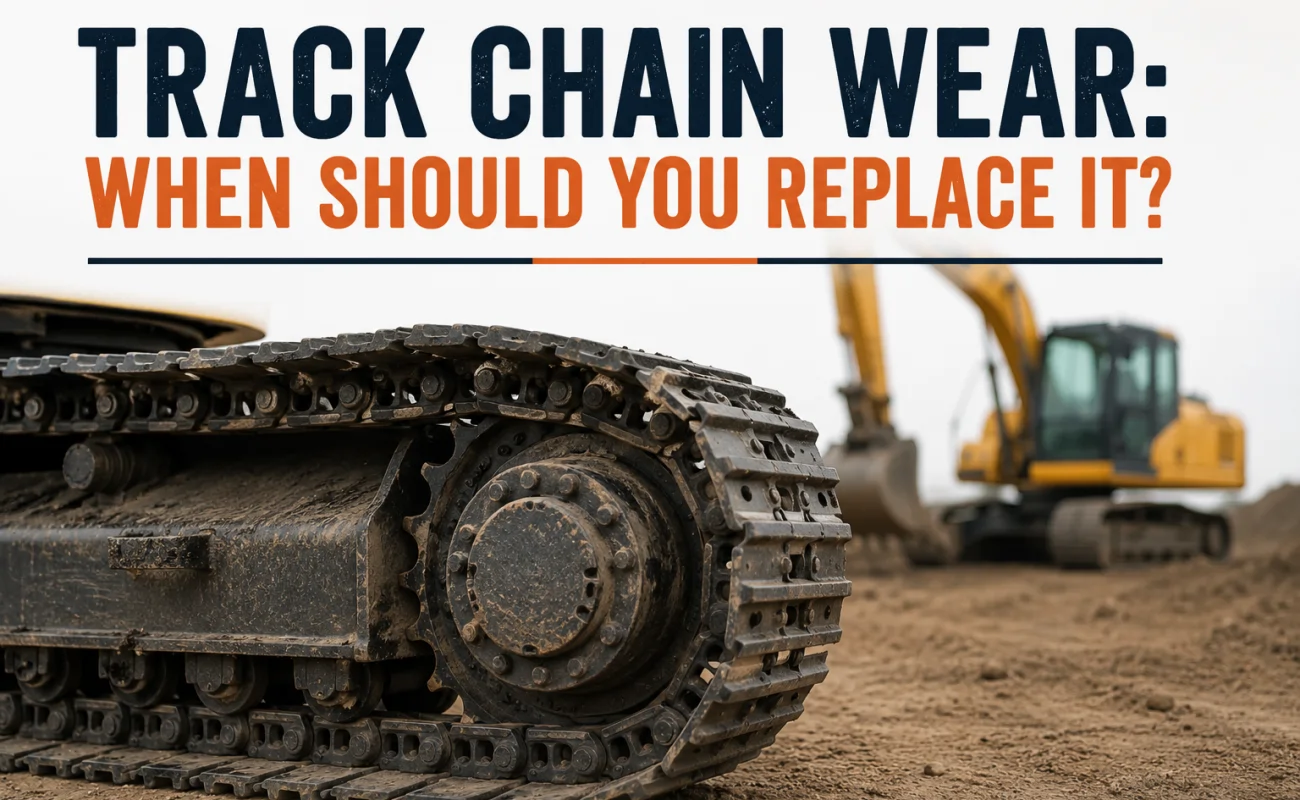
Track chains are at the heart of every crawler machine’s undercarriage system. They carry the entire weight of the excavator or bulldozer, transferring power from the drive sprocket to the ground. Yet, despite their critical role, track chains are often neglected until visible damage occurs—by which time, replacement costs are inevitable. Detecting abnormal wear early can prevent downtime, save on costly rebuilds, and extend the life of other undercarriage components such as sprockets, track rollers, and idlers. Understanding what to look for during routine inspections is the key to staying ahead of failure.
Understanding How Track Chains Wear
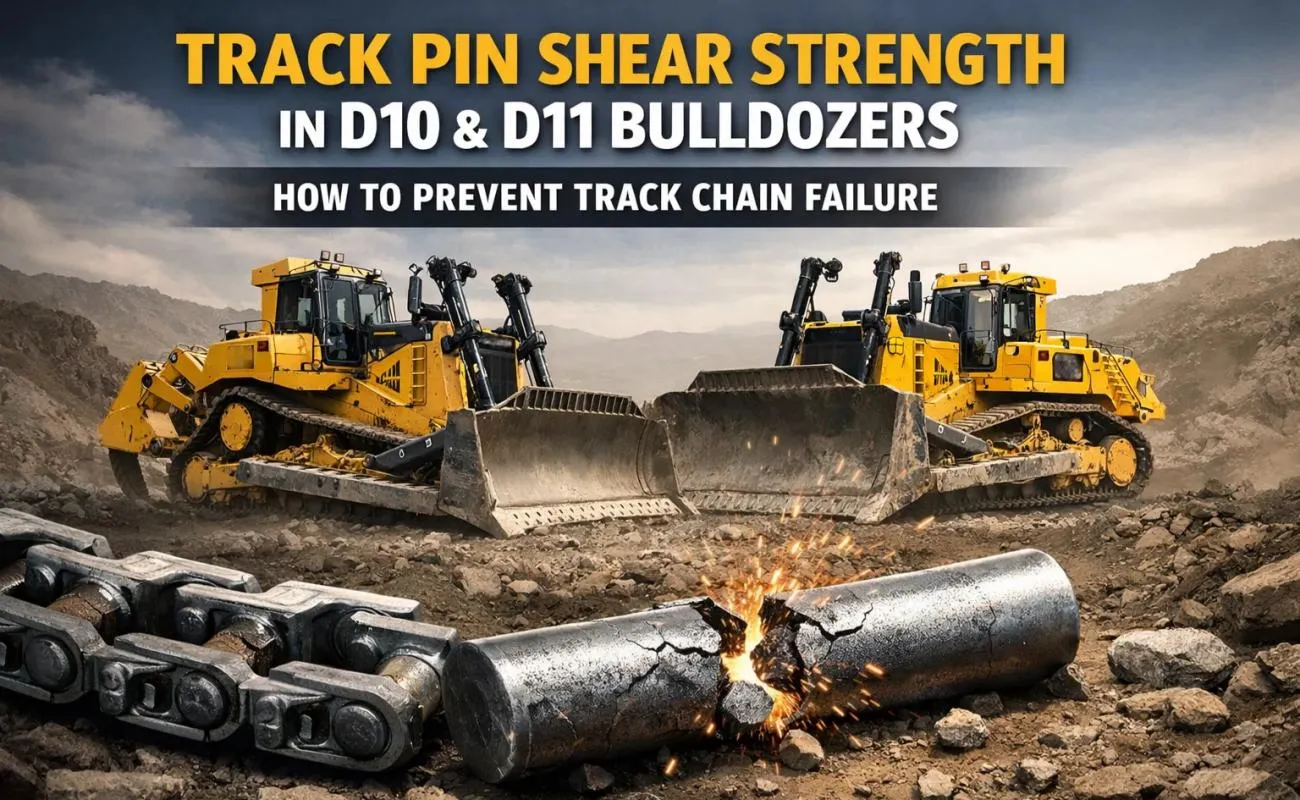
In normal operation, track chain wear occurs gradually as metal-to-metal contact happens between the pins, bushings, and links. Every movement of the machine causes slight friction and elongation in the pin-and-bushing assemblies. Over time, this elongation accumulates, eventually increasing the pitch (the distance between pin centers) and causing the chain to “stretch.” However, abnormal wear accelerates this process. Factors such as poor lubrication, contaminated soil, excessive tension, or misalignment can lead to uneven loading and premature metal fatigue. Once the chain pitch increases beyond the manufacturer’s limit, the sprocket teeth no longer mesh properly, resulting in further wear and a sharp drop in undercarriage efficiency.
Measuring Track Chain Elongation in the Field
One of the most reliable ways to detect abnormal wear is by measuring the track chain's pitch elongation. The following simple diagnostic steps are commonly used by experienced field technicians:
- Clean a section of the track chain – Dirt and mud can prevent accurate measurements.
- Select a section that includes at least five links.
- Measure the total length across multiple links – Use a steel tape measure or caliper to measure from the center point of one pin to the same center point of a pin several links away.
- Compare with the nominal pitch – Divide the total measurement by the number of pitches measured. Compare this average value with the original factory specification.
- Evaluate the percentage of elongation – If the elongation exceeds about 1.5%–2%, the chain is considered severely worn and should be investigated further.
It's important to note that elongation does not always occur uniformly. Some overly tight or overly loose joints may indicate uneven wear in certain sections due to contamination or lack of lubrication.
Visual Indicators of Abnormal Wear
Beyond measurement, there are several visible warning signs of abnormal track chain wear:
- Pin heads are polished or flattened – Indicating excessive lateral play or misalignment.
- Blue discoloration around the bushings – Signifying excessive heat generated by friction, usually due to poor lubrication.
- Uneven bushing wear pattern – If one side of the bushing is more severely worn, the track alignment or tension may be incorrect.
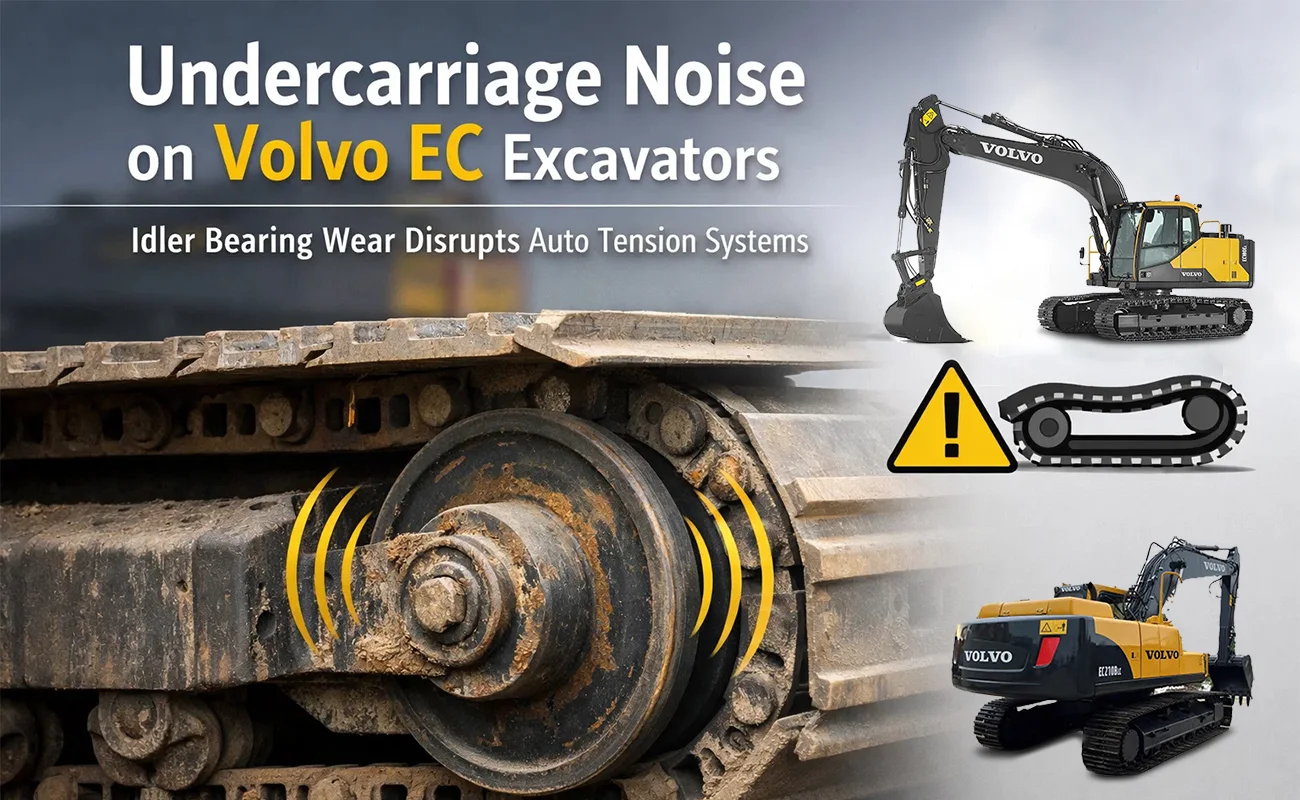
- A "popping" or noisy sound during operation – A sign that the stretched chain or damaged bushings are not engaging smoothly with the drive sprocket teeth.
- Visible gaps between the links – This means the pin-to-link connection has loosened, a common precursor to pin failure.
If any of these symptoms appear, maintenance should be scheduled immediately. Ignoring them can lead to complete chain failure or damage to adjacent components (such as the drive sprocket).
Checking Track Tension and Alignment
Incorrect track tension is one of the most common causes of accelerated wear. An overly tight chain increases the stress on every pin and bushing during operation, while an overly loose chain can cause "slapping," impacting the idler and track rollers. To ensure proper tension:
- Park the machine on flat ground.
- Slightly raise one side of the track off the ground.
- Measure the sag between the bottom track roller and the track chain.
- Consult the manufacturer's manual for the ideal sag range (typically 30–50 mm for medium excavators).
Regularly adjusting the tension based on terrain and usage frequency helps balance wear and reduce stress on components.
Environmental and Operating Factors
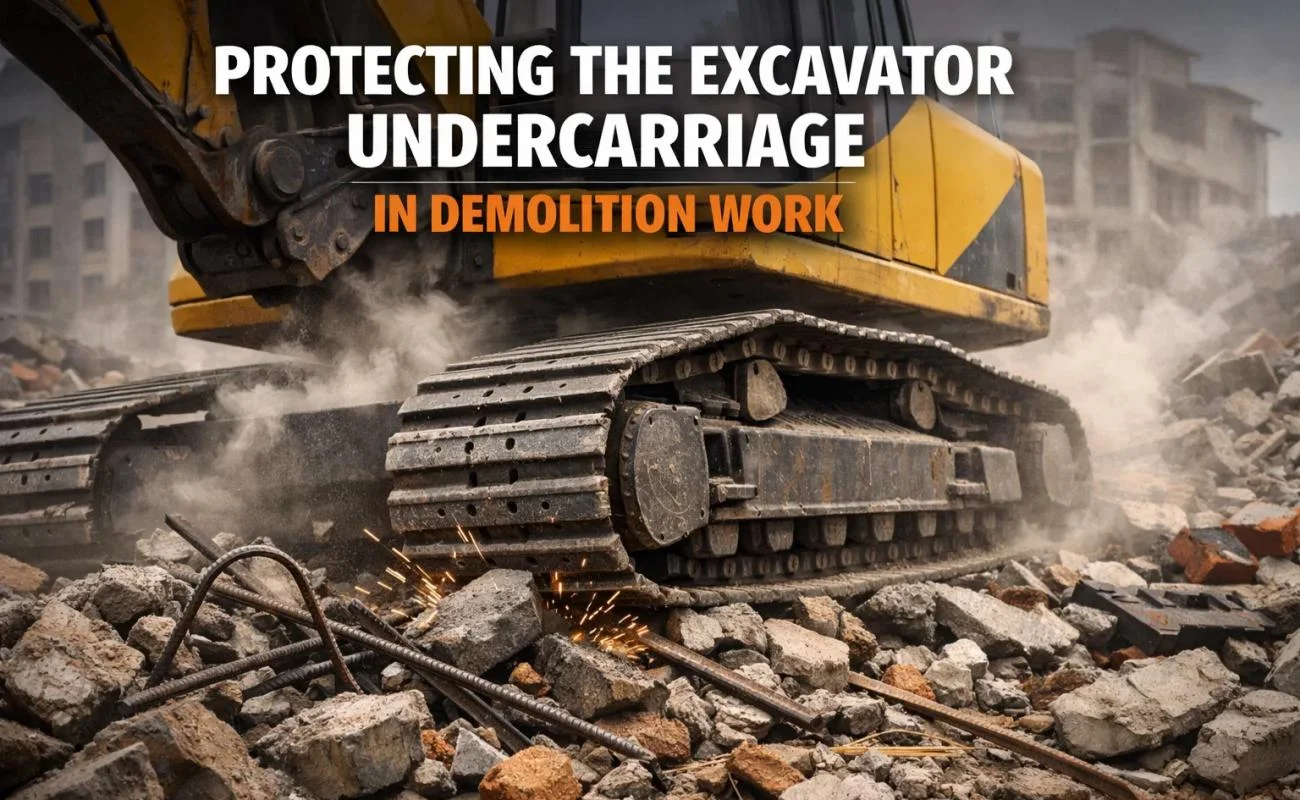
Job site conditions directly affect the wear rate. Operating in muddy or sandy environments can lead to abrasive contamination, while rocky terrain introduces impact stress to the links and bushings. Regularly cleaning the undercarriage—especially after working in clay or wet soil—prevents debris from hardening around the chain and acting like grinding paste. For machines operating in mining or quarry work, hardfacing or induction-hardened bushings may be necessary to withstand the impact loads.
When to Rotate or Replace Pins and Bushings
Pin and bushing rotation is an effective way to restore track geometry and delay full chain replacement. Typically, this is done once the bushing wear limit is reached but before excessive elongation occurs. Rotating the bushings exposes the unworn side to sprocket contact, which can extend service life by up to 30%. However, if wear has already reached the link bores or pin seats, replacement is the only option. Running a chain past its wear limit not only causes performance issues but can also damage the travel motor and final drive assembly.
Conclusion
Early detection of abnormal wear in track chains is both a cost-saving and safety measure. By combining regular inspection, accurate pitch measurement, and attention to visible warning signs, operators can catch problems before they escalate into costly repairs. Dealers and maintenance teams that educate customers on these preventive practices also gain a competitive advantage—offering not just parts, but genuine reliability support. After all, extending track chain life isn’t just about stronger steel; it’s about smarter maintenance.