Product Applications

Why the Idler Wheel Is More Than Just a Tension Guide

Idler Wheel Is More Than Just a Tension Guide

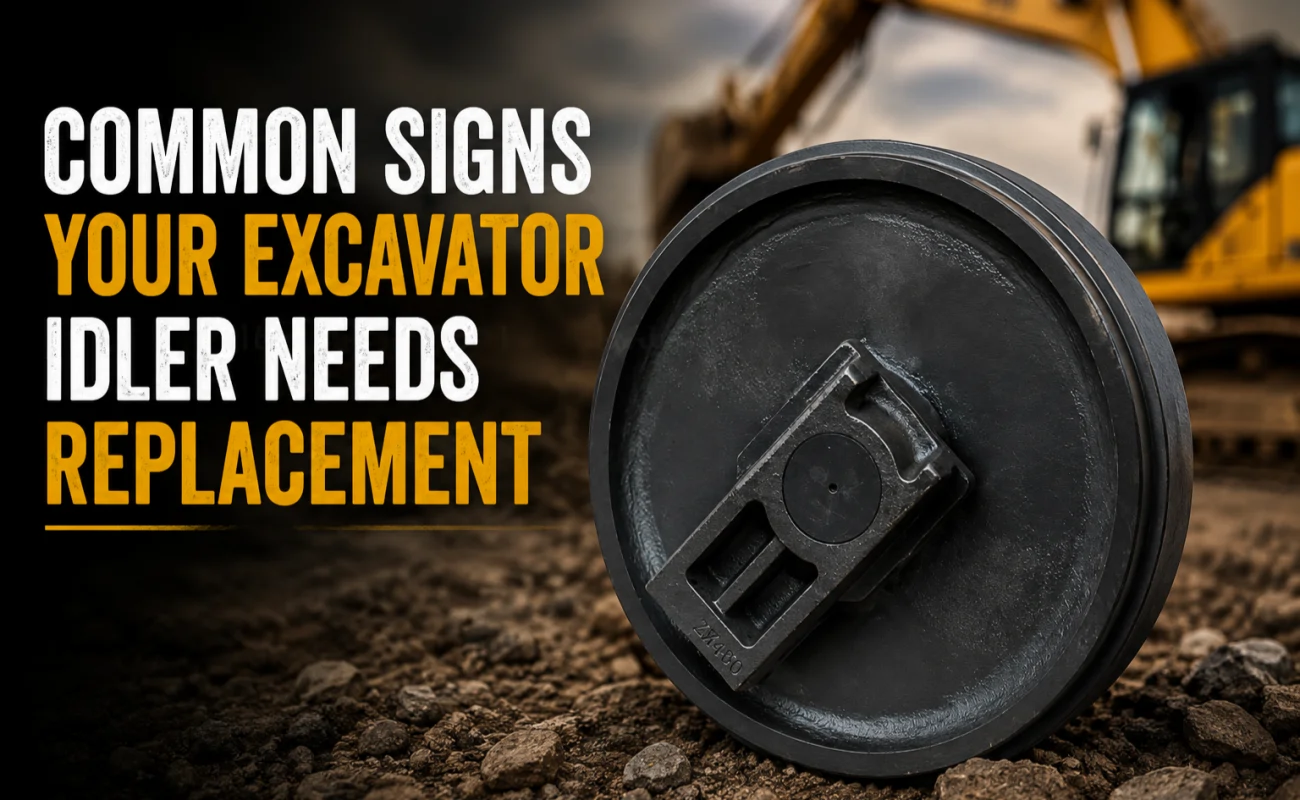
In the world of excavator and bulldozer undercarriages, the role of the idler wheel is often underestimated. Many operators view it merely as a component that maintains track tension—but its function goes far beyond that. A well-engineered idler not only ensures proper alignment of the track chain but also plays a critical role in absorbing shock loads, stabilizing track motion, and distributing undercarriage stress evenly. Understanding these functions helps both end users and dealers appreciate why idlers are a key determinant of machine uptime and long-term performance.

Maintaining Precise Track Alignment

The idler wheel is positioned at the front of the track frame, guiding the track chain as it rotates around the undercarriage. When properly aligned, it keeps the track centered, preventing derailment or uneven side wear. However, when an idler is worn or misaligned, operators may notice the track drifting to one side—a condition that accelerates wear on both the links and track rollers.

Modern idlers are designed with precise machining tolerances and hardened guide flanges to maintain consistent alignment even under high-impact conditions. This ensures smooth operation, reduced vibration, and lower overall maintenance costs for the entire track system.

Absorbing Shock and Reducing Vibration

Beyond guidance, the idler acts as a shock absorber. During digging or traveling over uneven terrain, the undercarriage experiences continuous impact forces transmitted through the track shoes and track rollers. The idler works in conjunction with recoil springs and hydraulic adjusters to help cushion these forces—thereby reducing stress on the track frame, track rollers, and final drive assembly.

High-quality idlers are heat-treated, achieving a surface hardness of about HRC 52–58, which provides wear resistance while maintaining a tough core for shock absorption. This balance of hardness and flexibility is critical for machines operating in rocky or abrasive environments.

Load Distribution and Contact Stability

Another often-overlooked role of the idler wheel is its contribution to load distribution. By smoothly guiding the track chain at the front end, it ensures that the loads generated by the machine's weight and working forces are evenly dispersed across all track rollers and track shoes.

Without this balance, specific track rollers or links will bear excessive pressure, leading to premature failure. Even minor deviations in load distribution can significantly affect track wear patterns over the long term. A well-engineered idler minimizes this risk, promoting uniform wear across the track assembly, and extending the lifespan of related components.

Material Engineering Behind Durability

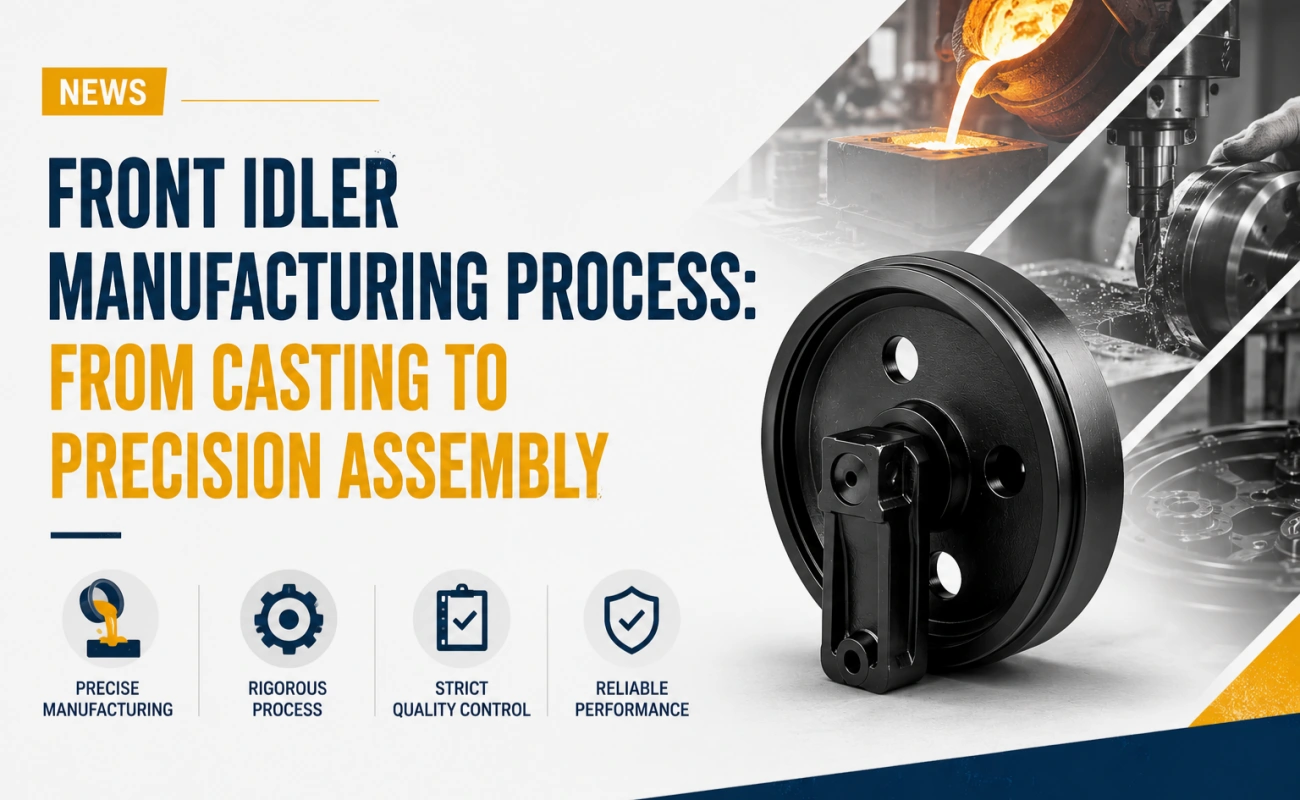
The reliability of an idler largely depends on the materials and heat treatment processes used in its manufacturing. Most high-end idlers are forged or cast using 50Mn or 40Mn steel, followed by induction hardening to achieve deep wear resistance on the tread surface.

The bushing and bearing areas are precision-ground to ensure a tight seal and smooth rotation. Furthermore, an effective sealing system—often consisting of floating oil seals and O-rings—prevents dust, moisture, and abrasive particles from entering the bearing cavity. This protection is vital for extending service intervals, especially on mining, forestry, or heavy construction sites where contamination is unavoidable.

Signs of Idler Wear and Maintenance Tips

Dealers and operators should regularly check for visual wear indicators such as flange thinning, surface cracking, or excessive oil leakage. Uneven wear on the idler tread can also indicate a misaligned track chain or worn recoil spring.

Periodic lubrication of the bearing assembly (where applicable) and maintaining proper track tension help reduce unnecessary stress on the idler. Replacing an idler before it fails completely is not only safer but also prevents costly damage to related components such as the track adjuster and roller frame.

Partnering with a Trusted Supplier

For dealers looking to provide reliable undercarriage solutions, partnering with an experienced manufacturer is crucial. KINTON PARTS offers idler wheels engineered for long service life, using high-quality steel, precision machining, and advanced heat treatment processes. Each idler is tested for hardness, concentricity, and sealing integrity before delivery. By working with us, distributors gain access to a full range of idlers compatible with major brands like Caterpillar, Komatsu, Hitachi, Hyundai, and Doosan, along with consistent supply and OEM-level support. Together, we help ensure your customers’ machines stay productive—mile after mile, job after job.