Maintenance Tips

Excavator Undercarriage Wear Limits: When to Replace Track Chain and Roller

Replace Track Chain and Roller

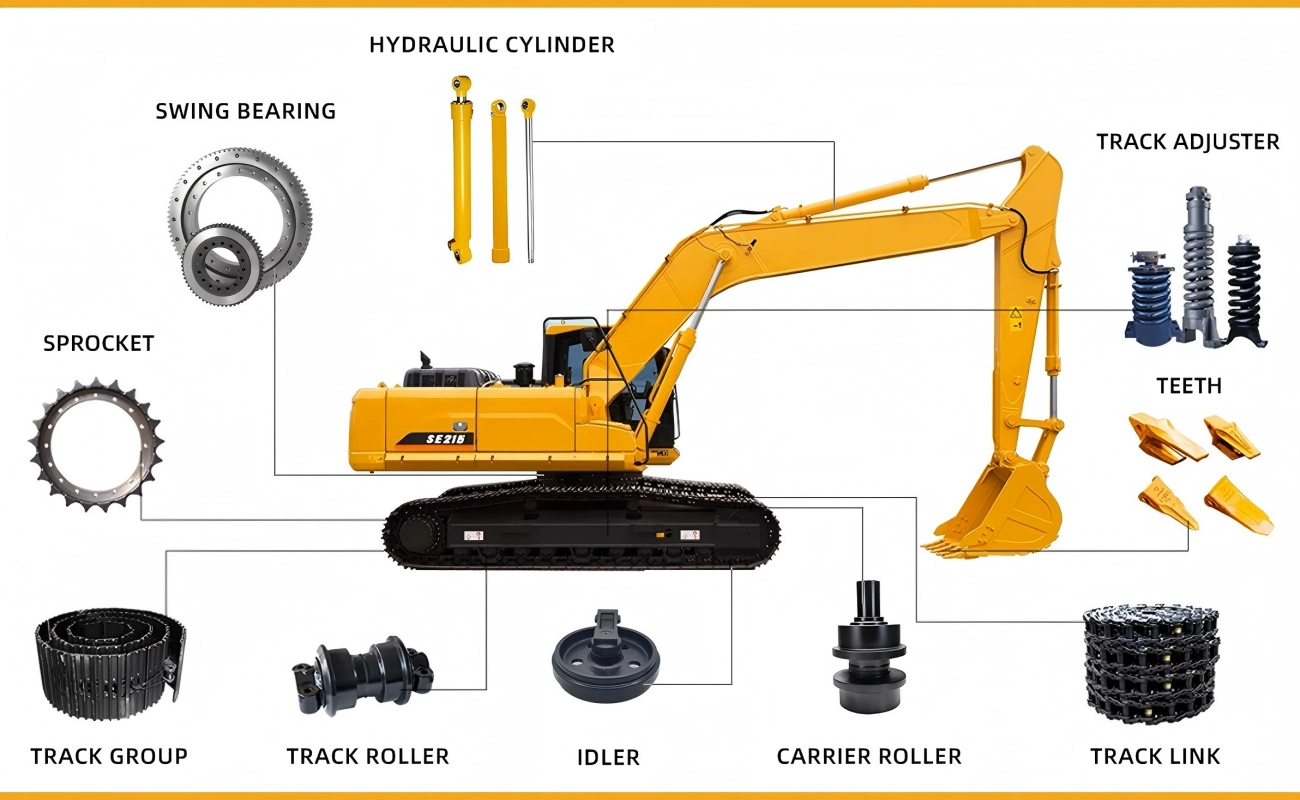
Excavator undercarriage wear limits are a critical factor in maintenance planning, especially when deciding when to replace track chains, identifying track roller wear limits, and managing overall undercarriage wear in excavators. Many operators struggle with questions like how to measure track chain elongation, how to know when track rollers need replacement, or how to avoid excessive wear that leads to costly downtime. In real working conditions, components such as track chains, track rollers, and sprockets are constantly exposed to dirt, sand, and impact, making wear inevitable. However, the real challenge is not simply identifying worn parts, but determining when that wear begins to affect system matching—once this happens, continued operation often accelerates damage across the entire undercarriage system.

Why Wear Limits Matter More Than Visible Damage

The Hidden Cost of “Still Usable” Parts

On many job sites, replacement decisions are based on visual judgment—if the part is still working, it continues to be used. But for undercarriage systems, once components exceed their wear limits, they enter a stage of accelerated wear, even if they are still operational.

How Overused Components Affect the Entire System

When wear exceeds acceptable limits:

  • Track chain elongation disrupts proper engagement with the sprocket
  • Increased impact and “jumping” occur during operation
  • Track misalignment leads to uneven roller wear

At this point, the issue is no longer a single worn part—but a system that is no longer properly matched.

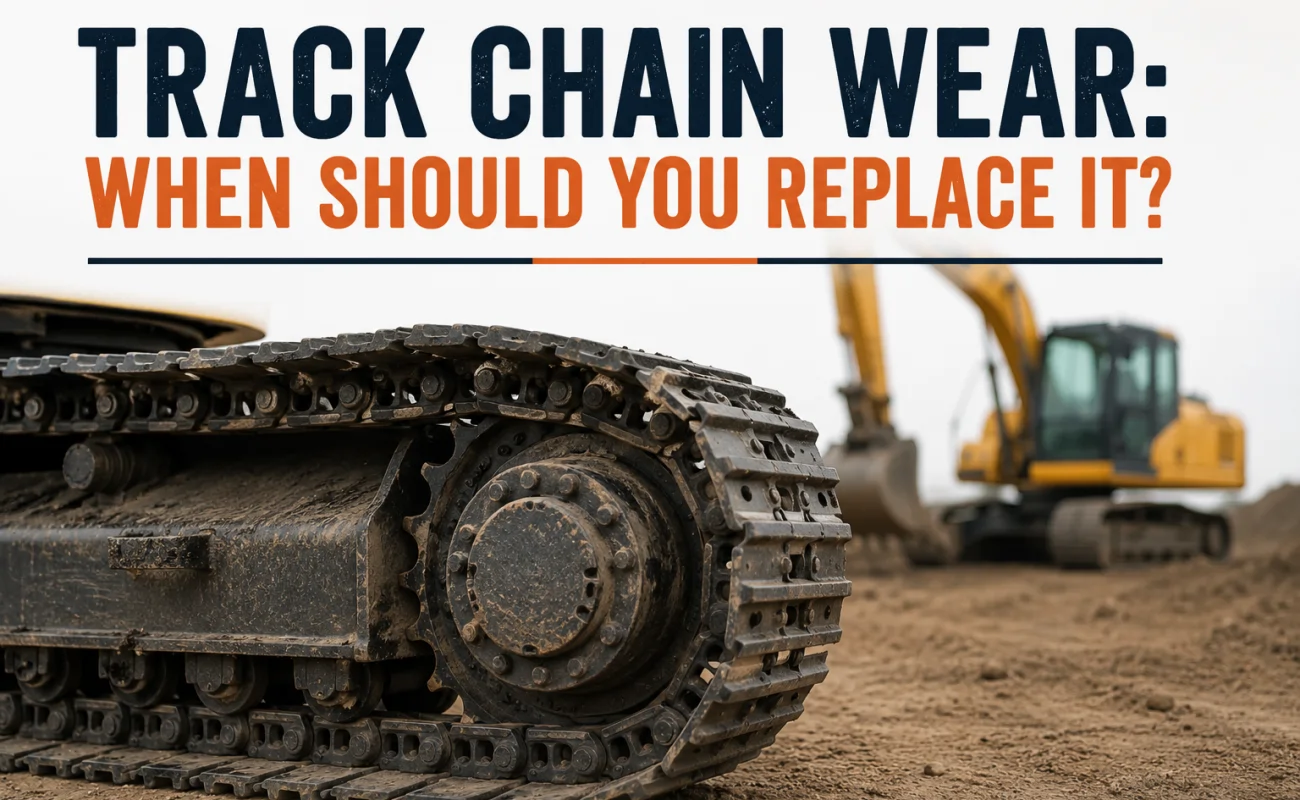
Track Chain Wear: Focus on Pitch Elongation

What Causes Track Chain Wear

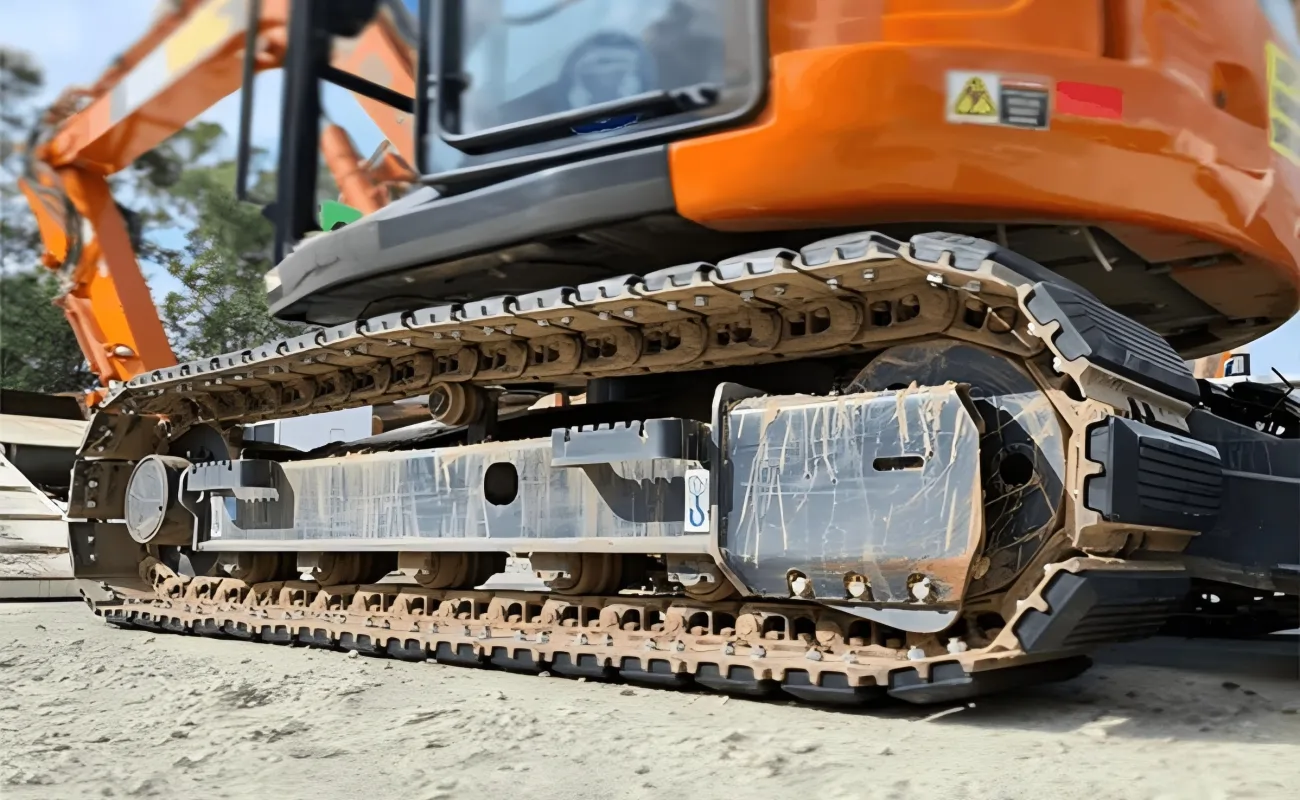
Track chain wear is primarily caused by internal wear between pins and bushings, which gradually increases the pitch length.

Key Signs That Replacement Is Needed

Operators should watch for:

  • Loose tracks even after proper tension adjustment
  • Irregular engagement or “skipping” with the sprocket
  • Accelerated sprocket wear

Wear Limit Reference

In most cases, when track chain elongation reaches around 3%, replacement should be considered.

Continuing to use the chain beyond this point will:

  • Reduce remaining chain life significantly
  • Accelerate wear on sprockets and track rollers

Track Roller Wear: The Hidden Factor

Why Roller Wear Is Less Obvious

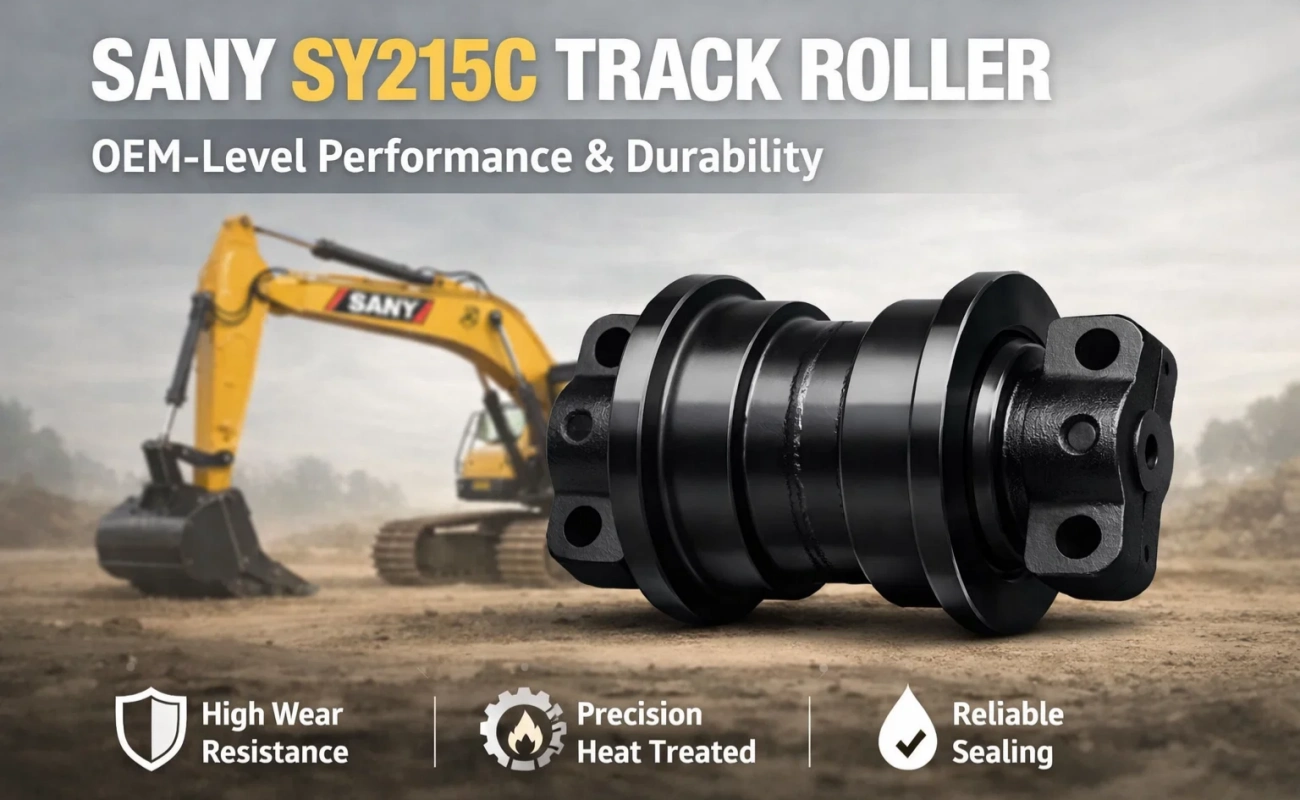
Unlike track chains, track roller wear is often gradual and less visible. Instead of sudden failure, rollers typically wear down slowly or suffer from seal failure.

Common Warning Signs

Watch for the following:

  • Outer diameter wear reaching 3–5 mm (limit range)
  • Uneven or side wear patterns
  • Poor rotation or sticking
  • Oil leakage or abnormal noise

Impact on the Undercarriage System

Worn track rollers alter load distribution across the track chain, increasing stress on specific links and accelerating chain wear.

This is why replacing only the track chain without addressing worn rollers often fails to improve overall lifespan.

Why Track Chains and Rollers Must Be Evaluated Together

A System, Not Individual Parts

A common mistake in undercarriage maintenance is replacing only the visibly worn component.

In reality:

  • Elongated chains change the contact position on rollers
  • Worn rollers affect how force is distributed across the chain

Better Strategy: Matched Replacement

When components approach wear limits—especially on machines with high operating hours—it is often more cost-effective to replace them as a matched set rather than individually.

How to Make Better On-Site Judgments

Simple Inspection Methods

Even without advanced tools, operators can improve accuracy by:

  • Checking whether wear is uniform across components
  • Evaluating operating conditions (mud, sand, rock, impact)
  • Monitoring machine behavior during travel

Use Measurements When Possible

Whenever possible, measure:

  • Track chain pitch
  • Track roller diameter

Keeping records of these measurements helps improve long-term maintenance planning.

The Hidden Cost of Late Replacement

Many operators try to maximize usage by pushing components to their absolute limit—but this often exceeds the practical wear limit.

Consequences include:

  • Accelerated wear of sprockets and chains
  • Reduced machine efficiency and increased fuel consumption
  • Unexpected downtime and repair delays

In contrast, replacing parts at the right time helps maintain predictable costs and stable performance.

Conclusion

Undercarriage wear in excavators is unavoidable—but it can be effectively managed.

For track chains and track rollers, the key is not extending usage to the absolute limit, but identifying the right replacement point to maintain system balance. Once wear begins to affect component matching, continued operation often leads to higher overall costs.

With proper inspection, timely replacement, and a system-based approach, operators can significantly extend undercarriage life while reducing long-term operating expenses.

KINTON PARTS provides reliable undercarriage components, including track chains and track rollers, designed for stable performance under demanding working conditions.

Feel free to contact us for professional support and customized undercarriage solutions tailored to your operation.