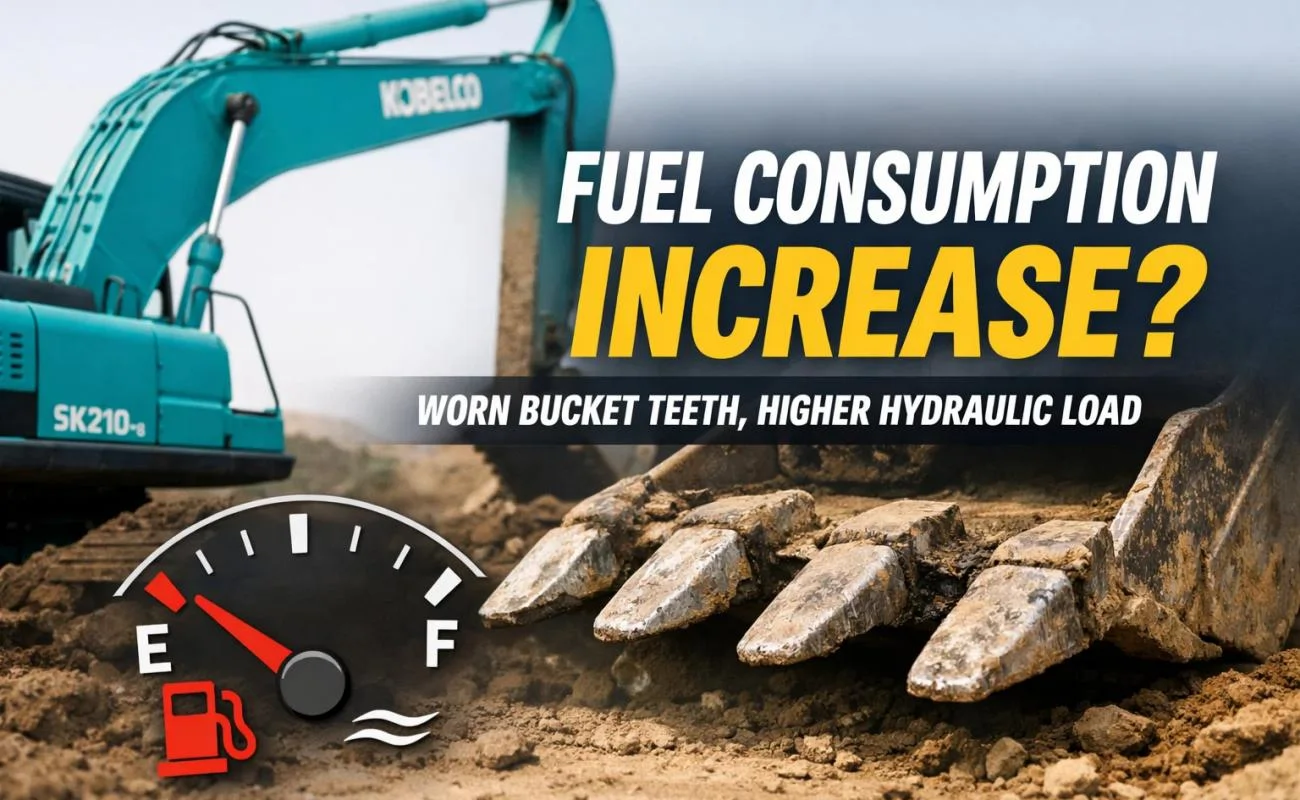
Forged Excavator Bucket Teeth for Durable and Efficient Digging
Forged excavator bucket teeth are a game-changer in the excavation industry, offering unmatched durability, strength, and efficiency for heavy-duty digging tasks. Whether you're working in construction, mining, or landscaping, choosing the right bucket teeth can greatly improve your equipment’s productivity and reduce maintenance downtime.
In heavy-duty industries like construction, mining, and infrastructure, even the smallest component can influence the overall efficiency of a project. One such unsung hero is the forged bucket tooth—a rugged attachment that plays a critical role in digging speed, machine protection, and long-term cost control. This article explores how switching to forged bucket teeth can yield tangible gains in performance and financial return.
What Sets Forged Bucket Teeth Apart?
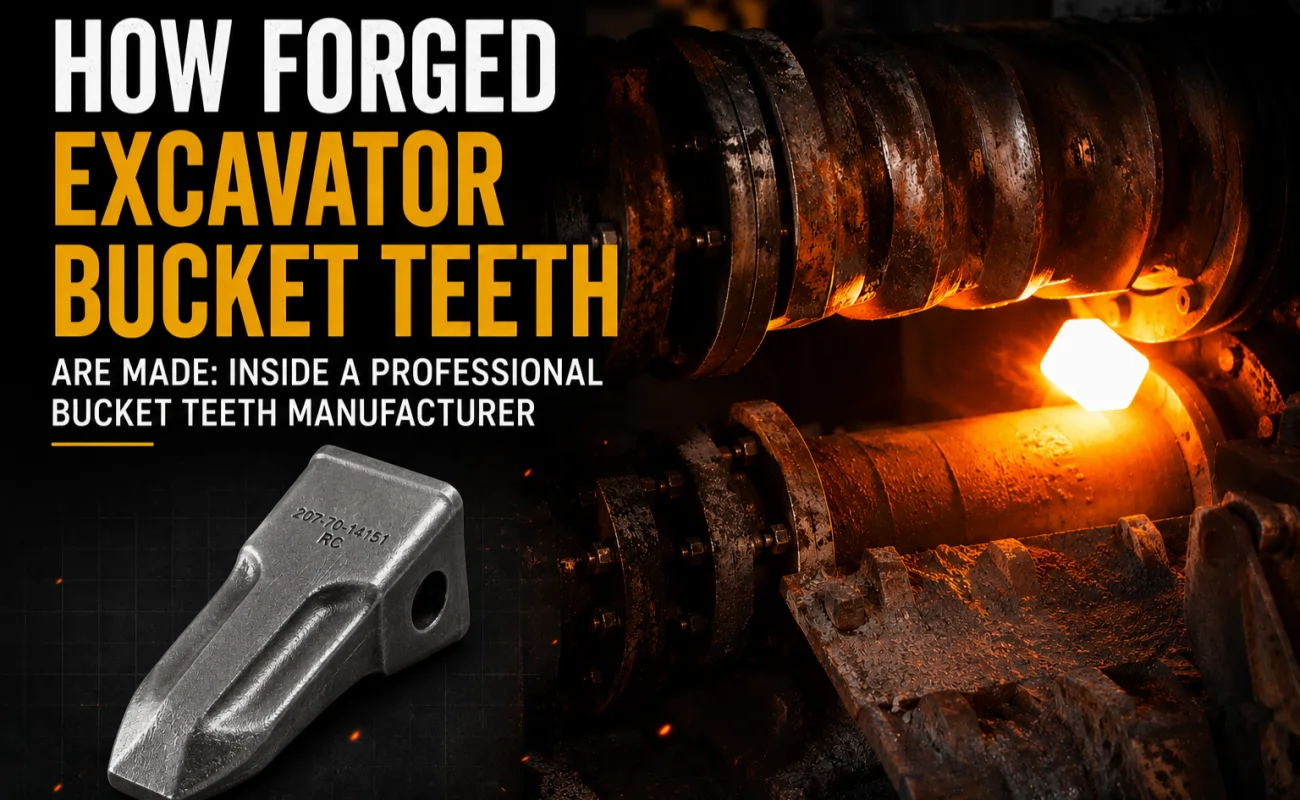
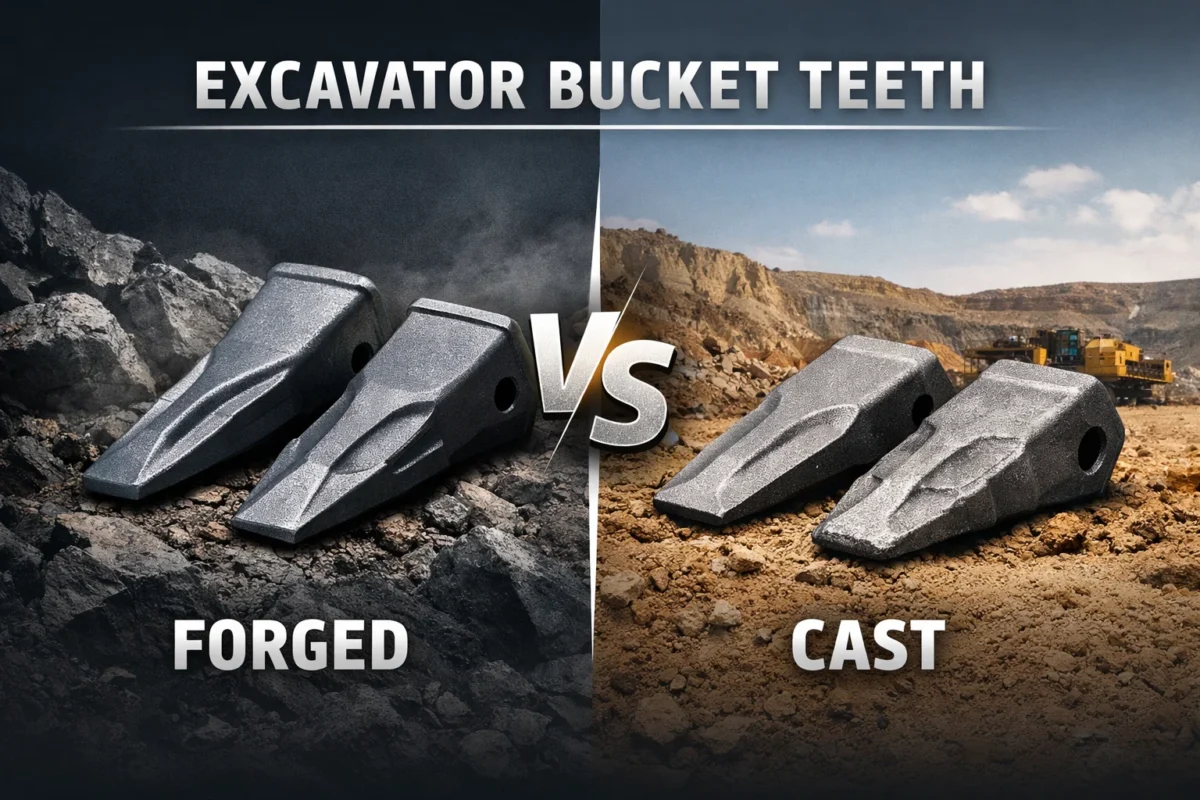
Unlike cast or welded teeth, forged excavator bucket teeth are produced by applying intense pressure to heated steel billets through a forging process. This method realigns the internal grain structure of the metal, significantly improving tensile strength and overall structural integrity. As a result, forged teeth offer exceptional resistance to impact, abrasion, and heavy wear — making them ideal for the toughest excavation conditions.
These teeth are often designed with precisely shaped tips that enhance their ability to penetrate difficult materials such as compacted soil, rocky terrain, and even frozen ground. Their sharp, refined edges allow the excavator to dig more efficiently, reducing the strain on hydraulic systems and improving fuel efficiency.
Additionally, forged bucket teeth typically undergo specialized hardening treatments that greatly extend their service life. This hardening process ensures the teeth maintain their shape and sharpness longer, minimizing material loss over time and reducing the frequency of replacements. The combined effect is lower maintenance costs and increased operational uptime for excavator owners.
Why Forged Teeth Mean Business
1. Minimized Equipment Downtime
Frequent tooth replacement can halt operations. With forged options, changeouts become far less frequent thanks to their extended lifespan.
2. Lower Operational Costs
Although forged teeth may cost more initially, their durability translates into reduced wear on excavator arms, pins, and fuel systems—saving money in the long run.
3. Improved Penetration Efficiency
Sharper, more robust tips help reduce hydraulic strain and improve cycle time, allowing operators to move more material with less fuel and time.
4. Fewer Failures on Tough Jobsites
For rock-heavy or abrasive work environments, forged teeth deliver consistent performance without premature chipping or deformation, even under heavy pressure.
Where Forged Teeth Make the Biggest Impact
- Urban Excavation Projects: Speed up trenching in mixed-fill or asphalt-laden ground with minimal wear.
- Mining & Quarry Operations: Dig through raw ore or overburden with longer wear cycles and lower risk of breakage.
- Agricultural Groundwork: Ideal for soil ripping, ditch digging, and clearing in hard-packed fields.
- Heavy Civil Infrastructure: Great for deep excavation or foundation work where reliability is non-negotiable.
How to Choose the Right Forged Teeth
1. Match Tooth Style to Task
- Penetration Type: For compact/hard soils.
- Wide Chisel Type: For bulk material loading.
- Rock Teeth: For breaking dense materials.
2. Check Machine Compatibility
Ensure the size and locking system fits your specific bucket adapter and excavator model.
3. Prioritize Material Quality
Seek out suppliers using premium alloy steel with consistent quality control in the forging process.
4. Evaluate Total Cost of Ownership
Rather than comparing unit prices alone, calculate the wear life, fuel savings, and downtime reduction to get a true ROI perspective.
Final Thoughts
Upgrading to forged bucket teeth is more than a simple parts swap—it’s a strategic investment in operational stability, fuel efficiency, and machine health. Contractors and fleet operators who adopt forged wear parts often report longer maintenance intervals, smoother digging cycles, and better returns on their heavy equipment assets.
Whether you’re scaling up for more contracts or simply want fewer interruptions in your workflow, forged teeth are built to help you dig smarter, not harder.