


How to Choose and Maintain Excavator Bucket Teeth for Longer Service Life


Excavator bucket teeth are one of the most frequently worn components in earthmoving equipment—similar to human teeth. Typically, they consist of a replaceable tooth and a tooth adapter connected via a pin and retainer. Since bucket wear is inevitable, the bucket tooth becomes the sacrificial component that can be replaced when worn.
There are two main types of installation: vertical mount and horizontal mount.
- Vertical Mount (Top-Pin Type): The pin is inserted perpendicular to the bucket face. It's easier to install and remove due to better access from above. However, this type is prone to pin dislodgement when facing strong excavation forces, making it more suitable for small to mid-size excavators.
- Horizontal Mount (Side-Pin Type): The pin is inserted parallel to the bucket face. Though harder to install and requiring side access and specialized tools, the pin is less exposed to direct excavation forces, making it more secure. It’s commonly used in excavators above 20 tons.
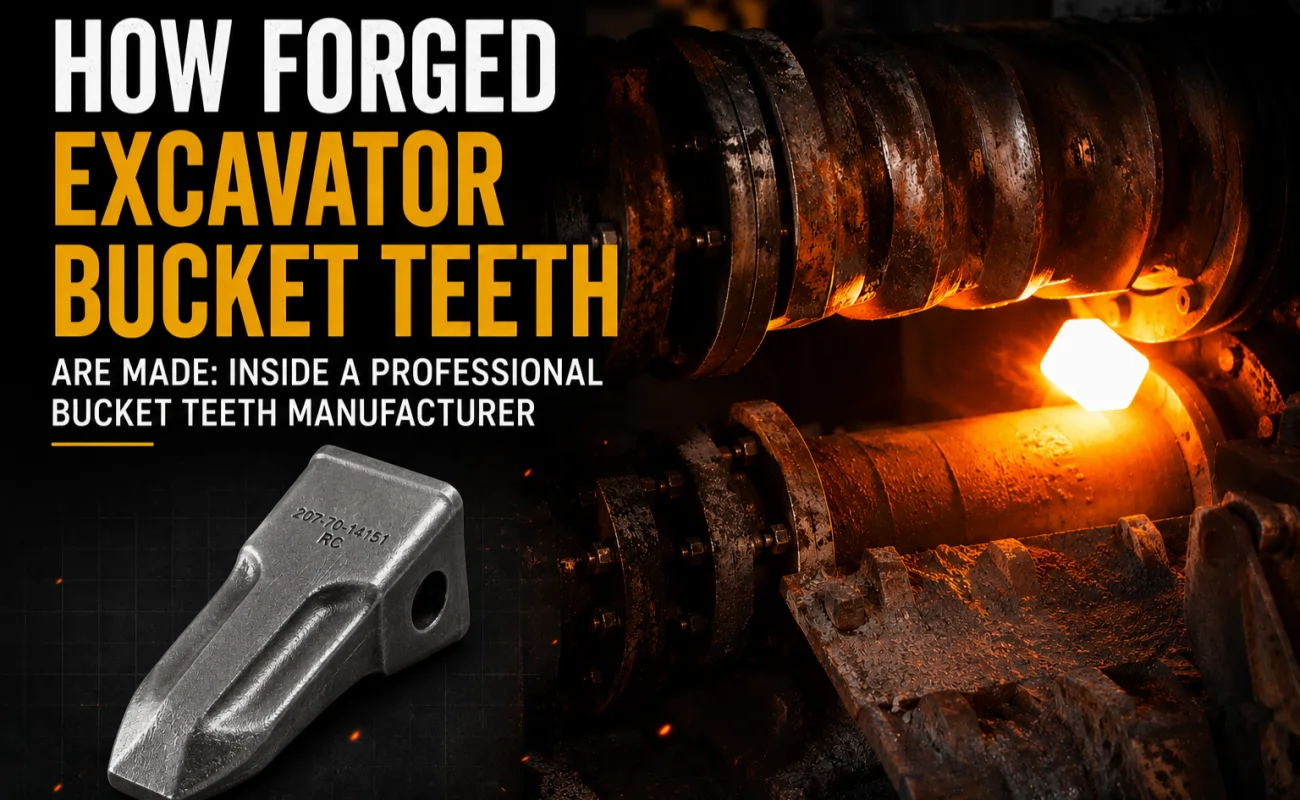
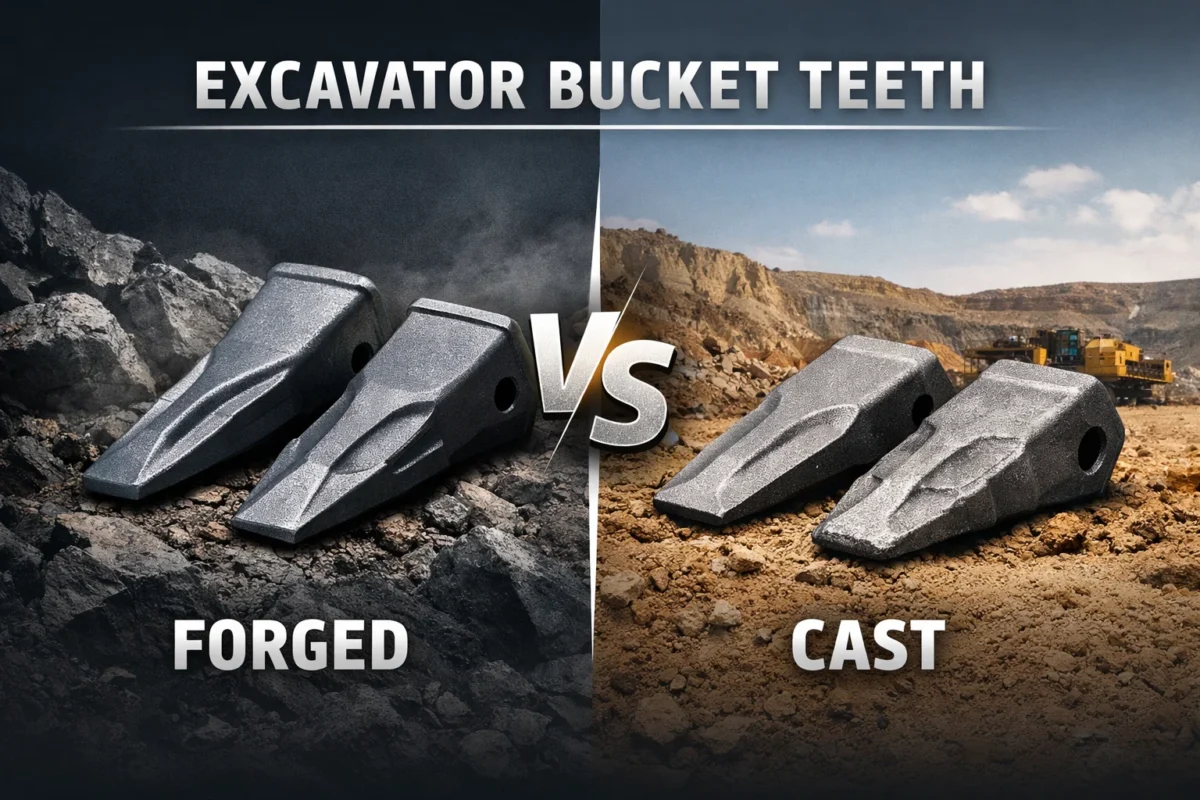
What Sets Forged Bucket Teeth Apart?
Choosing the right tooth type based on your working environment can significantly enhance performance:
- Rock Teeth: Designed for tough environments like quarries and iron ore sites.
- Standard (Earth) Teeth: Ideal for digging in soil, sand, and loose dirt.
- Conical Teeth: Common in coal mining and softer ground operations.
Each brand may have unique tooth profiles, but they generally follow these functional categories.
Why Bucket Teeth Matter
- Protect the Bucket: They act as a buffer, reducing wear on the bucket body.
- Precision Work: Enable more accurate digging and shaping operations.
- Efficient Penetration: The tapered shape reduces resistance and increases digging force.
- Shock Absorption: Help reduce machine stress when hitting hard materials.
Choosing Between Forged and Cast Bucket Teeth
| Type | Durability | Hardness | Cost | Lifespan |
|---|---|---|---|---|
| Cast Teeth | Lower | Moderate | Lower | Shorter |
| Forged Teeth | Higher | Superior | Slightly Higher | 2x Longer |
- Cast Teeth: Made by pouring molten metal into molds. They're less wear-resistant and more prone to cracking under heavy impact.
- Forged Teeth: Created under high-pressure forging, aligning the metal’s grain for better strength and toughness. Though more expensive, they offer longer service life and better resistance to abrasion.
Tip: In hard rock environments or high-intensity operations, forged teeth are highly recommended.
Choosing the Right Tooth Profile for Efficiency and Fuel Savings
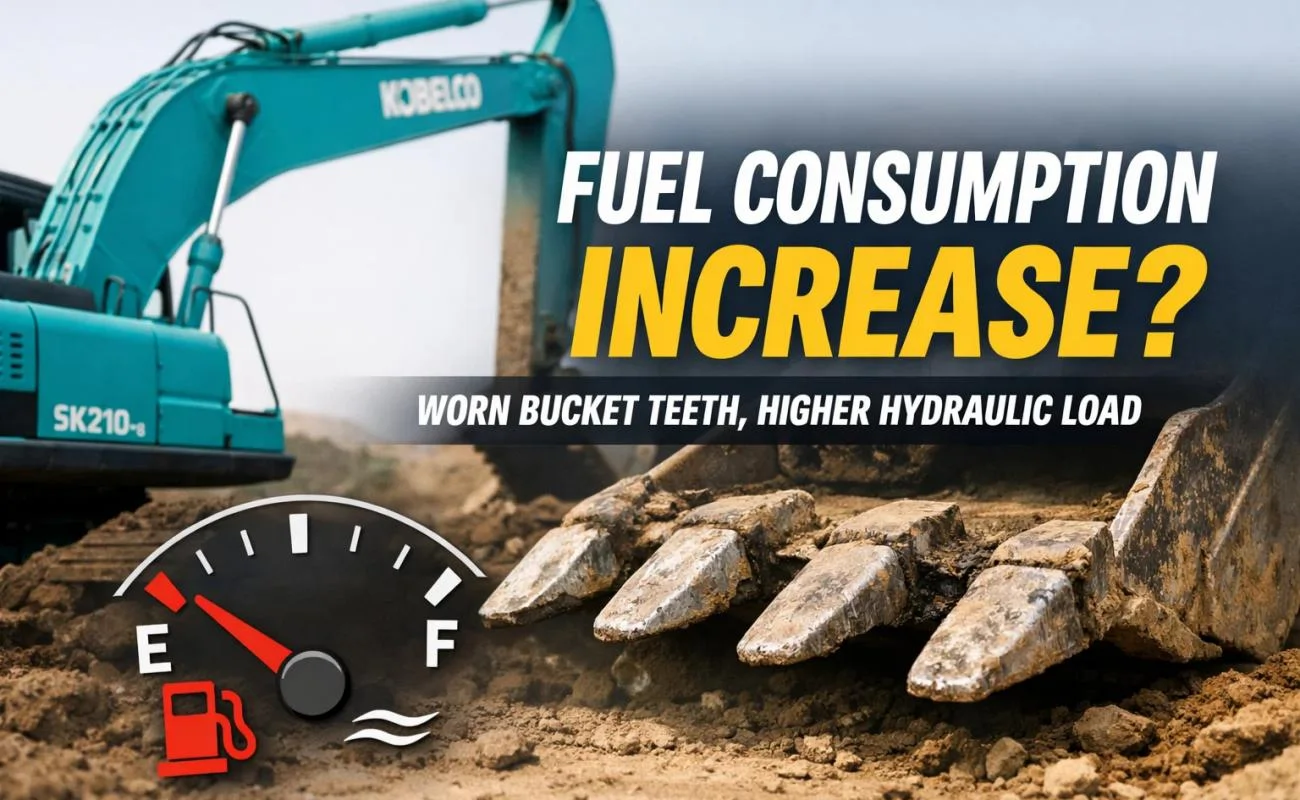
Tooth profile plays a crucial role in not only digging performance but also fuel efficiency. For example, flat-bottom teeth (also called chisel or spade teeth) maintain a consistent cutting surface during wear, helping to minimize resistance throughout their lifespan. In contrast, RC-type teeth (rock chisel) start sharp but become blunt with use, leading to increased digging resistance and higher fuel consumption over time.
Operators often default to RC-type teeth for their initial aggressiveness, but in operations focused on productivity and fuel savings, flat or sharp-edged teeth may offer a better long-term return. Additionally, matching the tooth profile with the soil type—such as pointed tips for hard rock or wide chisel tips for loose material—can significantly extend both the tooth and machine lifespan.
How Steel Composition Affects Bucket Tooth Performance
The performance and durability of excavator bucket teeth depend heavily on the material they are made from. Most teeth are composed of alloy steel, but the specific blend of elements—such as manganese, chromium, and nickel—can significantly influence wear resistance and tensile strength.
- High-manganese steel offers excellent work-hardening properties, meaning it becomes harder as it wears, making it ideal for high-impact operations.
- Chromium-alloyed steel improves hardness and corrosion resistance, commonly used in aggressive environments like mining or quarrying.
- Nickel improves toughness, especially under cold or sub-zero temperatures, helping to avoid brittleness and cracking.
When choosing bucket teeth, it's important to match the steel composition with the job site conditions. For instance, teeth with higher manganese content are better for impact-heavy tasks like breaking hard rock, while chromium-enhanced teeth perform well in wet or acidic environments.
Best Practices to Extend Bucket Tooth Life
- Rotate Inner and Outer Teeth
Outer teeth wear out 30% faster than inner ones. Periodically rotating them helps ensure uniform wear. - Dig Perpendicular to the Surface
Operators should avoid digging at sharp angles, which increases stress and the risk of breaking teeth. - Avoid Excessive Swinging During Resistance
Swinging the boom while digging in tough material can cause lateral stress, breaking the tooth or adapter. - Replace the Adapter When Worn
Once the adapter wears more than 10%, replace it. Excessive wear increases the gap, altering force distribution and risking tooth breakage.