What to Replace First in a Failing Excavator Undercarriage?
When it comes to heavy maintenance, undercarriage wear is one of the most significant cost drivers—and one of the most overlooked issues in excavator and bulldozer undercarriage maintenance. For dealers and distributors, especially those supplying aftermarket undercarriage parts for excavators and dozers, advising customers on proper track chain, sprocket, and roller replacement timing can help reduce warranty claims, improve equipment uptime, and extend overall machine lifespan.
In real-world applications—whether in rocky terrain, muddy job sites, or high-impact construction environments—undercarriage components wear at different rates. Understanding when to replace excavator track chains, how to identify worn sprockets vs worn rollers, and recognizing early signs of undercarriage failure in bulldozers and excavators can make a significant difference in maintenance cost control.
So, when the undercarriage starts to show signs of failure, which parts should be replaced first—sprockets, track rollers, or track link assemblies?
In this article, we’ll walk through the functional role of each part, common wear symptoms, and practical guidance for prioritizing replacements. Whether you're a distributor supporting rental fleets, mining contractors, or construction companies, knowing which undercarriage parts wear out first and why will help you better serve your customers and improve parts sales strategy.
1. Understanding Undercarriage Component Roles
The undercarriage works as a unified system, and wear in one part often accelerates wear in the others. Here's a quick breakdown:
- Sprockets transfer engine power to the tracks, engaging with the track links to move the machine forward or backward.
- Track Rollers (bottom rollers) support the machine’s weight and maintain track tension during operation.
- Carrier Rollers (top rollers) guide the upper section of the track and reduce slack.
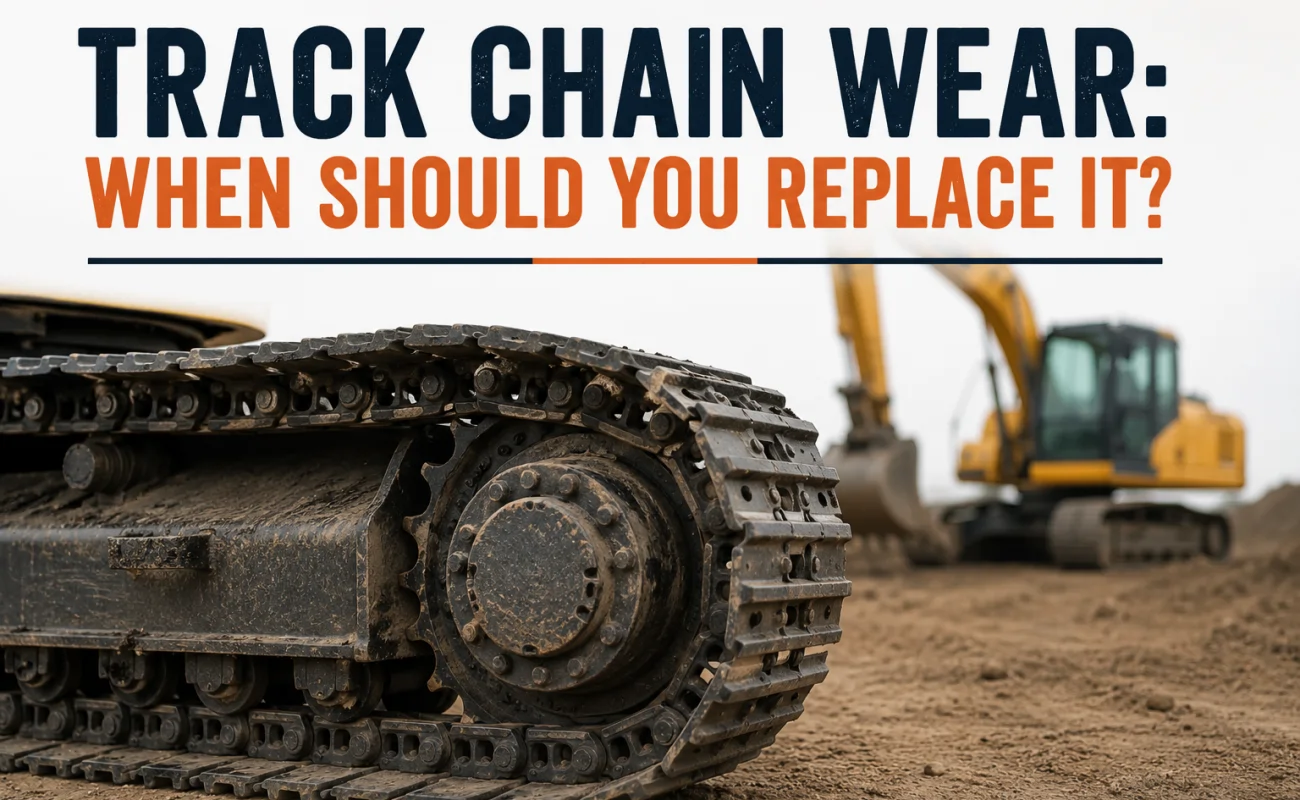
- Track Chains (or Track Link Assembly) form the closed loop that runs along the undercarriage, driven by the sprockets and supported by rollers.
2. Which Wears Out First?
In most operational conditions, sprockets and track chains wear out faster than rollers—but the actual order depends on usage patterns, ground conditions, and maintenance habits.
Track Chains: The First to Fail in Most Cases
Track chains are under constant tension and friction. In high-hour machines or those used in abrasive conditions (like sand or gravel), track links and pins often wear unevenly. This leads to pitch elongation—where the distance between the pin centers grows. Once this happens, the chain no longer meshes properly with the sprocket, accelerating sprocket tooth wear.
Signs of wear: uneven track tension, excessive vibration, popping sounds, or visible link elongation.
Sprockets: Replace When You Replace the Chain
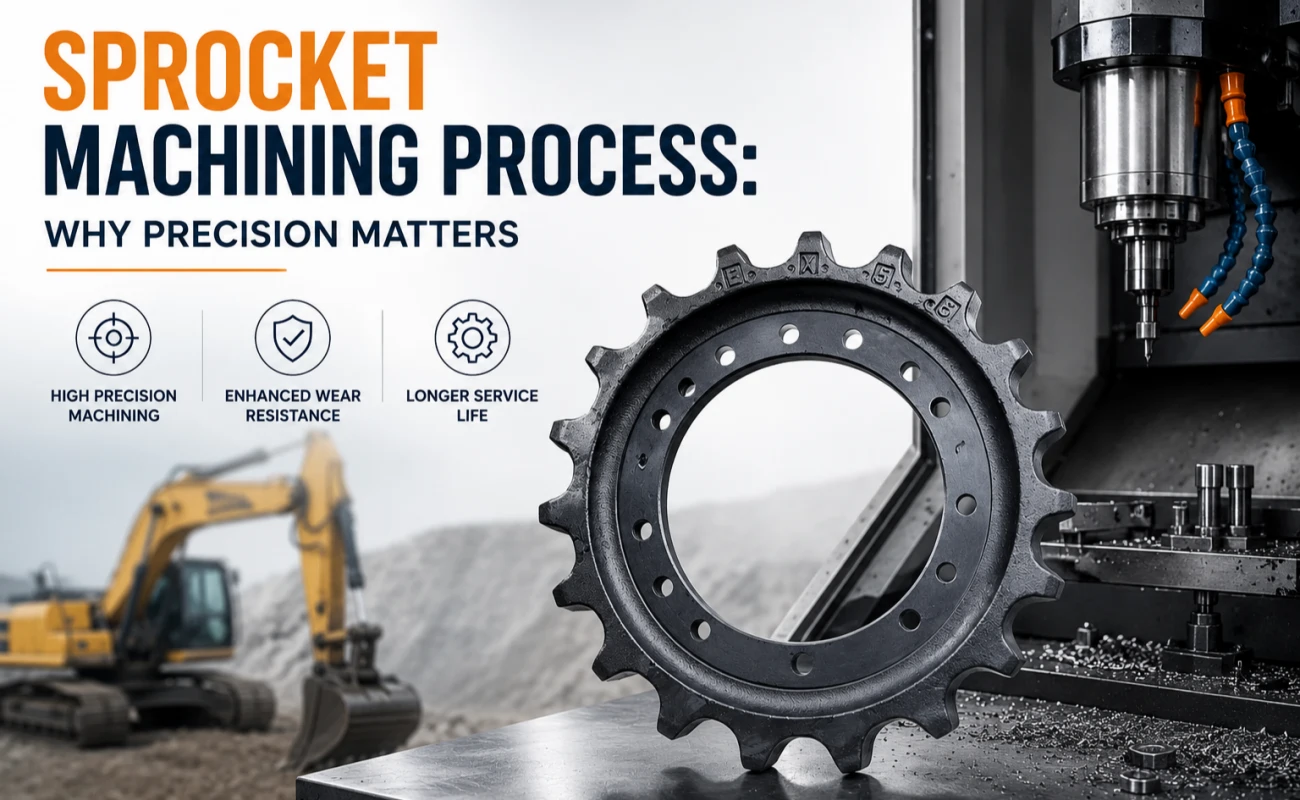
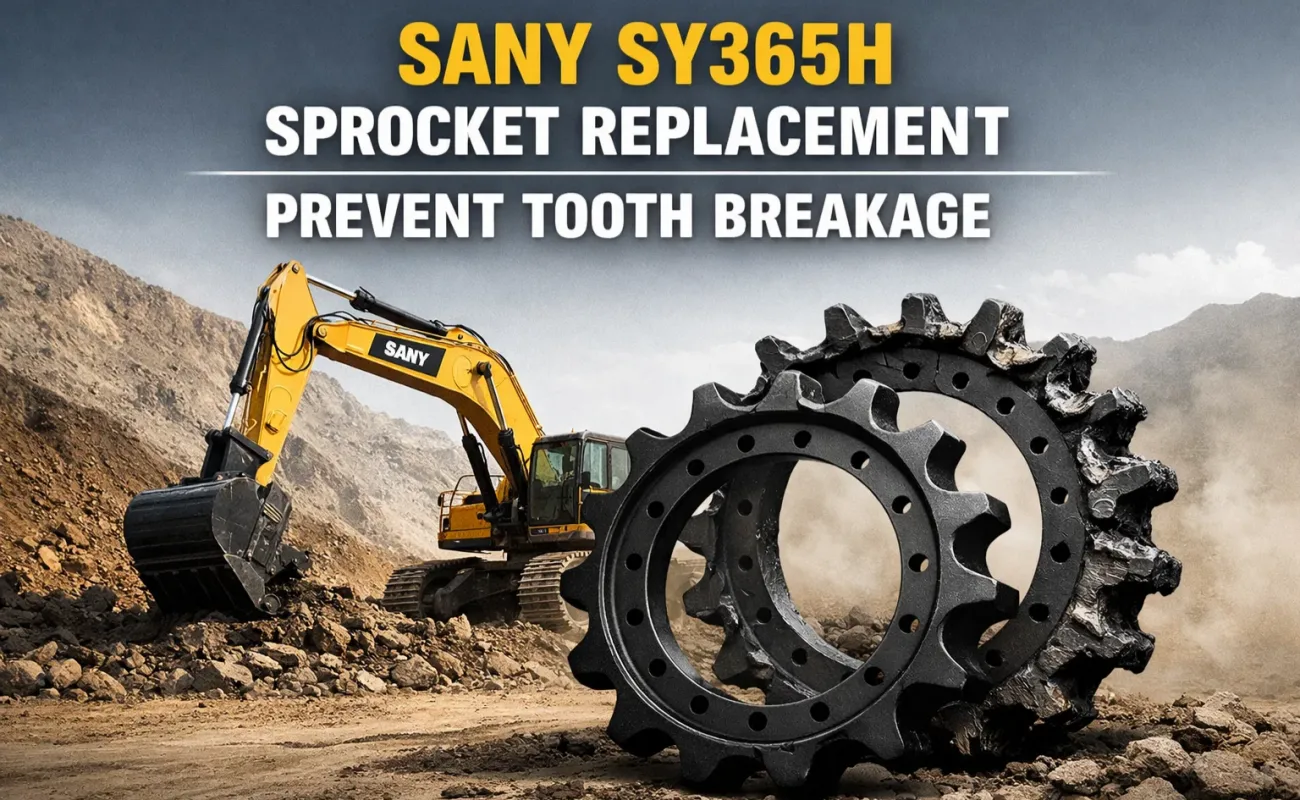
Once the track chain is worn, the sprocket teeth will show “shark fin” shapes or rounded edges. Using new chains with worn sprockets—or vice versa—is a shortcut to rapid failure. This is why many professionals recommend replacing both as a matched set.
Tip for dealers: Recommend combo replacement kits for chain and sprocket to help your customers save on long-term costs.
Rollers: Built to Last—But Still Need Monitoring
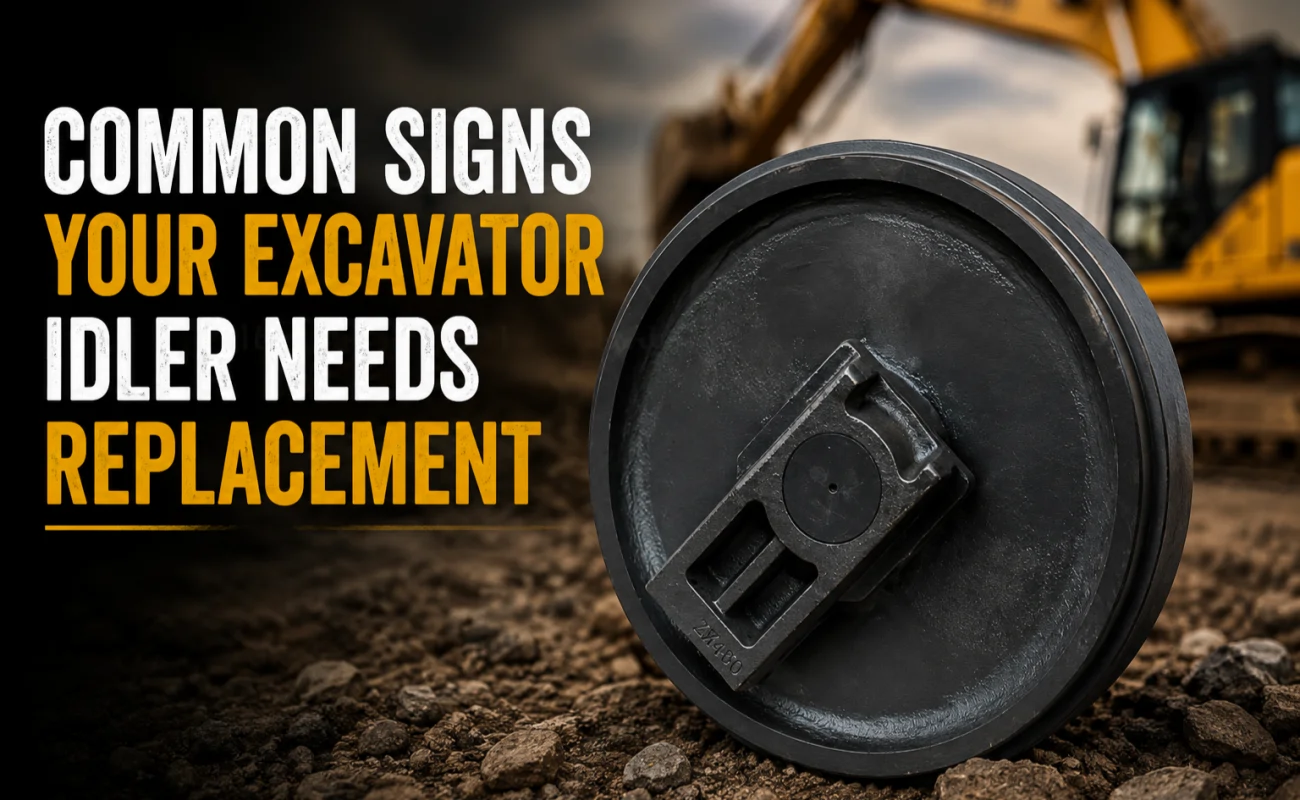
Rollers (especially bottom rollers) are designed for durability. However, poor lubrication or constant impact (from rocky terrain or over-speeding) can lead to broken seals or cracked housings. Top rollers tend to last even longer but can seize up if neglected.
Watch for: oil leaks, unusual noise, uneven track sag, or seized movement.
3. Strategic Replacement for Dealers and Distributors
As a supplier, you can guide your clients on strategic replacements that extend undercarriage life and reduce operational downtime. Here's a practical approach:
- Start with track chain inspection. If link pitch is stretched beyond OEM tolerance, the chain must be replaced—often together with the sprocket.
- Check sprocket tooth shape. If it no longer fits the chain properly, it’s time for a new sprocket.
- Evaluate rollers based on hours and application. Recommend replacement only when signs of damage appear. For machines used in mining, demolition, or hard quarry environments, roller wear tends to be faster.
Pro Tip: Educate your clients on identifying early wear indicators. This will build trust and position your business as a reliable aftermarket expert.
4. Bundling Parts for Value and Efficiency
Most experienced dealers know that bundling undercarriage components improves both logistics and sales. Customers are more likely to purchase full sets when they know:
- The components are compatible
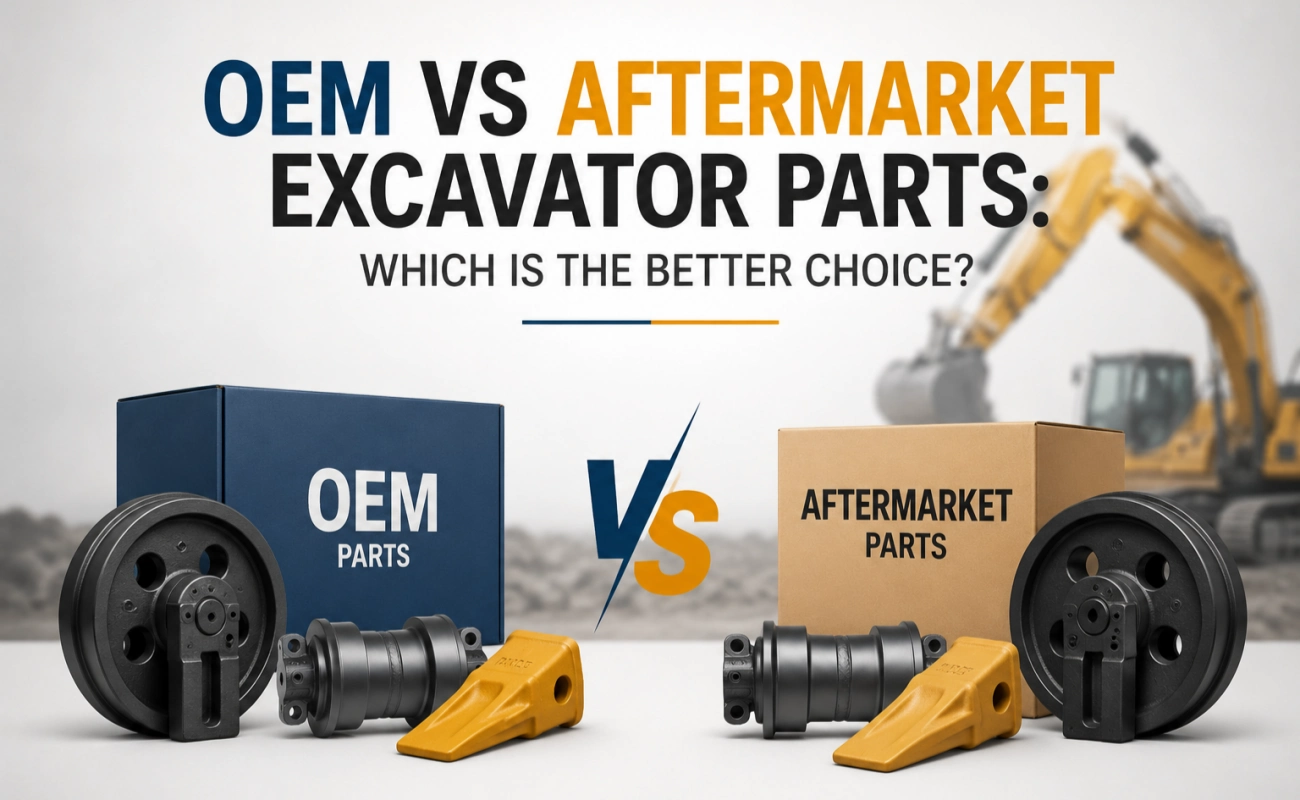
- OEM or aftermarket options are clearly explained
- The supplier backs product quality with warranty and support
Offering full replacement kits (e.g., chains + sprockets, or all bottom rollers) helps minimize machine downtime and shipping delays.
5. Final Thoughts
If you serve contractors, rental companies, or regional service teams, offering expertise on which parts to replace—and when—gives you a major edge. While track chains usually wear out first, replacing worn sprockets at the same time ensures proper engagement and longer system life. Rollers, though more durable, shouldn’t be overlooked in harsh conditions.