Industry News

Excavator Track Chain Market Insights: High-Demand Segments for Dealers

crawler excavator track chain for sale

For distributors and dealers in the excavator aftermarket, few undercarriage components are as strategically important as the track chain. This component directly influences an excavator’s stability, traction, and operating lifespan. With global construction and infrastructure projects showing steady growth, demand for excavator track chains continues to expand—but not evenly across all market segments. Dealers who understand the nuances of demand by machine class—compact (small excavators), mid-size, and heavy-duty—can plan inventory more effectively, reduce holding costs, and capture greater market share.

Small Excavators (Below 10 tons): High Volume, Cost-Sensitive

Compact machines such as the Caterpillar 305, Komatsu PC55, and Hitachi ZX70 dominate urban job sites, landscaping projects, and light construction. Their relatively small size makes them highly versatile in tight working conditions.

  • Demand Drivers: Compact track chains wear quickly due to frequent short-distance travel, tight turning, and abrasive soil conditions. Contractors tend to operate multiple small units simultaneously, which multiplies replacement demand.
  • Buying Behavior: Cost sensitivity is a key factor in this segment. Owners and rental companies often prioritize affordable aftermarket chains over OEM parts, provided that durability is acceptable. Dealers who can balance price and reliability in this range will see consistent turnover.
  • Opportunity for Dealers: Stocking high-volume SKUs for 5–8 ton machines ensures availability. Bundling chains with related components like sprockets or track shoes can increase margins.

Mid-Size Excavators (10–30 tons): Balanced Volume and Profitability

Models like the Komatsu PC200, CAT 320, and Doosan DX225 represent the workhorses of global construction. These machines dominate road building, utility installation, and medium-scale earthmoving projects.

  • Demand Drivers: Track chains for mid-size excavators face heavy, consistent wear in diverse environments. These machines often run multiple shifts in large projects, which accelerates undercarriage replacement cycles.
  • Buying Behavior: Contractors and equipment rental fleets typically evaluate parts by both performance and cost. While many opt for high-quality aftermarket solutions, some projects (especially in mining or government contracts) may specify OEM-quality components.
  • Opportunity for Dealers: This is the most profitable segment for stocking track chains. Demand is steady, margins are higher than compact-class parts, and customers are often willing to pay for proven durability. Dealers who can provide both premium and cost-efficient options will appeal to a broad customer base.

Heavy Excavators (30+ tons): Lower Volume, High Value

Large machines, such as the Hitachi EX360, Komatsu PC450, or CAT 349, are used in mining, quarrying, and large-scale infrastructure. They represent fewer units in the field but demand highly durable, specialized undercarriage solutions.

  • Demand Drivers: Heavy excavators operate in the toughest conditions—rocky terrain, mining sites, and large-scale excavation. Track chain replacements occur less frequently compared to smaller classes, but when they do, the value per transaction is substantial.
  • Buying Behavior: Buyers in this segment are less price-sensitive and focus on reliability, uptime, and long service life. Failures are costly and project delays unacceptable.
  • Opportunity for Dealers: Even though volumes are lower, margins are significant. Stocking heavy-duty chains and positioning them as “mission-critical” replacements can build trust with high-value clients. In some cases, dealers may also benefit from special-order arrangements to avoid tying up too much capital in low-turnover inventory.

Strategic Takeaways for Dealers

  1. Match Inventory with Market Demand: Compact-class chains sell in high volume; mid-size chains deliver the best balance of volume and margin; heavy-duty chains, while slower moving, add prestige and high-value sales.
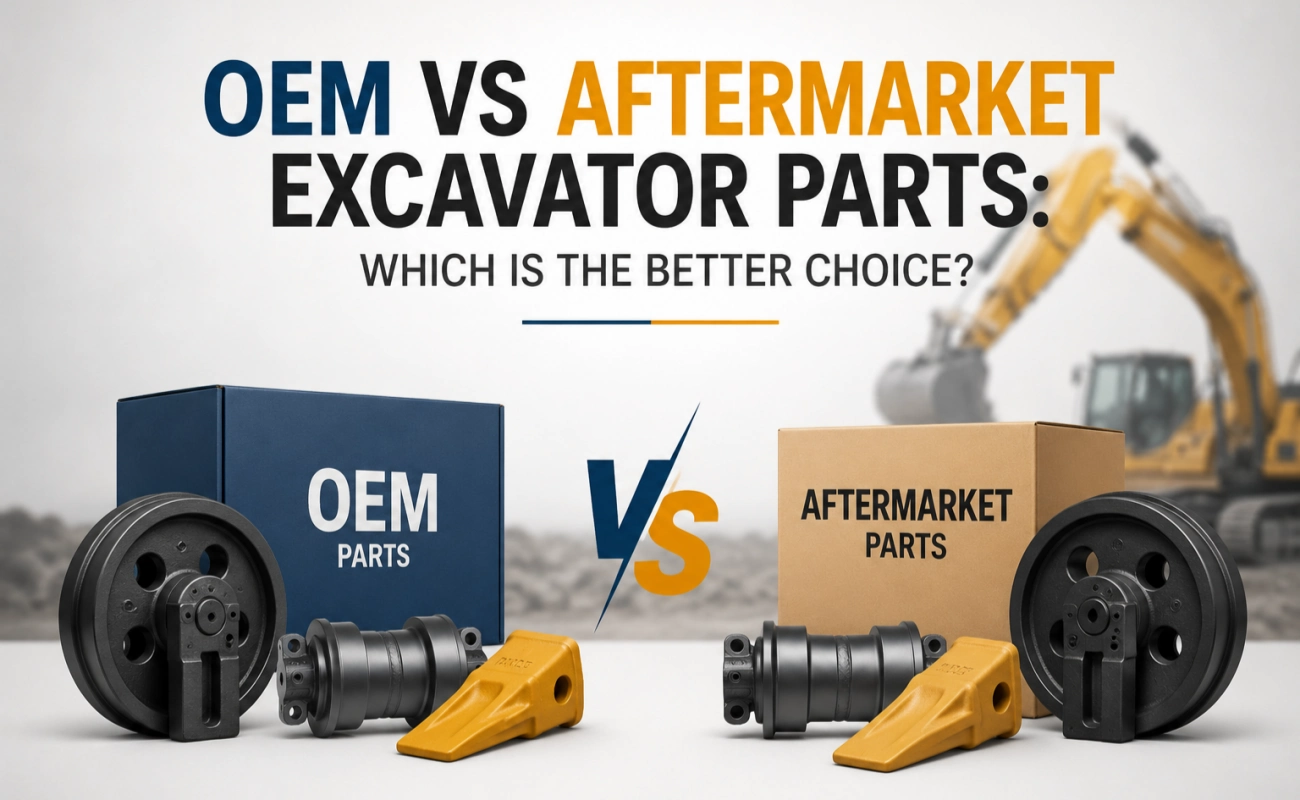
  2. Offer Tiered Solutions: By carrying both OEM-equivalent and aftermarket options, dealers can meet different customer profiles—cost-conscious contractors, rental companies, and premium buyers.
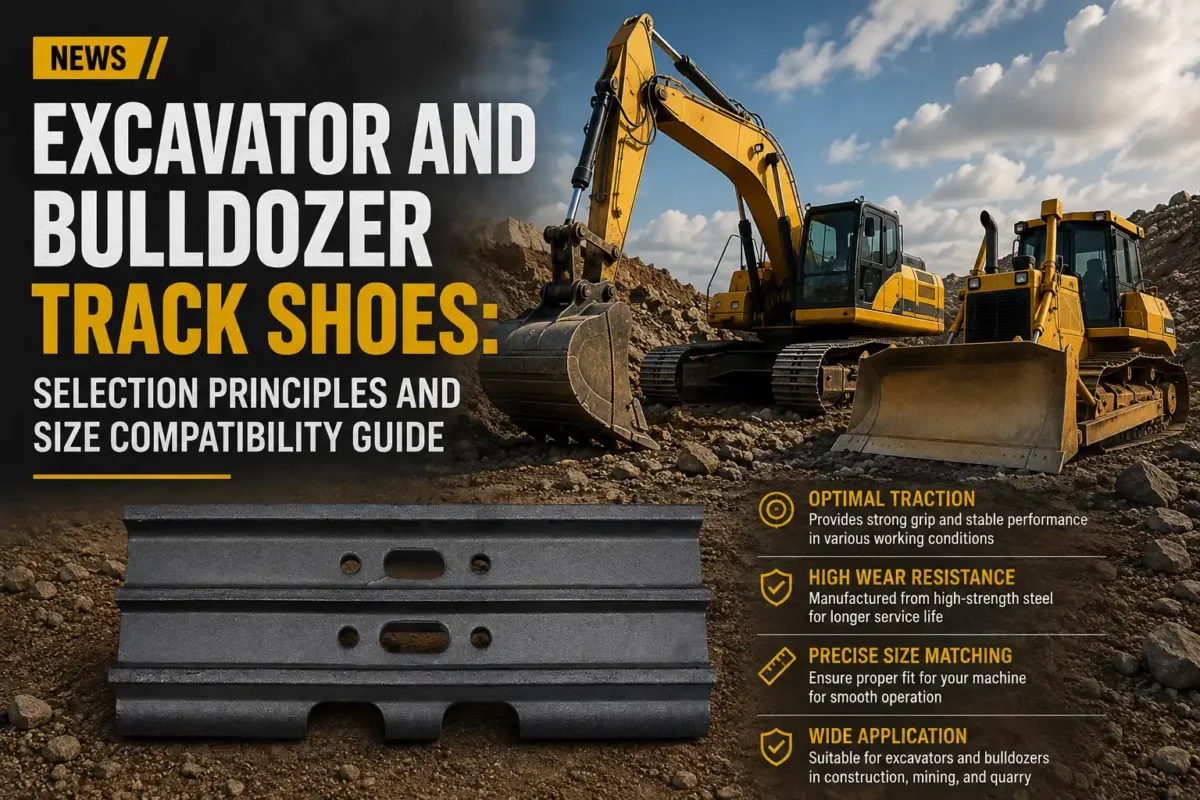
  3. Bundle for Efficiency: Packaging chains with complementary undercarriage parts (sprockets, track rollers, or shoes) can increase order value and simplify procurement for customers.
  4. Regional Sensitivity: Urban areas drive demand for compact machines, while mining and infrastructure-heavy regions require more mid-size and large chains. Tailoring stock to local market conditions ensures faster turnover.

Conclusion

The excavator track chain market is not “one-size-fits-all.” Dealers who study demand patterns across machine classes—small, mid-size, and large—can optimize inventory strategies and capture more revenue. With infrastructure investment growing worldwide, now is the time for distributors to refine stocking policies and position themselves as trusted partners in the aftermarket supply chain.