



How to Extend the Service Life of Excavator Track Rollers: 5 Expert Maintenance Tips

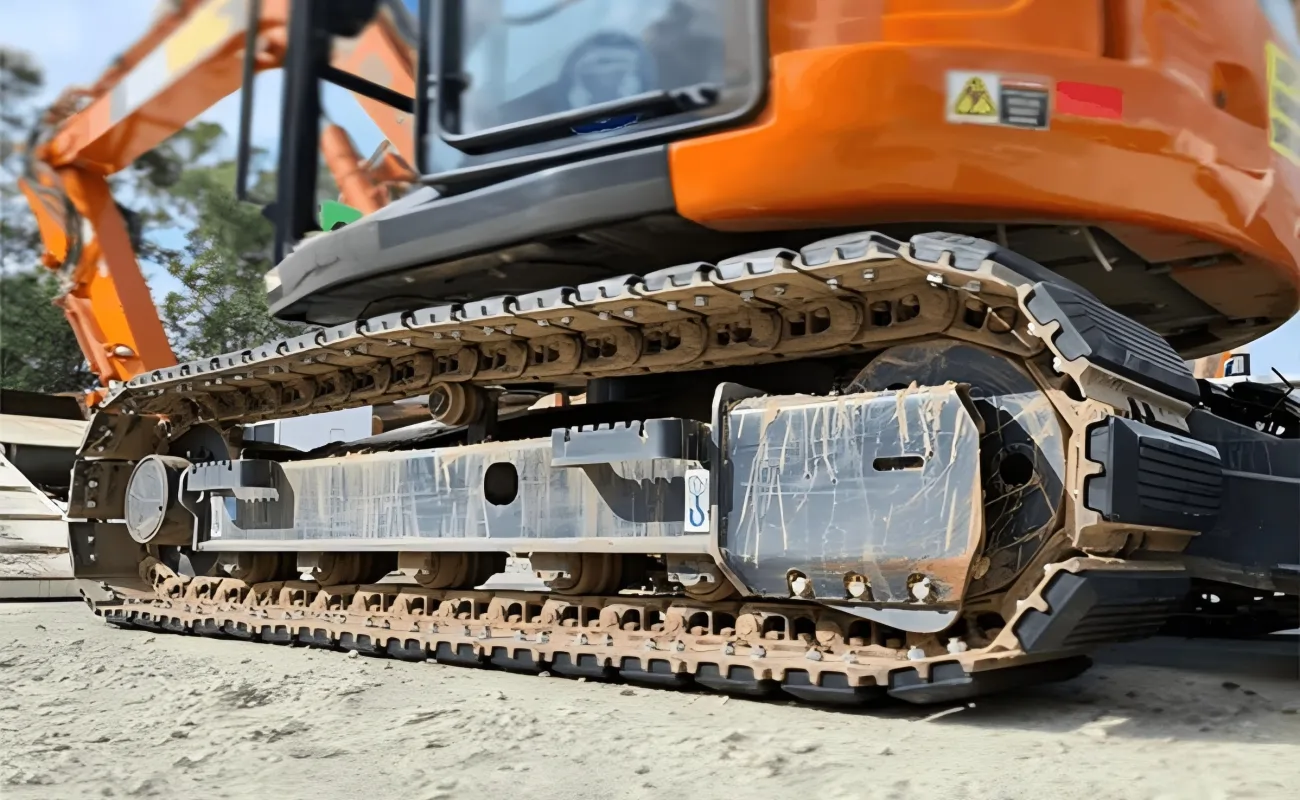
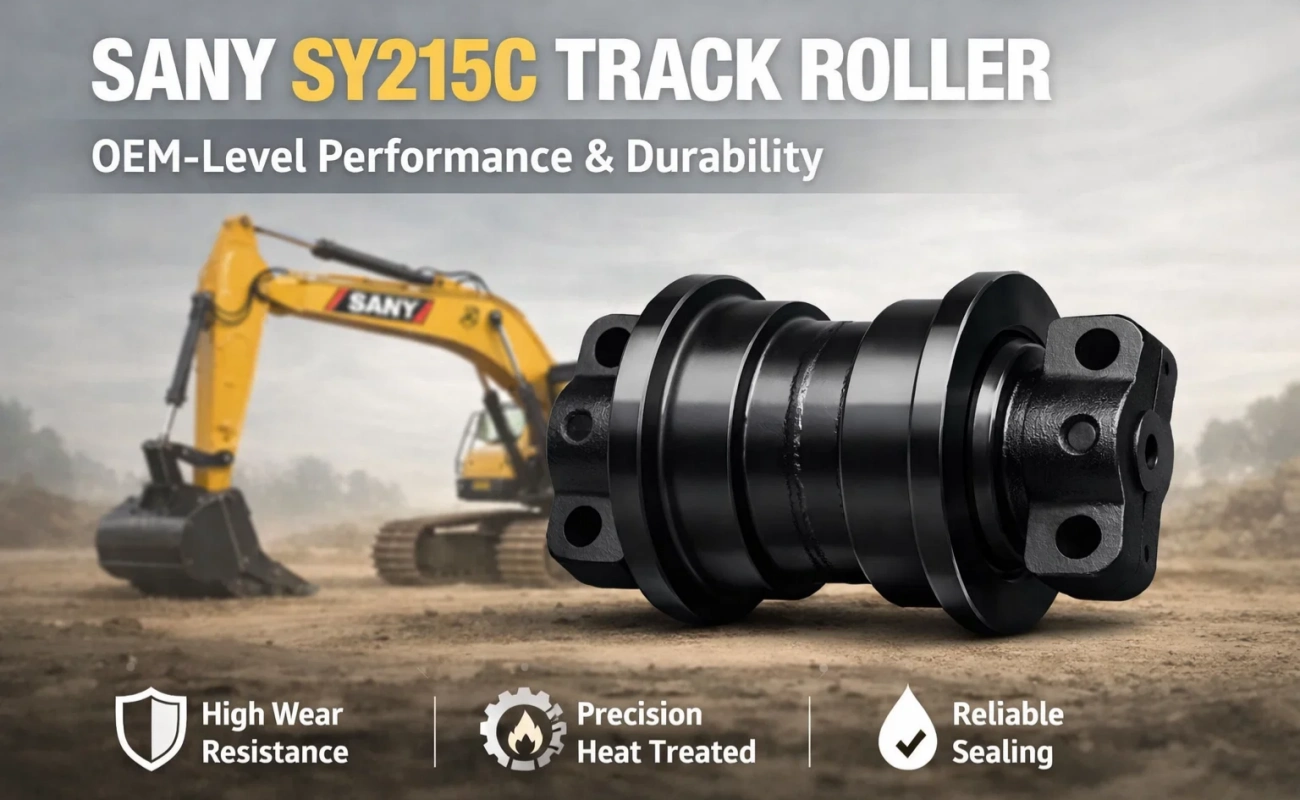
Track rollers are essential components of an excavator’s undercarriage system. They support the weight of the machine and ensure smooth movement of the track chain under harsh working conditions. However, without proper care and maintenance, even the best track rollers can wear out prematurely, causing unexpected downtime and repair costs.
In this article, we’ll explore the most common causes of track roller damage and provide 5 practical tips to help extend service life of excavator track rollers. These insights come from our years of experience manufacturing high-performance undercarriage parts for global OEM clients.
Why Track Roller Maintenance Matters?
Track rollers are under constant stress, especially in tough environments like mining sites, quarries, or muddy construction fields. Poor maintenance can lead to:
- Early surface wear and cracking
- Oil leakage due to seal failure
- Increased vibration and noise
- Damage to the entire undercarriage system
Investing a small amount of time in maintenance can help reduce total operating costs and extend the working life of both the bulldozer and the excavator.
So How Often Should You Inspect Track Rollers?
For standard construction site operations, we recommend inspecting track rollers every 250–300 operating hours. In more aggressive environments like mining or demolition, check every 100–150 hours.
Common Causes of Premature Track Roller Wear
Here are some frequent reasons why track rollers wear out faster than expected:
- Insufficient lubrication – Without proper oiling, internal components heat up and degrade quickly.
- Heavy impact or overload – Operating on rocky or uneven terrain without proper track tension increases stress.
- Foreign material intrusion – Sand, gravel, or mud can enter the seals and accelerate internal wear.
- Incorrect installation or mismatched parts – Non-standard rollers or improper assembly can cause alignment issues.
- Neglecting regular inspections – Small problems can turn into major failures if not detected early.
5 Maintenance Tips to Extend Track Roller Service Life
To keep your track rollers running smoothly, we recommend the following best practices:
- Perform Regular Lubrication Checks
Ensure that the oil level is adequate and seals are intact. Refill or replace as necessary to avoid dry operation. - Clean Undercarriage After Each Operation
Remove dirt, mud, and stones from the rollers and frame to prevent seal damage and premature wear. - Check for Unusual Noise or Vibration
Irregular sound can indicate internal wear or deformation. Replace any damaged rollers immediately. - Maintain Proper Track Tension
Over-tightened or loose tracks can put excess pressure on rollers, causing fatigue and cracking. - Use High-Quality OEM-Compatible Parts
Choose rollers made from heat-treated steel with wear-resistant bushings and sealed lubrication chambers.
How Kinton Track Rollers Are Built for Longer Life?
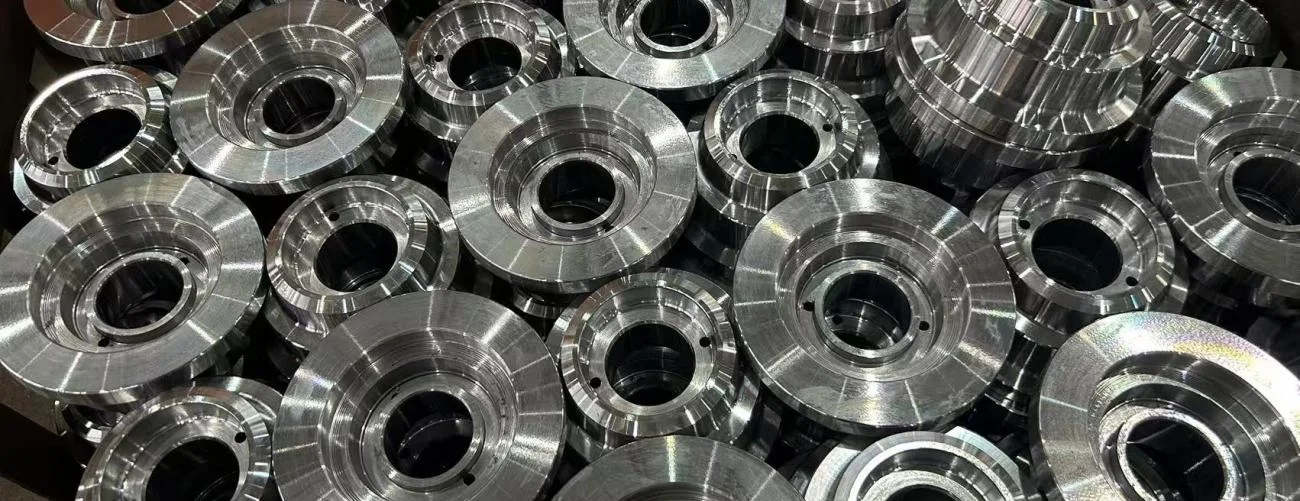
At Kinton, we manufacture track rollers using 45# steel, heat treated to HRC 52–58 for maximum wear resistance. Our rollers are precision-machined, thoroughly sealed, and tested to withstand extreme environments.
- CNC-machined for perfect alignment
- Deep quenching treatment for long service life
- Sealed lubrication system to prevent leakage
- Customizable for Komatsu, Hitachi, Caterpillar, Doosan, and more
Whether you need rollers for compact excavators or heavy-duty mining machines, we support full OEM production and branding.


Conclusion
Track roller maintenance may seem minor, but it plays a major role in the overall performance of your excavator. With regular care and high-quality parts from Kinton, you can avoid costly downtime and extend the life of your undercarriage system.
Frequently Asked Questions
Q1: Can worn track rollers damage other undercarriage components?
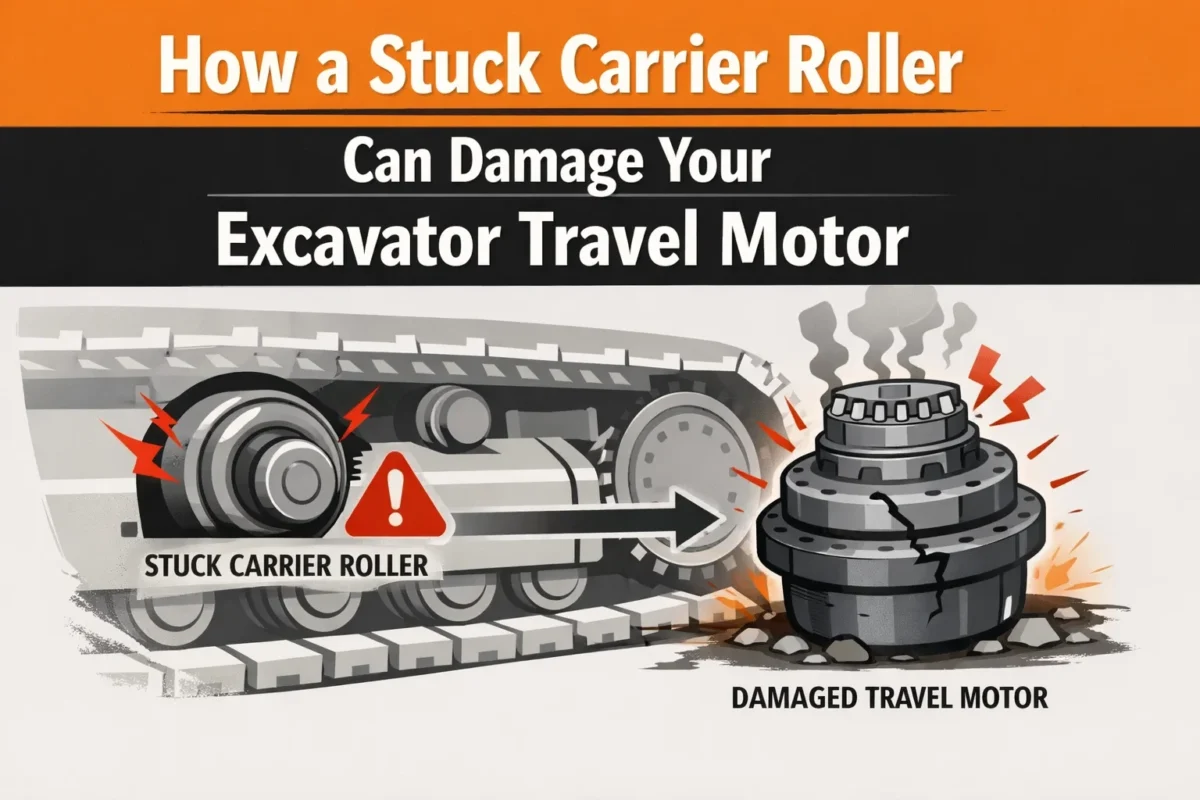
Yes. A damaged roller can cause misalignment of the chain, wear out the track links faster, and even affect the drive motor performance.
Q2: How do I know it’s time to replace my rollers?
Watch for visible wear, flat spots, or noise during operation. If oil is leaking from the seals, it’s time for a replacement.
Q3: Do I need to replace all rollers at once?
Not always, but it’s best to replace in pairs (left and right) for balanced performance.