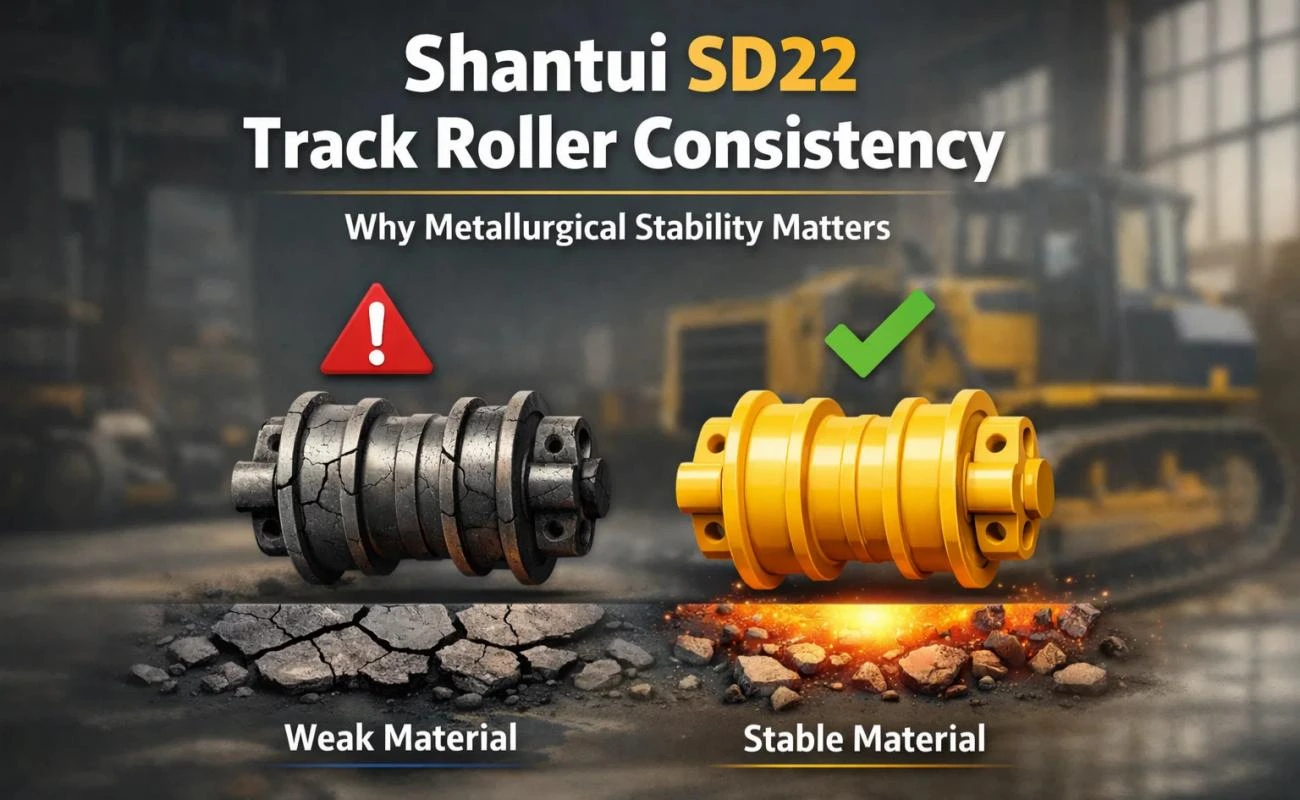
Shantui SD22 Track Roller Consistency: Why Metallurgical Stability Matters
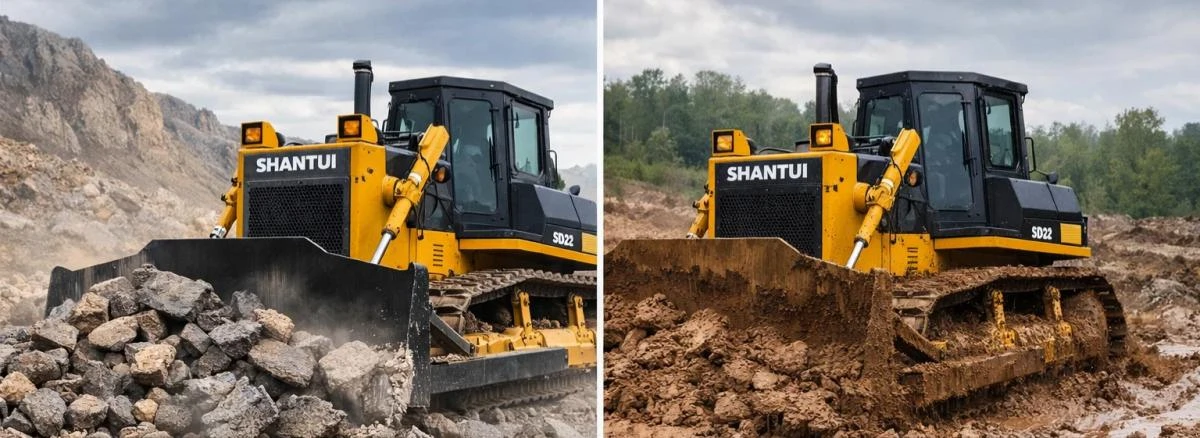
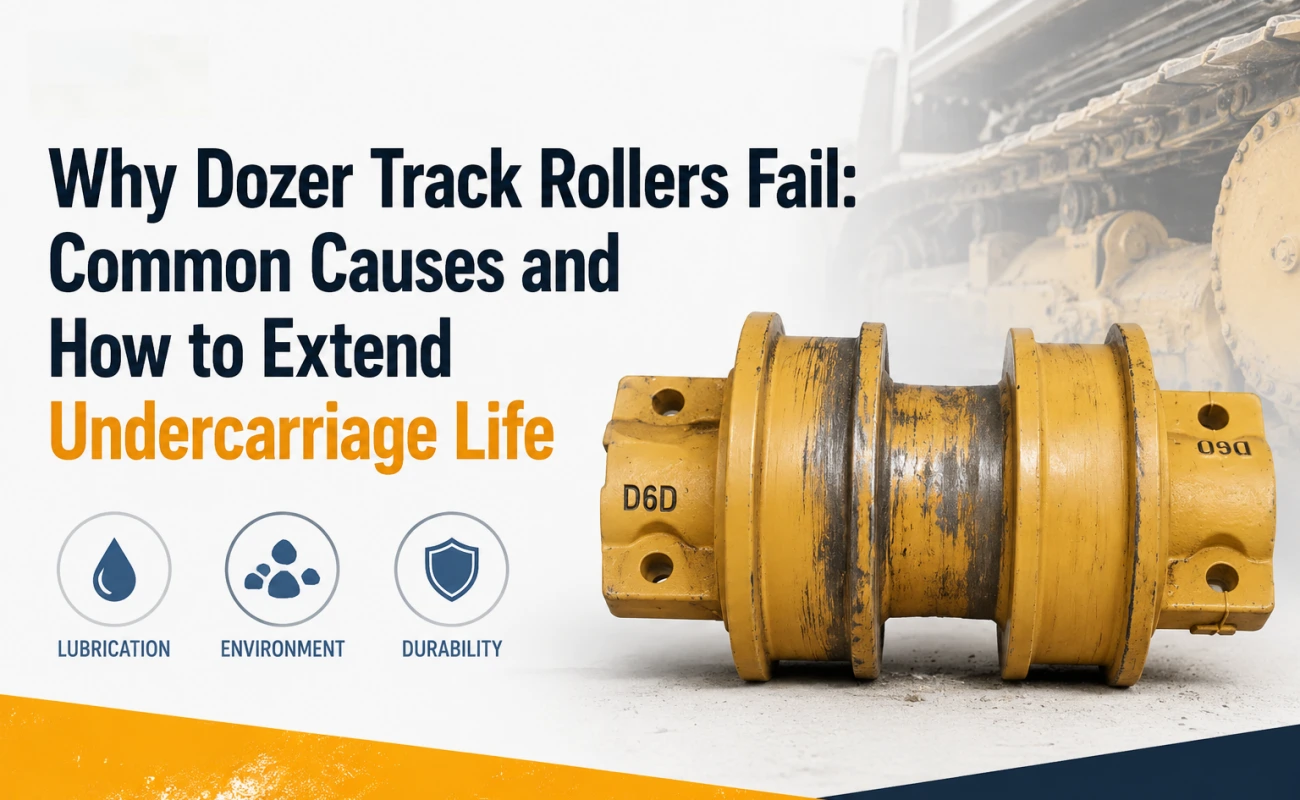
Shantui SD22 dozers track roller is a critical factor that directly affects bulldozer undercarriage lifespan and operating cost. Many equipment managers notice that even when replacing track roller components from the same batch, some last significantly longer, while others show premature wear or early failure. This inconsistency in track roller performance is often attributed to working conditions, but in reality, it is more closely related to internal material stability.
In many cases, differences in metallurgical consistency and heat treatment quality determine whether a track roller can deliver stable, long-term performance. Understanding what affects track roller durability at the material level is essential for fleet operators aiming to reduce downtime and improve maintenance predictability.
Why Uneven Wear Comes from Invisible Differences
Track rollers are designed to carry the machine’s weight continuously, and under normal conditions, wear should occur gradually and evenly.
However, when material quality or heat treatment is unstable, wear patterns become irregular:
- Some track rollers develop excessive hardness (HRC 52–58) but lack toughness, leading to micro-cracks or surface spalling under impact
- Others have insufficient hardness and wear rapidly in abrasive environments such as sand, mud, or gravel
Although these components may look identical externally, their internal microstructure can vary significantly—this is a typical sign of poor metallurgical consistency.
What Is Metallurgical Consistency in Track Rollers?
Metallurgical consistency is not just about using the same material composition—it also refers to whether the internal structure remains stable and uniform after heat treatment.
For Shantui SD22 track rollers, an ideal structure includes:
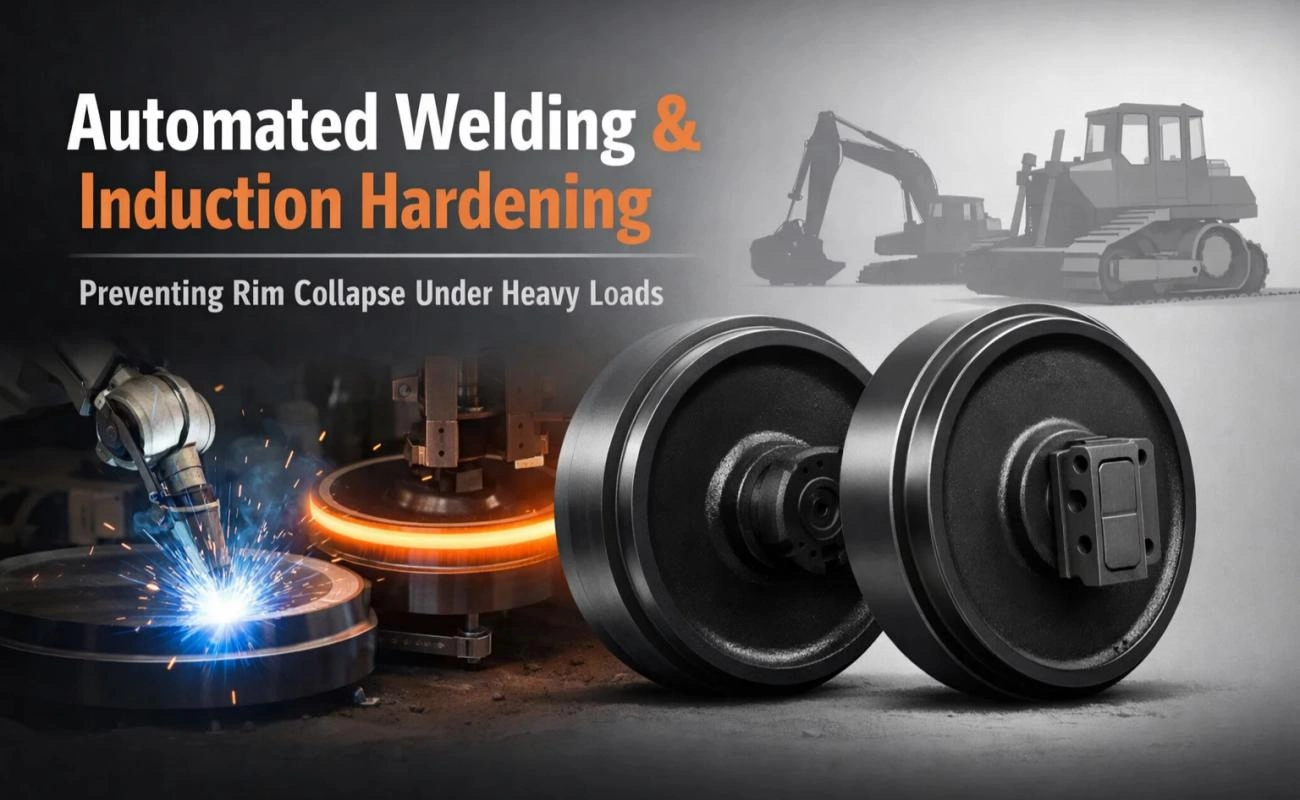
- A uniformly hardened surface layer (martensitic structure) achieved through induction hardening
- A tough core to absorb impact and prevent brittle failure
- A stable transition layer between surface and core, with gradual hardness reduction
This “hard outside, tough inside” structure is essential for balancing wear resistance and impact durability.
What Is “Track Biting” in Undercarriage Systems?
The Real Issue Is Not Whether It’s Hardened—But How Stable It Is
In production, problems often arise not from the absence of heat treatment, but from inconsistency in the process.
If heating or cooling conditions fluctuate, it can lead to:
- Uneven hardening depth within the same batch
- Inconsistent surface hardness distribution
- Localized areas that are too hard or too soft
This unstable hardness gradient directly translates into differences in wear performance. Some rollers perform normally, while others enter accelerated wear stages prematurely.
For fleet operators, this unpredictability is often more problematic than uniformly shorter service life.
How KINTON Controls Batch Stability for SD22 Track Rollers
Material Selection and Process Control
Achieving metallurgical consistency requires a systematic approach rather than a single process improvement.
At KINTON PARTS:
- Stable medium-carbon alloy steels (such as 50Mn / 40Mn2) are selected to minimize raw material variation
- Induction hardening processes are precisely controlled, including temperature, frequency, and cooling conditions
- Each roller maintains consistent hardening depth and hardness distribution
Continuous Inspection and Metallurgical Verification
More importantly, consistency is ensured through ongoing batch inspection and metallographic analysis—not just one-time testing.
This ensures:
- Stable microstructure across batches
- Controlled hardness gradients
- Consistent performance across all components
The goal is not just to ensure individual parts meet standards, but to guarantee uniform performance across the entire batch.
What This Means for Fleet Operations
When metallurgical consistency is maintained, the biggest benefit is not just longer life—but predictable wear behavior.
This results in:
- Similar wear rates across components in the same batch
- Easier planning of replacement cycles
- Reduced downtime caused by unexpected failures
- Lower risk of uneven wear affecting track chains and sprockets
For large-scale operations, this level of stability becomes a key factor in cost control.
Conclusion
If you are looking for reliable and consistent track roller solutions for Shantui SD22 dozers, choosing a supplier with stable material control
When selecting undercarriage components, many visible factors—such as dimensions, weight, or surface hardness—are easy to compare. However, the true performance difference often lies within the material itself.
For Shantui SD22 track rollers, metallurgical consistency is not just a theoretical concept—it directly determines wear uniformity, reliability, and service life.
Only by maintaining stability in material selection, heat treatment, and batch production control can manufacturers truly eliminate the issue of inconsistent lifespan within the same batch.
KINTON PARTS continuously optimizes heat treatment processes and quality control systems in bulldozer track roller production—not only to improve individual component performance, but to deliver consistent and predictable results for fleet operators. Feel free to contact us for more details, technical support, or OEM-compatible undercarriage solutions tailored to your working conditions.