Product Applications

The Strategic Role of Pins and Bushings in Excavator Performance

excavator pins and bushings for sale

When people think about excavator performance, they often focus on major components like the engine, hydraulic system, or undercarriage. Yet, some of the most critical factors affecting reliability and longevity lie in the smallest and often most overlooked parts—pins and bushings. These connecting components bear the brunt of heavy loads, repetitive movements, and abrasive environments. For distributors and fleet managers, understanding their role is essential for advising customers, planning stocking strategies, and ensuring overall machine uptime.

Why Pins and Bushings Matter More Than You Think

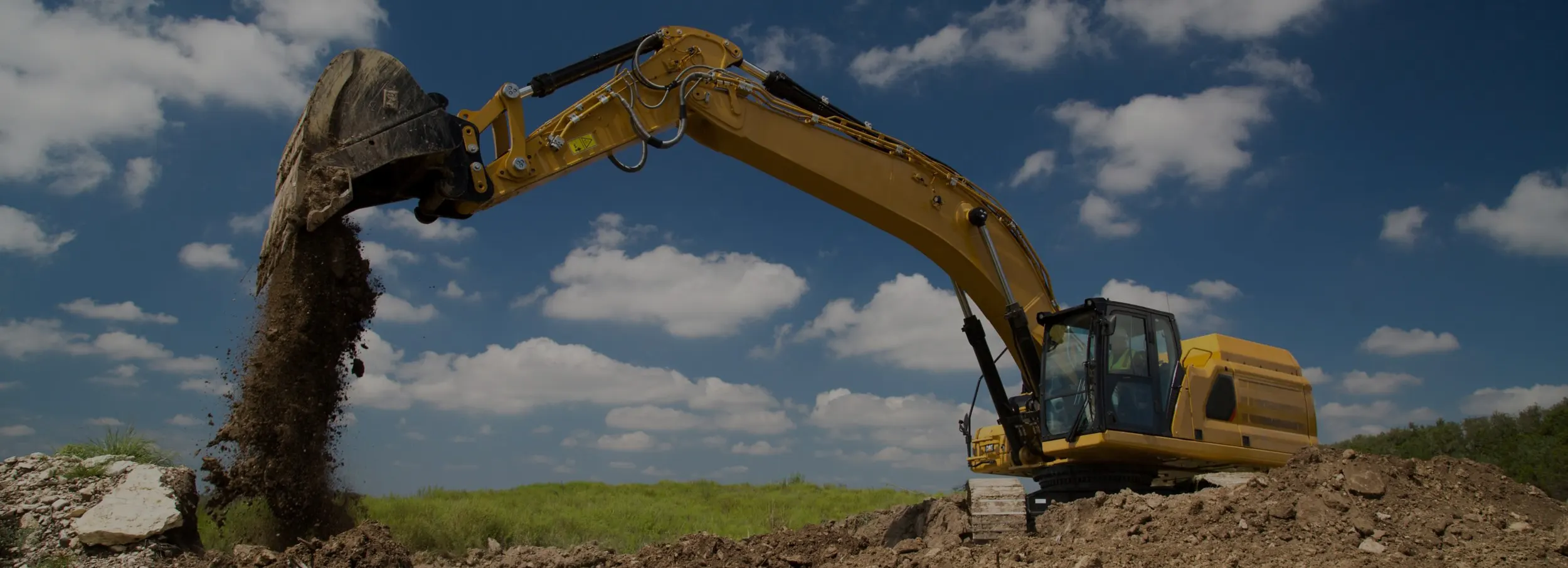
Pins and bushings serve as the rotational and load-bearing joints in an excavator. Whether it is at the boom-arm connection, the bucket linkage, or the swing mechanism, these parts are responsible for transferring immense forces while allowing smooth pivoting. Their performance directly impacts:

  • Structural integrity – Worn pins and bushings create slack and play in joints, accelerating wear on the entire linkage assembly.
  • Precision and efficiency – Excavators rely on tight tolerances for accurate digging and loading. Excessive clearance reduces productivity.
  • Machine lifespan – Consistent wear without timely replacement can spread damage to bores, welds, and adjoining components, leading to costly rebuilds.
  • Simply put, the health of pins and bushings influences the machine’s overall performance and lifecycle more than most operators realize.

Common Wear Patterns and Failures

Because pins and bushings are subject to constant pivoting under heavy loads, they face both abrasive and adhesive wear. Some key wear scenarios include:

  • Ovality – Bushings gradually wear into an oval shape, causing misalignment and extra stress.
  • Pitting and scoring – Inadequate lubrication or contamination with dirt and debris leads to surface damage.
  • Seizure – In extreme cases of poor lubrication, pins can seize inside the bushing, immobilizing the joint.
  • Accelerated wear in high-impact zones – Areas like the bucket linkage and boom foot tend to fail faster due to repeated shock loads.

Understanding these patterns helps distributors guide customers toward preventive maintenance schedules and appropriate stocking of replacement kits.

Material and Design Considerations

Modern excavator pins and bushings are manufactured with advanced steels, such as 42CrMo or 40Cr, and undergo surface hardening processes like induction hardening or carburizing. These treatments deliver:

  • High surface hardness for wear resistance.
  • Tough core strength to withstand shock loading.
  • Corrosion resistance for longer service life in wet or abrasive conditions.

Some manufacturers also offer self-lubricating bushings with embedded graphite or composite liners, reducing the need for frequent greasing and extending service intervals.

The Business Perspective: Stocking Pins and Bushings

For distributors, pins and bushings may not be as visually striking as sprockets or rollers, but they are a high-demand consumable. Their relatively low unit price, frequent replacement cycles, and critical role in machine uptime make them an excellent product line for building recurring business. Dealers should consider:

  • Carrying complete pin & bushing kits for popular models like CAT 320, Komatsu PC200, and Hitachi EX200.
  • Promoting preventative replacement alongside other wear parts during undercarriage or bucket rebuilds.
  • Offering OEM-equivalent or upgraded aftermarket options to meet customer cost and performance expectations.

Bundling pins and bushings with seals, link rods, or bucket repair kits can also increase order size and customer loyalty.

Best Practices for End Users

Dealers can add value by educating their customers on simple practices that extend the lifespan of pins and bushings:

  • Grease joints regularly, especially in high-impact working environments.
  • Use high-quality seals to prevent contamination and retain lubrication.
  • Replace worn pins and bushings before excessive clearance damages housings.
  • Match replacement parts to the specific application—mining, forestry, and construction may have different demands.

By positioning themselves as not just suppliers, but also advisors, distributors can strengthen long-term customer relationships.

Conclusion

Pins and bushings may be small, but their influence on excavator performance is enormous. They hold the key to extending machine life, reducing unplanned downtime, and maintaining precise operation. For distributors, they also represent a steady source of repeat business, particularly when paired with value-added guidance and complementary products. In a competitive market, recognizing the strategic importance of these “small parts with a big impact” can set a dealer apart.

If your dealership or distribution business wants to enhance stocking strategies or explore high-quality pin and bushing kits for popular excavator models, now is the time to take action. Reach out to us for tailored solutions and ensure your customers’ machines operate at peak performance.