Product Applications

Choosing the Right Track Shoes for Different Terrains: Dealer’s Guide

excavator undercarriage parts track shoes

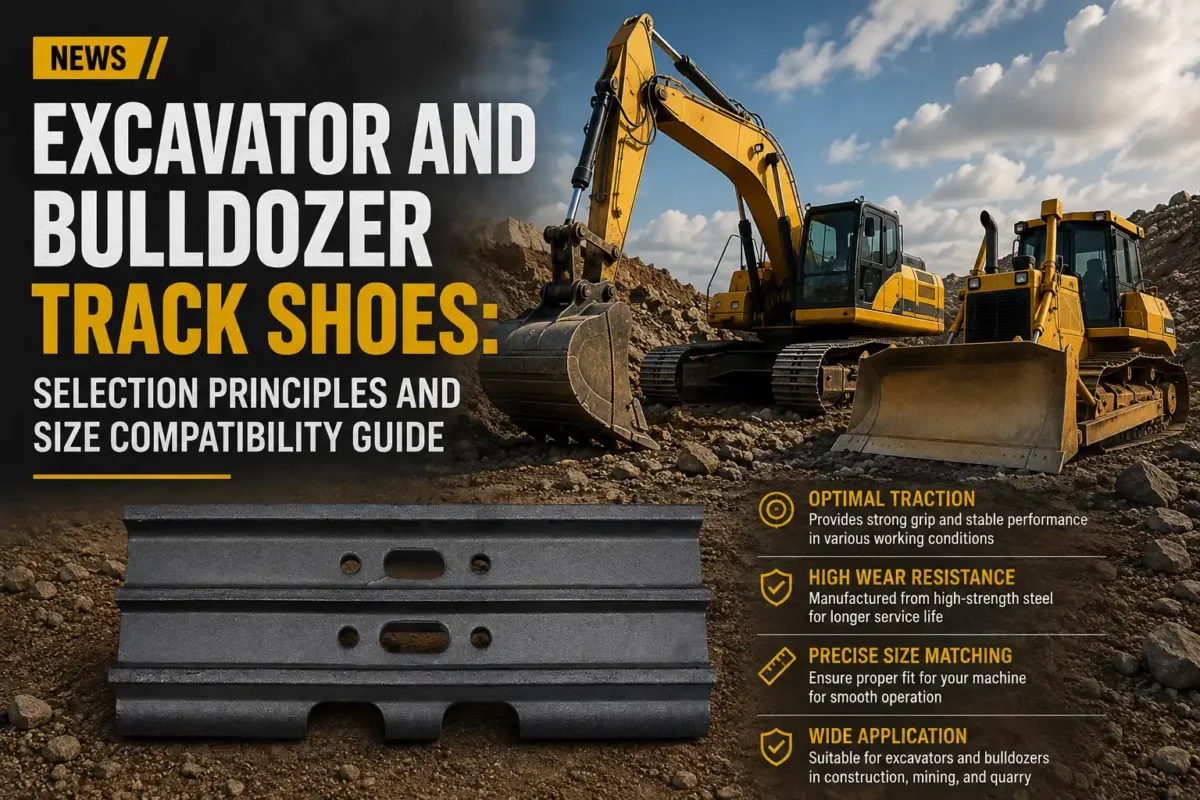
When it comes to undercarriage maintenance, few decisions influence machine performance as much as track shoe selection. For excavators, bulldozers, and other tracked equipment, the wrong choice can lead to excessive wear, costly downtime, and dissatisfied customers. For dealers, understanding how track shoes perform across different terrains is not just a technical matter—it’s a pathway to building trust and securing repeat business.

Why Track Shoes Matter for Dealers

Track shoes form the direct contact between machine and ground. Their design affects traction, stability, flotation, and ultimately the operating cost of the equipment. Dealers who can guide their customers toward the correct shoe for the job site are not only selling parts—they are offering problem-solving expertise. This consultative approach can differentiate a dealer from competitors who focus only on price.

Key Track Shoe Types and Applications

Single Grouser Shoes

  • Best suited for dozers in rocky or hard-packed terrain, where aggressive penetration and traction are needed.
  • Downsides include increased ground disturbance and faster wear on paved or sensitive surfaces.

Double Grouser Shoes

  • A compromise between traction and versatility.
  • Ideal for excavators working in mixed environments such as construction sites where machines switch between soil, gravel, and compacted ground.

Triple Grouser Shoes

  • Provide more surface area and stability, commonly used on excavators in urban or road construction projects.
  • They reduce ground damage but offer less traction compared to single grousers in extreme terrain.

Swamp or Wide Shoes

  • Specifically designed for wet, muddy, or swampy conditions.
  • They increase flotation, reducing the chance of machines sinking into soft ground. However, they accelerate wear when used on rocky surfaces.

Narrow Shoes

  • Best for machines working in tight, confined areas or on abrasive terrain where concentrated pressure is required.
  • Often chosen for demolition work or quarries.

Common Missteps Customers Make

Dealers often encounter customers who focus solely on initial cost rather than the long-term operating implications of track shoe choice. Some frequent mistakes include:

  • Using swamp shoes on rocky ground, leading to cracked shoes and accelerated undercarriage wear.
  • Installing single grouser shoes for urban projects, where they damage pavement and reduce machine stability.
  • Ignoring machine type and weight, assuming all excavators or dozers can use the same shoe profile.

By educating customers about these pitfalls, dealers can reinforce their value as trusted advisors, not just suppliers.

Dealer’s Role in Matching Shoes to Terrain

For dealers, the ability to recommend the right shoe means considering more than just the terrain. Key factors include:

  • Machine weight and size class – heavier machines need more robust shoes.
  • Operating conditions – frequency of travel, grade steepness, and soil abrasiveness.
  • Customer priorities – whether the focus is maximum traction, minimal ground disturbance, or extended shoe life.

By asking targeted questions, dealers can align the right product with the customer’s application. This consultative sales process increases customer loyalty and creates opportunities for cross-selling related undercarriage parts such as track links, rollers, and sprockets.

Building Dealer Success Through Expertise

Stocking the right mix of track shoes for local markets is another area where dealers can excel. For example:

  • In agricultural and soft-soil regions, wide swamp shoes are consistently in demand.
  • In urban development areas, triple grouser shoes for excavators are fast movers.
  • In mining or quarry markets, narrow or single grouser shoes dominate.

By analyzing local industry activity and forecasting demand, dealers can optimize their inventory while avoiding overstock of slow-moving models.

Conclusion

The right track shoe selection is more than a technical choice—it’s a critical factor in machine productivity and customer satisfaction. For dealers, the ability to explain differences and guide buyers to the most suitable option builds credibility and fosters repeat business. Instead of focusing only on unit sales, dealers who act as advisors in undercarriage component selection can expand long-term revenue streams and strengthen customer relationships.