Hydraulic Cylinders and Seals: Boosting Revenue with Complementary Products
In the highly competitive excavator spare parts industry, aftermarket suppliers and distributors are constantly looking for ways to enhance customer value and drive revenue. One of the most effective yet often underutilized strategies is cross-selling hydraulic cylinders and sealing kits. These two components are functionally interdependent—making them a natural pairing for both performance and profitability.
Understanding the Functional Relationship
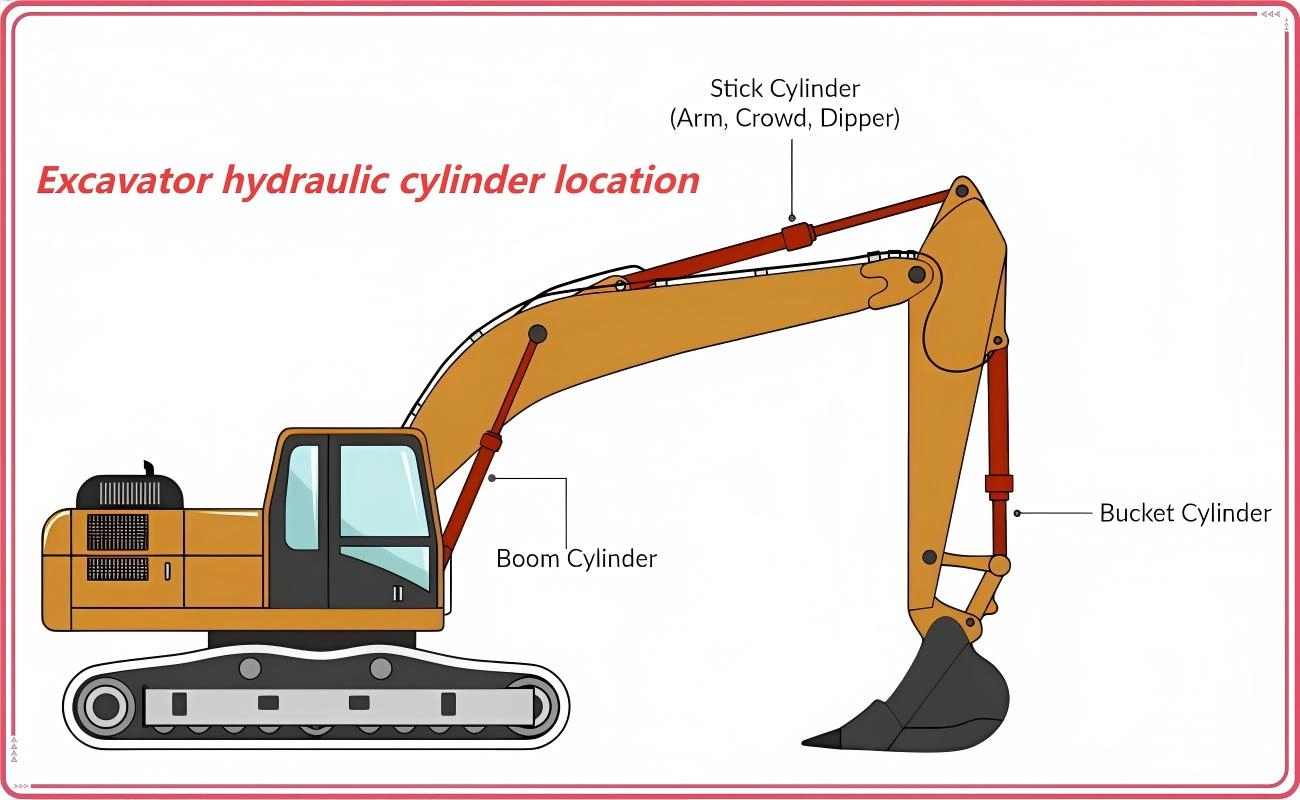
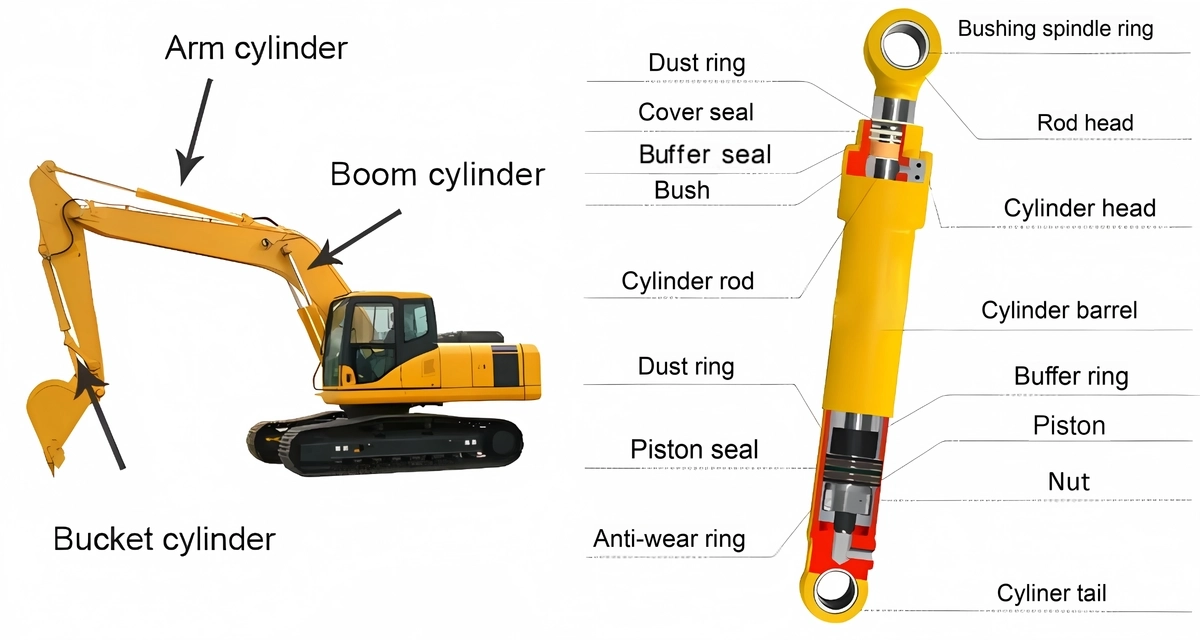
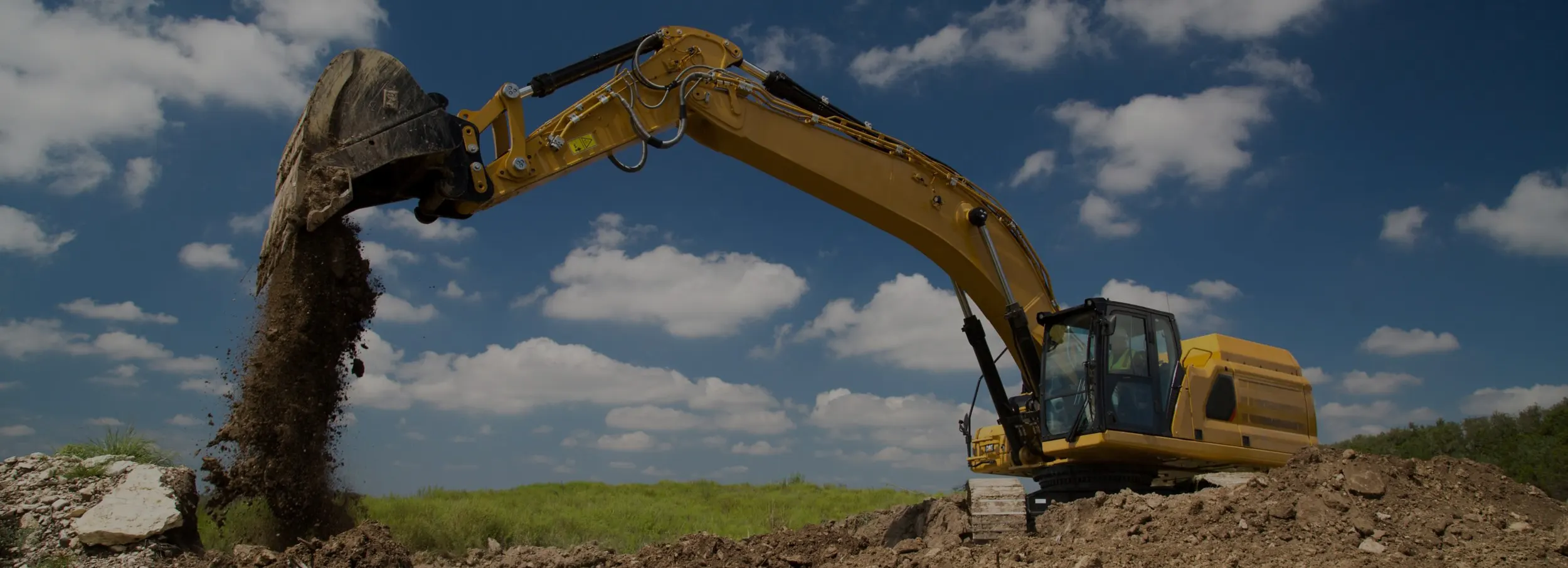
Hydraulic cylinders are critical actuators that power the boom, arm, and bucket movements of an excavator. Each cylinder is a high-pressure mechanism composed of a cylinder barrel, piston rod, and end attachments. However, what ensures the performance and longevity of these components is the integrity of their sealing systems—including rod seals, piston seals, buffer rings, and dust wipers.
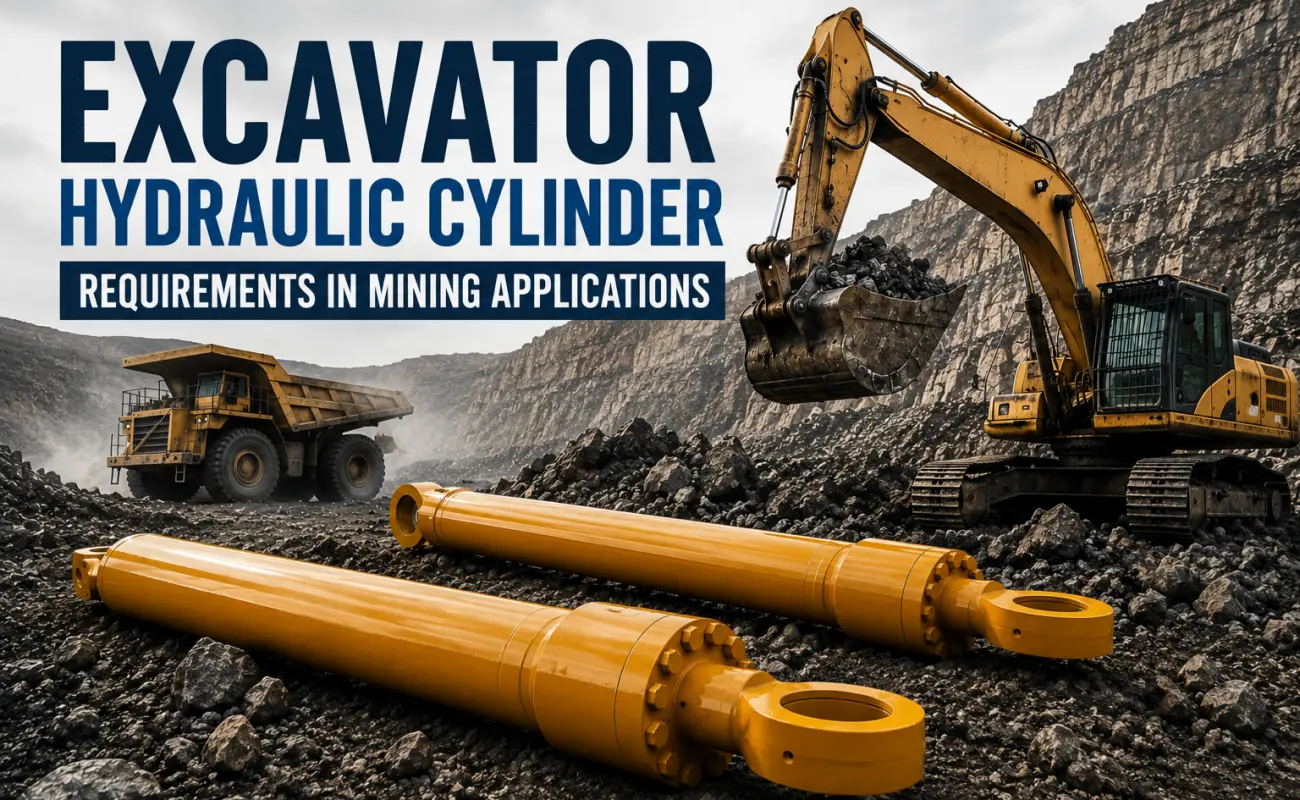
Over time, both cylinders and seals are exposed to intense pressure, contamination, and abrasion, especially in harsh environments like mining, demolition, or wetland projects. A degraded seal can cause internal leakage, reduced efficiency, or even complete cylinder failure. This makes replacing or maintaining seals during cylinder replacement or servicing not only logical but essential.
Why Cross-Selling Makes Technical and Commercial Sense
From a technical perspective, seals and cylinders are mutually dependent. If a customer replaces a hydraulic cylinder but continues to use worn-out or mismatched seals, performance degradation is inevitable. Likewise, upgrading seals in a fatigued cylinder barrel is a temporary fix at best.
This interdependence creates a natural opportunity for dealers and service providers to offer complete cylinder kits, combining:
- The hydraulic cylinder (boom, arm, or bucket type)
- Corresponding seal kit with matching dimensions and material specs (PU, PTFE, NBR, etc.)
- Optional bushing or pin sets for full joint replacement
By bundling these items, customers benefit from a one-time service intervention, reducing downtime and avoiding compatibility issues. For distributors, this increases the average order value (AOV) and creates stronger customer retention through full-scope support.
Case Example: Excavator Arm Cylinder + OEM-Matched Seal Kit
Let’s say a customer operates a Komatsu PC200-8 and requires a replacement arm cylinder. If you're only offering the bare cylinder, you may be overlooking a significant upselling opportunity.
Instead, you can offer:
- A new arm cylinder manufactured with honed steel barrel and induction-hardened rod
- A pre-selected seal kit with OEM-grade nitrile seals and dust wipers
- A set of bushings and end pins, ready to install
This combination saves time for the customer and positions you as a comprehensive parts provider, not just a cylinder seller.
What to Consider When Cross-Selling Seals
To succeed with this strategy, your cross-sold seal kits must meet several criteria:
- Dimensional Accuracy – Tolerances should align with the cylinder’s machining specs.
- Material Compatibility – Seals should be selected based on working pressure, temperature, and fluid type.
- Application Matching – Mining, forestry, or urban jobs may require different sealing profiles or dust protection levels.
- OEM Reference Alignment – Including OEM or aftermarket cross-references simplifies the customer’s selection process.
By maintaining a seal kit database categorized by cylinder model, brand, and application, distributors can streamline the sales process and reduce the risk of mismatched parts.
Expanding to Other Hydraulic Applications
The same cross-selling logic applies to other hydraulic components, such as:
- Track adjuster cylinders with corresponding piston seals and wear rings
- Hydraulic breakers with nitrogen seals and rod buffers
- Dozer tilt cylinders paired with polyurethane seal kits designed for high-impact loads
By positioning seal kits as not just accessories but integral service components, your brand can become a trusted one-stop solution for hydraulic part needs.
Long-Term Benefits for Dealers and Customers
For dealers, the cross-selling of hydraulic cylinders and seal kits is a low-effort, high-return opportunity. It improves inventory turnover, deepens the customer relationship, and strengthens your technical credibility. Customers, in turn, benefit from fewer part compatibility issues, better equipment uptime, and confidence in the quality of their replacement parts.
In today’s market, offering just the bare minimum is no longer enough. Smart distributors and service shops must think in systems—not just in SKUs. By bundling hydraulic cylinders with their corresponding seal kits, you’re not just selling parts—you’re delivering performance, reliability, and value.