





Managing Seasonal Demand Fluctuations for Excavator Spare Parts


In the heavy equipment aftermarket, few challenges test a distributor's resilience and planning ability more than seasonal demand fluctuations. Excavator spare parts—ranging from undercarriage components to hydraulic cylinders and seals—often follow cyclical purchasing patterns dictated by regional climates, construction schedules, and budgetary cycles. For dealers and resellers, mastering these patterns is not just about supply—it’s about gaining competitive edge, maximizing turnover, and avoiding costly overstock or missed sales.
Seasonal Patterns Across Key Excavator Components
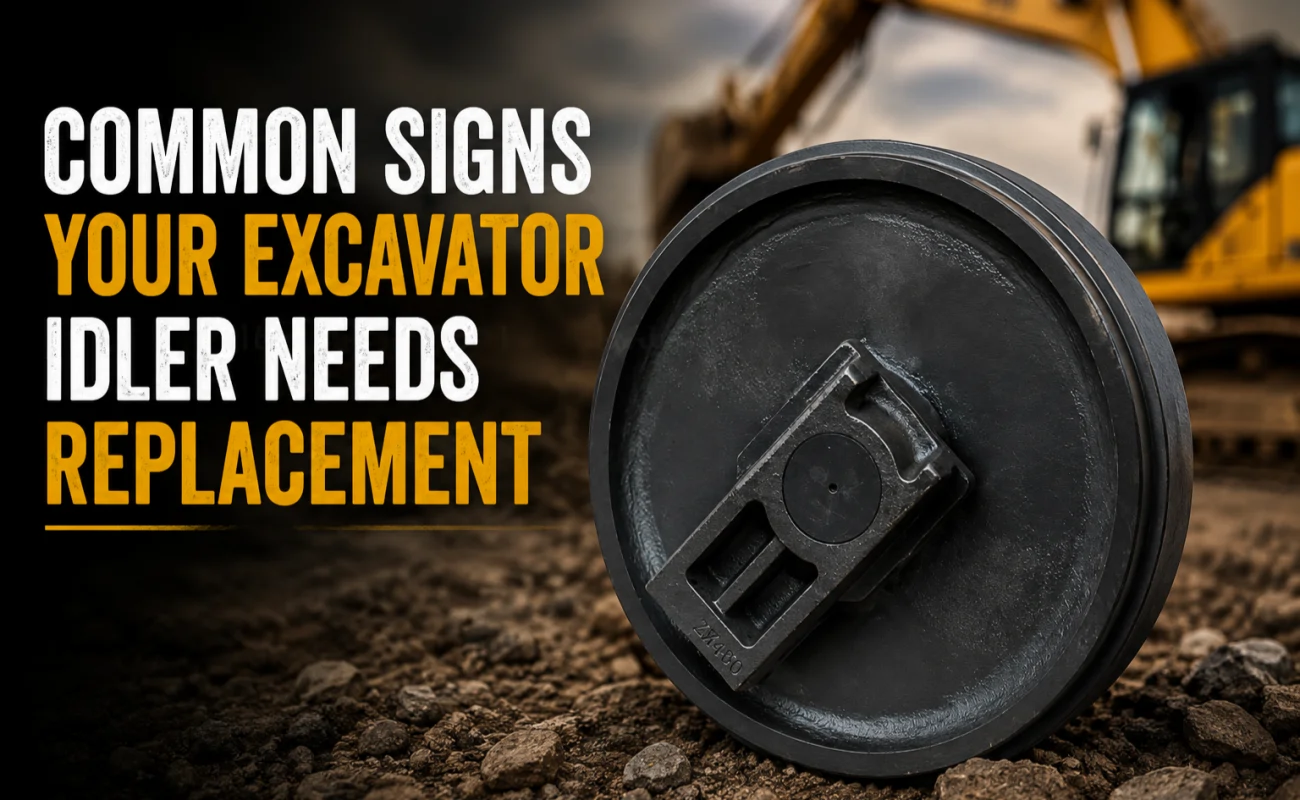
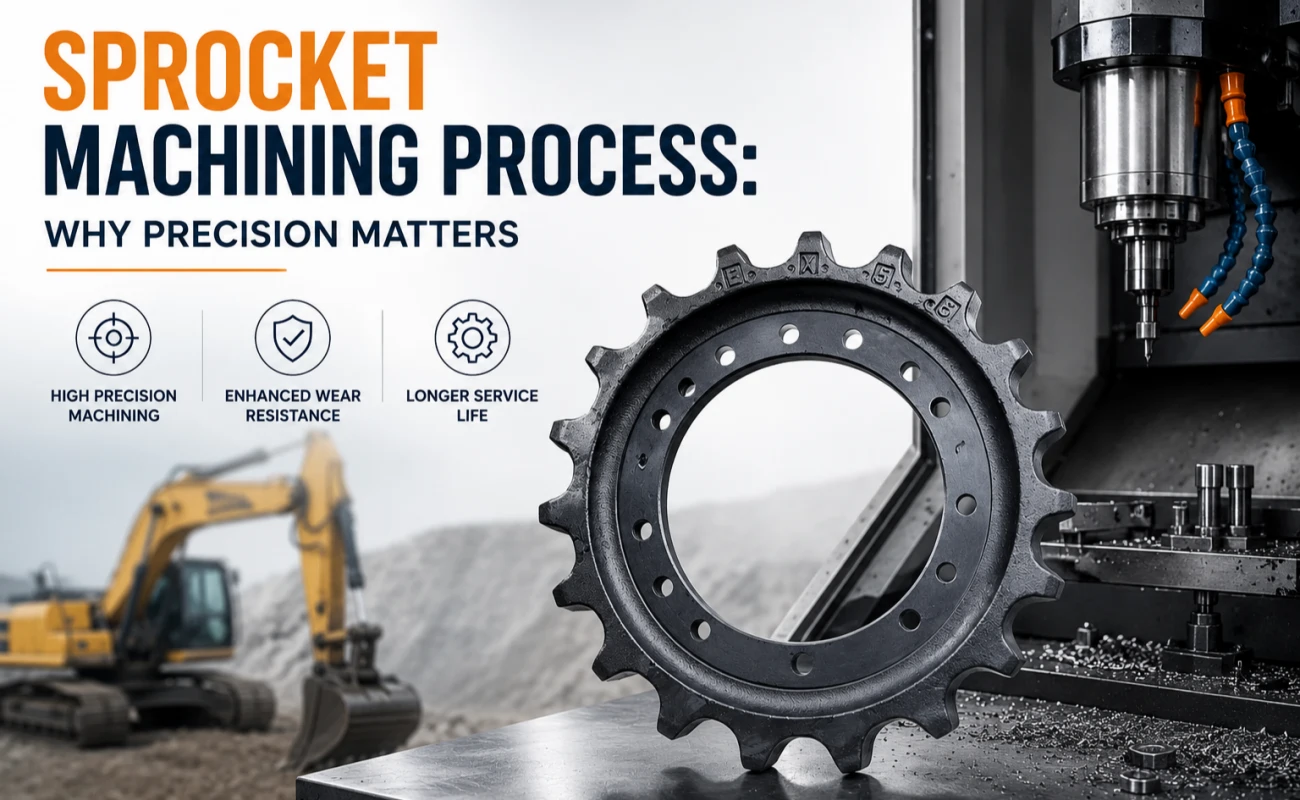
1. Undercarriage Components (Sprockets, Track Chains, Rollers, Idlers)
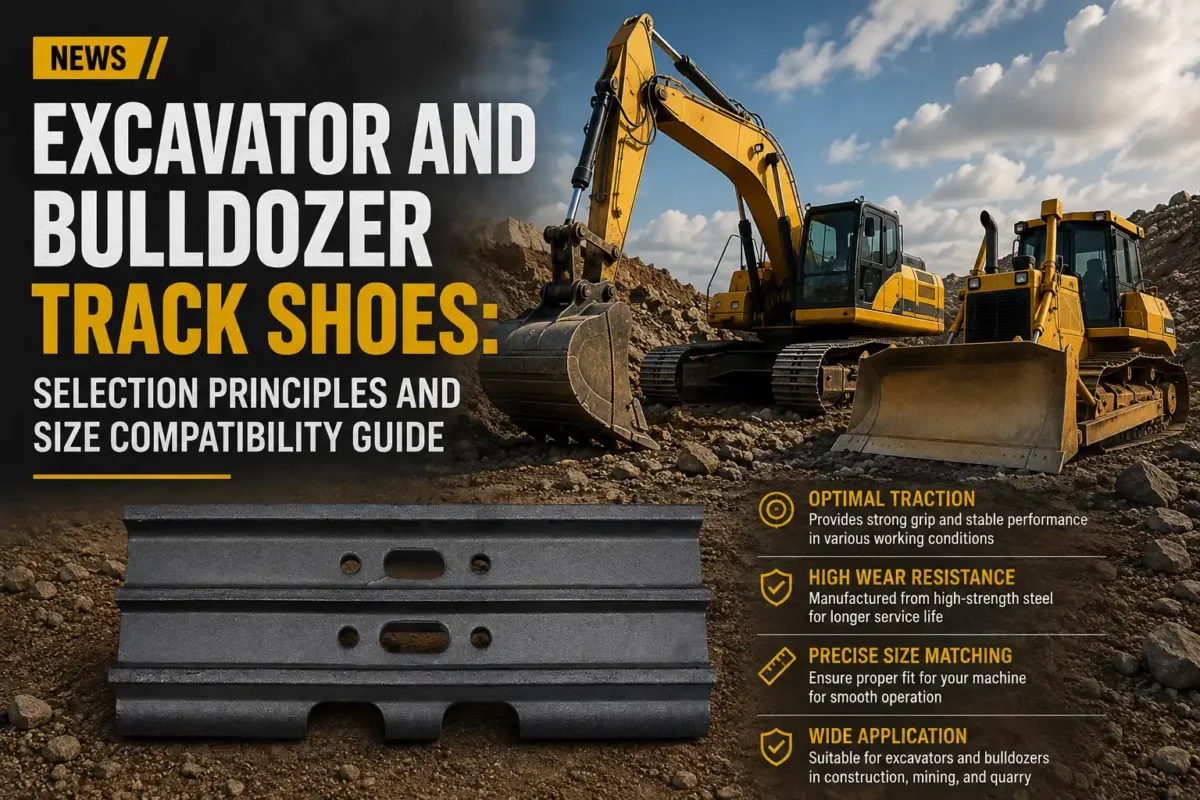
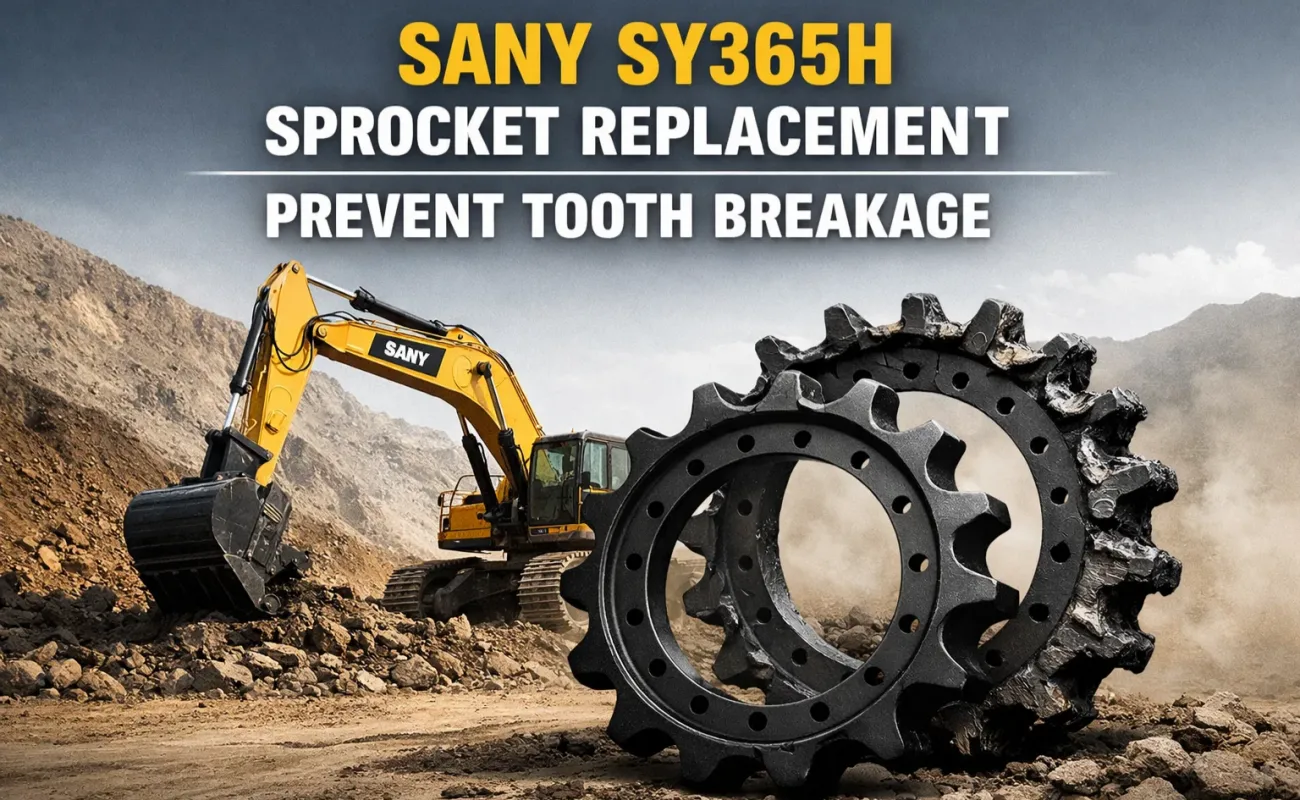
Demand for wear parts in the undercarriage segment spikes in the early spring and summer, especially in regions with cold winters. That’s when previously stored machines are brought back to job sites, and operators replace worn chains, rollers, or sprockets en masse. Dealers serving colder climates (e.g., Northern Europe, Northern China, or Canada) must anticipate restocking by Q4 to meet Q1–Q2 spikes.
Conversely, in tropical or arid regions where operations are year-round, demand follows machine usage intensity—typically peaking during post-rainy seasons when ground conditions stabilize.
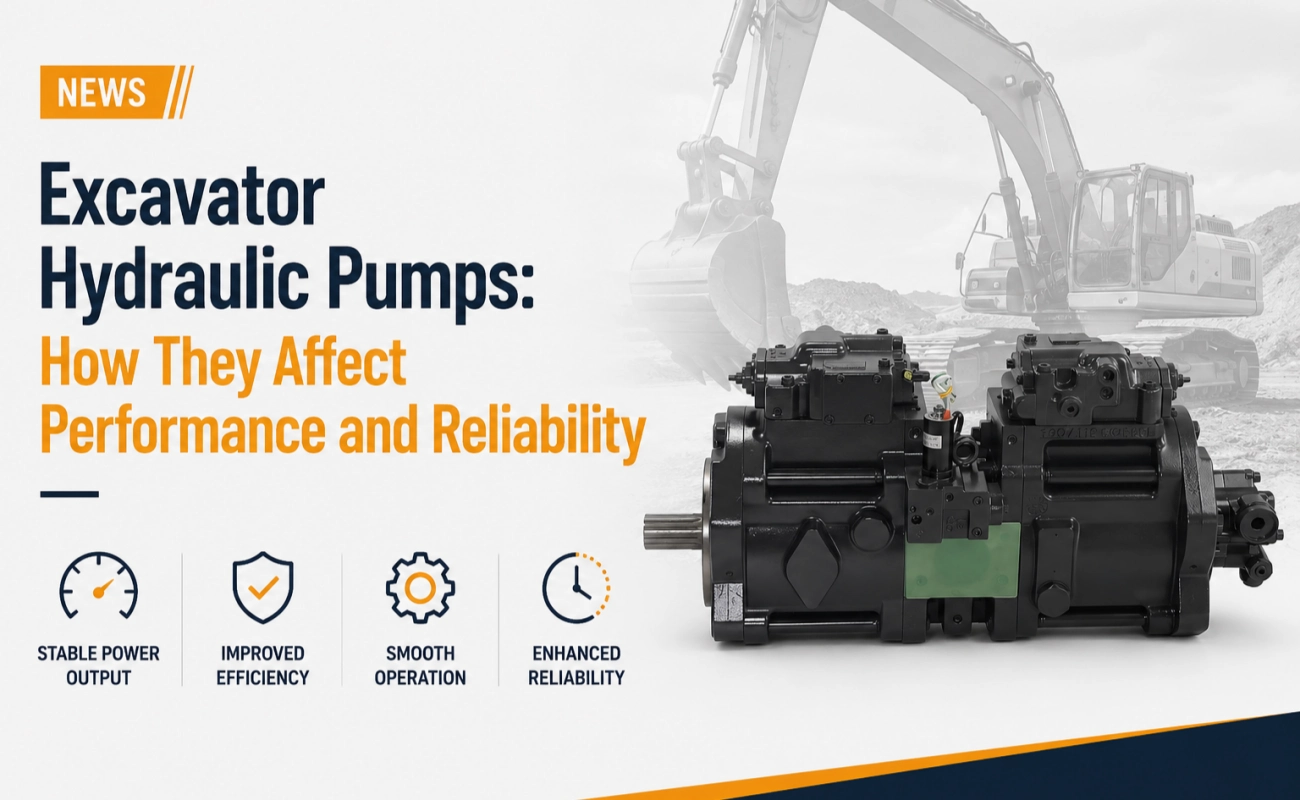
2.Hydraulic Components (Boom, Arm, and Bucket Cylinders)
Hydraulic failure is often unplanned but tends to correlate with increased machine activity, especially during high-volume project seasons (spring/summer or post-monsoon periods). Predictable upticks can occur when government-funded infrastructure projects release annual budgets, leading to a surge in construction activity.
3. Seals, Bushings, and Wear-Resistant Pins
These often-overlooked items follow the same curve as the components they support. For example, seal kits for cylinders and track adjusters are usually bundled with component replacements. Smart dealers bundle inventory accordingly and position seal kits as essential add-ons.
4. Electrical & Sensor Components
Demand for these tends to rise in colder months due to failures caused by condensation, ice damage, or battery-related faults. Pre-winter servicing prompts preventive replacements, especially for sensors and starter wiring.
Strategic Inventory Planning for Seasonal Shifts
A. Leverage Historical Sales Data
Historical quarterly sales data—segmented by region and product line—is a key tool for predicting demand surges. If your Q2 sprocket sales consistently exceed Q1 by 60% in a given region, stocking based on Q1 figures is a recipe for missed revenue.
B. Segment Inventory by Climate Zone
Dealers operating across multiple climate zones (e.g., tropical Southeast Asia and temperate Eastern Europe) should maintain zoned inventory strategies. Stocking undercarriage parts earlier in the year for cold regions and later for warmer ones avoids overstock.
C. Forecast Project Cycles and Tender Awards
In markets where public infrastructure drives machine usage, align inventory buildup with major tender announcement dates. For instance, many Asian countries launch road construction budgets after Q1, indicating a Q2–Q3 parts demand window.
Communication and Customer Expectation Management
Educating contractors and fleet managers on seasonal replacement cycles can build loyalty and reduce emergency orders. Offer pre-season checklists and promote early-bird ordering programs. Position your business as a proactive partner, not just a reactive supplier.
Example: Running a “Winter-Proof Your Fleet” campaign in September—offering bundled packages of seals, idlers, and pins—can drive Q4 sales while positioning your stock before the year-end fiscal freeze.
Flexibility in Logistics and Lead Time Planning
Shipping delays—especially for ocean freight—are compounded during global peak seasons. By integrating buffer lead times and negotiating flexible batch production schedules with manufacturers, distributors can avoid stock-outs or excessive air freight costs.
In addition, communicate with OEM-alternative suppliers to secure production capacity ahead of busy seasons. Manufacturers like ours offer production reservation programs for long-term partners, allowing you to lock in prices and avoid factory queue delays.
Product Diversification to Reduce Off-Season Gaps
Relying solely on high-wear items like sprockets or track links may leave you exposed during off-peak months. Consider diversifying your offering to include:
- Rebuild kits (e.g., for cylinders or travel motors)
- Low-turnover but high-margin items like bushings or steel castings
- Universal parts applicable to both excavators and bulldozers
Conclusion
Seasonal demand fluctuations in excavator spare parts are inevitable—but they don’t have to be disruptive. With data-driven planning, climate-zone segmentation, and proactive communication with both suppliers and end clients, dealers can turn seasonality into strategy.
By anticipating market needs across categories—from undercarriage to hydraulics—your business stays relevant, responsive, and ready.