


How to Read Casting Numbers and Match Them with OEM Part Codes

When dealing with heavy machinery replacement parts—especially undercarriage components like sprockets, rollers, or idlers—casting numbers are often the first clue to identifying what fits. However, casting numbers are not the same as OEM part codes. Understanding the relationship between them is crucial for equipment dealers, distributors, and aftermarket suppliers. This article will walk you through how to interpret casting numbers, differentiate them from OEM references, and accurately match parts for sourcing or sale.
1. What Is a Casting Number?
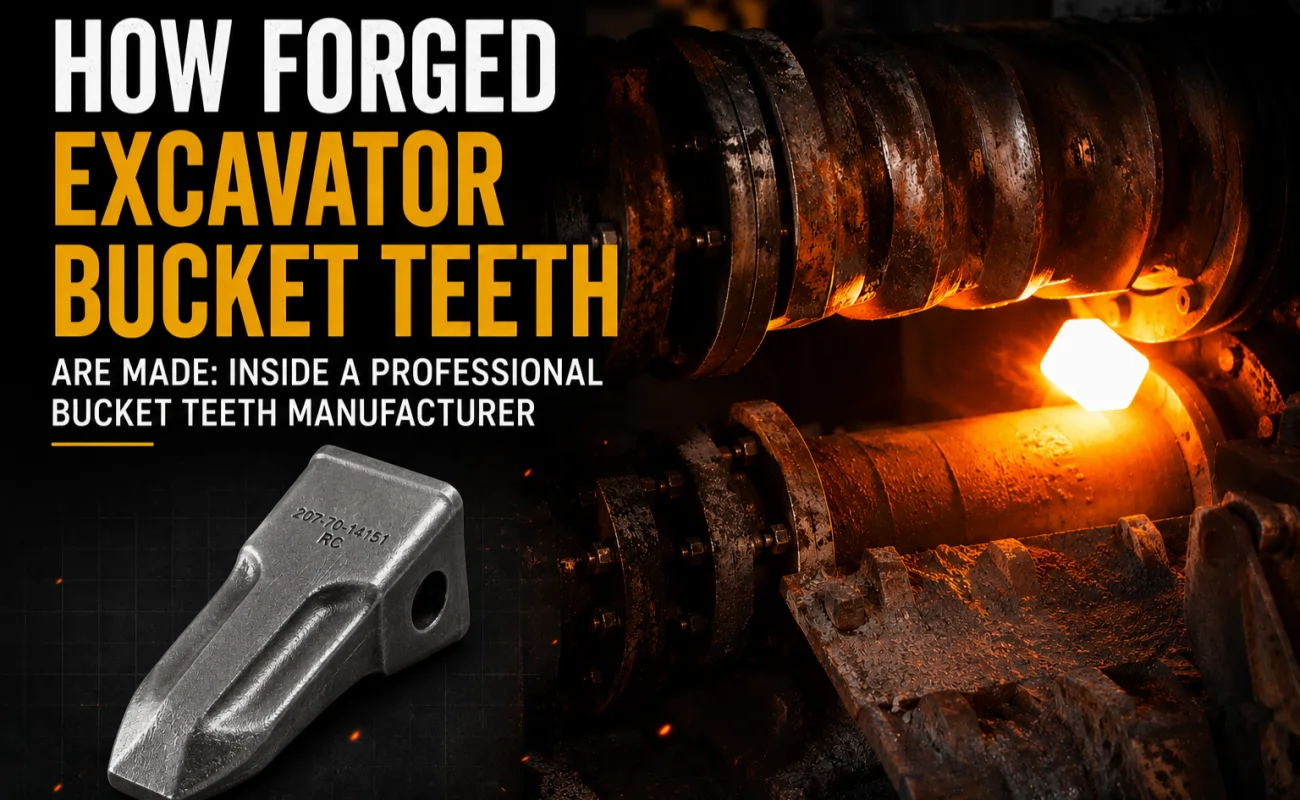
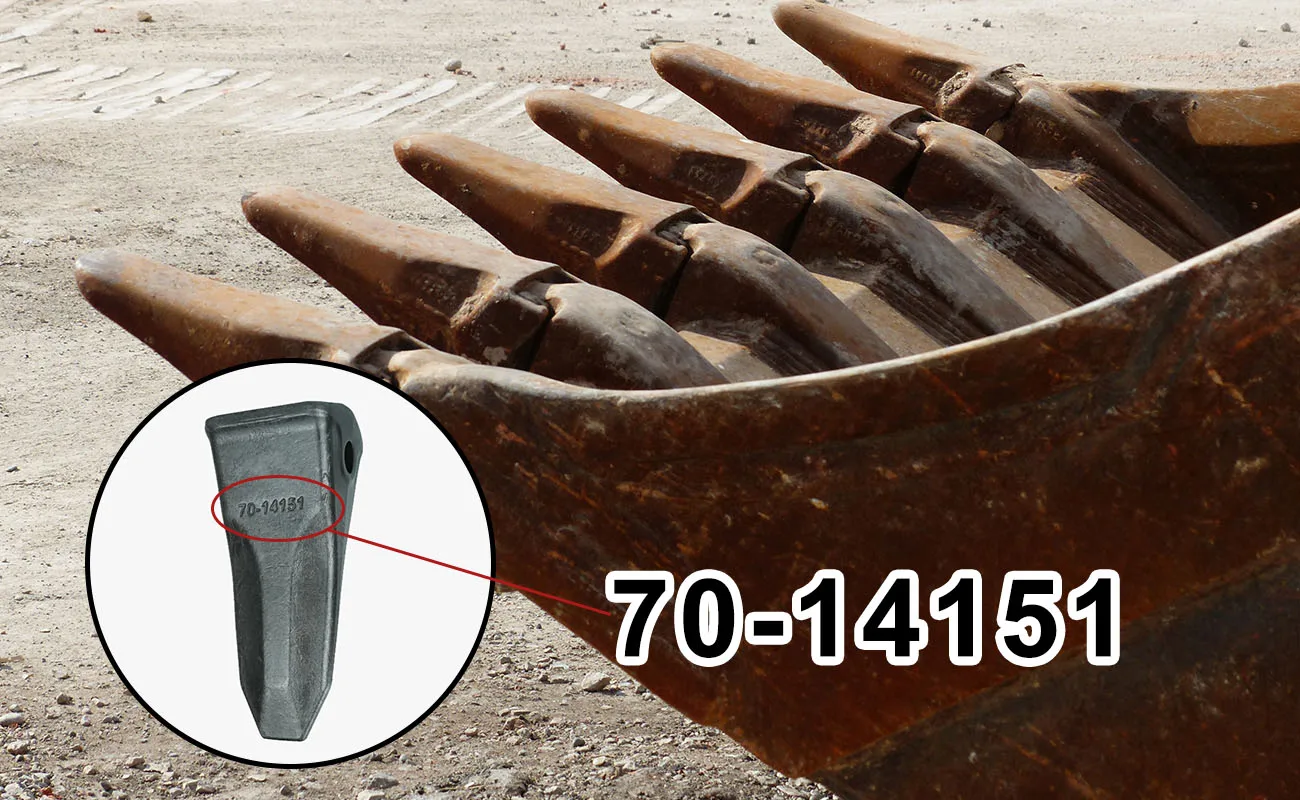
A casting number is typically a series of letters, numbers, or both, embossed or engraved into the metal surface of a part during its manufacturing process. Foundries assign these identifiers to molds, meaning the casting number reflects a mold or part version, not necessarily the exact OEM part number used in technical manuals.
You can usually find casting numbers:
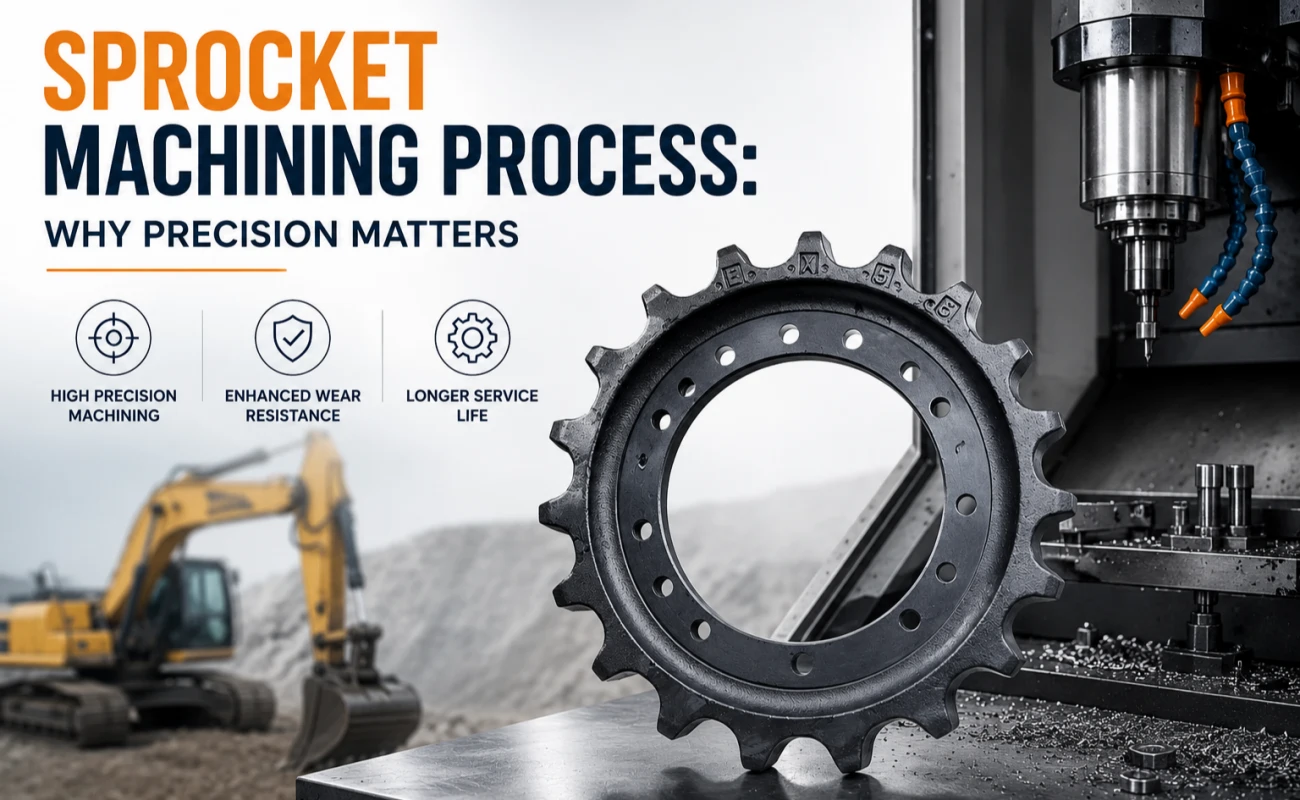
- On the body or flange of sprockets
- Along the sidewall of rollers
- On the inside or edge of idlers
- Near bolt holes or mounting brackets
These numbers help track mold types, revisions, or production batches, and they’re especially useful when OEM documents are missing.
2. OEM Part Numbers vs. Casting Codes: What’s the Difference?
An OEM part number (Original Equipment Manufacturer number) is the official identifier used in parts catalogs, service manuals, or order systems. These are specific to brand, machine model, and component type—for example, “20Y-27-11580” for a Komatsu PC200-7 carrier roller.
Meanwhile, a casting code like “D85-6-135” or “6I-2500” may reflect the mold series or pre-finish version of a component, and different OEM part numbers can share the same casting code.
So, casting codes help us narrow down compatibility, but they don’t always tell the whole story. You still need to cross-reference with OEM databases or experienced suppliers.
3. Why Casting Numbers Matter in Aftermarket Sales
In the real world, especially in international or second-hand markets, dealers may:
- Receive used components without part labels
- Face customers who only provide part photos or rough dimensions
- Handle requests for replacement parts based on visual ID
In these cases, casting numbers are vital. An experienced parts supplier will maintain a cross-reference database where casting numbers are linked to OEM part codes, machine models, and dimensional specs.
This is especially true when parts are re-manufactured, adapted from similar models, or sold as aftermarket equivalents.
4. How to Use Casting Numbers to Find the Right Part
Here’s a practical process you can use when a customer sends you a casting number:
- Verify the location of the casting code and what part it's on.
- Check your internal reference sheets or databases. Many suppliers develop their own lookup tables over time.
- Consult online resources—some parts sites or suppliers provide open casting-to-OEM matching tables.
- Ask the customer for extra details, such as the machine brand, model, or dimensions (e.g., bolt hole pitch, flange width, etc.)
- Confirm compatibility not just by code, but by specs—especially for parts like track links or sprockets, where pitch and tooth shape matter.
5. Red Flags to Watch For
- Multiple versions of the same casting: A casting number may be reused for parts with minor dimensional changes.
- Misleading stampings: Some aftermarket parts include codes mimicking OEM formats but with no real OEM lineage.
- Worn surfaces: Sometimes the code is unreadable or incomplete, which requires additional measurements for verification.
6. Tips for Dealers and Suppliers
- Build a visual reference library—keep photos of casting codes linked to OEM numbers and machines.
- Train your team to recognize high-frequency casting codes and their applications.
- Maintain communication with reliable manufacturers who can confirm casting-to-OEM matches from their mold archives.
- Be transparent with customers when offering replacements—note if your part matches by casting, OEM, or specs.
Conclusion
For aftermarket parts professionals, learning how to decode casting numbers is more than just a skill—it’s a business advantage. It can save time, reduce returns, and strengthen your credibility with customers. As the market becomes more globalized and OEM data isn’t always at hand, being fluent in casting code logic is an essential part of running a successful undercarriage or heavy equipment parts operation.