


Why Small Stocking Decisions of Excavator Parts Can Make a Big Difference

In the competitive world of construction equipment distribution, dealers are constantly looking for ways to optimize revenue while keeping operational costs in check. While many distributors focus on major strategic investments or large-scale marketing campaigns, one often overlooked factor can have a significant impact on profitability: small stocking decisions. The parts you choose to keep on hand—or not—can directly affect customer satisfaction, cash flow, and long-term revenue growth.
Understanding the Importance of Stocking Decisions
Every construction company relies on the uptime of its machinery. When an excavator, bulldozer, or loader experiences downtime due to a worn track chain, faulty hydraulic cylinder, or a missing seal kit, the cost is not just the repair itself—it’s lost productivity, delayed projects, and frustrated clients. Dealers who anticipate these needs and maintain a well-considered stock of essential components can position themselves as reliable partners, fostering repeat business and stronger client relationships.
However, stocking every possible part is neither practical nor profitable. Carrying excessive inventory ties up capital, increases storage costs, and risks part obsolescence. Conversely, understocking frequently requested items can result in lost sales and damaged reputation. This delicate balance makes small, informed stocking decisions critical for maximizing dealer revenue.
Identifying High-Impact Parts
Not all parts contribute equally to revenue or customer loyalty. Dealers should focus on high-turnover, high-need components that are most likely to be required in urgent situations. Examples include:
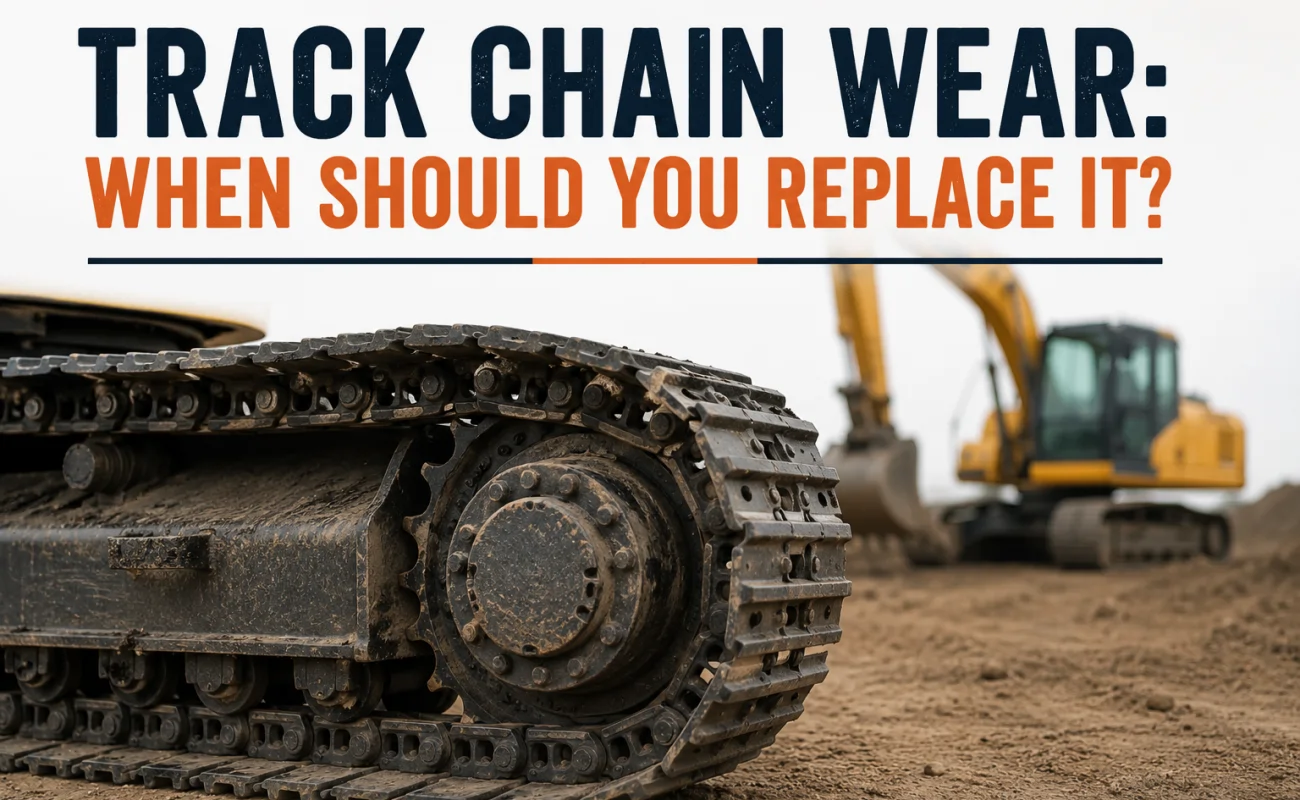
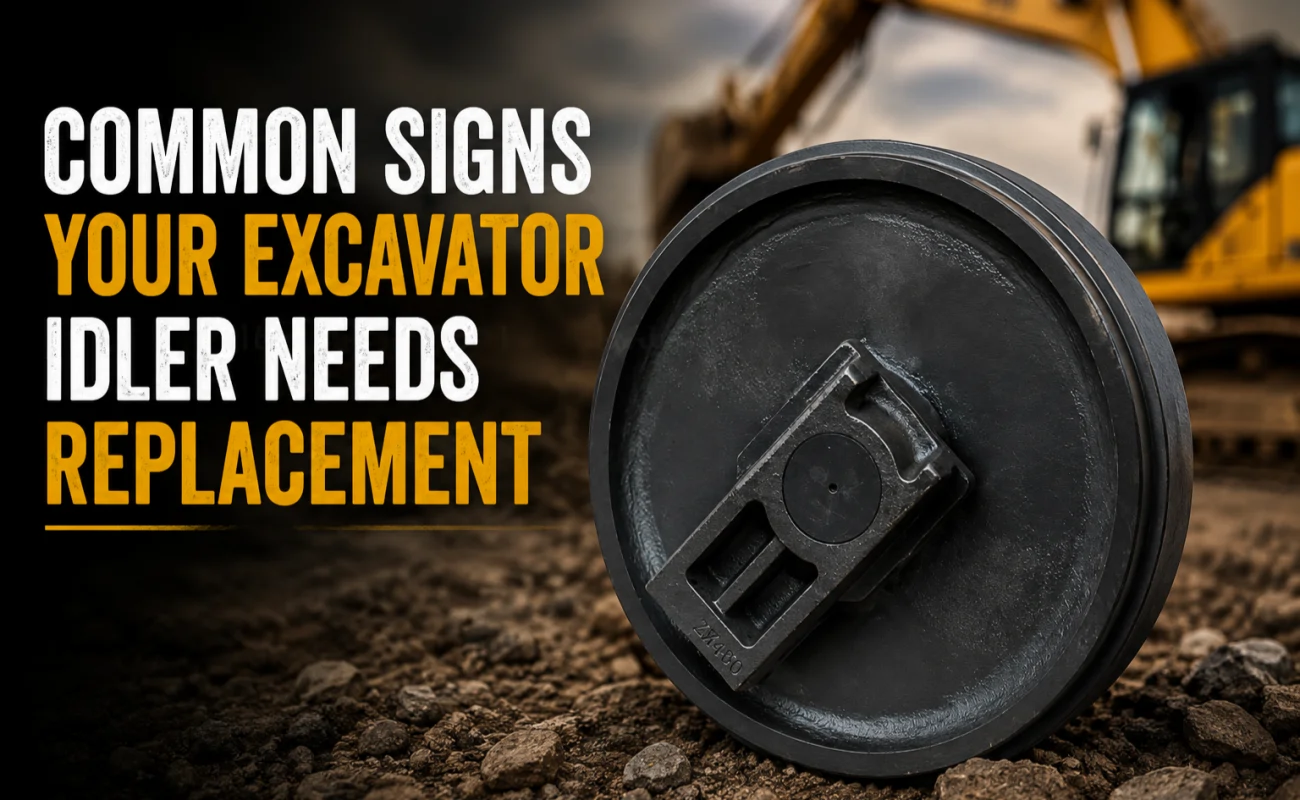
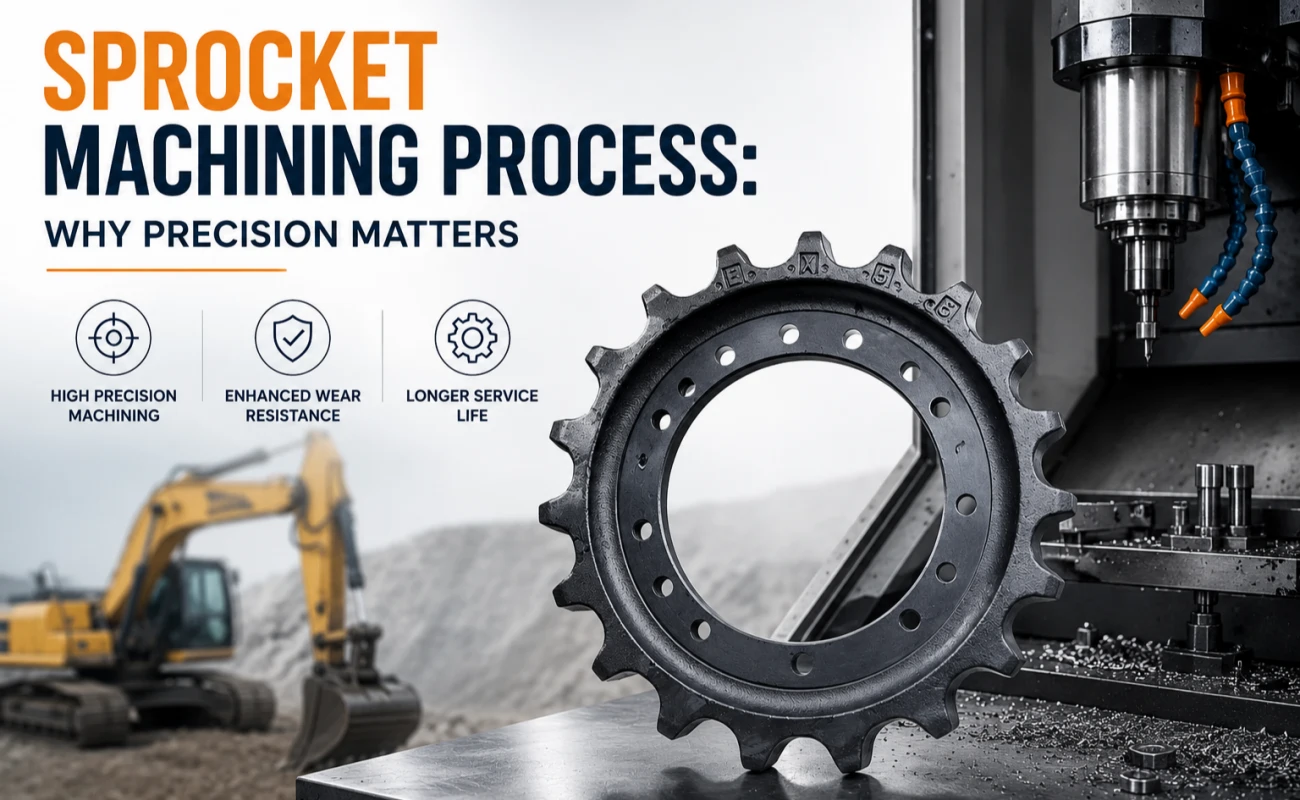
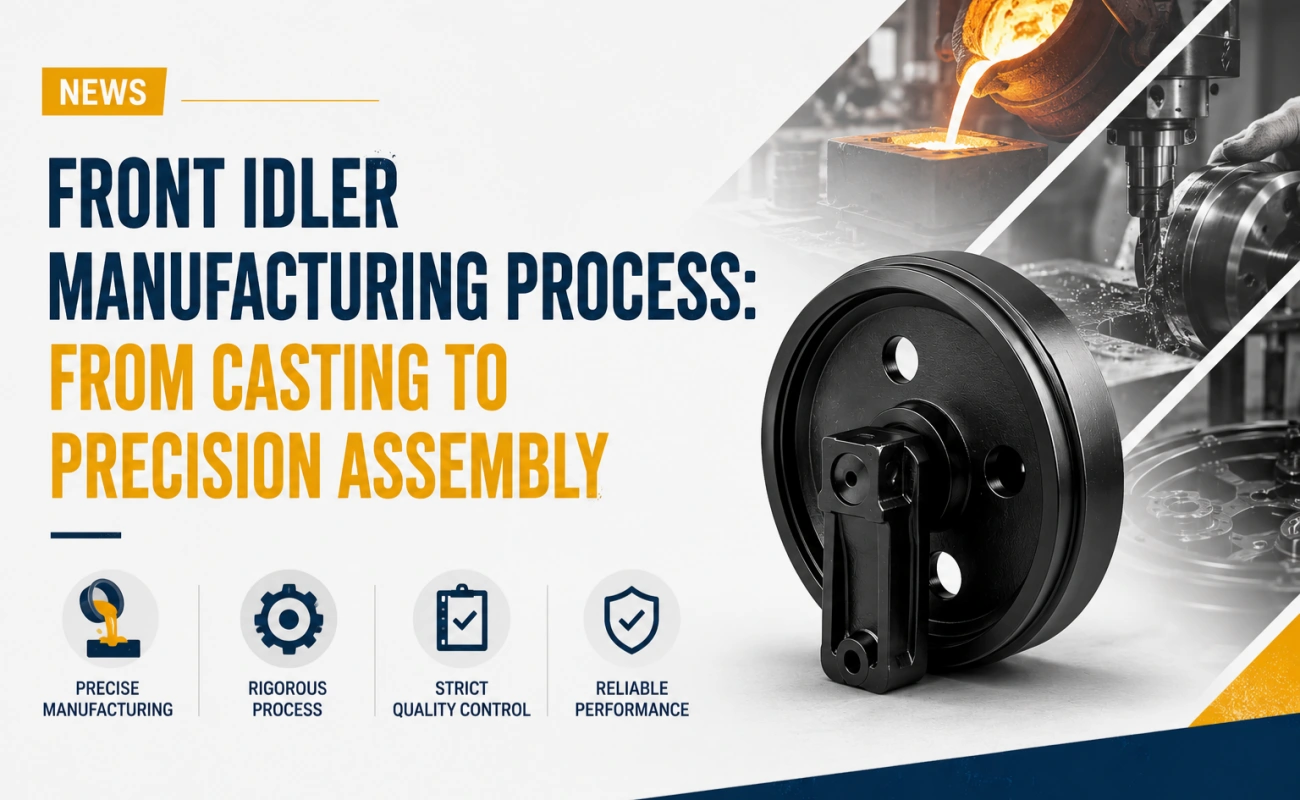
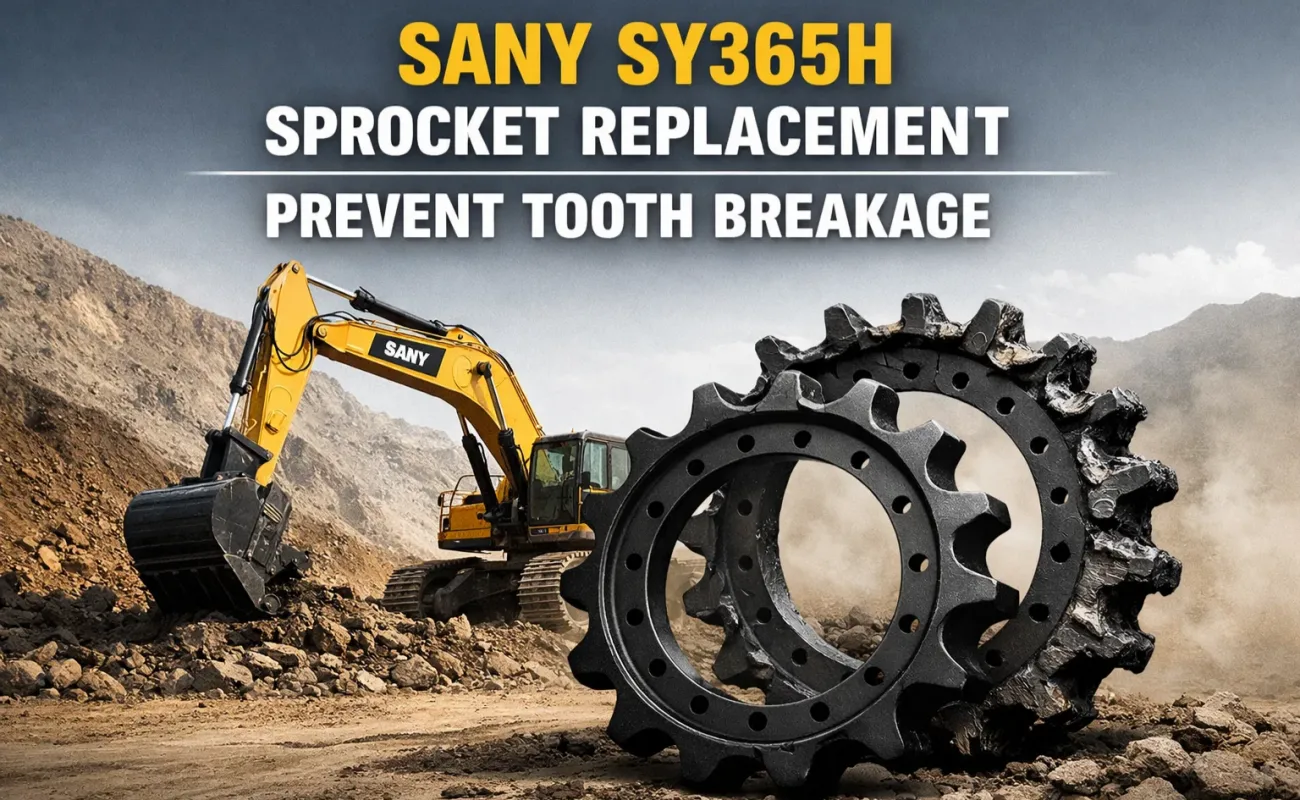
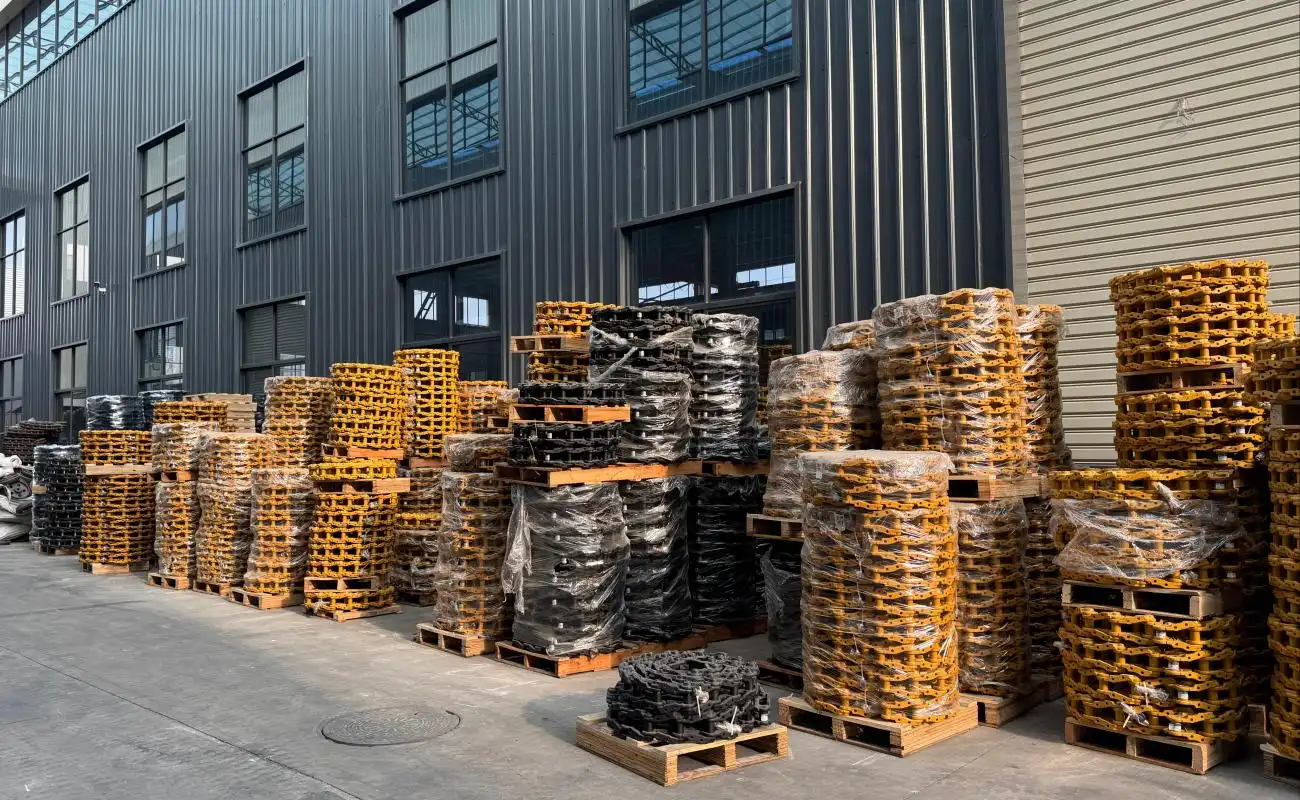
- Undercarriage components: track chains, sprockets, idlers, rollers
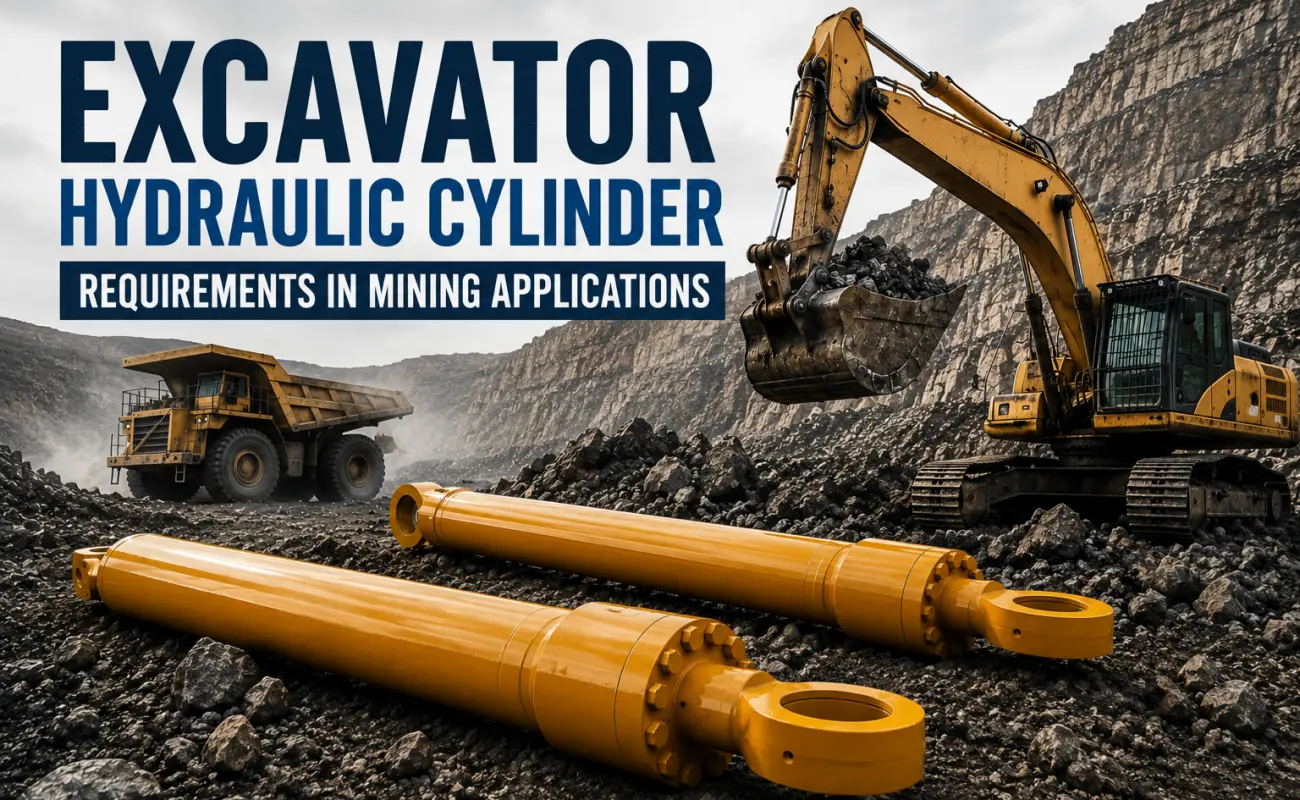
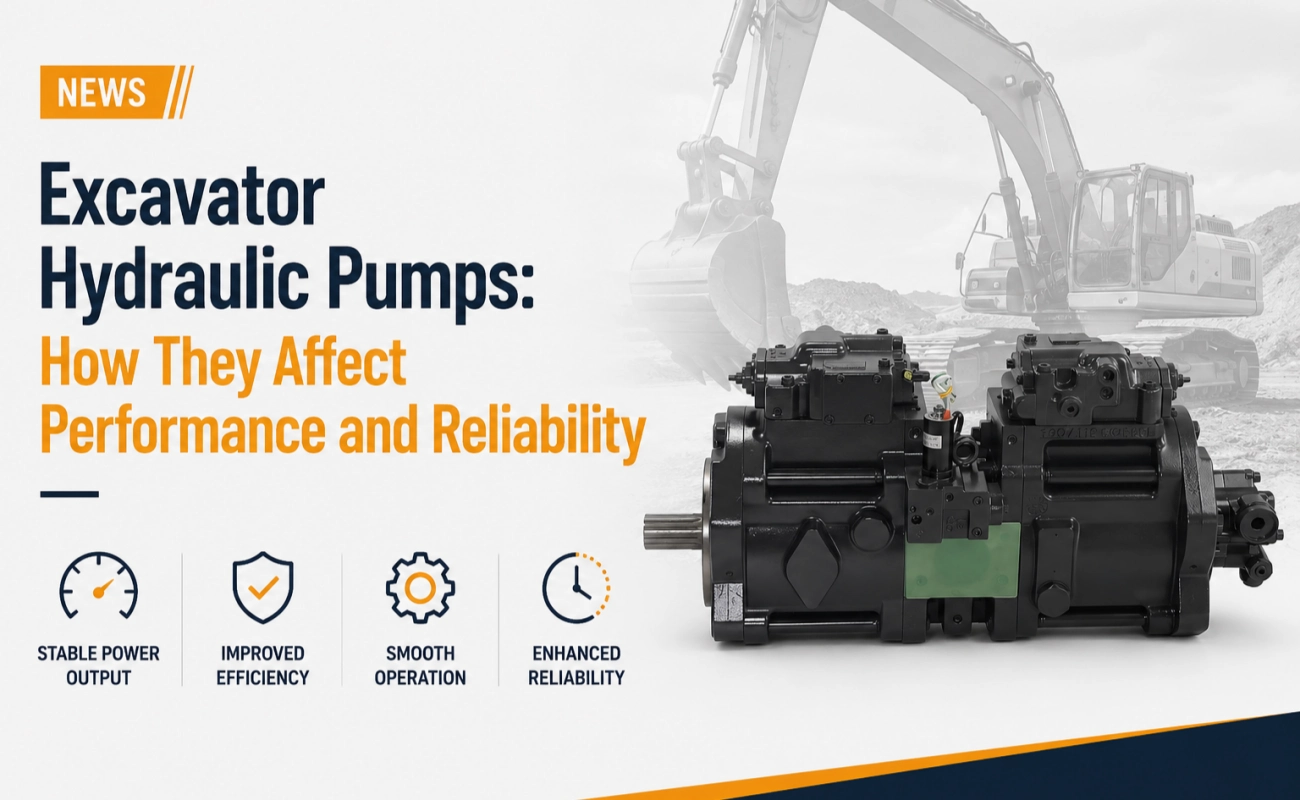
- Hydraulic cylinders: boom, arm, and bucket cylinders
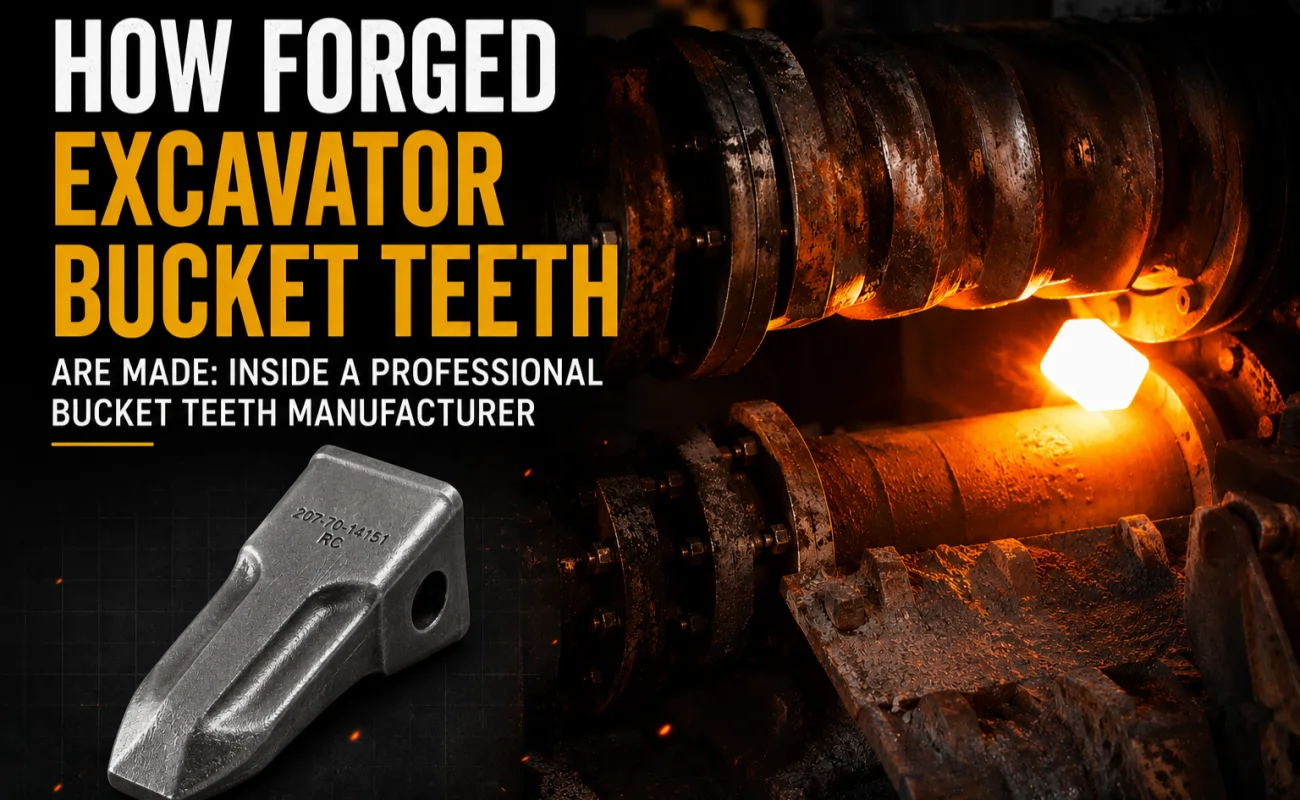
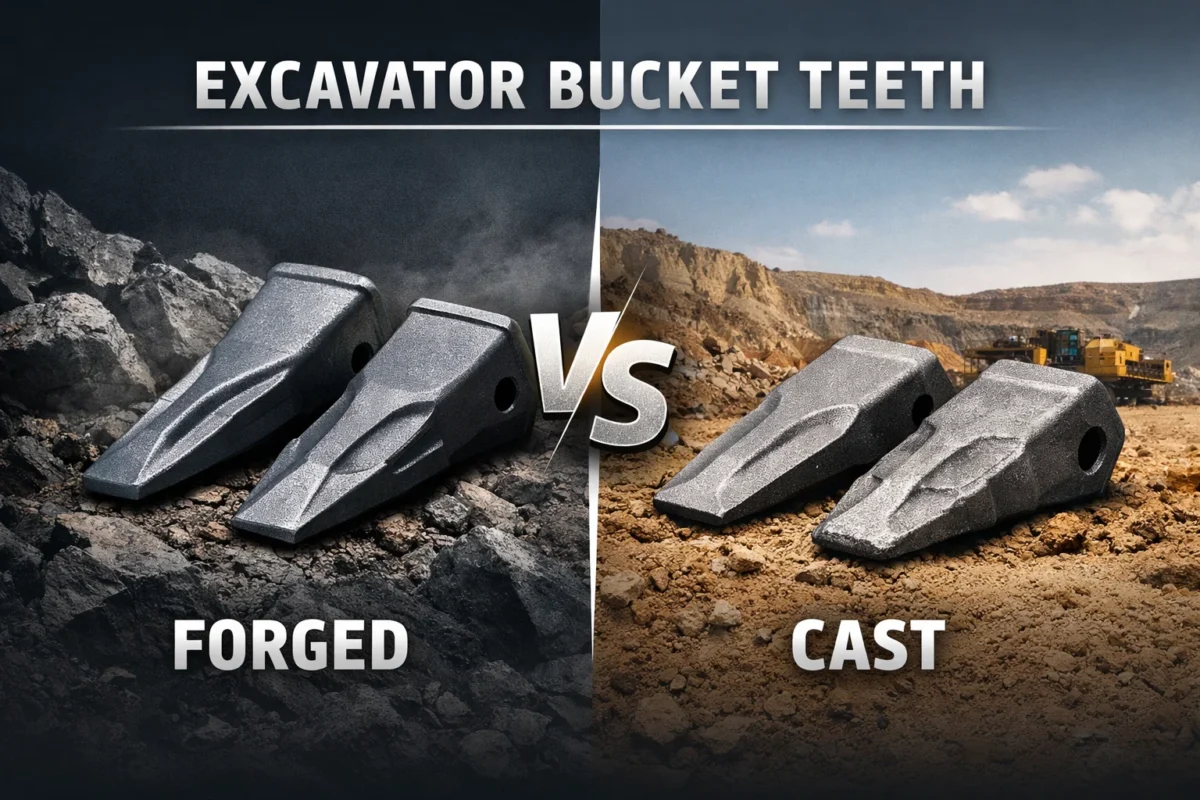
- Wear parts: bucket teeth, adapters, and pins
- Seals and O-rings: for both hydraulic systems and engines
By analyzing sales data, maintenance trends, and local market conditions, dealers can identify which parts generate the highest return on investment and prioritize stocking those items.
Leveraging Data and Supplier Relationships
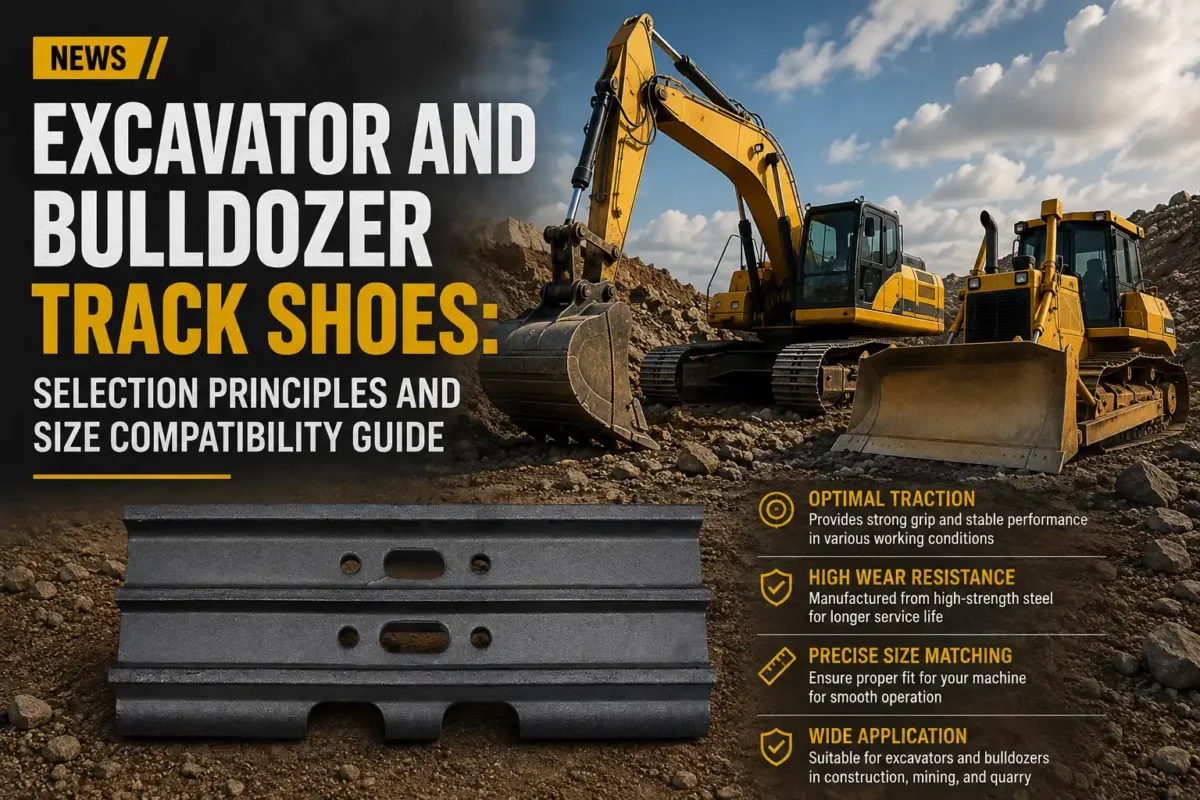
Modern dealers have access to powerful tools for inventory management. By tracking historical sales, seasonal demand, and machine fleet composition, distributors can make more precise stocking decisions. For instance, in regions where excavators operate in muddy or rocky terrain, wear parts such as track shoes and rollers may need to be replenished more frequently. Similarly, areas with extreme cold or heat may require specialized hydraulic seals or corrosion-resistant components.
Strong relationships with suppliers also play a crucial role. By negotiating favorable lead times, flexible order quantities, or drop-shipping options, dealers can minimize the risk of overstocking while ensuring urgent parts are always available. This combination of data-driven decisions and supplier collaboration allows distributors to optimize inventory and improve cash flow.
Small Decisions, Big Revenue Impact
Even seemingly minor stocking decisions can ripple through a dealer’s business:
- Customer Loyalty – Keeping the right parts in stock ensures that clients can repair machines quickly, strengthening trust and repeat purchases.
- Revenue Consistency – High-demand, fast-moving items contribute directly to steady monthly sales, while understocked items may result in missed revenue opportunities.
- Operational Efficiency – Minimizing unnecessary inventory reduces storage costs and frees up working capital for strategic investments.
- Competitive Advantage – Dealers who consistently have critical parts available differentiate themselves from competitors, attracting new clients and retaining existing ones.
Practical Tips for Dealers
- Regularly review sales data and identify top-performing parts by volume and frequency.
- Analyze client machinery profiles to anticipate part demand.
- Maintain buffer stock for high-risk components prone to wear or failure.
- Collaborate with suppliers for flexible supply options to reduce capital lock-in.
- Consider bundling complementary parts for faster sales and increased average order value.
Conclusion
Small stocking decisions are far more than operational details—they are strategic choices that directly affect a distributor’s bottom line. By carefully selecting which components to keep on hand, analyzing market and client needs, and leveraging strong supplier relationships, dealers can not only improve customer satisfaction but also significantly boost revenue. In the competitive spare parts market, success often comes down to these thoughtful, informed decisions that might seem small at first glance but have outsized impact over time.
For dealers looking to optimize their inventory and ensure they always have the right parts on hand, partnering with a reliable supplier is key. At KINTON PARTS, we offer a wide range of high-quality excavator components, from undercarriage parts and hydraulic cylinders to wear items and seal kits. If you’re interested in expanding your stock, improving customer satisfaction, and boosting revenue, contact us today to discuss your needs and explore tailored solutions for your distribution business.