


Excavator Attachments and Wear Parts: Opportunities Beyond Undercarriage


When most dealers think about excavator spare parts, undercarriage components—such as track chains, rollers, idlers, and sprockets—tend to dominate the conversation. These parts are undeniably critical, and they represent a large portion of recurring demand. However, limiting your inventory and sales strategy only to undercarriage parts may leave significant opportunities untapped. Excavator attachments and wear parts present a growing revenue channel for distributors who want to expand their portfolio, diversify risk, and build stronger relationships with customers.
Why Attachments and Wear Parts Matter
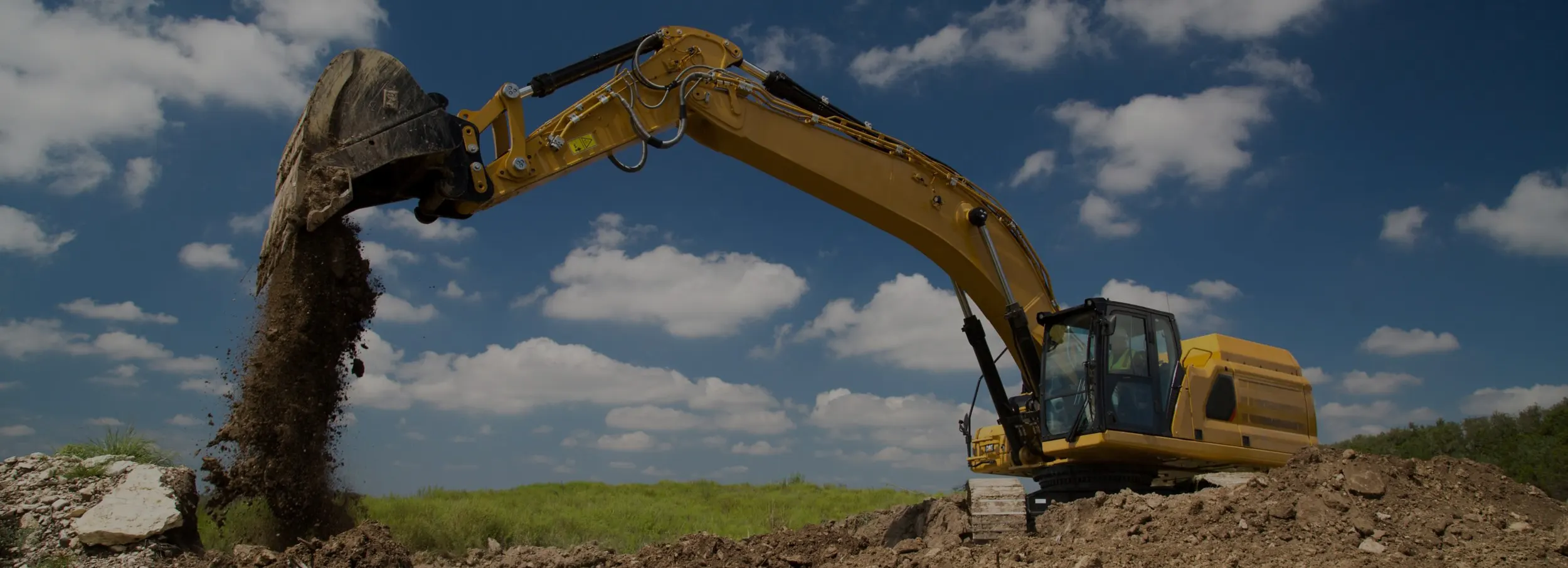
Unlike structural parts that may last years, attachments and wear components are exposed to constant friction, impact, and abrasion. This makes them some of the most frequently replaced items on an excavator. From digging in rocky soil to hammering concrete or handling abrasive materials, every application accelerates the wear cycle.
For dealers, this means one critical thing: high turnover rates. Attachments and wear parts generate repeat sales opportunities at a faster pace than many undercarriage parts. By stocking and promoting these components, distributors can capture more consistent revenue while becoming indispensable to their customers.
Key Categories to Consider
1. Bucket Teeth and Adapters
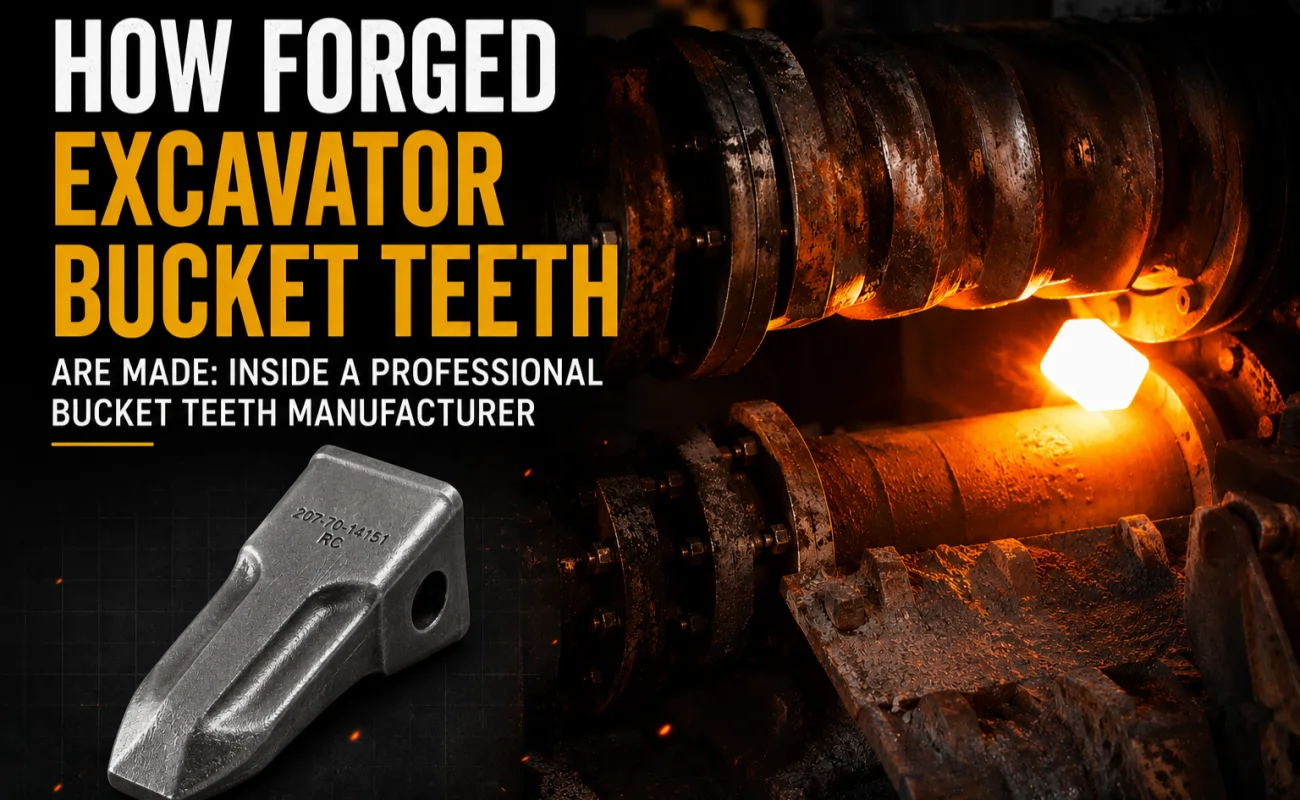
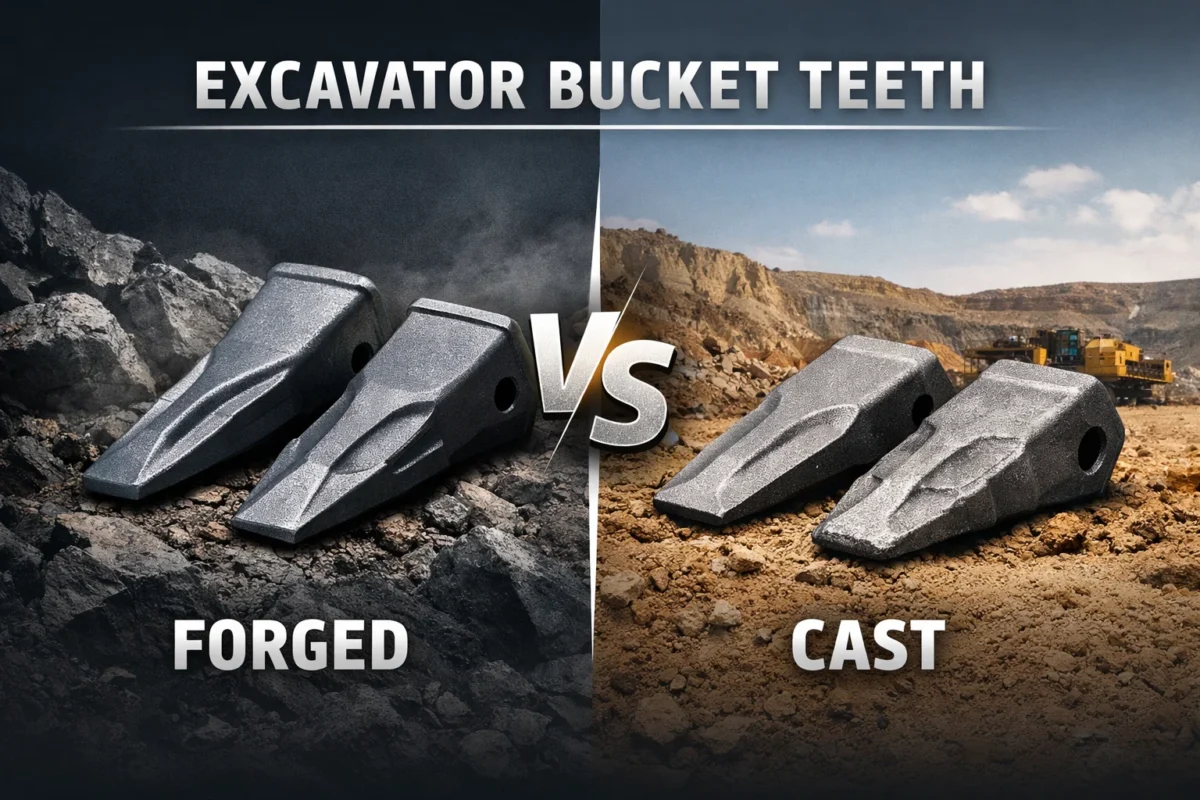
Bucket teeth are among the most commonly replaced excavator wear parts. Different applications demand different tooth profiles—penetration teeth for hard ground, rock chisel teeth for quarry work, and wide flat teeth for softer soils. Dealers who can offer a range of bucket teeth and their corresponding adapters, while cross-referencing OEM standards, immediately position themselves as a go-to resource for contractors.
2. Cutting Edges and Side Cutters
While bucket teeth handle penetration, cutting edges and side cutters take on abrasion. These components wear down quickly, especially in sand, gravel, or quarry operations. Stocking a variety of bolt-on and weld-on cutting edges allows dealers to meet the needs of both light-duty users and heavy-duty operators.
3. Hydraulic Breaker Chisels (Hammer Rods)
For dealers looking to diversify, hydraulic breaker chisels represent a lucrative niche. Breakers are widely used in demolition, road construction, and mining. Their chisels are subject to extreme impact and heat, which makes them consumable items that must be replaced frequently. Offering high-quality, heat-treated chisels not only creates a new revenue stream but also opens opportunities to cross-sell hydraulic seals and breaker maintenance kits.
4. Bushings, Pins, and Linkages
Excavator arms and booms rely on bushings and pins for smooth operation. These components experience constant rotational stress and are critical for maintaining machine precision. Stocking them enables dealers to address customer needs beyond “visible wear parts” and demonstrate technical expertise.
5. Specialty Attachments
From rippers to thumbs and grapples, specialty attachments are increasingly in demand as contractors seek versatility. While these are not as fast-moving as teeth or chisels, they represent higher-ticket items that can strengthen dealer margins.

Opportunities for Dealers
Cross-Selling Potential
A dealer supplying bucket teeth can also offer side cutters, bolts, and adapters as a package. Similarly, a customer buying a breaker chisel may also need seals, bushings, or nitrogen charging kits. By positioning wear parts as part of a solution package, distributors can increase average order value and deepen customer loyalty.
Seasonal and Regional Demand
Wear parts demand often correlates with project cycles. For example, mining and quarry operations may require frequent tooth and chisel replacements during peak production months. In colder regions, cutting edges wear faster when machines operate on frozen ground. Dealers who anticipate these patterns and adjust inventory accordingly are better positioned to capture sales.
Brand Independence
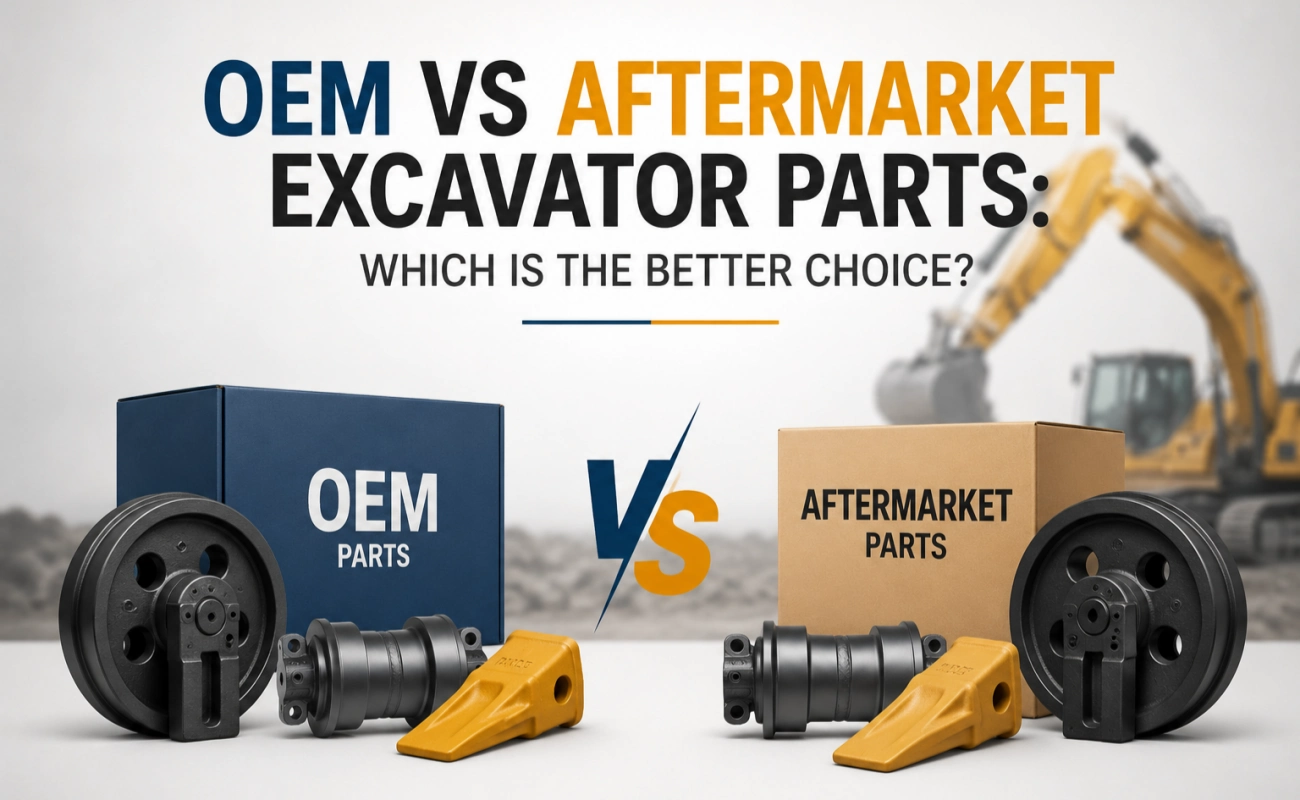
One advantage of wear parts is that they are less brand-dependent than major structural components. Contractors often look for cost-effective alternatives that meet or exceed OEM standards. This opens space for aftermarket parts that deliver value without compromising performance, a segment where dealers can compete effectively.
Building a Competitive Edge
For distributors, simply adding attachments and wear parts to a catalog is not enough. Success comes from:
- Educating customers on the right tooth profile or chisel type for their jobsite.
- Providing technical support for installation and maintenance.
- Offering flexible bundles that combine high-demand consumables with slower-moving parts.
- Highlighting availability—contractors value speed, and dealers who can deliver quickly gain repeat business.
By integrating attachments and wear parts into your sales strategy, you move beyond reactive order-taking into proactive customer partnership. This not only diversifies your revenue but also establishes your reputation as a comprehensive solutions provider.
Conclusion
Undercarriage parts will always remain a cornerstone of excavator maintenance, but the aftermarket does not end there. Attachments and wear parts—bucket teeth, cutting edges, chisels, bushings, and more—are high-demand components that dealers should not overlook. They bring faster turnover, cross-selling potential, and opportunities to build stronger, long-term relationships with customers.
For distributors who want to stay competitive in an increasingly crowded market, expanding into attachments and wear parts is not just an option—it’s a necessity.