


Wheeled or Crawler Excavator? Usage & Parts Guide

Choosing the right excavator type goes far beyond size or engine power. Whether you're operating in urban streets or on rocky hillsides, the choice between a wheeled excavator and a crawler (tracked) excavator will directly affect your machine’s mobility, stability, and long-term maintenance costs.
In this article, we break down the practical differences between the two types of excavators, and how to keep them running at full performance.
Crawler vs. Wheeled Excavators
1. Undercarriage Configuration
Wheeled Excavators use rubber tires and a steering axle system.
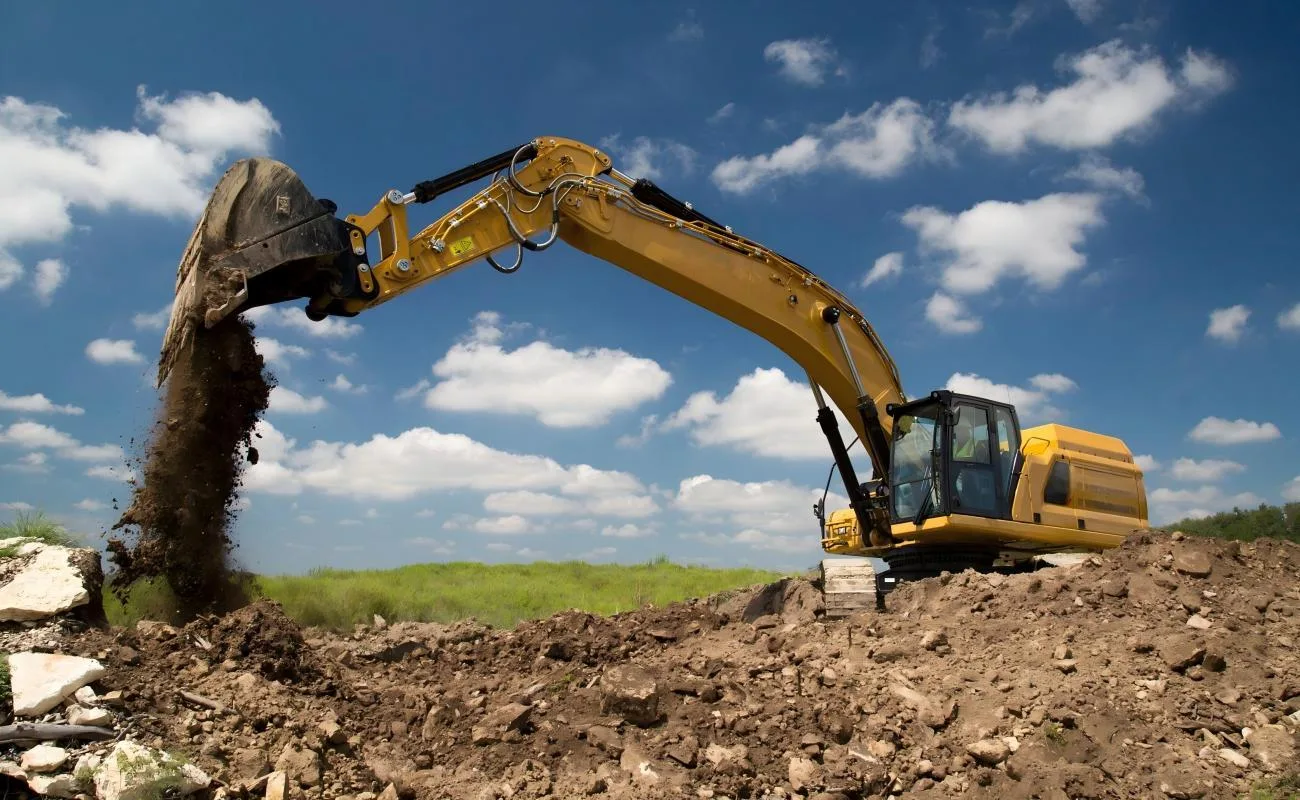
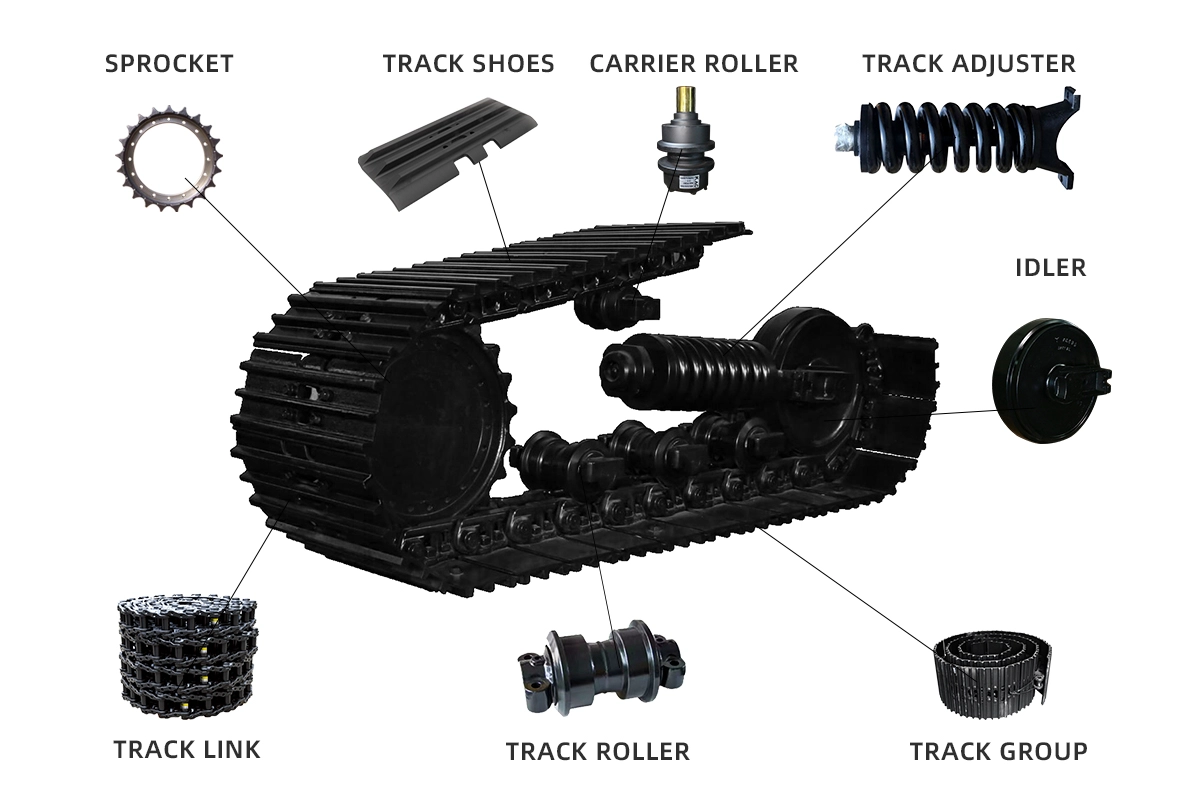
Crawler Excavators use a full undercarriage with tracks, rollers, sprockets, and idlers.
While wheels offer maneuverability and speed, tracks deliver superior traction and load distribution. This structural difference defines how each type performs in various conditions.
2.Mobility & Terrain Adaptability
Wheeled machines can move quickly (up to 35 km/h), ideal for urban jobs where frequent site relocation is needed.
Crawlers are slower but far more stable on soft soil, rocky ground, or steep slopes.
💡 Real-world insight: A wheeled excavator might outperform in city trenching work but would struggle on wet forestry sites where a crawler thrives.
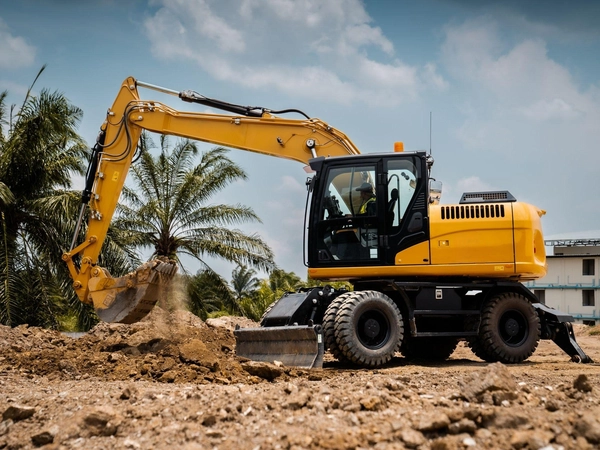
Wheeled excavators working in cities

Crawler excavators working in forests
Machine Size & Weight Range: What’s Available?
Excavators are available in a wide range of sizes — from compact 2-ton machines to massive 90-ton giants. But not all sizes are equally available in both wheeled and crawler configurations.
Wheeled Excavators: Common Tonnage Range
Typically range from 5 to 20 tons
Most models fall in the 7–15 ton range
Designed for mobility and medium-duty tasks, but now with the advancement of demand and technology, wheeled excavators are also suitable for heavy-duty operations.
✅ Examples: Caterpillar M313, Doosan DX140W, Hitachi ZX145W-6
Crawler Excavators: Full Spectrum Coverage
Available from 1-ton micro excavators to 90-ton heavy mining excavators
Dominant in large-scale applications due to high ground pressure tolerance
✅ Examples: Komatsu PC60, PC200, PC360, PC800, CAT 320, 374, etc.
Matching Machine Type to Jobsite
Wheeled Excavators Are Best For:
- Municipal construction and repairs
- Paving and drainage works
- Urban and roadside trenching
- Any job requiring daily road travel
Advantages:
- Road-friendly
- Easy relocation
- Less surface damage on pavement
Crawler Excavators Are Ideal For:
- Mining, quarrying, and heavy earthmoving
- Forestry and hillside operations
- Foundation work in soft or unstable soil
- Long-term projects requiring digging depth and stability
Advantages:
- Maximum digging force
- Stability on uneven ground
- Better support for large attachments

Heavy crawler excavator working
Large crawler excavator working in the quarry

Wheeled excavator working
Wheeled excavator working in the city
What About Maintenance and Wear?
The machine you choose will also determine what parts wear out fastest — and what you’ll need to keep stocked.
Wear Considerations for Wheeled Excavators
Tire wear and steering components are the most common replacements
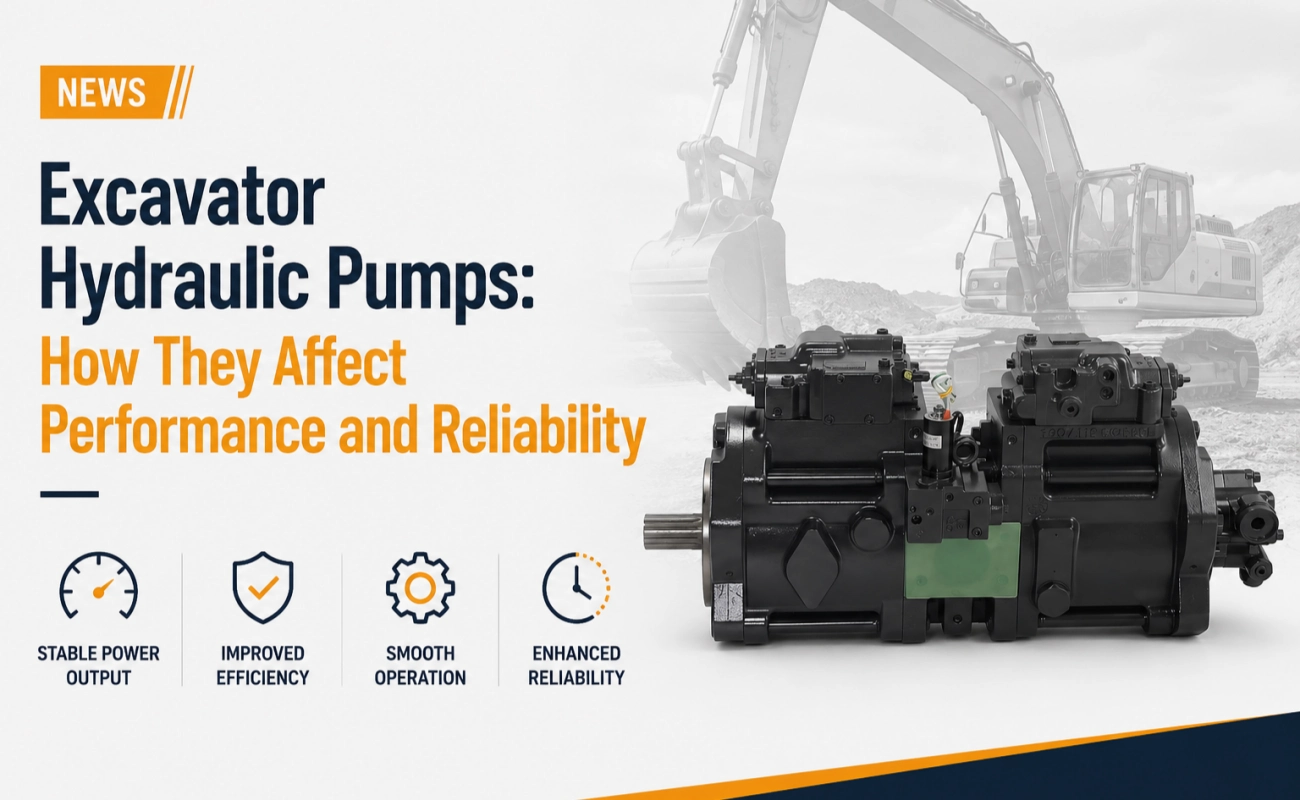
Hydraulic systems are under more frequent use for lifting stability (outriggers)
🚧 Parts focus:Hydraulic cylinders, control valves, wheel hubs, brake assemblies
Wear Considerations for Crawler Excavators
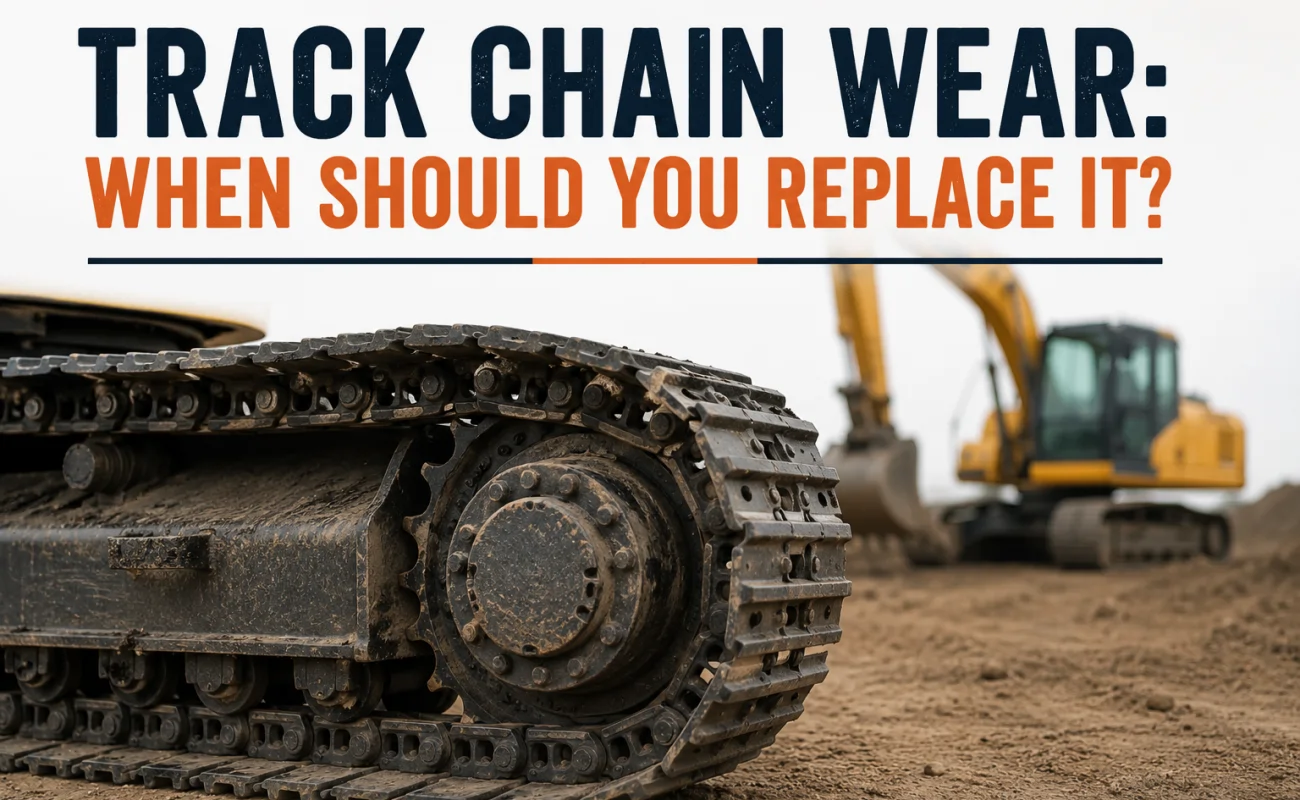
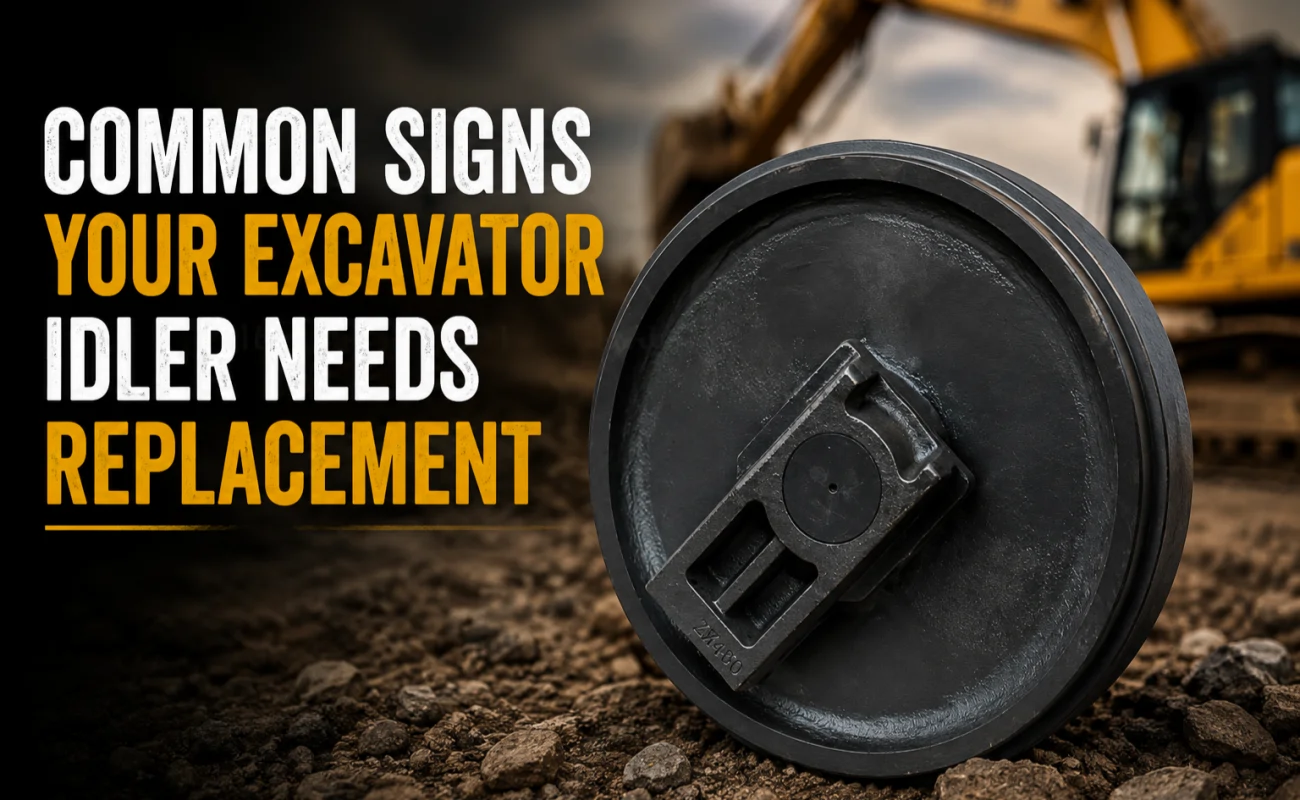
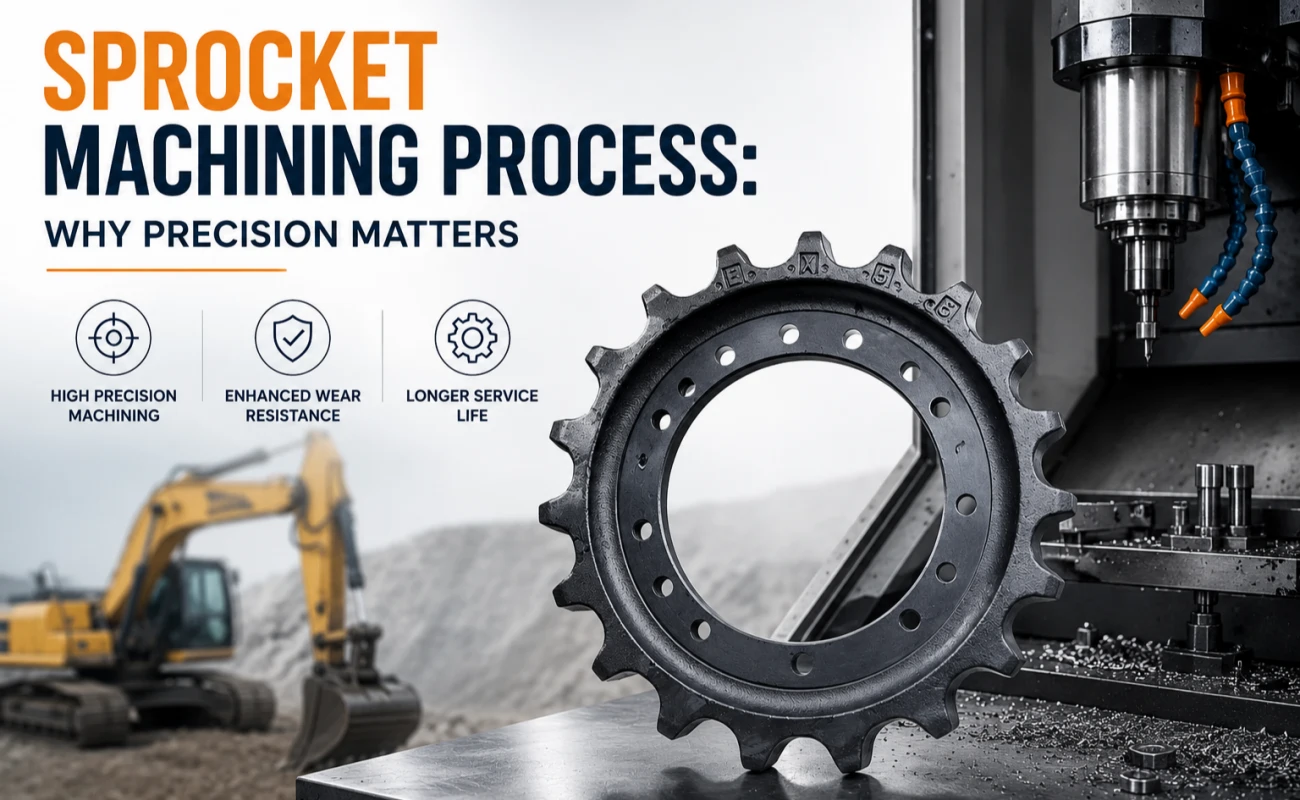
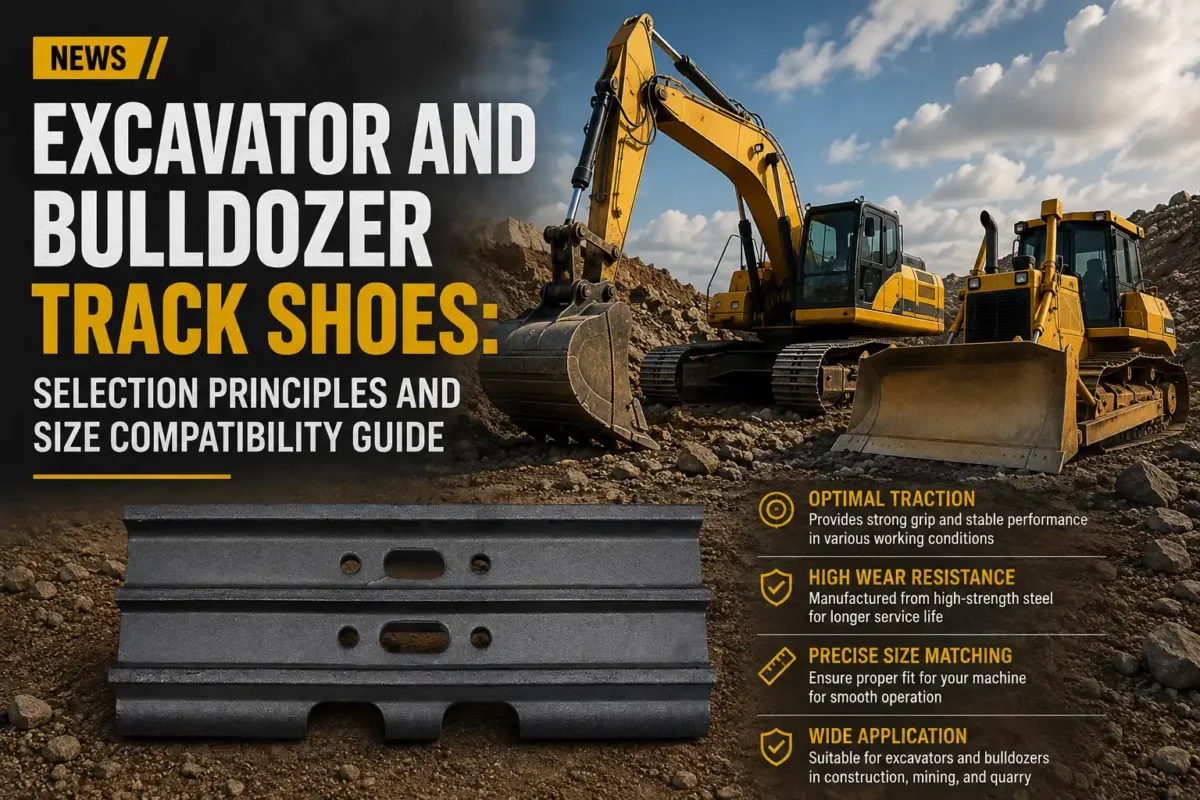
Undercarriage parts take heavy damage over time: track chains, rollers, idlers, sprockets
Work in mud, gravel, or mining terrain accelerates wear
🛠 Parts focus:Track chain assemblies, bottom rollers, carrier rollers, idlers, sprockets, track bolts
Add-on: Cost Considerations Over Lifecycle
While crawler excavators often cost more upfront (due to undercarriage complexity), their operating cost in off-road work is usually lower. Wheeled excavators cost less to maintain tires but more to stabilize and service in heavy-duty use.
| Aspect | Wheeled Excavator | Crawler Excavator |
|---|---|---|
| Purchase Cost | Slightly lower | Higher (more structure) |
| Transport Cost | Minimal (drives itself) | Requires flatbed trailer |
| Undercarriage Wear | Tires wear fast | Track rollers & chains |
| Ground Pressure | Higher (less stable) | Lower (more stable) |
💡 This cost/performance balance is a key decision factor when choosing a machine for your fleet.
Excavator Parts Solutions You Can Rely On
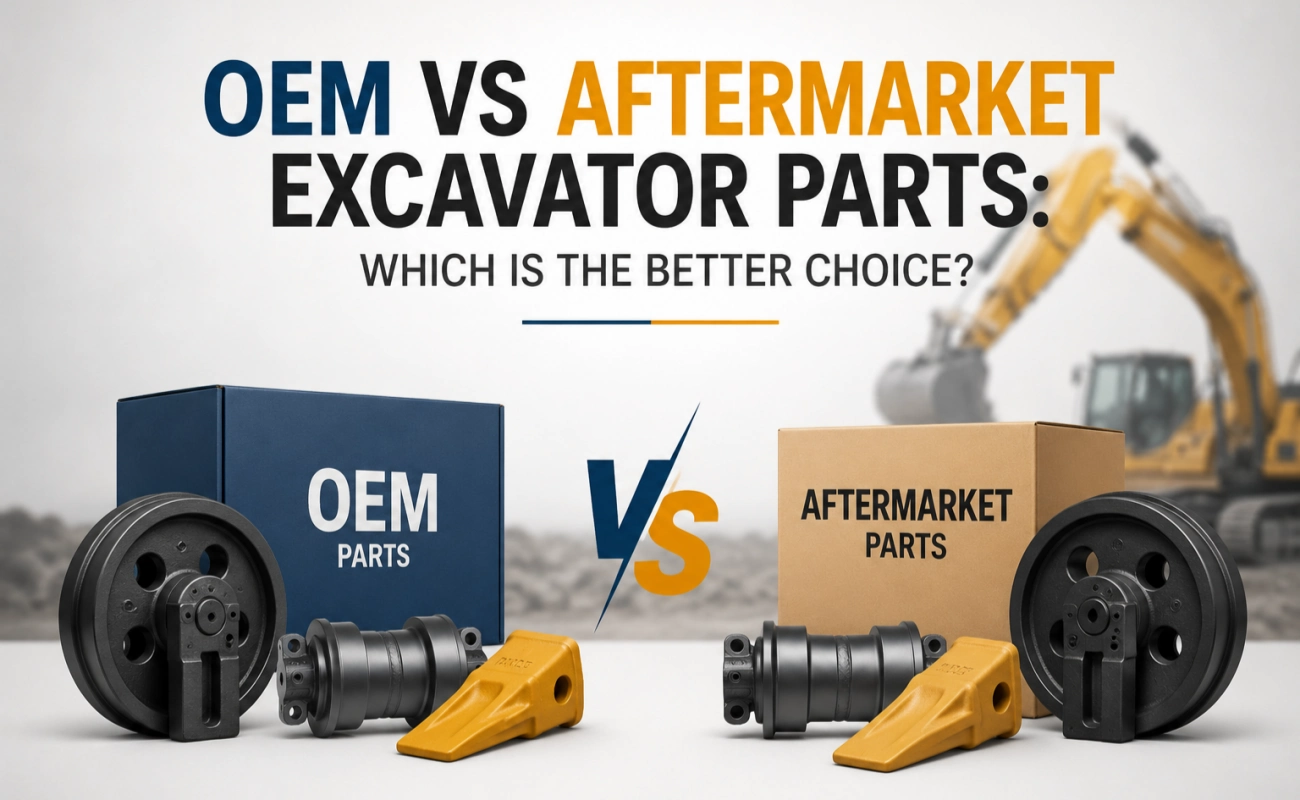
No matter which type of excavator you operate, KINTON PARTS provides the durable parts you need to maintain performance and avoid downtime. We manufacture and supply a wide range of OEM-compatible components with:
Heat-treated steel and forged precision
Full support for major brands (Komatsu, Hitachi, Caterpillar, Volvo, Doosan)
Competitive pricing for global buyers
OEM branding and customization options
Our Featured Product Lines:
Undercarriage Parts
Track chains, rollers, sprockets, idlers, bolts & nuts
Ground Engaging Tools (GET)
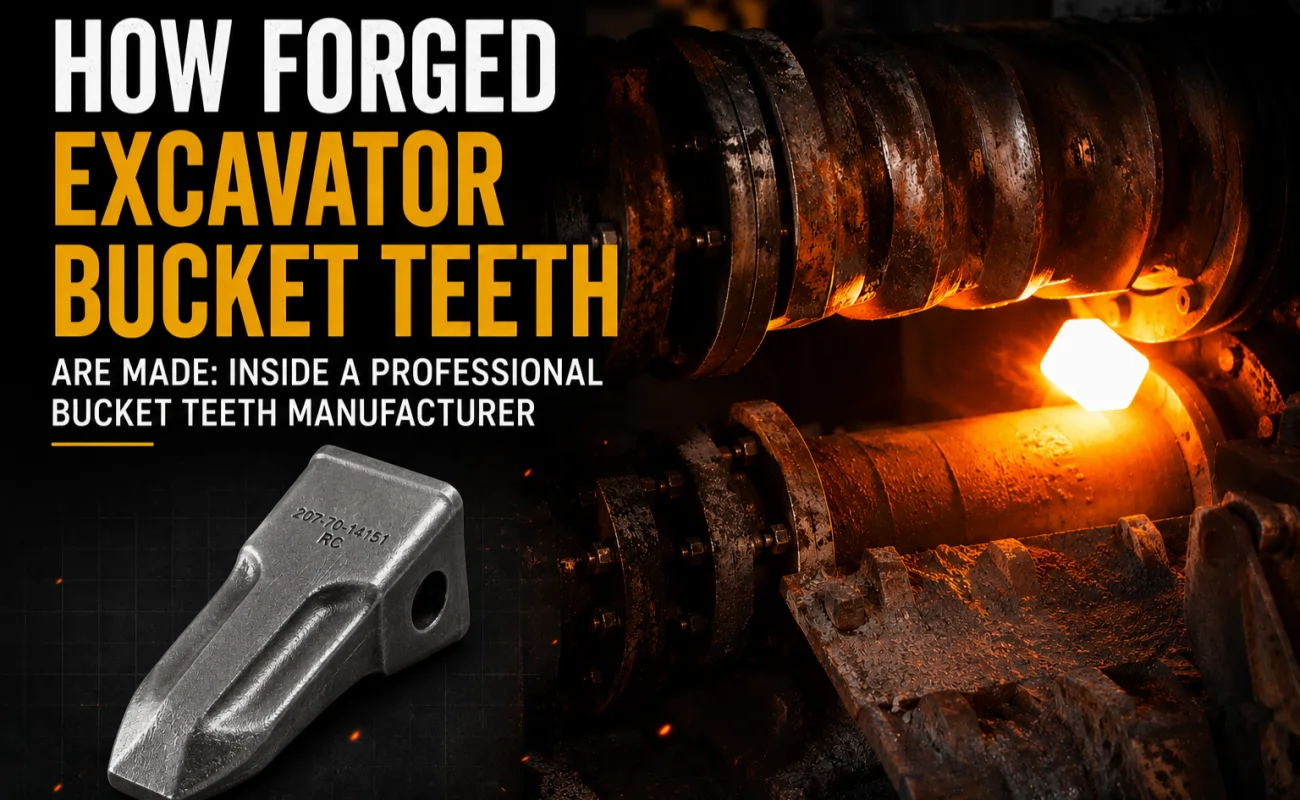
Bucket teeth, adapters, side cutters
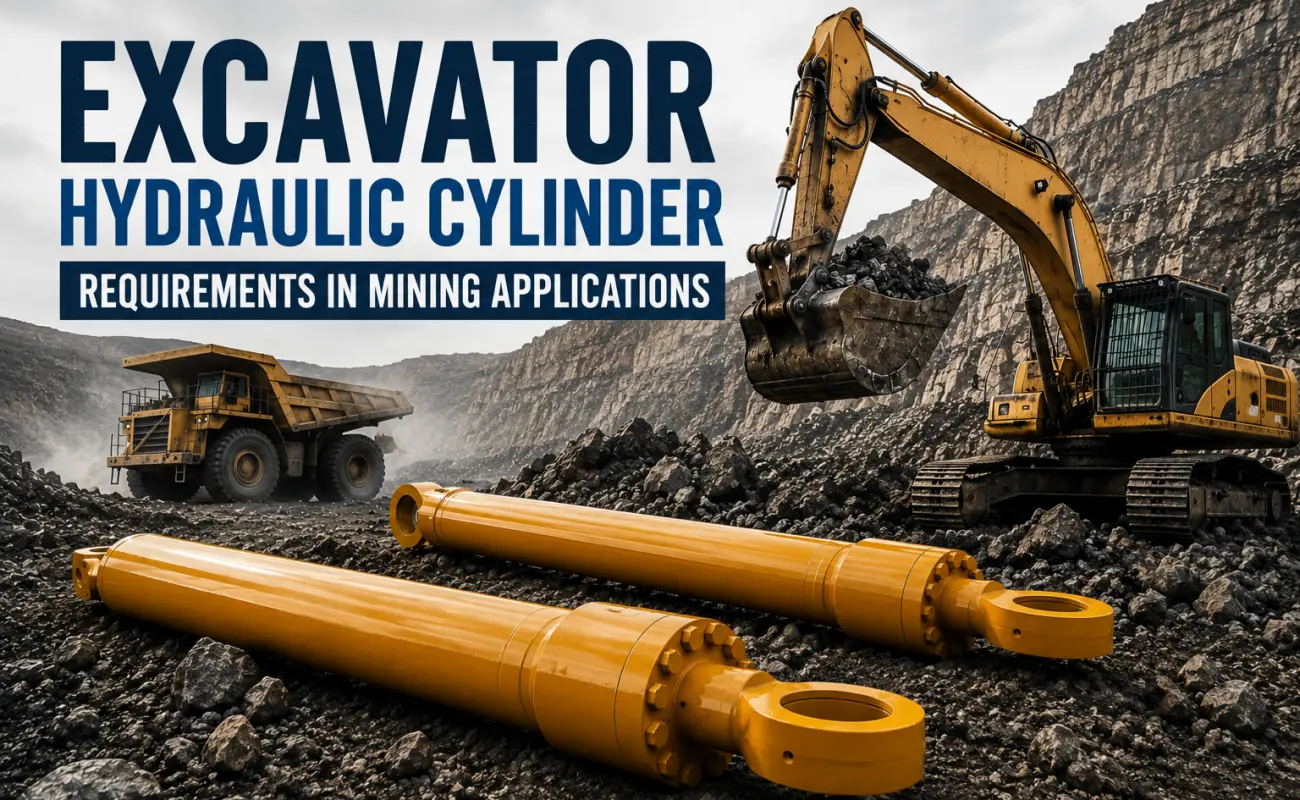
Hydraulic Systems
Hydraulic cylinders, rod kits, seal kits
Summary: Choose Smart. Maintain Better.
Whether you’re managing a fleet of wheeled machines for urban jobs or relying on crawler excavators for heavy terrain, the machine is only as good as its parts.
KINTON PARTS is here to keep your equipment performing — job after job.
📩 Contact us today for expert advice or bulk pricing.
📧 [email protected] | 🌐 www.kintonparts.com | ☎ +86 199 4271 6728