


Inside the Forging Process: Why Forged Components Outperform Cast Parts

In the heavy machinery industry, reliability begins with materials—and the manufacturing process behind them. Whether it’s the track chain, carrier roller, or sprocket of an excavator, the difference between a forged and cast component can determine whether a machine delivers thousands of productive hours or fails prematurely.
For decades, forging has been recognized as the superior method for producing high-strength, high-density components capable of withstanding the harsh conditions of mining and construction environments. But what exactly makes forged parts stronger—and why are they so critical for undercarriage and structural components?
Metallurgical Advantages: Grain Flow and Density
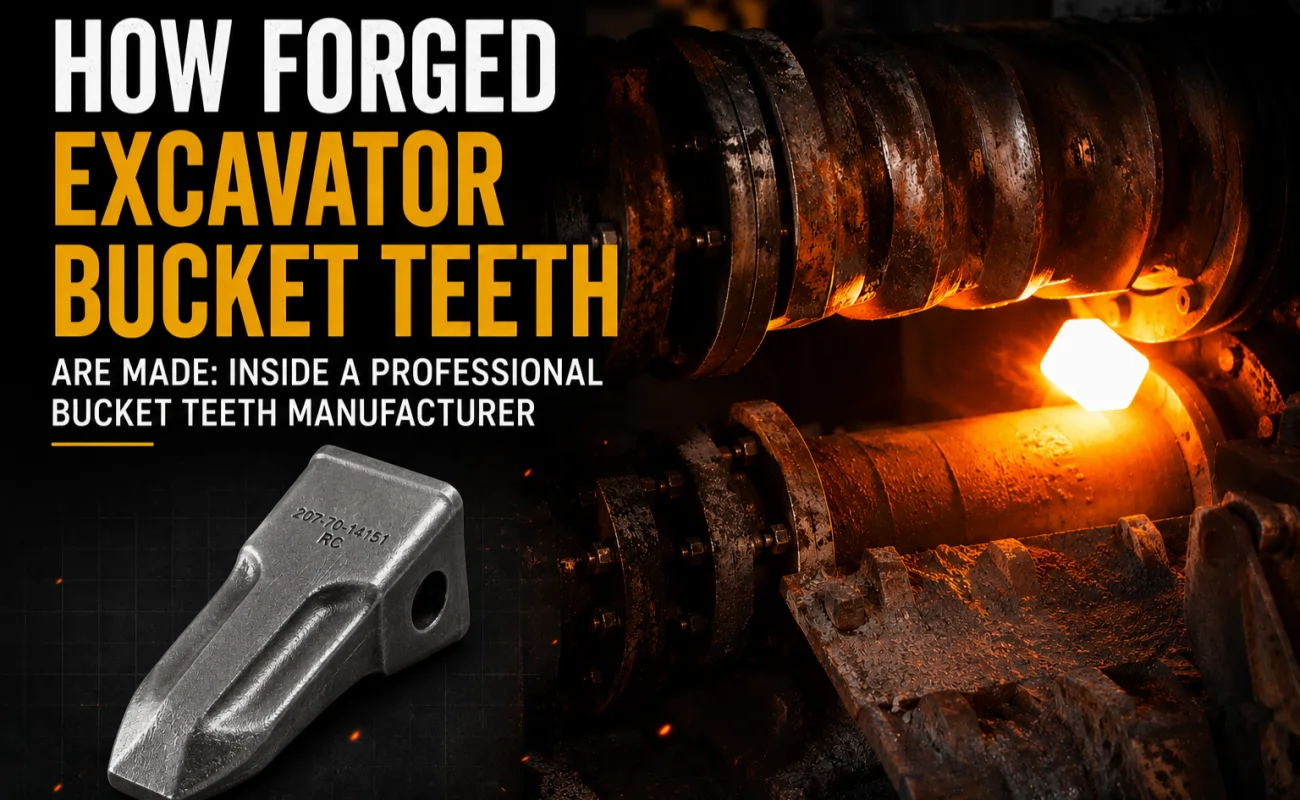
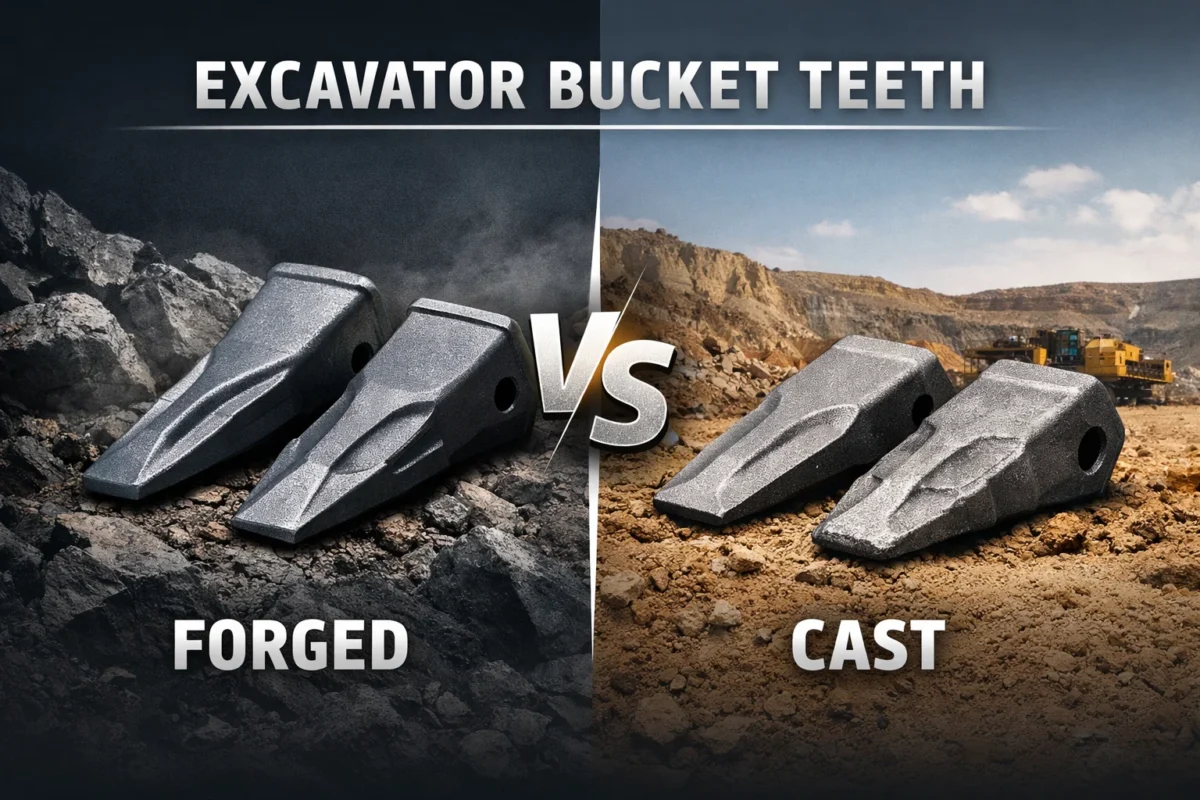
Forging fundamentally changes the internal structure of metal. Under intense compressive force and controlled heat, the metal’s grain structure is refined and aligned along the part’s shape.
This “grain flow” creates directional strength, giving the component far greater resistance to bending, cracking, and fatigue compared with cast parts.
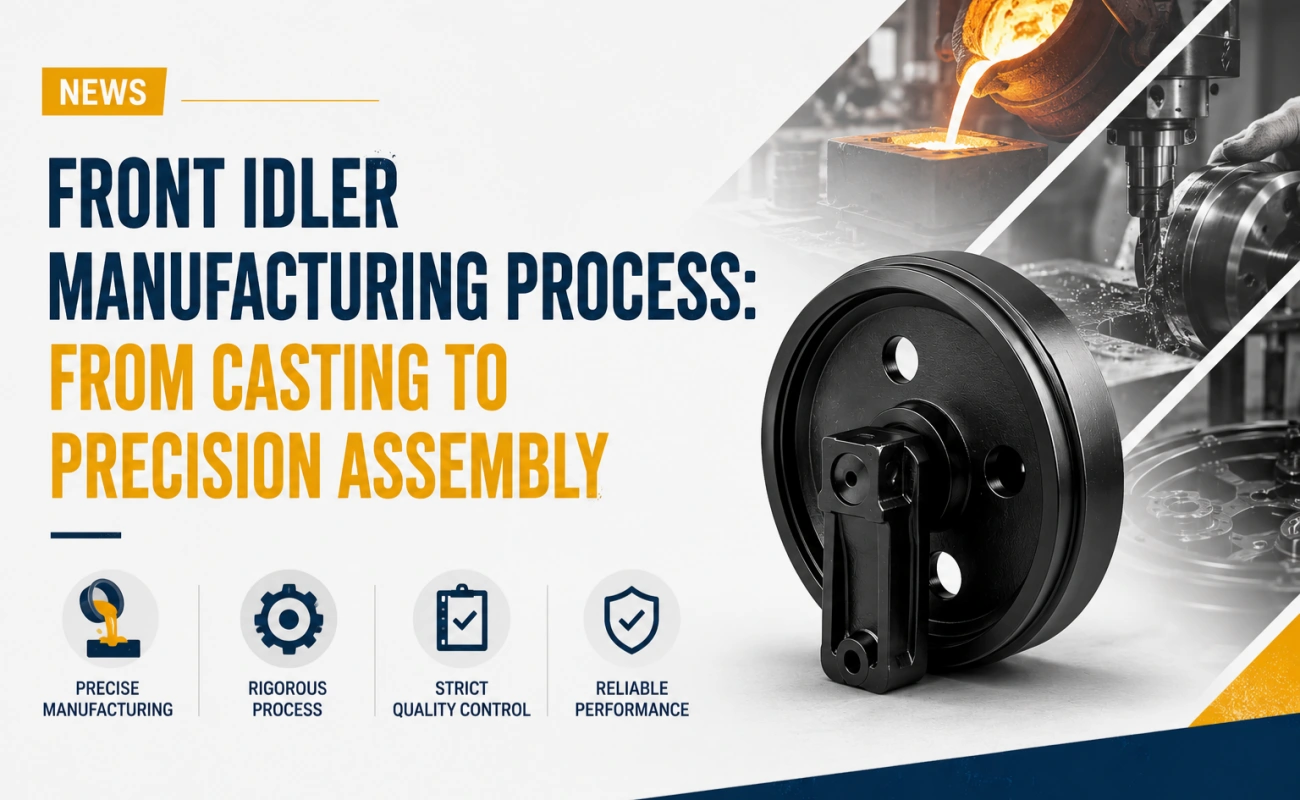
By contrast, casting involves melting the metal and pouring it into a mold, which can result in uneven microstructure, porosity, shrinkage, and weak grain boundaries.
Even with modern casting improvements, the continuous grain alignment achieved through forging cannot be replicated.
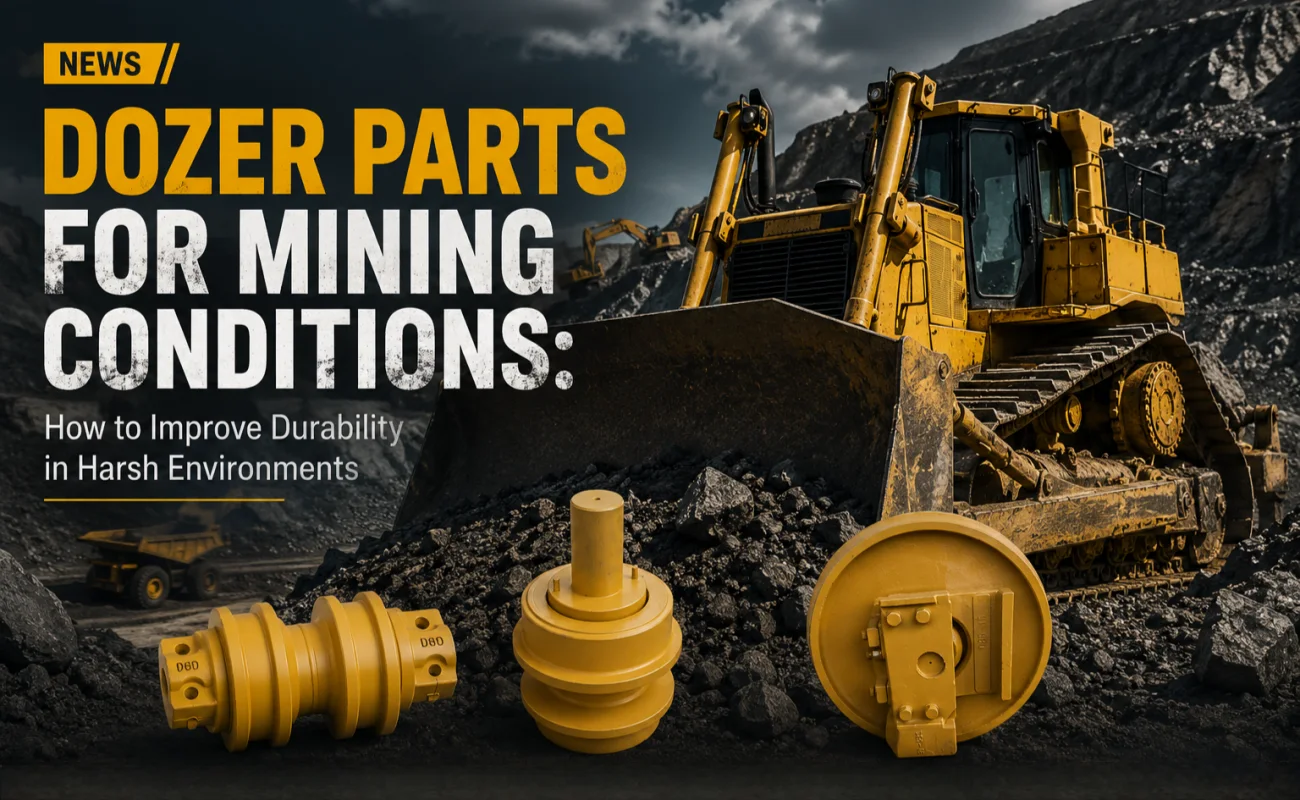
For undercarriage parts like track links, carrier rollers, and idlers, controlled grain flow helps resist the lateral and torsional stresses that occur during operation.
The Perfect Balance of Strength and Toughness
Forging improves not only strength but also toughness—the ability to absorb impact energy without fracturing.
Strength:
With a denser internal structure and elimination of internal defects such as porosity, forged parts exhibit significantly higher tensile and yield strength than castings.
This allows track components to maintain their shape and function under the full weight and impact of the excavator.
Toughness:
The forging process eliminates voids and inconsistencies common in castings, which are often stress concentrators and crack initiation points.
The dense structure of forged parts means that cracks require more energy to initiate or propagate—an essential advantage for components like carrier rollers and idlers that must absorb shock loads.
Fewer Internal Defects and Better Surface Finish
The main weakness of cast parts lies in their inherent microscopic defects.
Gas entrapment during casting can cause porosity, while solidification shrinkage can create voids, both of which significantly weaken the component.
Forging compresses the metal to eliminate such voids, creating a uniform and dense cross-section that minimizes defect potential and improves heat treatment consistency.
Additionally, forged parts generally have superior surface quality, reducing the amount of machining required for finishing operations—such as CNC tooth profiling for sprockets or precision boring for pin holes—thereby improving production efficiency and lowering costs.
Choosing Forging for Critical Undercarriage Components
For high-stress, high-impact undercarriage parts, forging remains the preferred manufacturing method.
| Component | Main Function | Recommended Process | Advantages of Forging |
|---|---|---|---|
| Track Chain | Connects pins and bushings, transmits traction force | Forging (or heavy-duty welded steel) | Withstands high bending and torsional loads on pin/bushing interfaces; prevents cracking |
| Carrier / Track Roller | Supports machine weight and absorbs impact loads | Forged roller body | Uniform grain structure enhances tread and flange wear resistance, prevents fracture under impact |
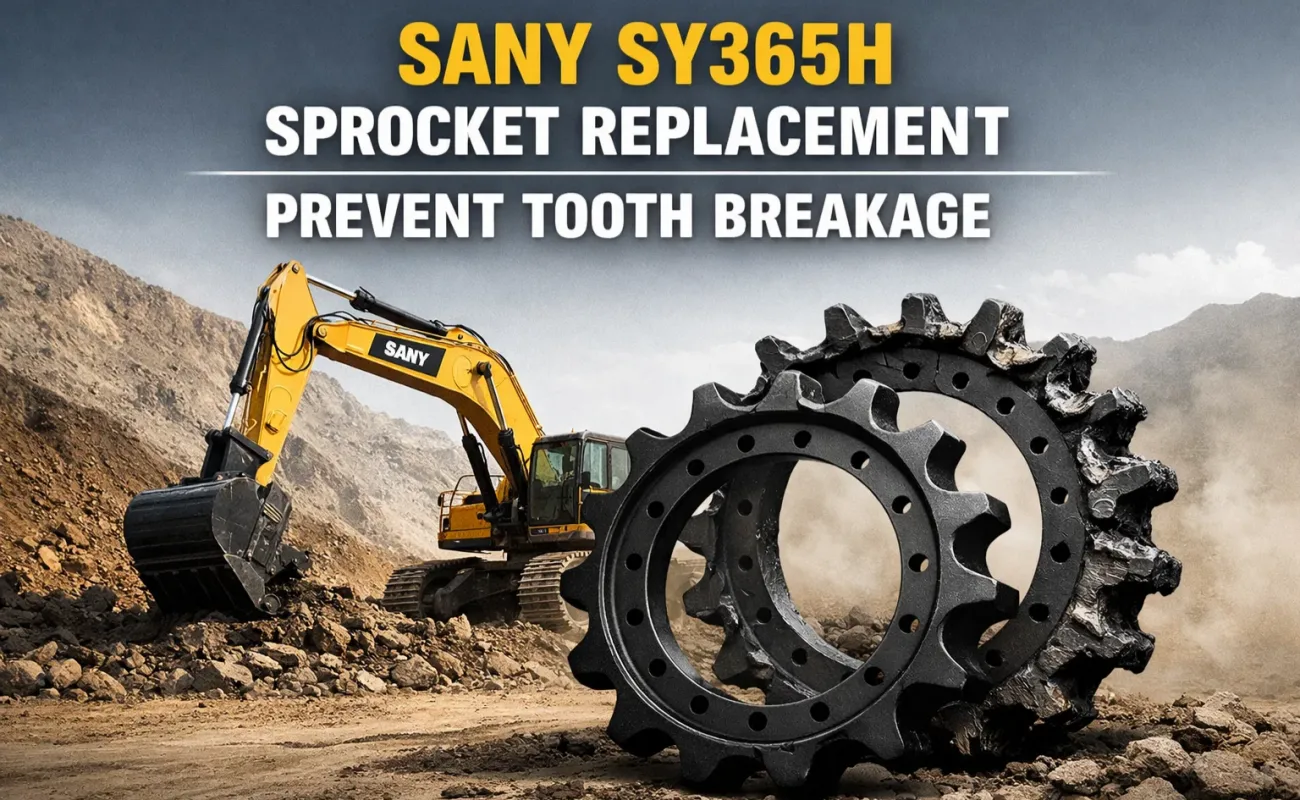
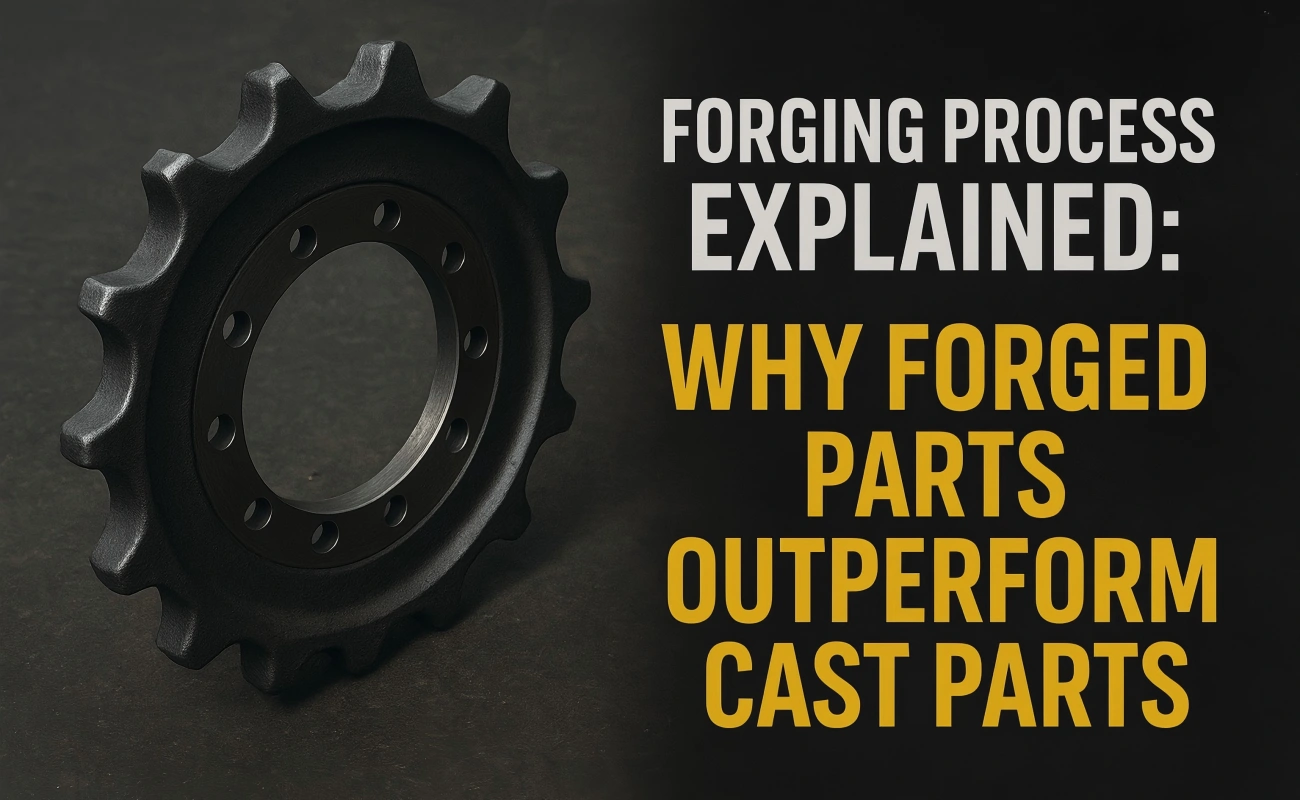
| Sprocket | Transfers drive torque from travel motor to track chain | Forged sprocket ring or full forged sprocket | Exceptional tooth fatigue strength, prevents tooth surface spalling under high torque |
Why Dealers Should Promote Forged Components
In today’s competitive global aftermarket, quality is a key differentiator. Customers increasingly demand transparency about material quality and production methods—especially for high-wear parts.
Forged components not only reduce warranty claims and downtime but also build long-term trust in your product line.
When customers know that the rollers, chains, or sprockets they’re buying are forged rather than cast, they associate your brand with durability and high performance.
By highlighting the forging process in marketing materials, dealers can confidently explain why forged parts deliver greater value—and better real-world returns.
Partnering with a Reliable Forging Manufacturer
Forging requires precise control over temperature, deformation rate, and post-treatment—skills that only experienced manufacturers possess.
At KINTON PARTS, every forged undercarriage component undergoes strict material verification, heat treatment monitoring, and dimensional inspection before packaging.
Our forged rollers, sprockets, and track links are made from premium alloy steel using advanced quenching techniques to achieve the perfect balance between hardness and toughness.
With OEM-equivalent standards and flexible customization for different excavator models, we help dealers and distributors deliver products customers can rely on.
If you’re looking to strengthen your product line with forged components that deliver superior performance and durability, partner with KINTON PARTS—where precision meets endurance.