


Dozer Parts for Mining Conditions: How to Improve Durability

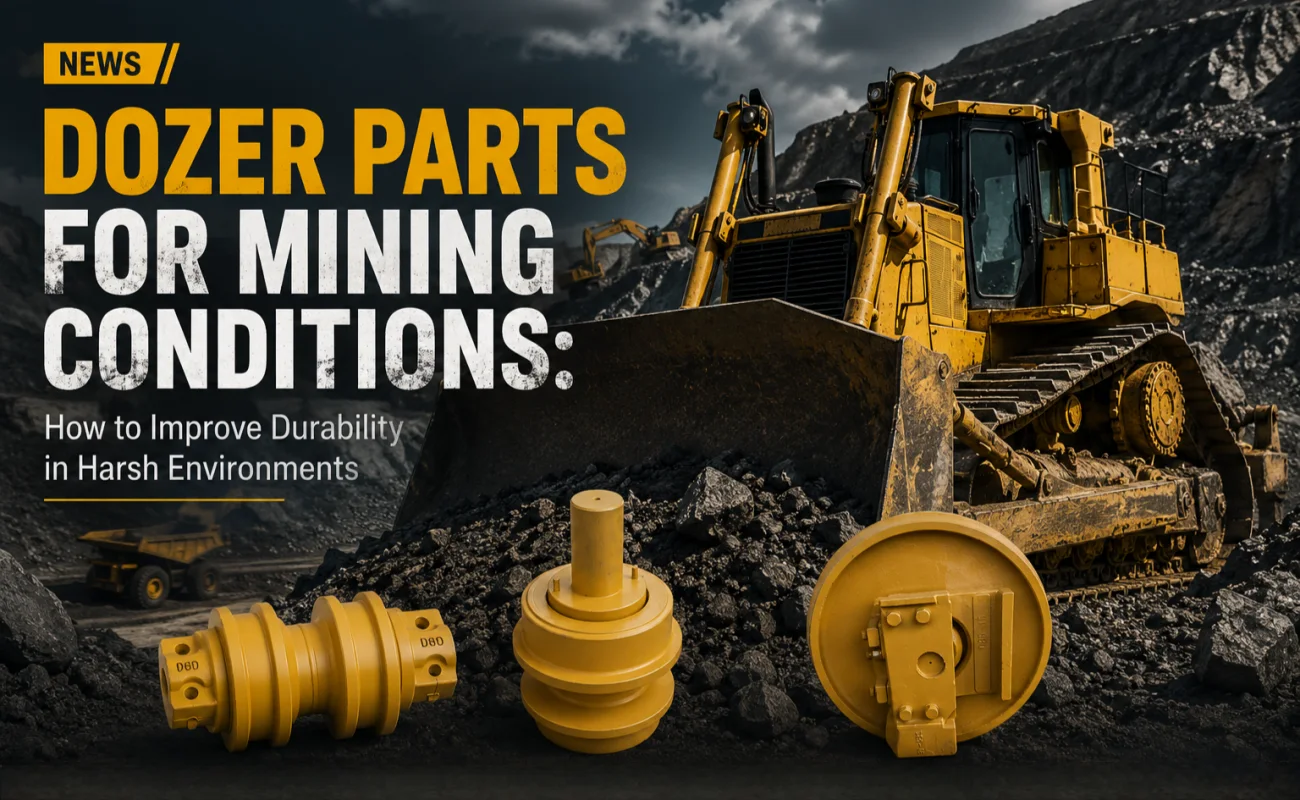
Compared to ordinary earthmoving construction, the mining environment places significantly higher demands on dozer parts. Long-term high-load operation, impacts from sharp rocks, large amounts of dust, and complex terrain subject the undercarriage system to continuous high stress and high wear. Therefore, bulldozer track parts for mining conditions are increasingly becoming a key focus for mine equipment managers and maintenance teams. For bulldozers operating in mining areas for extended periods, the undercarriage system not only determines the equipment's stability but also directly impacts overall machine uptime and maintenance costs. In many mining sites, equipment often requires continuous high-intensity operation. Abnormal wear or structural failure of undercarriage parts not only increases maintenance frequency but can also lead to machine downtime. Therefore, mining conditions truly test not only engine power but also the long-term durability of the entire undercarriage system under high-impact, high-abrasive-wear environments.
I. The Impact of High-Load Operations
Compared to ordinary construction environments, the most significant characteristic of mining conditions is the simultaneous presence of high impact loads and high abrasive wear.
When bulldozers operate in mining areas, their track systems are in constant contact with sharp rocks and irregular, hard ground. The weight of the equipment and the resistance of the work continuously transfer impact loads to the undercarriage structure, while gravel and dust create a continuous abrasive effect between the tracks, track rollers, and drive system.
This wear is not simply surface wear; it is often accompanied by material fatigue, localized stress concentration, and deterioration of lubrication conditions. Many undercarriage parts can maintain a long lifespan in ordinary earthmoving environments, but their wear rate increases significantly when operating in mining conditions. The fundamental reason for this is the change in working load and wear mechanism.
II. Track Rollers and Carrier Rollers of Bulldozers
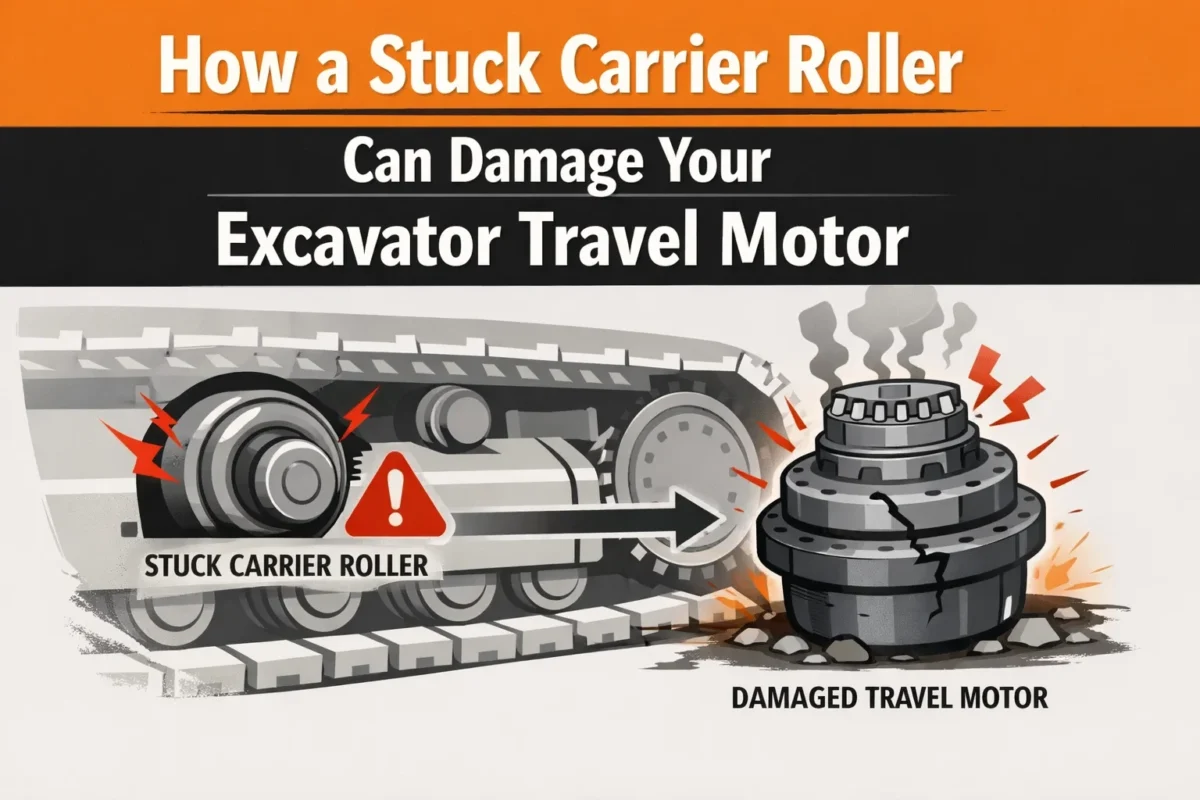
In the entire undercarriage system, track rollers and carrier rollers play a crucial role in supporting the weight of the machine and guiding the track movement.
If the material strength or heat treatment process is insufficient, the following problems can easily occur:
- Abnormal track surface wear
- Oil leakage
- Internal bushing damage
- Roller cracking
Especially in high-impact environments, the balance between wheel hardness and toughness is critical. Insufficient hardness leads to rapid wear, while excessive hardness may increase the risk of brittle fracture.
In terms of material selection, high-strength manganese steel (e.g., 50MN-45, 50MN-40) and a stable surface hardening process generally provide better wear resistance to the rail surface. Simultaneously, the appropriate depth of the hardened layer and the uniformity of its microstructure directly affect long-term fatigue life.


III. Track Chain and Sprocket
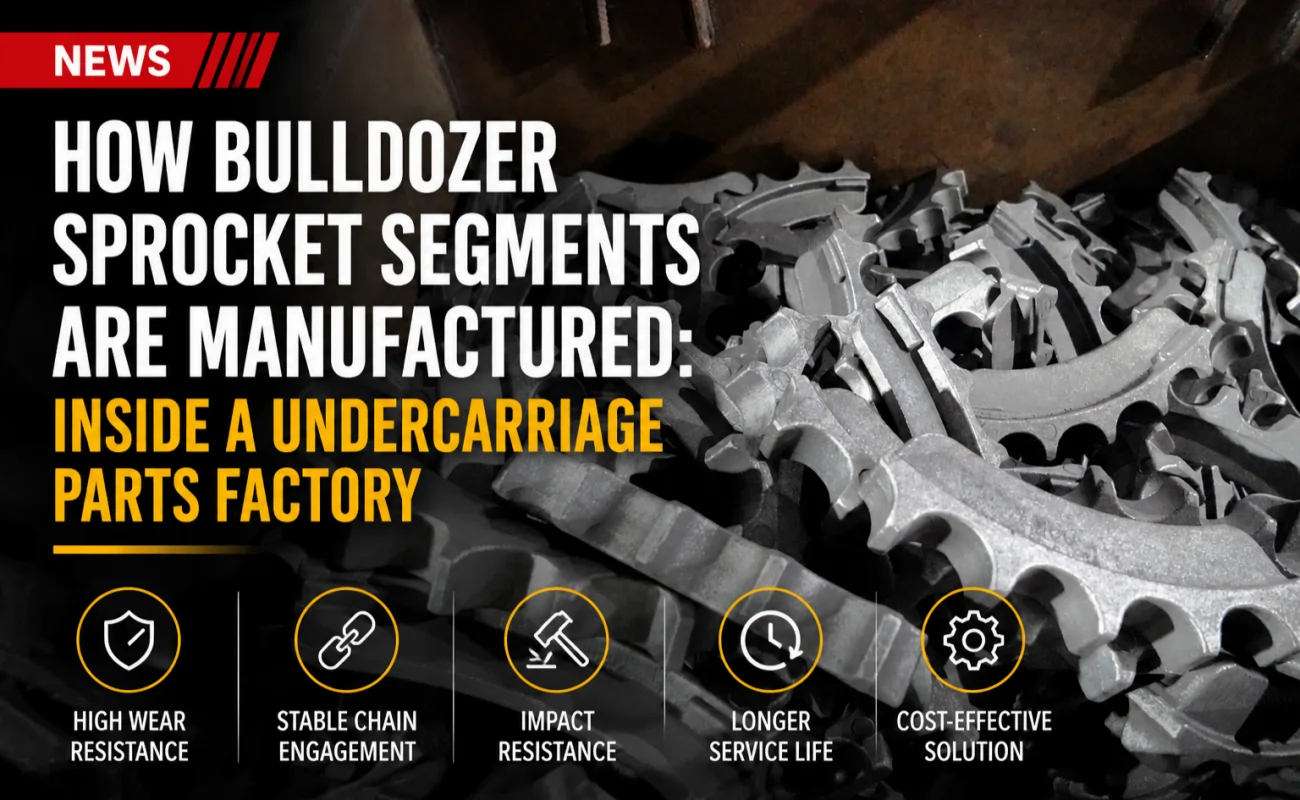
In mining conditions, the wear of the track chain assembly and the sprocket often exhibits a clear chain reaction.
As the chain pins and bushings gradually wear, the chain link pitch changes. If the sprocket continues to operate in conjunction with the stretched chain, problems such as tooth wear, skipping, and transmission instability can easily occur. This abnormal meshing not only accelerates the wear of the sprocket but also further increases the vibration and impact load on the track system.
Therefore, more and more mining users are beginning to emphasize "complete undercarriage matching" rather than replacing individual parts. Because under high-intensity operating conditions, any dimensional deviation or abnormal wear of any component can amplify the stress on the entire undercarriage system.
IV. Sealing System
In many undercarriage failure cases, the first problem to occur is not the track surface, but the sealing system.
Dust and silt in the mining environment constantly infiltrate the area around parts such as track rollers and idler rollers. Once the sealing structure fails and internal lubricating oil leaks, the original fluid lubrication state gradually transforms into boundary friction or even dry friction. In this situation, abnormal wear, burning, or even jamming will occur between the internal shafts and bushings. Therefore, a stable sealing structure is not only about "preventing oil leaks," but also about protecting the entire internal lubrication system.
For mining conditions, sealing reliability often directly determines whether undercarriage parts can achieve long-term stable operation.
V. Routine Maintenance of Bulldozer undercarriage in Mines
Besides materials and manufacturing processes, maintenance methods also significantly affect undercarriage lifespan.
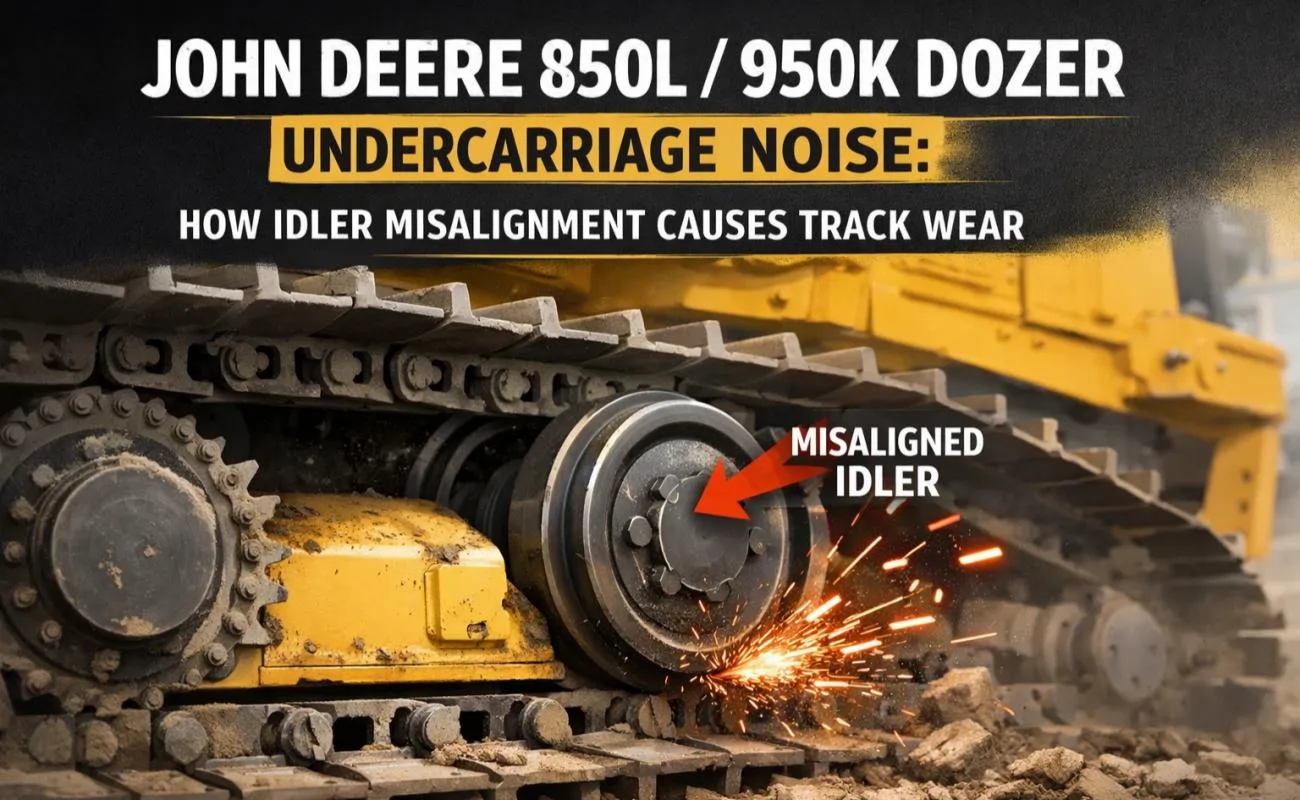
At mining sites, large amounts of gravel and silt easily accumulate inside the track system. If not cleaned regularly, this will continuously increase abrasive wear. Meanwhile, abnormal track tension can also alter the contact stress between the track rollers and the chain, thus accelerating localized wear.
Many mining users are gradually realizing that undercarriage maintenance is not simply about "replacing when it breaks," but about minimizing the probability of abnormal wear through regular inspections, cleaning, and condition monitoring.
For example:
- Regularly clean up accumulated gravel and silt from the undercarriage.
- Check track tension for proper alignment.
- Observe for oil leaks from the track rollers and carrier rollers.
- Avoid prolonged heavy-duty operation on one side only.
Often, differences in undercarriage lifespan stem not only from the product itself but also from routine maintenance practices.
VI. Quality of Undercarriage Parts
In the past, many users focused on short-term purchase prices when buying undercarriage components. However, with rising mining operating costs, more and more customers are realizing that the truly expensive aspect is not the components themselves, but downtime.
Once a bulldozer experiences undercarriage failure in a mining area, it not only incurs repair costs but may also lead to transportation disruptions, construction delays, and additional labor costs. Therefore, compared to short-term low prices, customers are now more concerned with product stability and whether it is truly suitable for the mining environment.
Conclusion
Mining conditions pose a long-term and high-intensity challenge to bulldozer undercarriage systems. From track rollers and carrier rollers to track chains and drive sprockets, the stability of every component directly affects the overall operating efficiency of the equipment.
At KINTON PARTS, we continuously provide undercarriage component solutions for mining and heavy-duty applications, including track rollers, carrier rollers, drive sprockets, idlers, and track chains. Through stable material control, heat treatment processes, and manufacturing procedures, we are committed to helping customers improve undercarriage durability and reduce maintenance costs under complex operating conditions.