


Undercarriage Storage and Handling Tips for Dealers


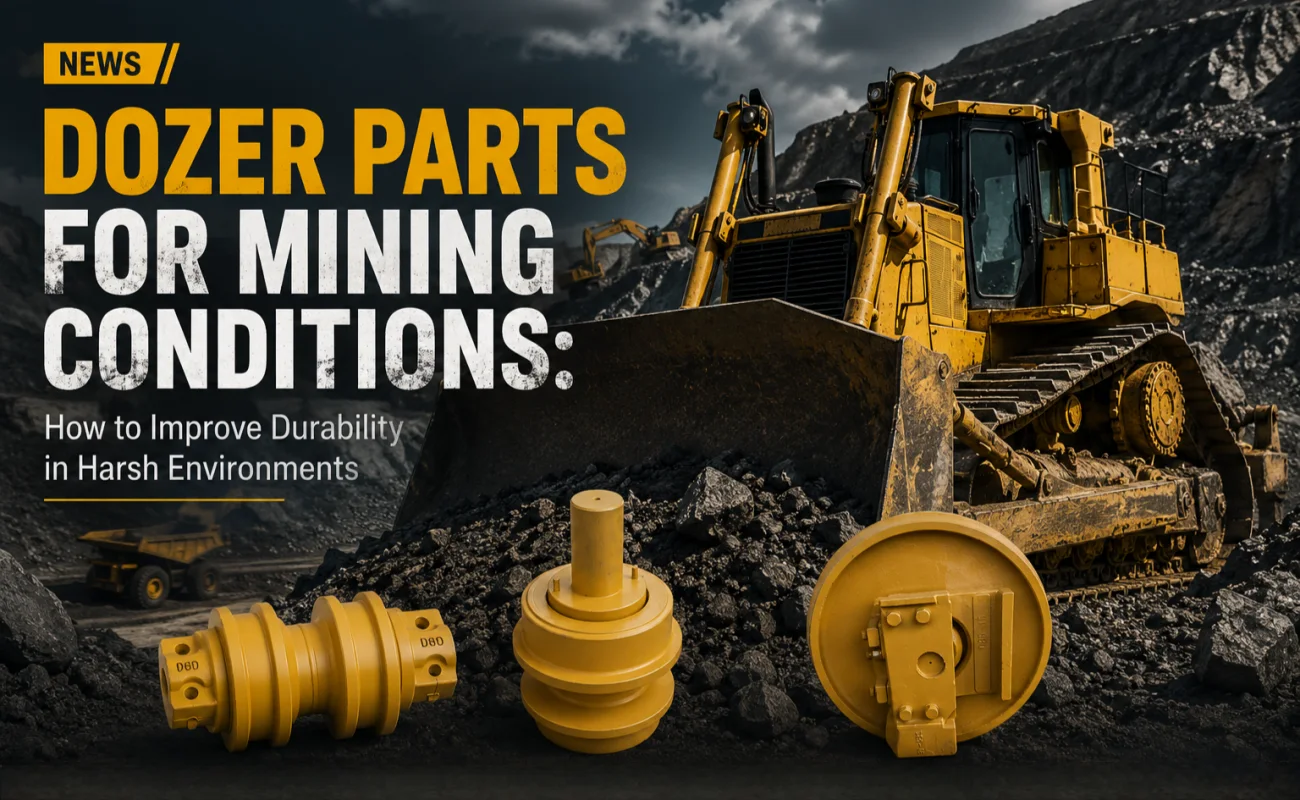
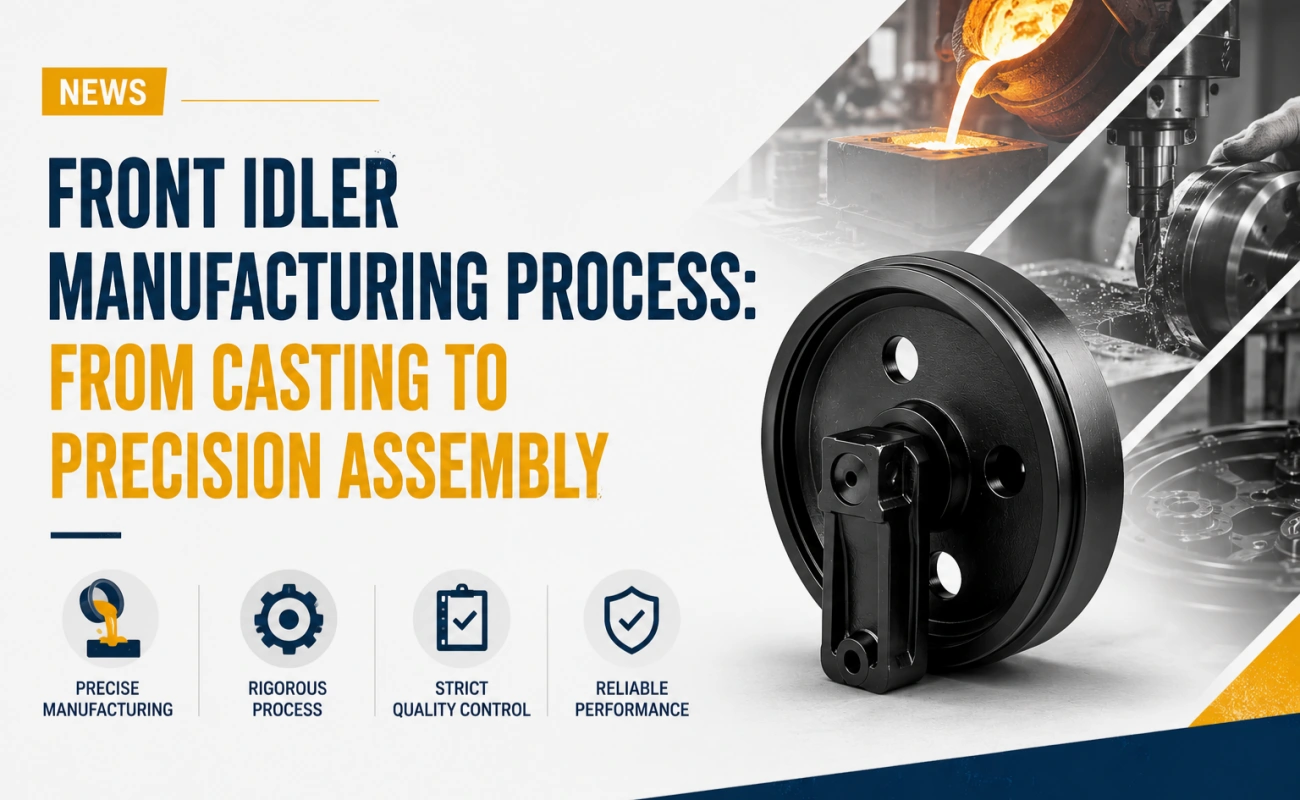
In the heavy equipment parts business, undercarriage components—such as track chains, track rollers, carrier rollers, sprockets, and front idlers—represent some of the most valuable inventory items. These parts are precision-engineered, heat-treated, and often coated to ensure years of reliable service in harsh working conditions. However, their performance and lifespan can be significantly compromised long before they ever reach a machine—if they are not stored and handled correctly. For dealers, improper warehousing or careless transportation can lead to corrosion, impact damage, or premature surface wear, all of which translate directly into financial loss and customer dissatisfaction.
This article outlines practical, field-proven guidelines for protecting undercarriage parts during storage, handling, and shipment, ensuring that every product maintains its factory quality until installation.
1. Controlling the Storage Environment
Humidity and temperature are the two most critical environmental factors affecting undercarriage parts in storage. Corrosion begins where moisture meets exposed metal, especially on machined surfaces such as bushing ends, sprocket teeth, and roller shafts. Dealers should always store parts in dry, well-ventilated facilities, ideally maintaining humidity below 60%.
When storing parts in regions with high humidity or near coastal areas, the following preventive steps are recommended:
- Use dehumidifiers or desiccant packs inside enclosed storage rooms or containers.
- Keep parts off the ground using wooden pallets or steel racks to prevent condensation contact.
- Avoid direct contact with concrete floors, as they retain moisture and promote rusting.
- Rotate stock periodically, ensuring older items are dispatched first to avoid prolonged exposure.
If long-term storage is expected, applying a light protective oil film or rust inhibitor to exposed surfaces can significantly extend corrosion protection without affecting fit or performance.
2. Handling Heavy Components Safely
Undercarriage parts are designed to endure heavy loads on machines, but they remain vulnerable to impact and deformation when mishandled during warehouse operations. Dents or scratches on bearing surfaces can cause premature wear or misalignment once installed.
To prevent such damage, dealers should:
- Always use lifting straps or cranes with soft slings—never metal hooks directly contacting machined areas.
- Avoid dropping or dragging rollers, idlers, or links across hard surfaces.
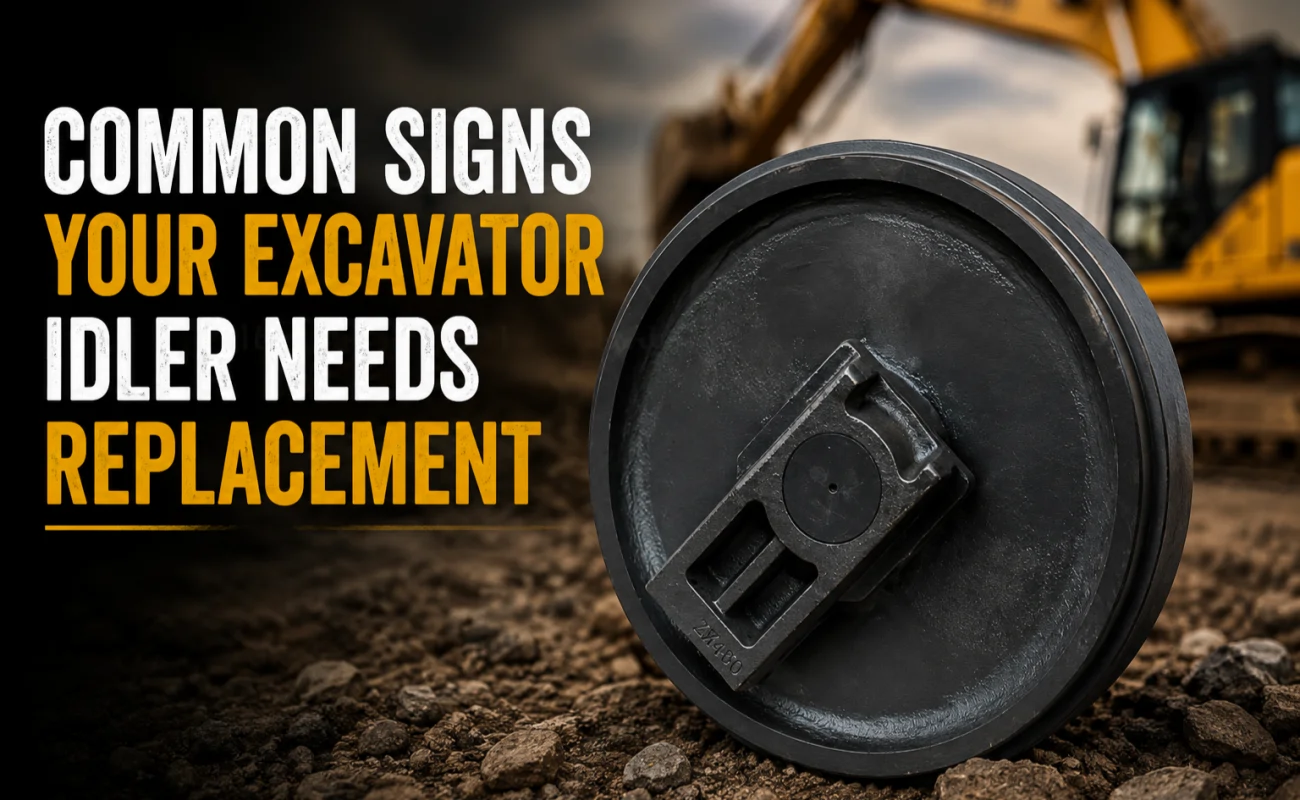
- For sprockets and idlers, store vertically on stable stands rather than flat stacking, to reduce stress on sealing areas.
- Label storage zones clearly to minimize unnecessary movement and reduce the chance of mishandling.
Training warehouse staff in part-specific handling procedures is crucial, as the requirements for a roller differ from those for a chain assembly or cylinder component.
3. Packaging and Surface Protection
Many high-quality undercarriage parts leave the factory with anti-corrosion coatings, shrink wrap, or grease films applied to critical areas. Dealers should avoid removing these protections until immediately before shipment or installation.
For repackaging or redistribution:
- Use plastic film, VCI (Vapor Corrosion Inhibitor) paper, or sealed bags to maintain a controlled micro-environment.
- Keep labels visible and barcodes accessible without exposing metal surfaces.
- Separate steel parts with cardboard or rubber spacers to prevent contact friction during transit.
If parts are exposed to the elements during unloading or transfer, they should be dried immediately and rewrapped to prevent oxidation.
4. Outdoor Storage Precautions
When indoor space is limited, some dealers are forced to store large assemblies—such as track chains or track shoes—outdoors. In such cases, the following measures can reduce environmental impact:
- Cover parts with waterproof tarpaulins while ensuring adequate ventilation underneath to prevent condensation.
- Avoid stacking more than two or three layers to prevent warping or uneven pressure on bottom layers.
- Place parts on treated wooden pallets or elevated steel frames to prevent ground moisture contact.
- Reapply protective coatings every few months, especially after rainfall or seasonal humidity changes.
A simple routine inspection—checking for early signs of rust or coating degradation—can prevent larger losses down the line.
5. Transportation and Delivery
During transport, vibration and impact are the two main threats to undercarriage parts. Chains and rollers, in particular, can sustain invisible micro-damage if they shift or rub during long hauls.
Dealers should ensure:
- All components are securely strapped and cushioned inside crates or containers.
- Contact points are protected with foam or rubber padding.
- Packaging is tested for durability under common transportation conditions, including temperature variation and road vibration.
For export shipments, additional measures such as vacuum sealing or VCI packaging can extend corrosion protection across long ocean voyages.
6. Building Long-Term Storage Standards
Dealers managing multiple product lines—rollers, sprockets, idlers, and links—can benefit from implementing a standardized storage quality checklist that covers:
- Environmental control logs (humidity and temperature).
- Regular inspection records and surface condition photos.
- Rotation and re-oiling schedules for long-term stored items.
Such systems not only preserve inventory value but also reinforce customer confidence when parts are delivered in “as-manufactured” condition.
7. Partnering for Reliable Quality
At KINTON PARTS, we recognize that protecting the integrity of undercarriage components extends beyond manufacturing—it continues throughout the supply chain. Our products, including track rollers, sprockets, and idlers, are treated with anti-corrosion coatings and packaged under controlled conditions to ensure durability from our factory floor to your warehouse.
We also work closely with dealers to provide customized packaging, labeling, and rust protection solutions based on local storage environments. By partnering with us, distributors gain a consistent, quality-assured supply chain that reduces waste, minimizes maintenance costs, and ensures every part arrives ready for installation.
In conclusion, proper storage and handling are as vital as precision machining or material quality. Dealers who invest in disciplined warehouse practices not only extend the life of their undercarriage inventory but also strengthen their reputation for professionalism and reliability in the global heavy equipment market.