Industry News

Sustainability in Heavy Equipment Parts: The Rise of Rebuild and Reuse Programs

heavy equipment parts rebuild

The construction and mining industries are often seen as resource-intensive sectors, yet they are not immune to the global push toward sustainability. Equipment manufacturers, distributors, and contractors are increasingly adopting rebuild and reuse programs to reduce waste, cut costs, and extend the life of critical components. For dealers and parts suppliers, this shift presents both a challenge and an opportunity: adapt to new expectations or risk being left behind.

Why Sustainability Is Driving Change

The rising awareness of environmental impact, combined with stricter regulations and customer expectations, has accelerated the demand for more sustainable practices. Heavy equipment fleets, which rely on undercarriage parts, hydraulic cylinders, and ground-engaging tools, often consume large amounts of steel, rubber, and other resources. Instead of discarding worn-out components, many operators are turning to rebuild programs that restore functionality while minimizing raw material usage.

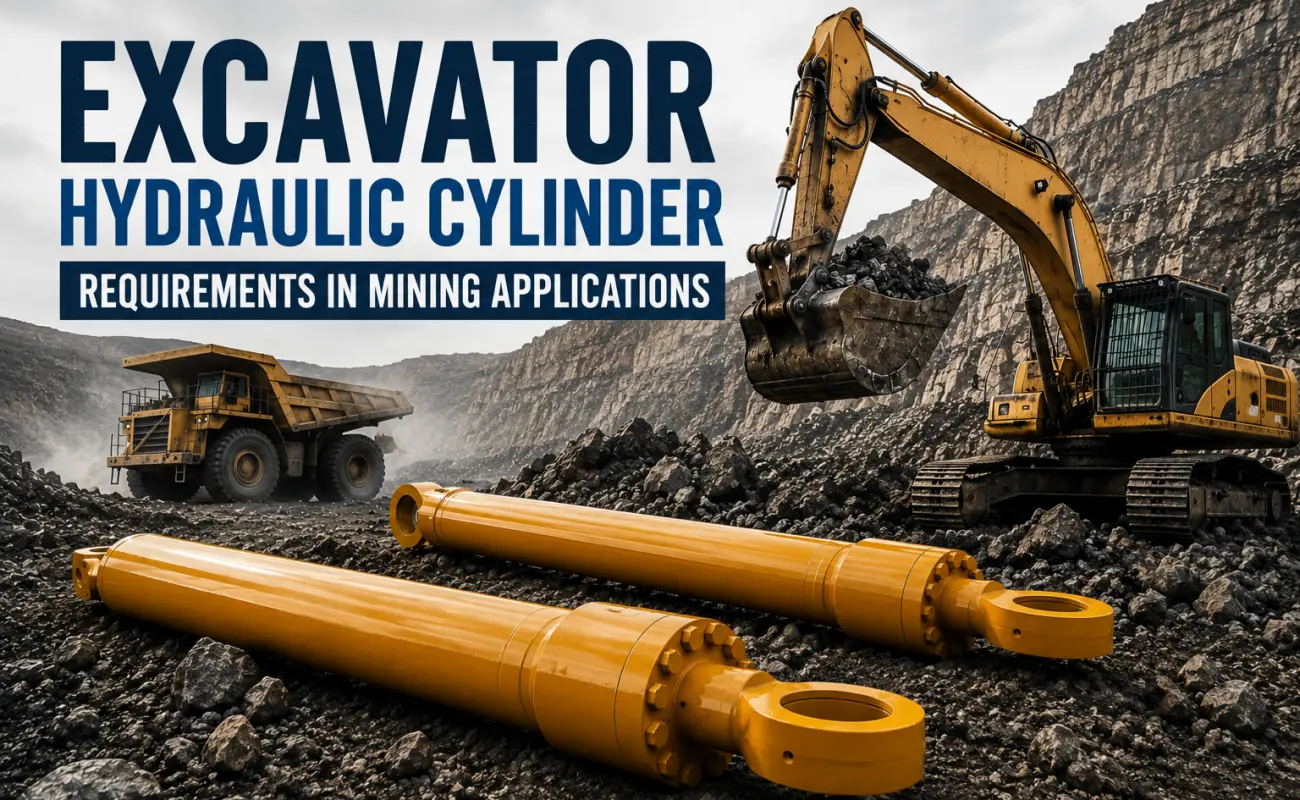
Remanufacturing not only reduces landfill waste but also lowers carbon emissions. Studies show that reusing a rebuilt hydraulic cylinder can cut energy consumption by more than 60% compared to manufacturing a new one. In regions where governments encourage circular economy practices—such as Europe and parts of Asia—these savings align with tax incentives and sustainability reporting requirements.

Key Components in Rebuild and Reuse Programs

Not all machine parts are suitable for rebuilding, but several categories stand out for their strong potential:

  • Hydraulic Cylinders – Cylinders can be re-honed, resealed, and pressure-tested, extending their service life with proper machining and seal replacement.
  • Track Chains and Links – Worn links can be re-bushed, re-pinned, and heat-treated for reuse, making them attractive for mid-sized and large excavators.
  • Ground-Engaging Tools (GET) – While bucket teeth are often replaced outright, larger cutting edges and blade segments can be refurbished through welding and hardfacing.
  • Rotating Parts – Some drive motors, swing bearings, and idlers are now entering rebuild programs, provided they meet strict inspection criteria.

These processes demand precision engineering, quality testing, and certified materials. Dealers who invest in rebuild facilities or partnerships can capture long-term business by providing cost-effective solutions that customers increasingly prefer.

Cost vs. Value for Customers

From an operator’s perspective, the economic case for rebuild programs is strong. Rebuilt hydraulic cylinders or track chains can cost 30–50% less than brand-new parts, while offering performance close to OEM specifications. This price advantage allows contractors to manage tight budgets without sacrificing uptime.

However, the real value lies in reliability. Customers must trust that a rebuilt component will not compromise machine productivity. This is where transparent testing standards and warranty programs play a crucial role. Distributors that combine affordable rebuild options with strong after-sales support often see repeat business and stronger customer loyalty.

Market Opportunities for Dealers

For dealers and distributors, the rise of rebuild programs creates multiple revenue channels:

  1. Core Collection Programs – Dealers can buy back used cylinders, chains, or motors, then refurbish and resell them.
  2. Service Partnerships – Working with certified rebuild shops or OEM-backed facilities allows dealers to expand their portfolio without investing heavily in new machinery.
  3. Green Branding – Promoting rebuild and reuse services can enhance reputation, especially among contractors bidding on projects with sustainability requirements.
  4. Export Potential – In regions such as Southeast Asia and Africa, where budgets are tighter, rebuilt parts often gain traction over new components. Dealers can build strong cross-border markets by offering certified rebuild options.

Overcoming Challenges

Despite its promise, the rebuild market has hurdles. Quality assurance is the most significant concern. Customers often hesitate to buy rebuilt parts if they suspect shortcuts were taken. To overcome this, dealers must ensure:

  • Rigorous inspection and non-destructive testing of cores.
  • Proper machining tolerances and material standards.
  • Documented warranties comparable to new parts.
  • Clear labeling to differentiate rebuilt parts from counterfeit or low-quality substitutes.

Training technicians and investing in modern equipment also require upfront costs. Yet, as demand grows, these investments are increasingly justified by higher margins and stronger market differentiation.

The Future of Rebuild and Reuse

Sustainability in heavy equipment is no longer a niche conversation. With construction firms facing both financial pressure and environmental scrutiny, rebuild programs are moving into the mainstream. Major OEMs now promote remanufactured product lines, and independent dealers are following suit with their own certified services.

Looking ahead, digital tracking of part lifecycles and predictive maintenance systems will further integrate rebuilds into fleet management. Dealers who embrace these trends early can position themselves as leaders in a more sustainable, cost-conscious market.

Conclusion

The rise of rebuild and reuse programs marks a turning point in heavy equipment parts distribution. Hydraulic cylinders, track chains, and ground-engaging tools are no longer just consumables—they are part of a circular supply chain that benefits operators, the environment, and dealers alike. By investing in quality rebuild practices, transparent warranties, and sustainable branding, distributors can unlock new growth while contributing to the industry’s green transformation.