




Lead Times and Logistics: How Global Supply Chains Affect Parts Availability

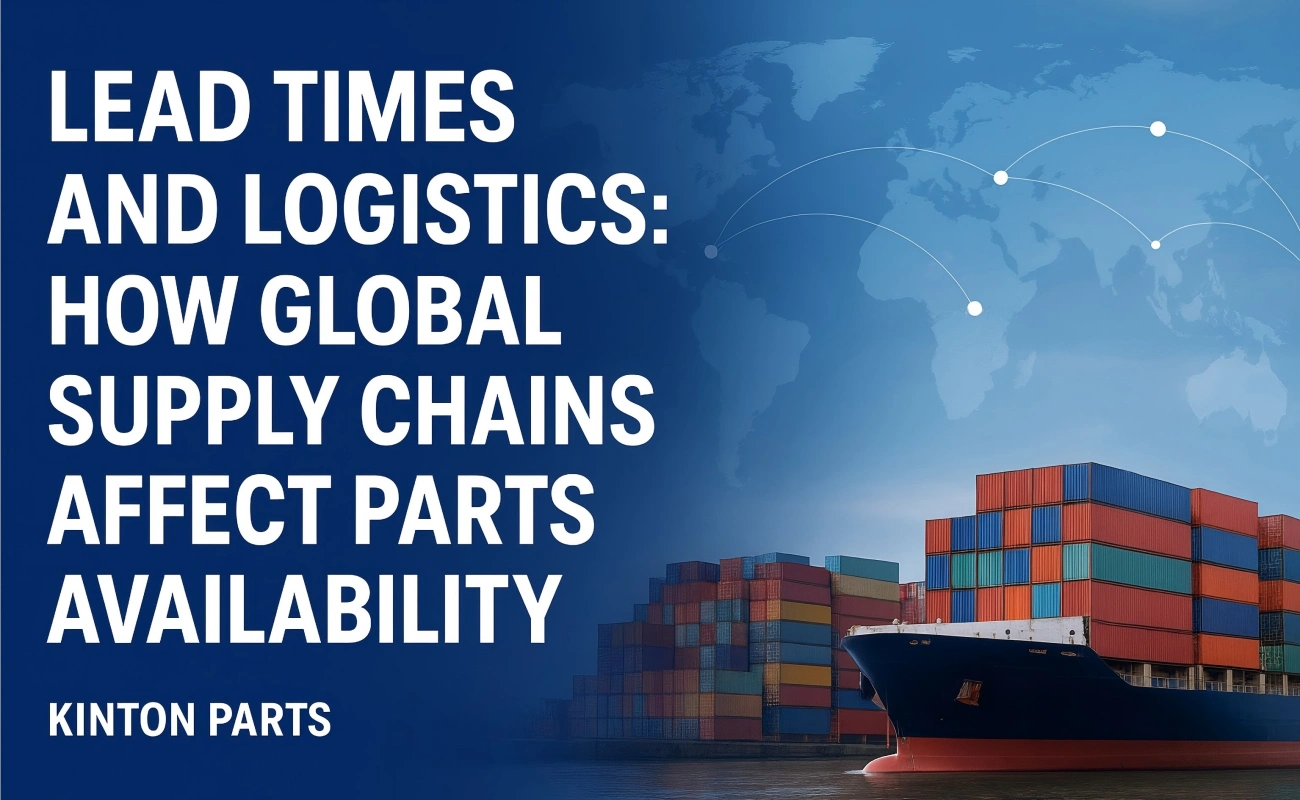
In today’s interconnected world, the performance of heavy equipment dealers and distributors is no longer defined only by the quality of their products. Increasingly, the ability to deliver parts quickly—and reliably—has become just as critical. For excavator undercarriage components, hydraulic cylinders, or ground-engaging tools, logistics challenges such as freight costs, shipping delays, and port congestion play a direct role in whether dealers can meet customer expectations. Understanding these dynamics is essential for protecting sales and maintaining competitiveness.
Freight Costs and Their Direct Impact
Freight rates have always fluctuated, but recent years have seen unprecedented volatility due to fuel price changes, vessel shortages, and shifting trade routes. Higher freight costs squeeze margins for both dealers and customers. For example:
- A sudden increase in container freight rates can raise the landed cost of parts by 10–20%, affecting price competitiveness.
- Smaller dealers often absorb these costs to remain attractive to buyers, but this reduces profitability over time.
Dealers who monitor global freight indices and negotiate long-term shipping contracts can better stabilize their cost structures, ensuring consistent pricing for customers.
Lead Times: More Than Just Transit Days
Many distributors think of lead time as the number of days it takes to ship a part. In reality, it is the sum of multiple stages: manufacturing, inland transportation, export customs clearance, ocean or air transit, port unloading, and domestic delivery. A disruption in any one of these stages can extend overall lead time significantly.
For example, a hydraulic cylinder ordered from Asia might normally take 35 days to reach a European distributor. However, delays at a congested port can extend that timeline to 50 days, creating stock shortages just as contractors enter their peak construction season.
Port Congestion and Regional Bottlenecks
Global trade routes are under constant strain, with major hubs like Singapore, Rotterdam, and Los Angeles frequently experiencing congestion. Seasonal peaks—such as pre-holiday shipping surges—compound the problem. For construction parts, which often need to arrive just-in-time to support project schedules, a week’s delay at a port can mean missed contracts and frustrated customers.
Distributors who diversify their shipping routes or use less-congested secondary ports often gain an advantage in reliability, even if costs are slightly higher.
The Role of Inventory Strategy
Logistics uncertainty makes inventory planning more important than ever. Dealers who rely solely on just-in-time models risk stockouts when shipments are delayed. On the other hand, carrying excess stock ties up capital. A balanced approach—strategic stocking of fast-moving items like track rollers, seal kits, and bucket teeth—ensures readiness while minimizing risk.
Regional warehouses, bonded storage facilities, and partnerships with local distributors can also shorten lead times by positioning inventory closer to customers.
Digital Tools and Forecasting
Technology now plays a vital role in mitigating logistics risks. Advanced demand forecasting, combined with real-time shipment tracking, helps dealers anticipate both customer demand and potential supply chain disruptions. Integrating ERP systems with logistics providers allows for greater visibility, enabling proactive responses to delays.
Turning Challenges into Opportunities
While global logistics disruptions are a challenge, they also create opportunities for proactive dealers:
- Value-added services: Dealers that keep customers informed about shipment status build trust and loyalty.
- Stocking flexibility: Being able to supply parts quickly during industry-wide delays sets a dealer apart.
- Regional alliances: Partnering with local workshops or rental companies provides coverage when direct imports are delayed.
Conclusion
Lead times and logistics have become defining factors in the heavy equipment parts business. Freight volatility, port congestion, and unpredictable delays can erode profitability and customer confidence. Dealers who treat logistics as a strategic function—rather than a back-office process—can turn uncertainty into competitive advantage. By balancing inventory, diversifying shipping routes, and embracing digital tools, distributors can ensure that their customers get the right parts at the right time, even in an unpredictable global supply chain.