Maintenance Tips

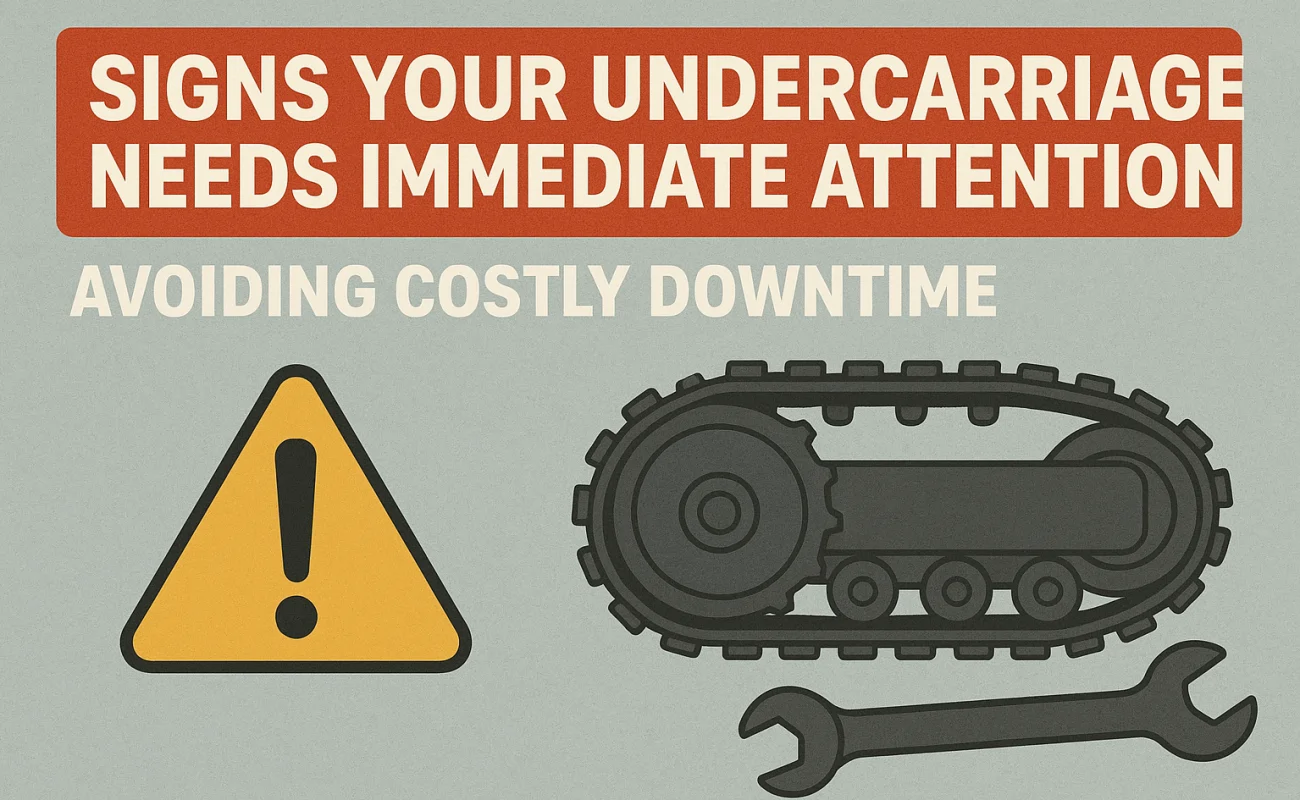
Signs Your Undercarriage Needs Immediate Attention: Avoiding Costly Downtime

undercarriage needs attention

The undercarriage is the foundation of every crawler excavator and bulldozer. It bears the machine’s entire weight, transmits power to the ground, and endures constant friction, impact, and abrasion. While operators often focus on hydraulic systems or engines, neglecting the undercarriage is one of the most expensive mistakes that can lead to premature wear, unexpected breakdowns, and costly downtime.

Recognizing the early warning signs of undercarriage problems allows dealers and fleet managers to take preventive action before small issues become major failures. Here’s what to look for — and what to do about it.

1. Uneven or Accelerated Track Wear

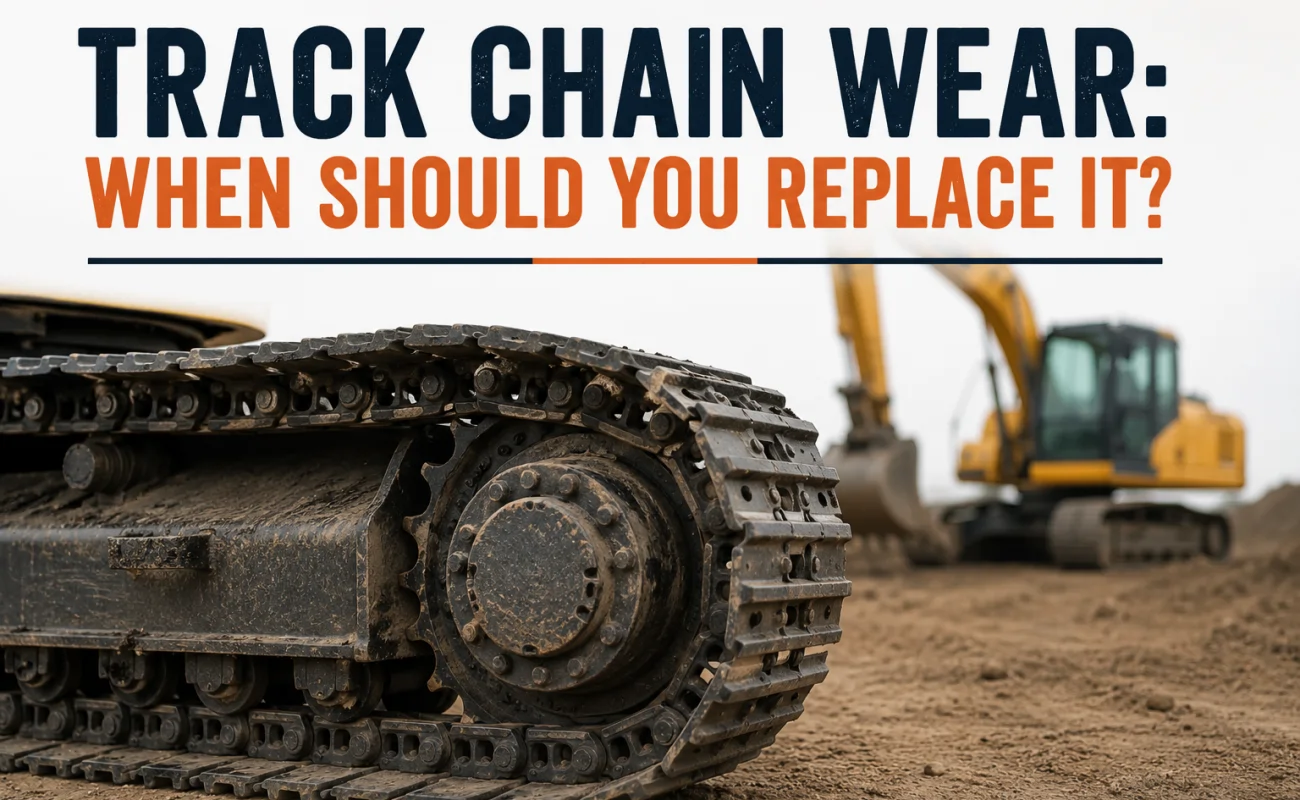
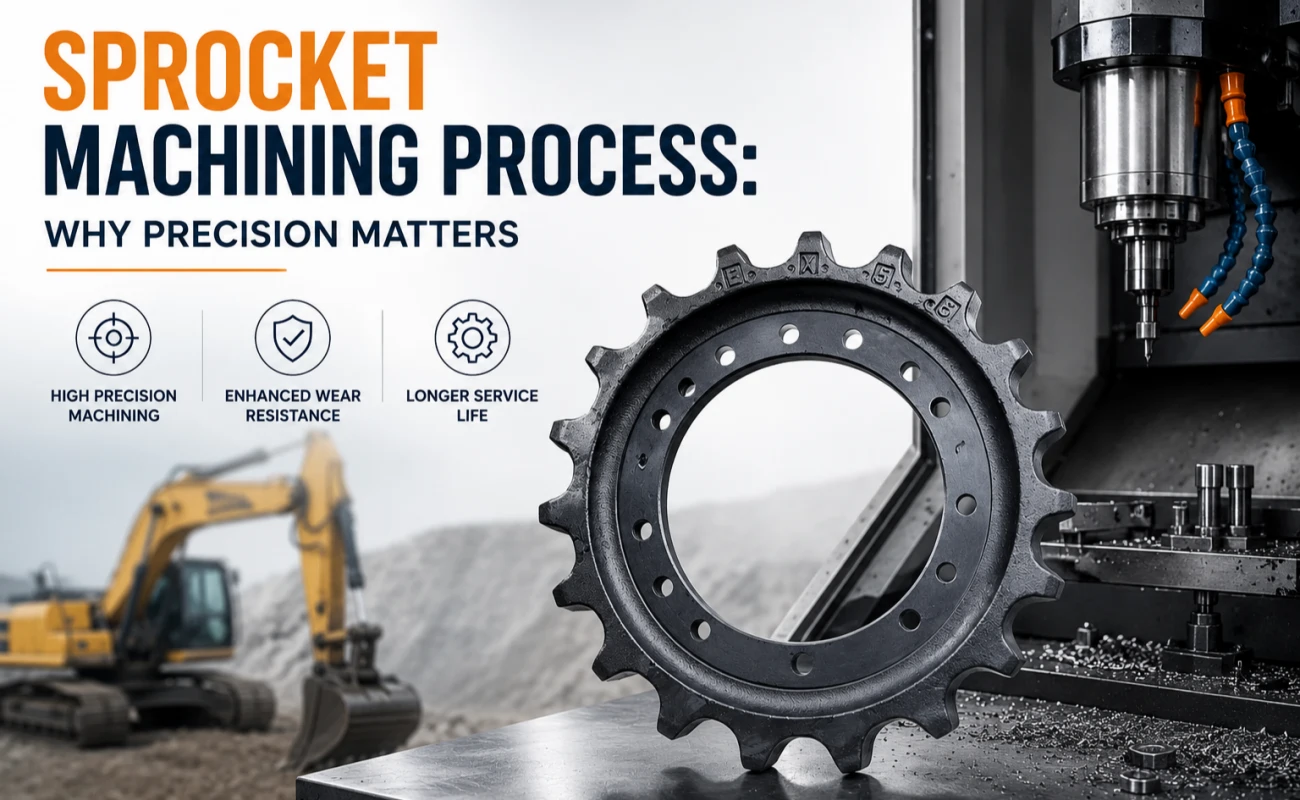
One of the earliest signs that your undercarriage needs inspection is uneven wear on the track shoes or chain links. This often indicates misalignment caused by worn sprockets, idlers, or track adjusters.
If one side of the track is wearing faster than the other, the root cause might be an imbalance in track tension, a damaged roller frame, or even improper operation habits such as excessive turning on hard surfaces.

👉 Dealer Tip: When your customers report track wear, inspect all contact points — sprocket teeth, rollers, and idlers — as they wear together as a system. Replacing just one worn part may accelerate wear on the others.

2. Abnormal Noises or Vibrations

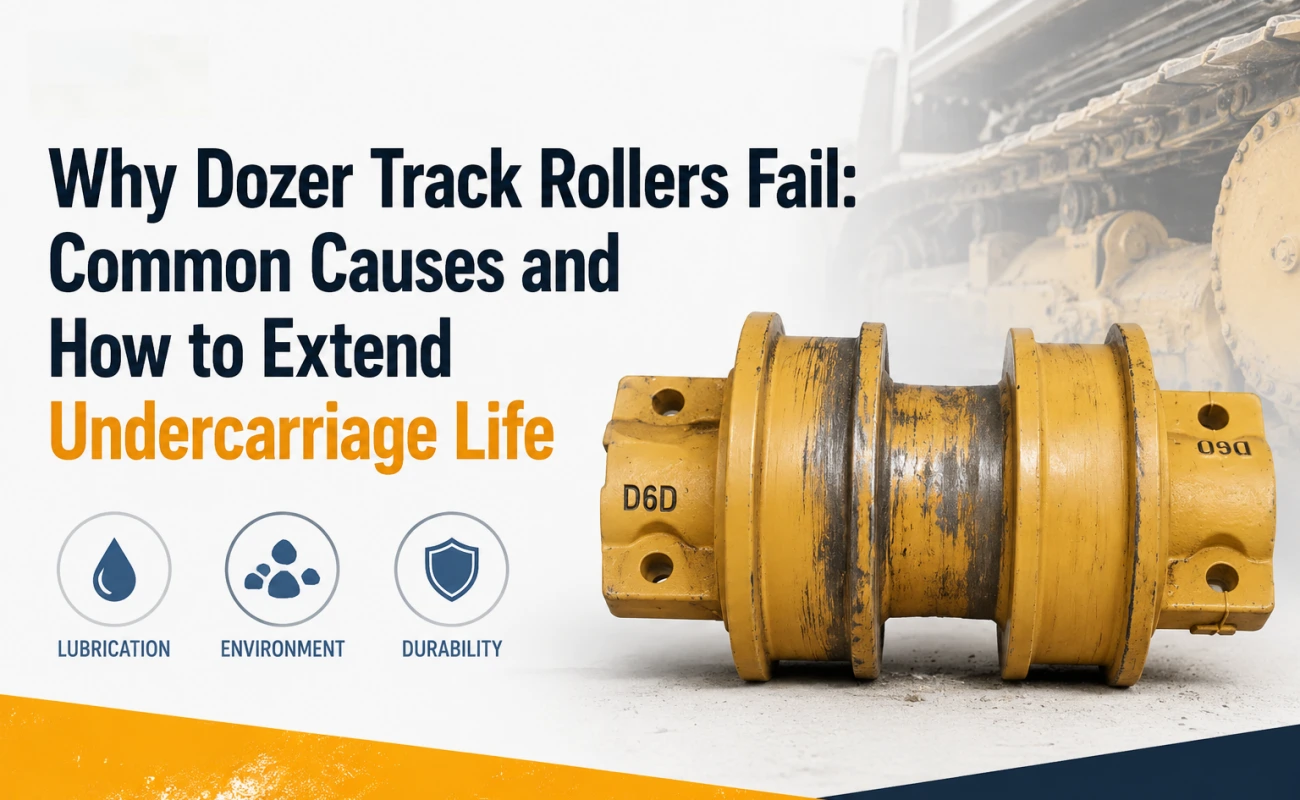
Grinding, clunking, or squealing sounds are clear indicators that something inside the undercarriage isn’t operating smoothly. These noises often result from dry bushings, seized rollers, or cracked track links.
Vibrations felt through the cabin or underfoot can point to flat-spotted rollers or out-of-round track shoes — both of which can stress other components if ignored.

👉 Dealer Tip: Encourage customers to check for strange noises during daily startup inspections. A few minutes of listening can prevent days of machine downtime.

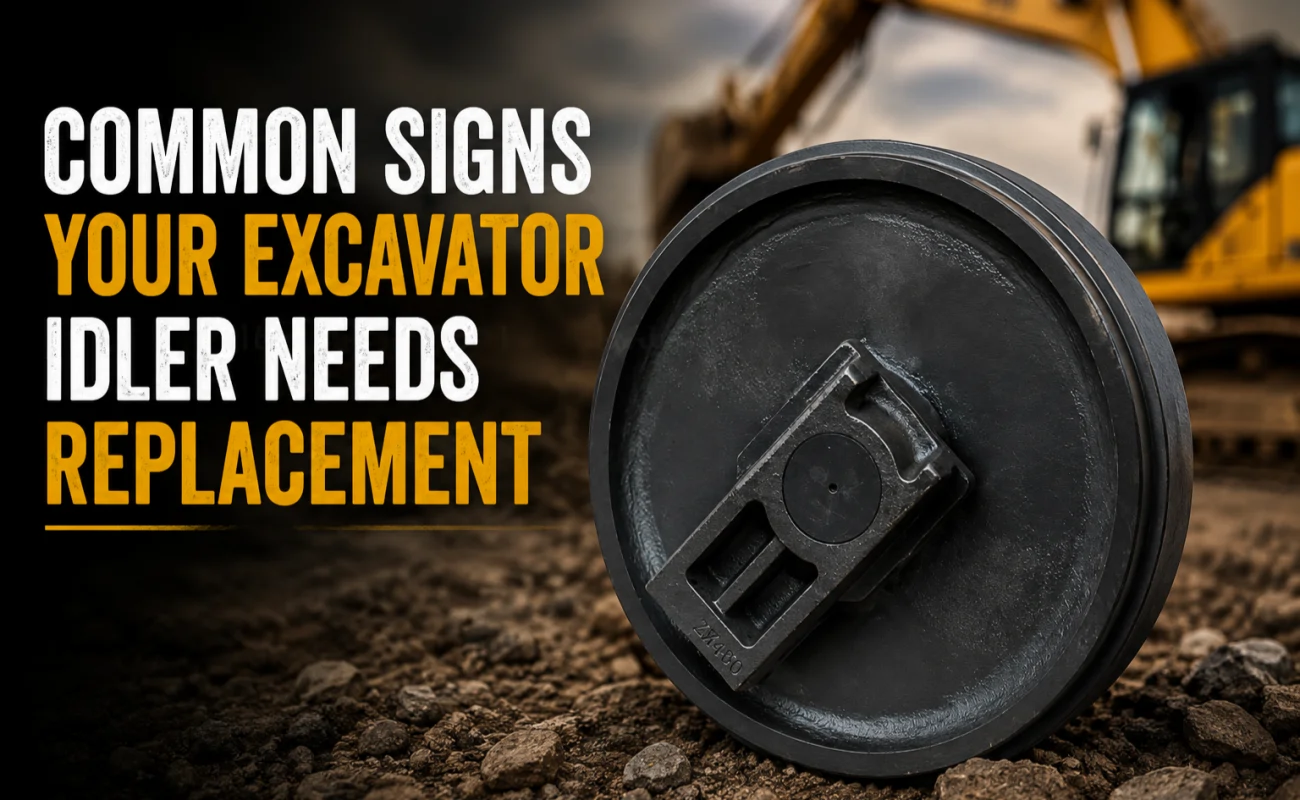
3. Leaking or Damaged Seals Around Rollers and Idlers

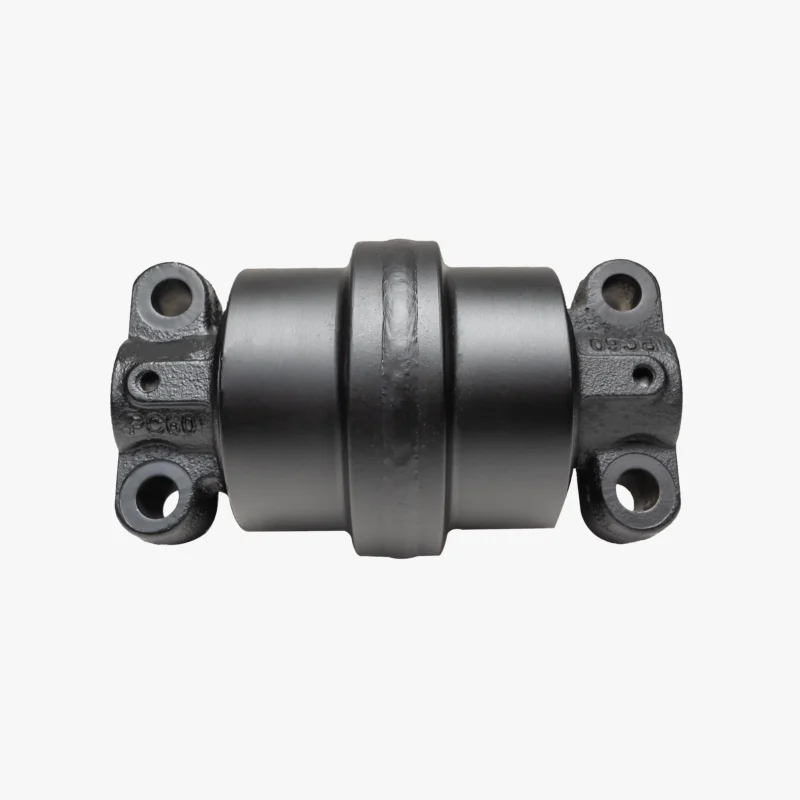
Undercarriage components like bottom rollers and idlers rely on oil-filled, sealed systems for lubrication. Once these seals fail, dirt and moisture enter, and the bearing surface quickly wears out.
Operators might notice oil stains on the tracks or around the idlers — a clear sign that internal components are losing protection. Continued operation in this condition can cause irreversible damage to the bearing and axle.

👉 Action Point: Replace leaking rollers or idlers immediately. High-quality replacements with precision-fit seals ensure longer life, especially in muddy or abrasive environments.

4. Track Tension Problems

Proper track tension is critical — too tight and it accelerates wear; too loose and it risks derailment.
A slack or overly tight track chain can indicate a worn adjuster assembly or a leaking tension cylinder. In some cases, operators try to “compensate” by over-tightening, which only increases stress on the links, bushings, and sprockets.

👉 Dealer Tip: Remind customers to check track sag regularly as part of their maintenance routine. The correct tension varies depending on terrain — muddy conditions require looser adjustment than rocky or dry ground.

5. Excessive Vibration During Travel

If the excavator “bounces” while moving or the dozer shows erratic travel behavior, it’s often due to uneven wear on the track rollers or sprocket teeth.
Over time, roller diameters can vary as material builds up or wears away, creating irregular movement. This not only affects operator comfort but also damages track links and final drives.

👉 Inspection Tip: Roll the machine slowly and observe each roller in motion. Any “jumping” or “skipping” movement indicates it’s time for replacement.

6. Rust, Cracks, or Loosened Hardware

Visual signs like corrosion, cracked shoes, or missing bolts are red flags that should never be ignored. A single missing bolt on a track guard or roller mount can quickly lead to more serious structural issues.
Rust around pin ends or link joints means water ingress, which leads to seizure or breakage under stress.

👉 Maintenance Advice: Dealers can help customers by offering scheduled undercarriage inspections every 500 operating hours or after work in extreme conditions. Early intervention costs far less than major component replacement.

7. Operator Feedback and Machine Performance Changes

Finally, don’t underestimate the operator’s intuition. When a machine starts feeling “off” — sluggish travel speed, harder turns, or unsteady ground contact — those sensations often precede mechanical failure.
Encourage customers to report these early symptoms rather than adjusting their operating style to compensate.

Final Thoughts: Prevention Beats Repair

A worn undercarriage doesn’t just affect traction — it increases fuel consumption, slows productivity, and can even damage hydraulic components due to excessive vibration.
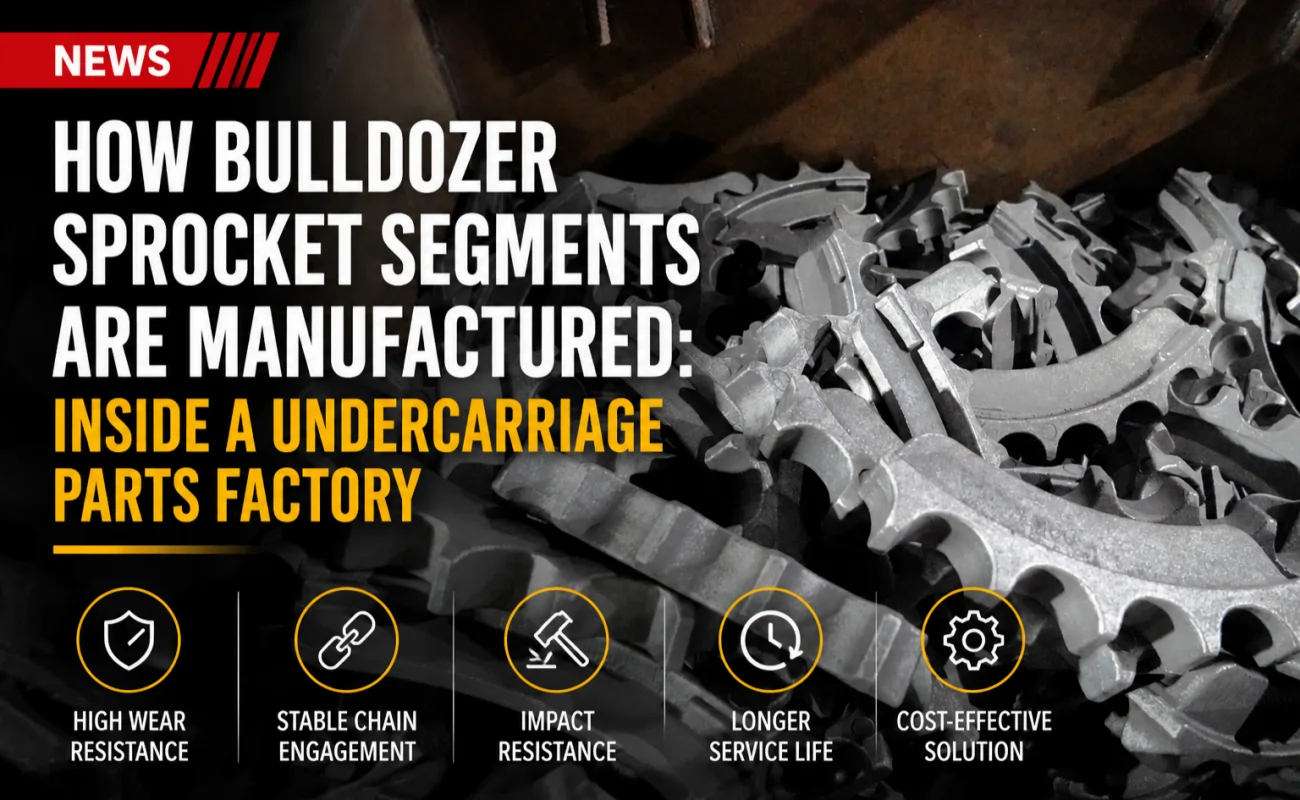
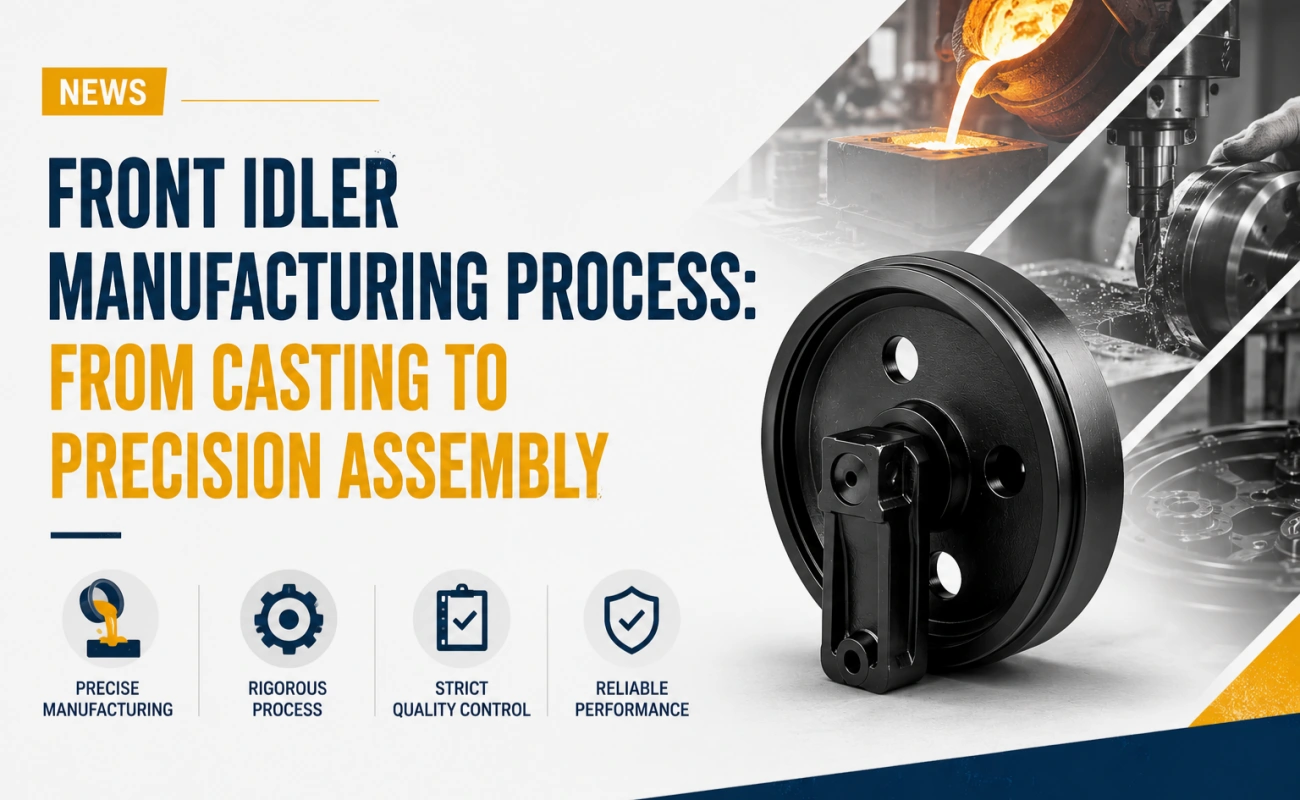
Dealers play a crucial role in helping customers spot early warning signs and schedule timely replacements. Supplying high-quality undercarriage parts such as track rollers, idlers, sprockets, track links, and adjusters ensures machine reliability and customer satisfaction.

By taking undercarriage maintenance seriously and educating customers about early wear indicators, you not only reduce downtime — you build lasting trust and stronger business relationships.