


Dealer’s Guide to Offering OEM-Equivalent Parts with Confidence


For many equipment dealers, the term "OEM equivalent parts" can be a double-edged sword. While it promises cost savings and purchasing flexibility, some customers remain skeptical, believing non-OEM parts will be of lower quality or experience unstable fitment.
In reality, aftermarket manufacturers have leveraged proven technology to achieve precision and reliability that rivals, and sometimes even surpasses, original equipment parts. The key lies in how dealers clearly and reliably convey this confidence to their customers.
This guide explores how to present OEM-equivalent parts as a trustworthy solution — backed by facts, quality standards, and real-world performance.
1. Define What “OEM-Equivalent” Really Means
The first step in building customer confidence is explaining what OEM-equivalent truly represents.
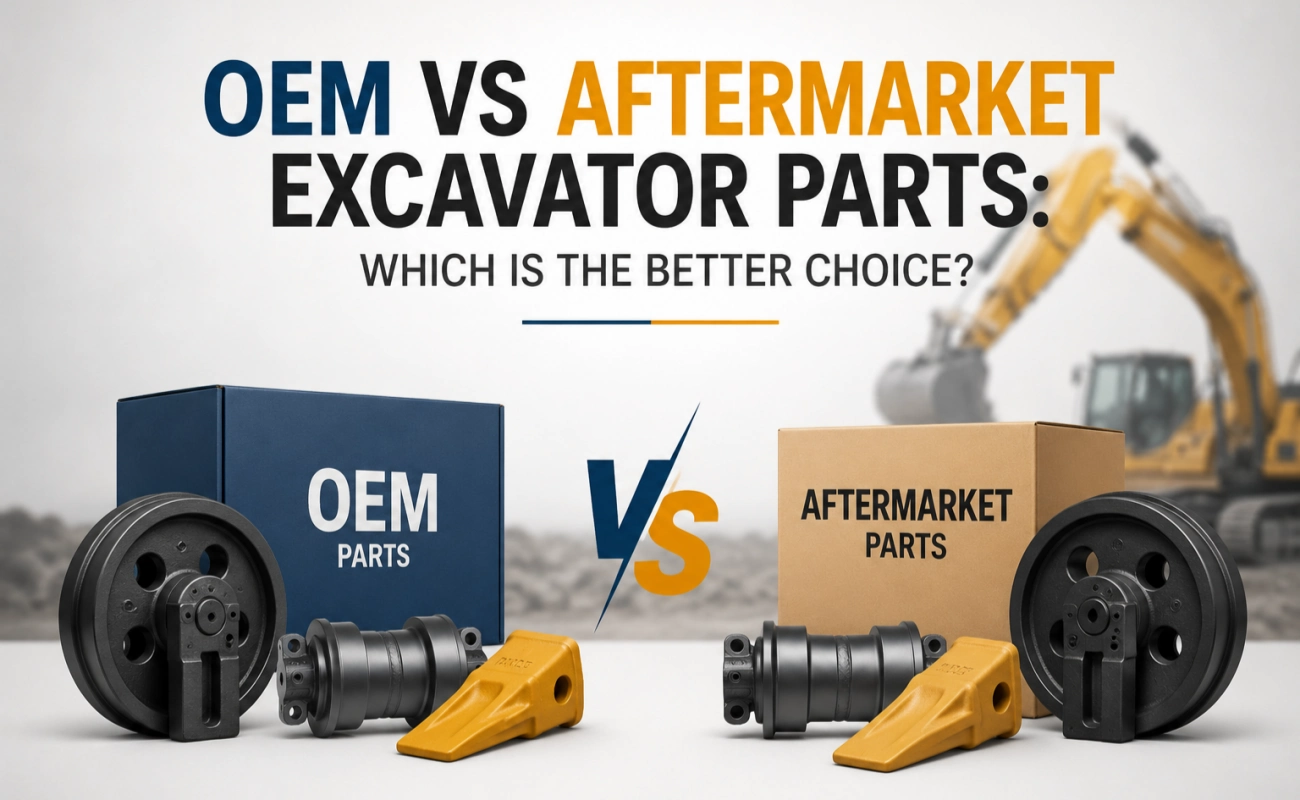
An OEM-equivalent part is engineered and produced to meet or exceed the original equipment manufacturer’s specifications — including dimensions, materials, heat treatment, and performance testing.
Unlike imitation or “will-fit” components, OEM-equivalent parts undergo strict quality control to ensure identical installation and function. Many reputable suppliers use the same production methods and even the same materials suppliers as the OEM factories.
👉 Dealer Tip: When introducing OEM-equivalent parts, emphasize engineering equivalence, not brand imitation. Customers respond better to terms like “precision replacement” or “engineered to OEM standards.”
2. Highlight Manufacturing and Testing Standards
Build customer trust with data. To eliminate hesitation before a purchase, it's essential to provide customers with a thorough understanding of the production and inspection processes behind the parts you sell.
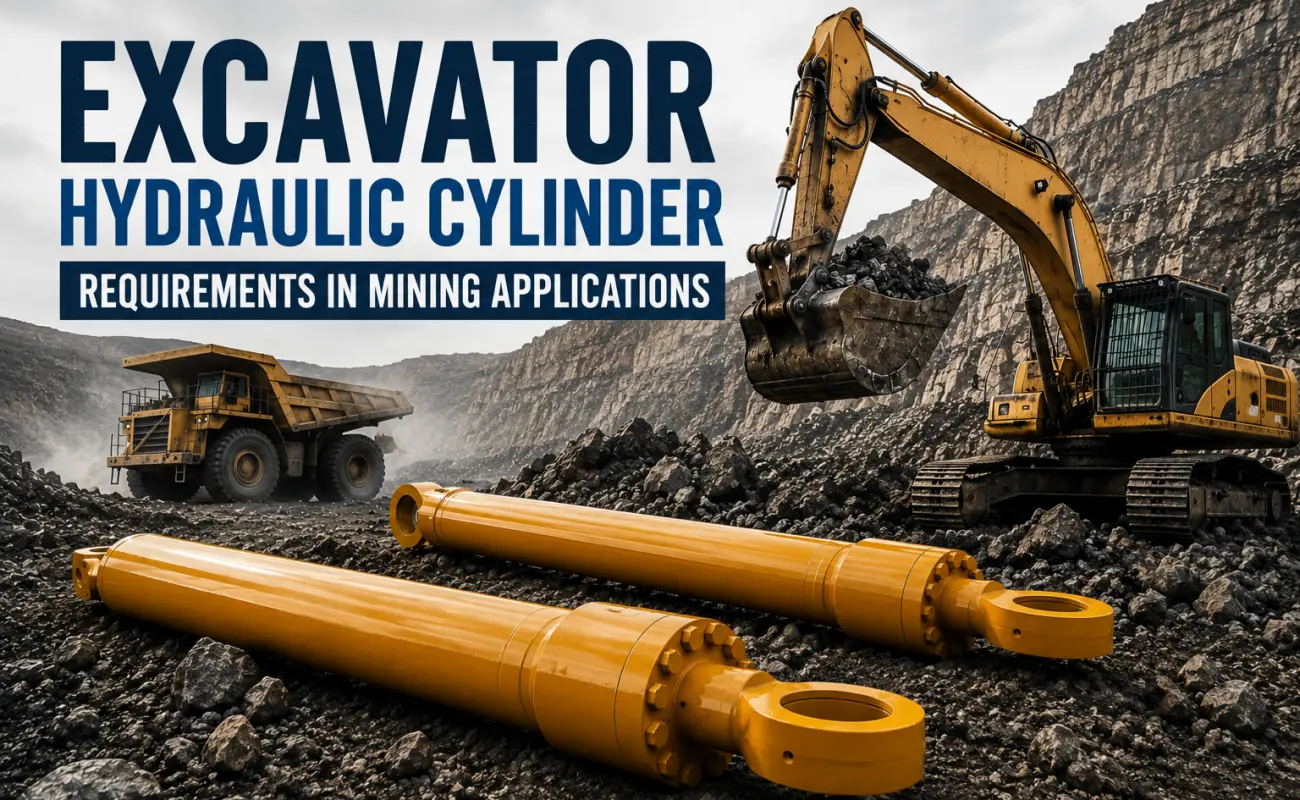
For example, high-quality chassis parts or hydraulic cylinder repair kits typically undergo the following processes:
- CNC machining with tight tolerance control (±0.01 mm)
- Heat treatment for surface hardness and wear resistance
- Dimensional inspection using coordinate measuring machines (CMM)
- Pressure and load tests to verify durability
Dealers who can confidently explain these processes project technical competence and product credibility.
👉 Practical Example:
“When we say our track rollers are OEM-equivalent, it means each roller shaft is hardened to HRC 55–58 — the same as leading OEM brands — and every piece is pressure-tested before packing.”
3. Focus on Real-World Performance and Total Cost of Ownership
End users care less about labels and more about results in the field. Sharing real performance comparisons is far more persuasive than abstract claims.
Dealers can highlight that OEM-equivalent parts provide the same lifespan, smoother installation, and reliable fit — but at a lower operating cost.
When possible, back this up with feedback from other customers:
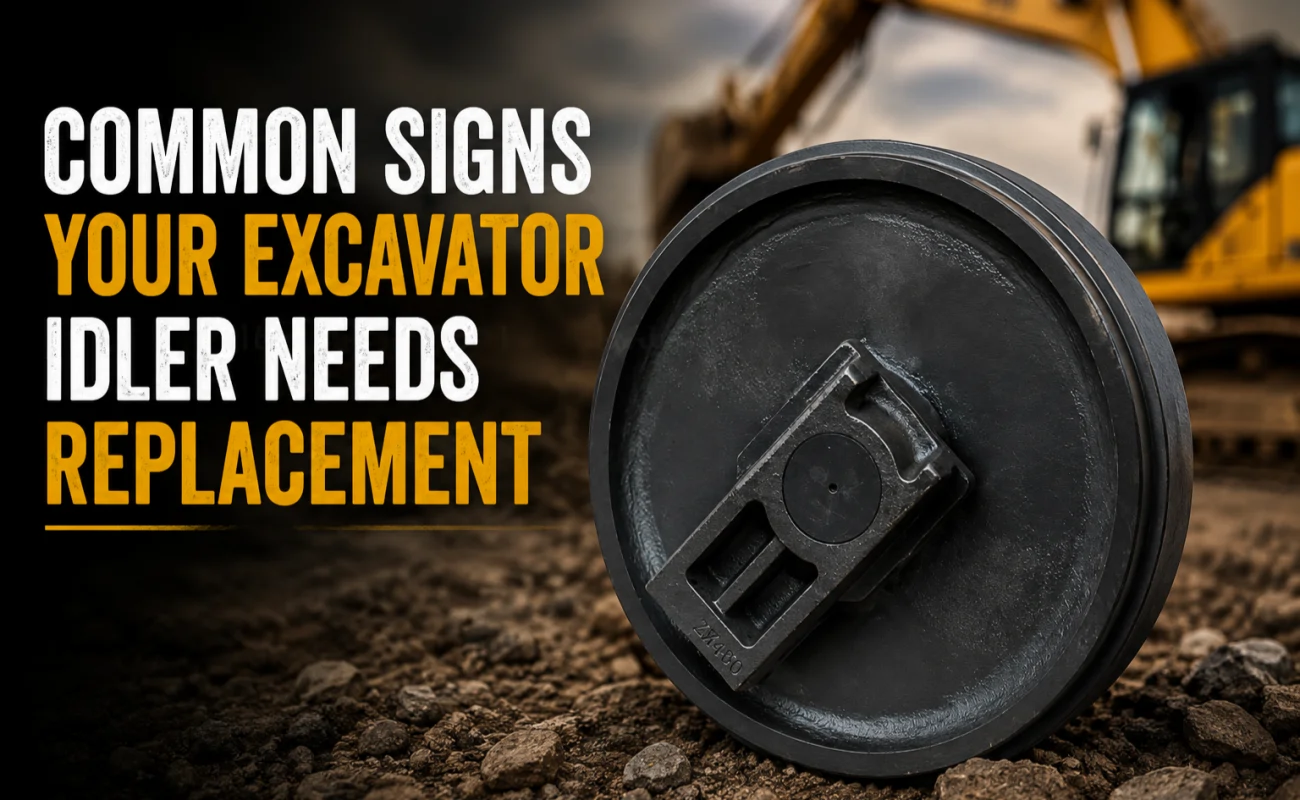
“Contractors using our aftermarket idlers have reported equal wear life to OEM components after 2,000 working hours in mixed terrain conditions.”
👉 Key Message: Quality aftermarket parts reduce downtime and total ownership costs, not just purchase price.
4. Address Common Customer Concerns Directly
Even well-informed clients may hesitate, especially when it comes to critical components like hydraulic parts, track links, or slewing bearings.
Dealers should proactively address these worries with transparent comparisons and technical support.
- Concern 1: “Will it fit correctly?”
→ Confirm compatibility with model-specific part numbers and OEM cross-reference charts. - Concern 2: “Will it last as long?”
→ Provide documented test data or customer case studies. - Concern 3: “What about warranty?”
→ Offer warranty terms similar to OEM coverage — this reinforces confidence.
👉 Dealer Tip: Always keep a printed or digital OEM-equivalent cross-reference sheet handy. Quick verification builds trust during negotiations.
5. Partner with Reliable Aftermarket Manufacturers
The strength of your aftermarket offer depends entirely on your supply chain. Dealers should collaborate with manufacturers that are transparent about their materials, heat treatment, and inspection processes.
Look for partners with ISO-certified production and proven track records in international markets.
For example, trusted suppliers of undercarriage components, hydraulic cylinders, or seal kits for brands like Caterpillar, Komatsu, Hitachi, and Doosan can supply OEM-level documentation — including hardness reports, metallurgy certificates, and packaging traceability.
👉 Long-Term Advantage: Consistent sourcing from reliable factories allows dealers to build their own brand trust — turning customers from skeptics into repeat buyers.
6. Use Educational Marketing to Build Confidence
One of the most effective ways to overcome customer doubt is education. Dealers can use social media posts, short videos, or workshop demos to show how OEM-equivalent parts are produced and tested.
A short clip of CNC machining, hardness testing, or packaging can visually prove quality far more convincingly than words.
👉 Tip for Dealers:
Instead of just promoting prices, emphasize your technical expertise:
“Our replacement bushings and rollers are made from high-quality materials and heat-treated for optimal wear life – to the same specifications as OEM components.”
This positions your dealership as a trusted technical advisor, not just a parts seller.
Confidence Comes from Knowledge
Selling OEM-equivalent parts with confidence isn’t about aggressive persuasion — it’s about education, transparency, and technical understanding.
When dealers clearly explain how these parts are engineered, tested, and backed by warranty, customers recognize them as a smart, cost-effective alternative to OEM-only sourcing.
In today’s competitive equipment market, OEM-equivalent parts aren’t second-choice solutions — they’re part of a professional dealer’s strategy to offer value, reliability, and flexibility to every client.
Partner with a Reliable OEM-Equivalent Parts Supplier
If you are a dealer looking for a stable and reliable supplier of excavator and bulldozer parts, then cooperating with KINTON PARTS will bring you a strong competitive advantage. We specialize in manufacturing undercarriage components, hydraulic cylinders, seal kits, and ground-engaging tools that meet or exceed OEM performance standards. With consistent quality control, flexible order options, and export-ready packaging, we help dealers maintain confidence when serving their customers.
👉 Reach out to us today to discuss your sourcing needs or request a quotation for your preferred models. Together, we can build a reliable aftermarket supply chain that delivers long-term value for your business.