


When to Replace Dozer Sprocket Segments: How Worn Teeth Destroy Track Chain Pitch


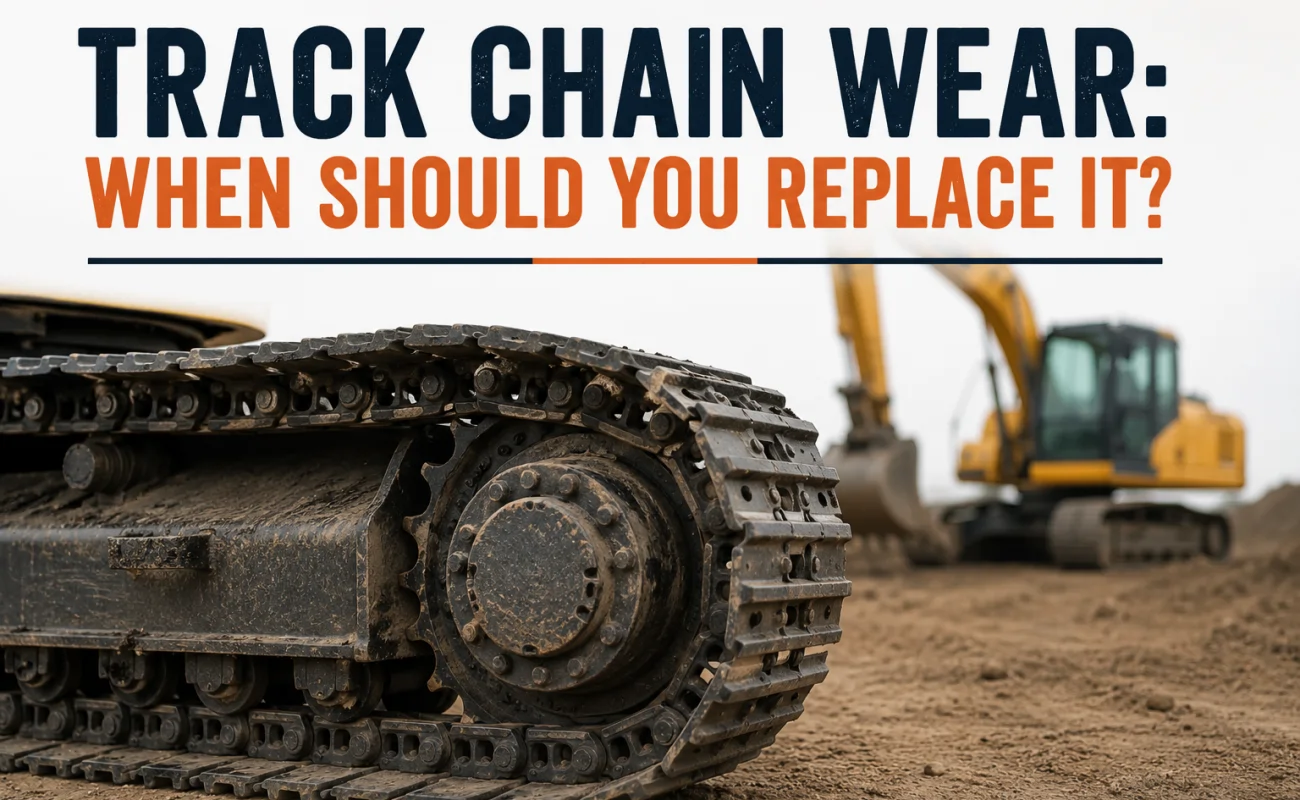
In a bulldozer undercarriage system, sprocket segments are often one of the most overlooked — yet most critical — components. During routine maintenance, operators usually focus on track chains, rollers, or track shoes, while sprocket segments are frequently left in service with the mindset of “they can still run a bit longer.”
In real working conditions, however, the wear condition of sprocket segments directly determines whether the track chain pitch can remain properly matched. Once the tooth profile is distorted, the loss is no longer limited to a few segments — it often extends to the entire chain, and in severe cases, the whole undercarriage system.
Why Continuous Cable Technology Is More Reliable
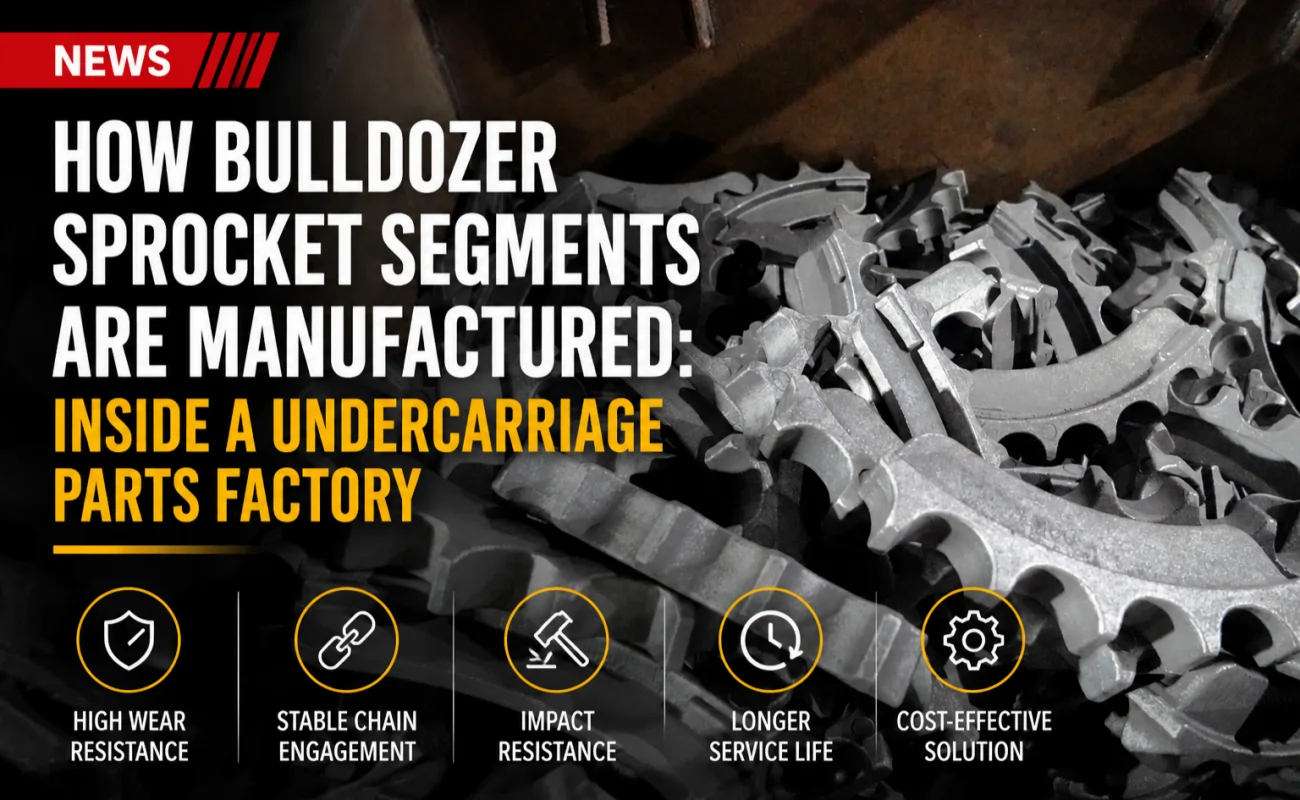
Structurally, a bulldozer sprocket is not a single solid component. It is assembled from multiple segmented sprocket teeth (segment groups). This modular design exists to allow partial replacement and reduce maintenance costs.
But during operation, sprocket segments do far more than transmit torque:
- They define the force angle between the sprocket and the track chain
- They influence whether the chain pitch is pulled apart or compressed
- They control climbing, seating, and disengagement behavior of the chain on the sprocket
In other words, sprocket segments serve as one of the geometric reference points for track chain pitch. Once the tooth profile changes noticeably, the chain can no longer operate under its designed conditions.
How Tooth Wear Gradually Destroys Track Chain Pitch
Sprocket segment failure rarely occurs suddenly. Instead, it develops gradually — and problems often begin in the stage where the segments appear “still usable, but no longer correct.”
When the following changes appear, chain pitch damage has already started:
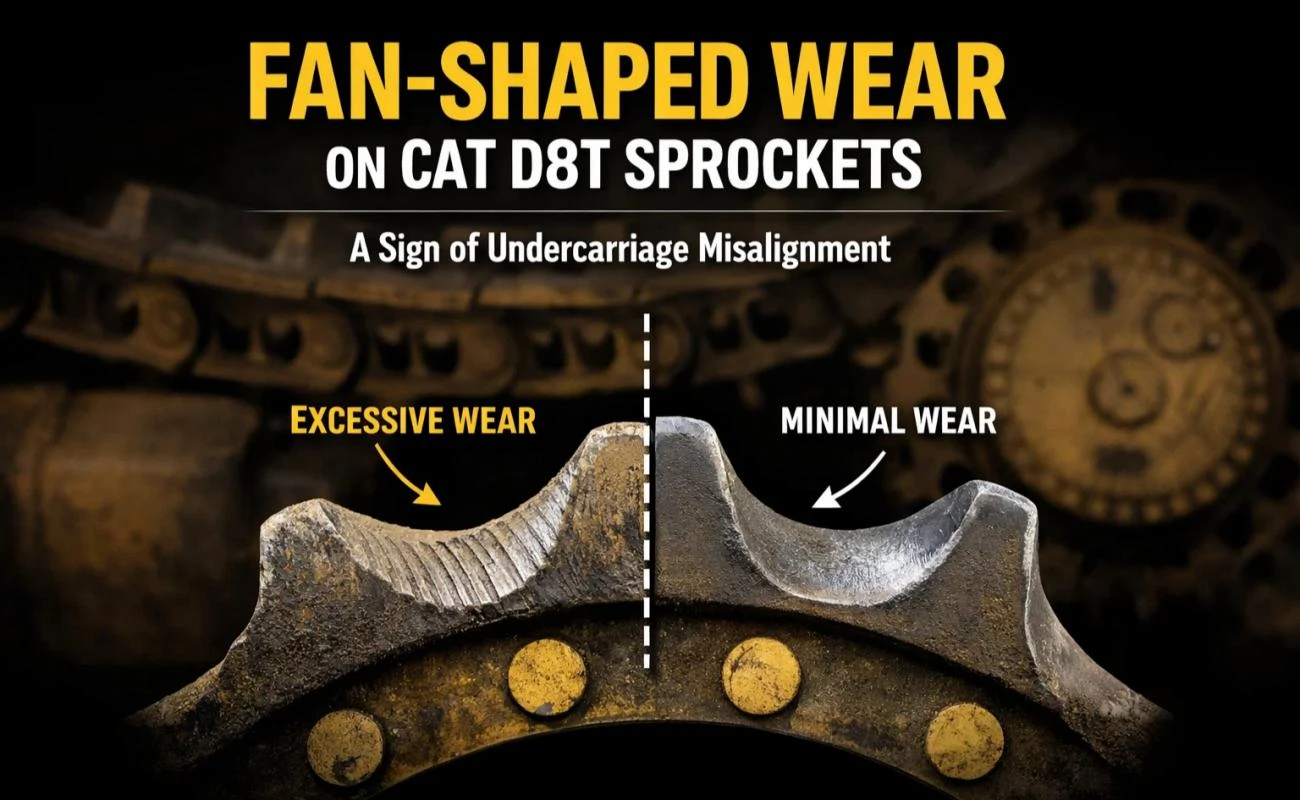
- Tooth tips become sharp while tooth roots become shallow
- The engagement surface turns into a sloped wear face instead of the original working curve
- Tooth spacing appears unchanged visually, but the chain is forced to climb under load
At this stage, the chain no longer meshes according to its designed pitch. Instead, it is forced to adapt to a distorted tooth profile, leading to:
- Abnormal loading on pins and bushings, accelerating pitch elongation
- Uneven load distribution across chain links
- Rapid wear of new chains installed on worn sprocket segments
This explains a common maintenance scenario:
A newly replaced chain experiences abnormal pitch growth in a short time and must be scrapped prematurely.
Why Saving on Sprocket Segments Often Destroys the Entire Chain
From a cost perspective, a set of sprocket segments is far cheaper than a complete track chain. But from a system perspective, delayed replacement triggers a chain reaction of wear.
- When excessively worn sprocket segments remain in service:
- Engagement efficiency drops and slipping increases
- Chain pitch is forcibly stretched, losing compatibility with other undercarriage components
- Localized wear on rollers and idlers accelerates simultaneously
The final outcome is often not “just replacing the chain,” but replacing the chain, sprocket segments, and part of the roller system together.
Many users only realize this afterward:
By not replacing sprocket segments, the wear was transferred to far more expensive components.
When Is the Right Time to Replace Sprocket Segments?
Instead of waiting until segments are completely worn out, a more reliable standard is to evaluate chain pitch compatibility.
In practical operation, the following warning signs should not be ignored:
- Noticeable vibration or abnormal noise during sprocket–chain engagement
- Abnormal wear on a new chain shortly after installation
- Tooth root areas no longer fully support the chain links
- Loss of tooth symmetry, with uneven left–right load distribution
Replacing sprocket segments at this stage often preserves remaining chain life — rather than waiting until all components fail together.
Sprocket Segment Selection: More Than “Just Fitment”
At KINTON, we focus not only on whether sprocket segments can be installed, but on system-level compatibility between sprockets and track chains.
When supplying sprocket segments, we evaluate:
- Tooth profile compatibility with the corresponding chain pitch
- Matching of tooth count, bolt holes, and inner diameter with the final drive motor
- Segment hardness and wear layer depth relative to operating conditions
- Load consistency when segments are replaced as a set, avoiding single-piece abnormal wear
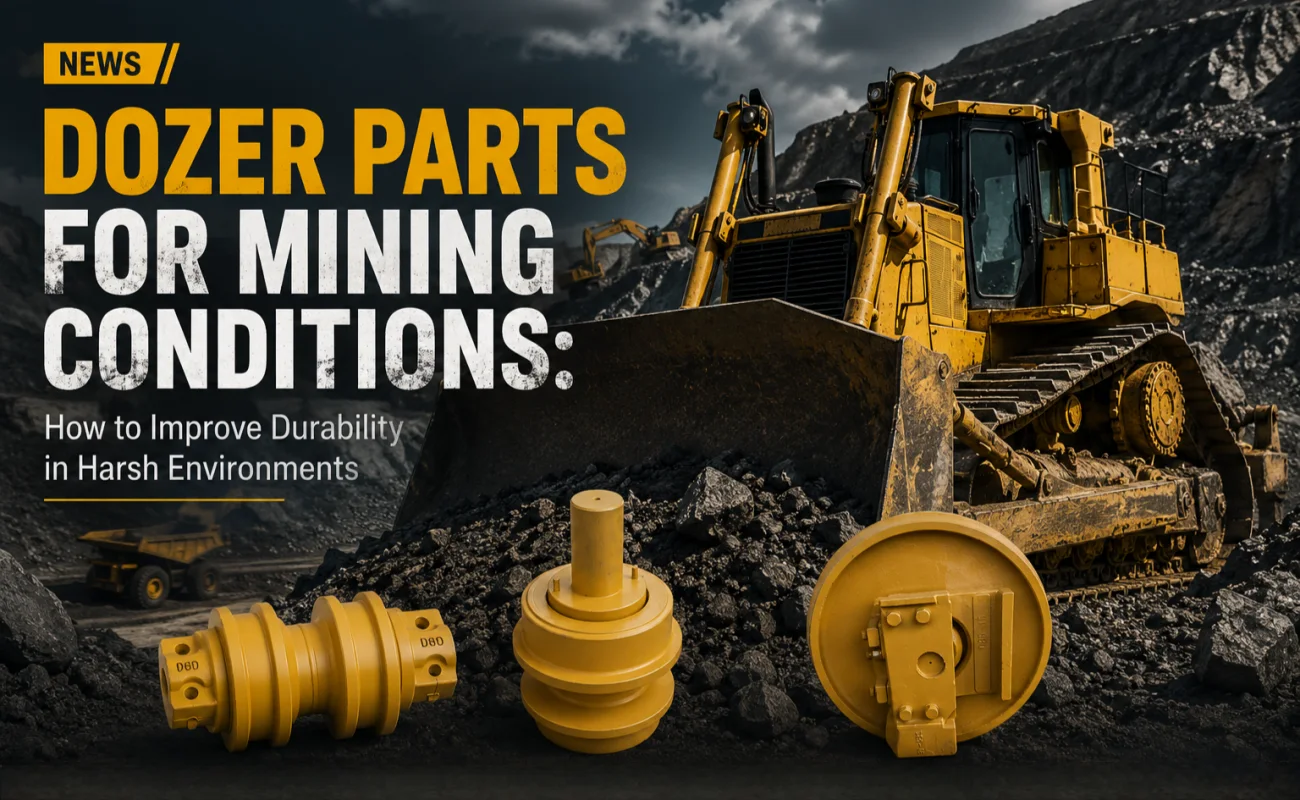
For mining and heavy-duty dozer applications, we often recommend group replacement or synchronized evaluation with the chain, rather than replacing individual damaged segments only.
Conclusion
Sprocket segments may appear to be small and simple parts within a bulldozer undercarriage, but their impact on track chain pitch and overall system health is far greater than many operators expect.
The correct replacement timing is not when segments are completely worn out, but when they begin to disrupt the matching relationship between the sprocket and the chain.
If your goal is to extend chain life and control total undercarriage maintenance costs, starting with sprocket segment inspection is often the most cost-effective step.