


Track Guard Design and Derailment Prevention Guide


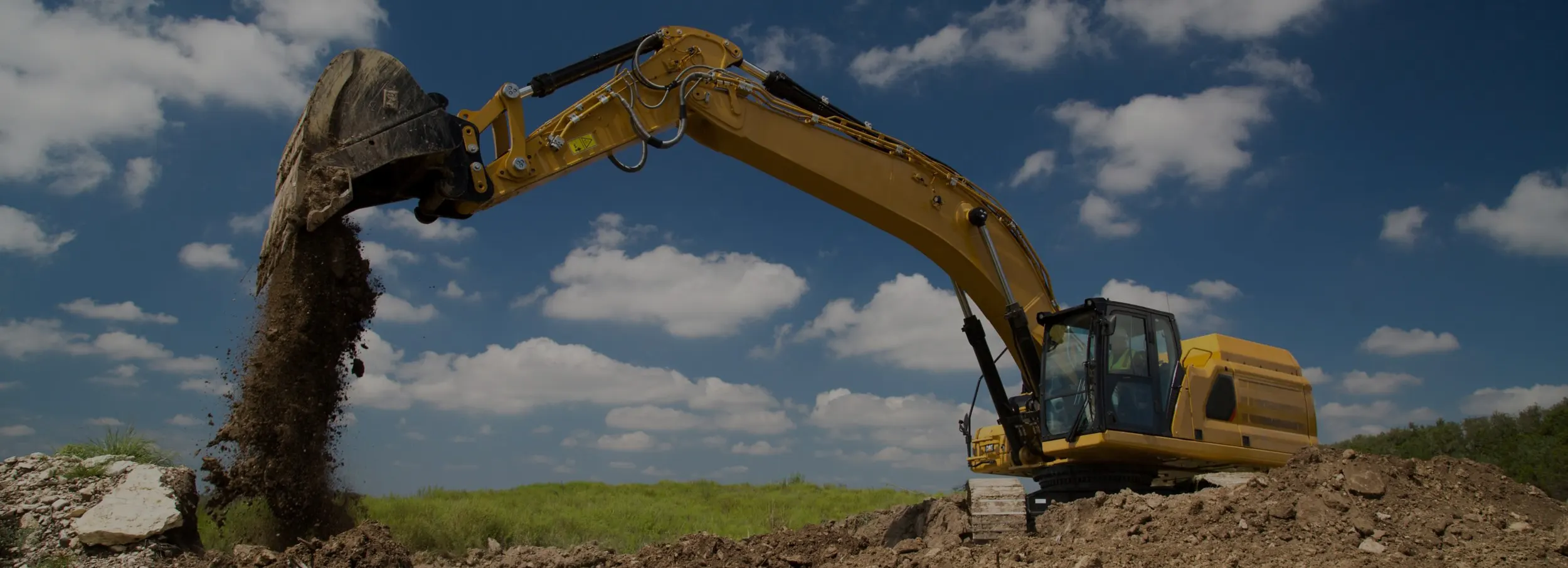
In crawler excavators and other heavy machinery, the track guard (also known as the track frame guard) is not usually the first component an operator notices.
However, when derailment or track misalignment occurs, the root cause often lies in insufficient track guard strength, excessive wear, or improper selection.
As construction environments expand from flat ground to rocky slopes, wetlands, backfill embankments, loose soil, and narrow trenches, the role of the track guard becomes increasingly critical.
It not only maintains chain travel direction but also directly affects the machine’s ability to resist derailment under lateral loads—making it a key safety barrier in daily operations.
Track Guard Is the Key Structure
During work, the undercarriage is exposed to stress from multiple directions.
The most dangerous forces are lateral impacts and asymmetric ground pressure, which often occur when:
- The excavator is partially suspended or digging sideways on a slope
- A bulldozer slides sideways on soft terrain
- Tracks collide with rocks, sleepers, or concrete edges
- Track tension is insufficient, causing chain drift
Under these conditions, the track naturally shifts outward.
If the track guard lacks strength, has poor geometry, or has excessive clearance, the chain can climb out of the sprocket and rollers—leading directly to derailment.
A single derailment not only interrupts work but may also damage chain links, rollers, and even cause machine tipping.
Therefore, track guard design and proper selection should never be overlooked.
Structural Strength of the Track Guard
The performance of a track guard depends on material selection and geometry design, which together determine its resistance to bending, impact, and wear under heavy loads.
Materials: Q355 / High-Strength Steel as Industry Standards
High-quality track guards typically use:
- Q355 structural steel – high yield strength, excellent toughness, ideal for medium and large excavators and dozers
- Higher-grade high-strength steels (600–800 MPa) – designed for mining and quarry environments with extreme impacts
Insufficient material strength can result in:
- Frame deformation
- Fatigue cracks along welds
- Collapsed guide surfaces
All of which significantly increase the risk of derailment.
Geometric Structure: The Core That Defines Guiding Performance
A well-designed track guard reflects engineering precision:
- Thickened guide plates to resist deformation during impact
- Optimized guiding angles to pull the chain back smoothly when misaligned
- Reinforced ribs for superior lateral rigidity
- Proper chain clearance—too tight increases wear; too wide increases derailment risk
A properly designed track guard acts like a “sidewall of a railway track,” providing the corrective force needed to pull a drifting chain back into the center path.
High-Risk Working Conditions
Track derailment is not accidental—it often occurs under specific conditions:
- Slope Excavation or Tilted Positioning
Lateral forces push the chain toward the downhill side, increasing derailment risk. - Rock Piles or Construction Debris
Sharp rocks enter between the chain and guard, lifting the chain upward. - Wetlands, Mud, Frozen Ground
The track sinks and twists, causing chain misalignment. - Insufficient Track Tension
Loose chains bounce and easily shift outward.
In all these environments, a weak or worn track guard dramatically increases the chance of derailment.
Matching the Track Guard, Chain, and Track Shoes
The track guard does not work alone—it must form a coordinated system with the chain and track shoes.
Track Guard + Chain: Guiding and Rigidity Determine Drift Behavior
Key factors:
- Chain side plate height
- Chain width after wear
- Wear on the inner surfaces of the track guard
Mismatch increases chain drift likelihood.
Track Guard + Track Shoes: Width Affects Lateral Forces
Wide track shoes: better in mud, but generate larger lateral forces → requires stronger guards
Narrow track shoes: more stable on rocky slopes but still dependent on guard design
Heavy-Duty Applications Require Reinforced Track Guards
Mining and intense construction work generally require:
- Double-layer guide plates
- Thicker steel sections
- Enlarged reinforcement ribs
- Impact-resistant welded structures
These features significantly reduce derailment risk.
Professional Selection: The Key to Safety and Longer Service Life
Correct track guard selection should follow these principles:
1. Based on Jobsite Conditions
- Flat or light-duty work: standard guard is sufficient
- Rocky slopes, embankments: reinforced guards recommended
- Mining and quarrying: high-strength steel with heavy-duty design is required
2. Match Machine Tonnage and Chain Specifications
Height, width, and guiding angles must align with chain side plates.
3. Choose Manufacturers with Reliable Materials and Welding Quality
Welding determines long-term durability.
4. Regular Inspection
Focus on:
- Guide surface wear
- Weld cracks
- Indent marks at contact points
Early detection prevents derailment failures.
Conclusion
Although derailments may appear to be caused by chains, sprockets, or rollers, the true underlying cause often lies in a track guard that fails to provide proper guiding under heavy load.
A reinforced, well-designed, and properly matched track guard significantly reduces derailment risk, enhances machine stability, and prevents costly downtime.
In increasingly complex operational environments, selecting the right track guard is not just part of maintenance—it is a strategic investment in safety, reliability, and operational efficiency.