How Worn Sprocket Segments Accelerate Track Chain Failure on Cat D8T Dozers
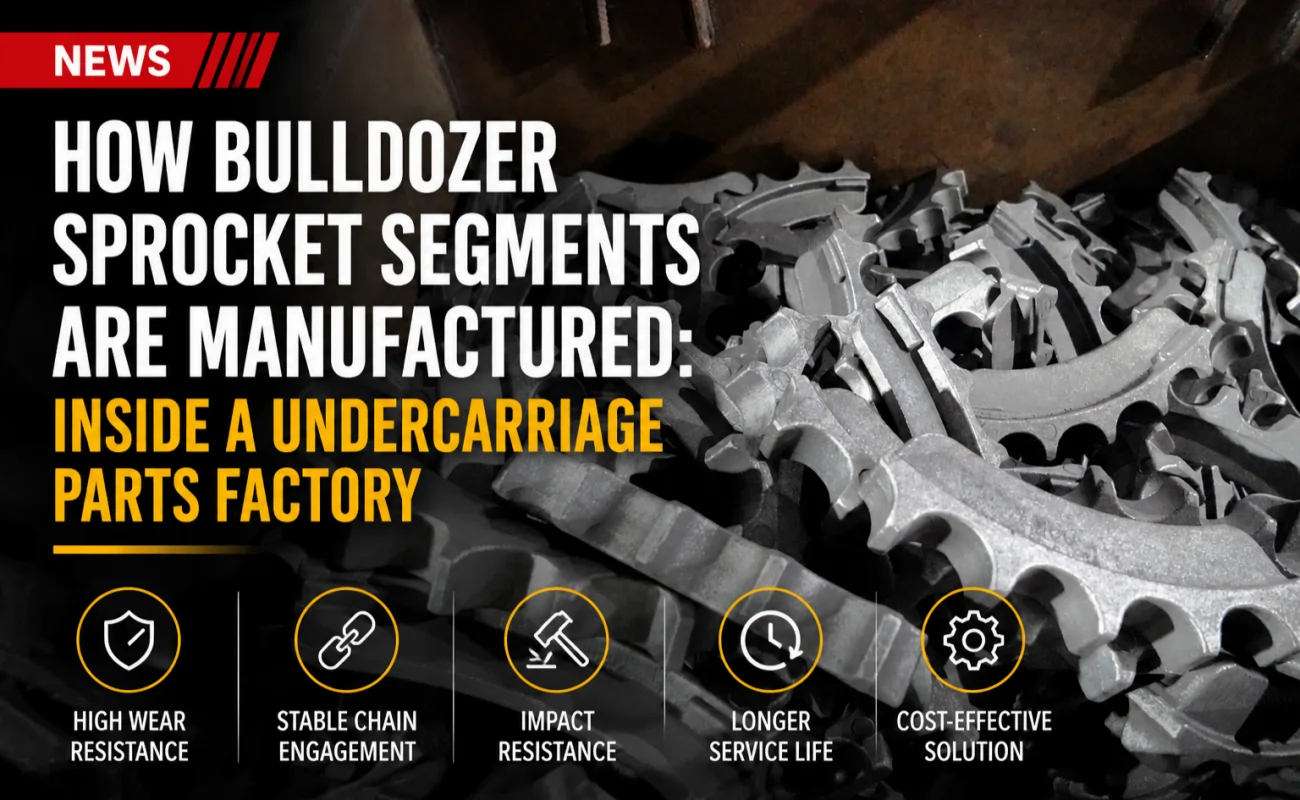
In heavy-duty bulldozer applications, the Cat D8T is known for its elevated sprocket (high-drive) undercarriage, a design widely respected for durability and off-road capability. However, within this robust system lies a small but critically important component that is often underestimated: the sprocket segment.
Once segment wear passes a certain threshold, the entire track chain’s service life can be shortened dramatically — sometimes by multiples rather than percentages
High-Drive Design Concentrates Load on the Sprocket
The high-drive layout lifts the sprocket above mud and rocks, keeping it cleaner. But this geometry also creates a steeper wrap angle as the track enters and leaves the sprocket.
That means each link engages the sprocket teeth under higher instantaneous impact than in a low-drive system. The result: sprocket segments on a Cat D8T carry much higher contact stress and shock loading than many operators expect
Impact Is Focused on the Segments — Not the Track Shoes
As the loaded track is pulled upward into the elevated sprocket, engagement is not a smooth rolling action. It contains a strong impact and sliding component.
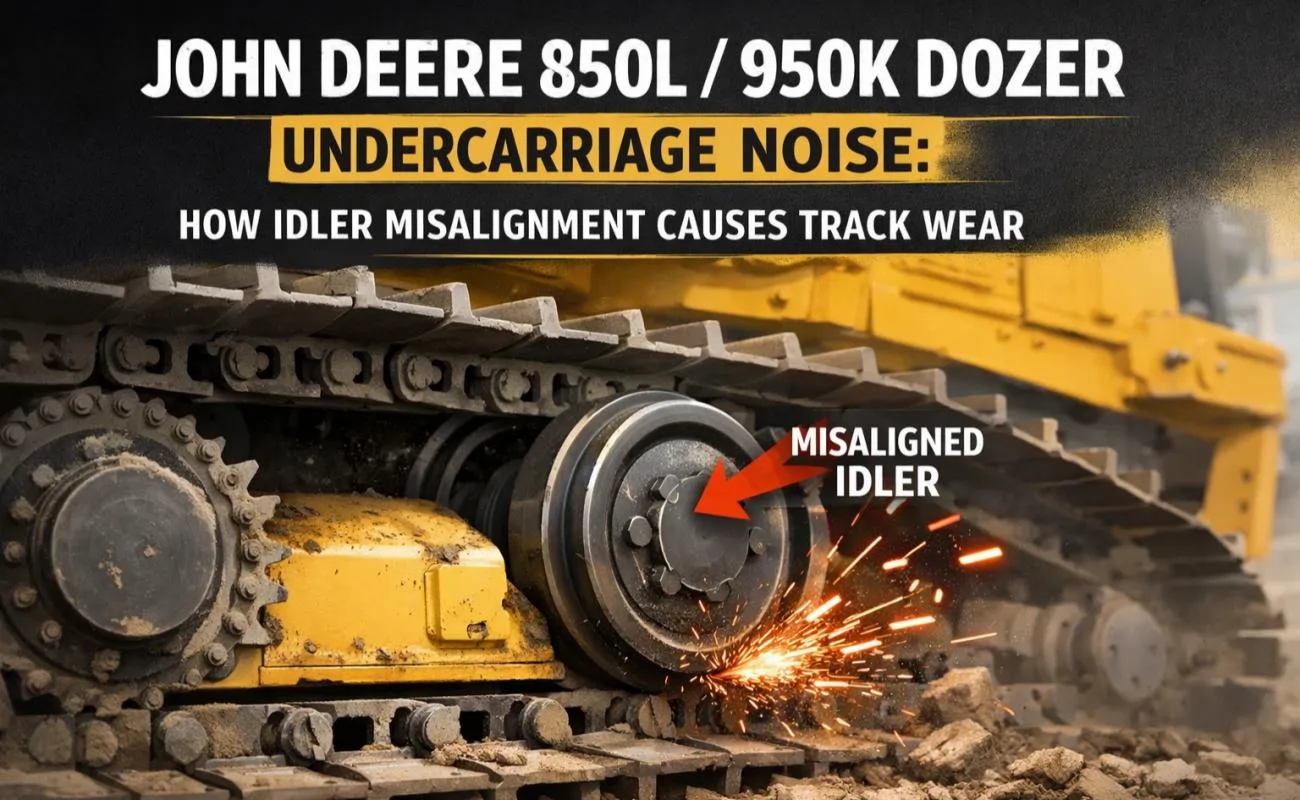
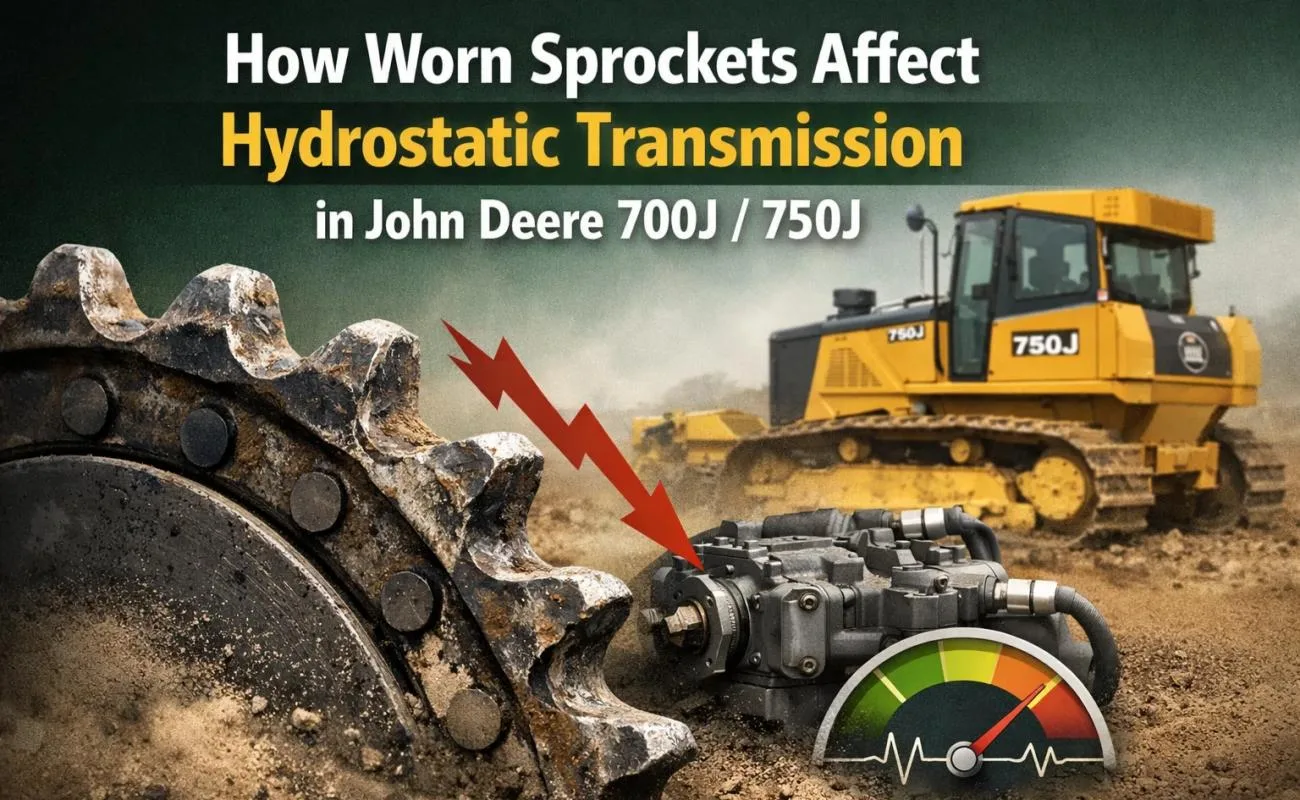
When the tooth profile starts to round off or develop step-like wear, links can no longer seat correctly into the tooth valleys. Each engagement then produces extra shock, which is transmitted directly into:
- Track pins
- Bushings
- Link pitch
This accelerates fatigue and pitch elongation across the entire chain
Why Worn Segments “Force” the Chain to Fail Early
On many job sites, crews continue to run chains “until they break.” But in a high-drive system, segment geometry is often lost long before the chain itself looks worn.
Once tooth shape deviates from design, the chain is no longer rolling smoothly. It is being forced to work on the wrong contact points, causing rapid pin and bushing wear. Pitch increases quickly, leading to:
- Tooth climbing
- Skipping
- Sudden chain failure
When a chain breaks on site, downtime and recovery costs are far higher than a scheduled segment replacement
Why Segments Must Be Replaced Early
Compared to a full track chain, sprocket segments are relatively inexpensive — yet they serve as the first shock-absorbing layer in the drive system.
When tooth geometry is correct, links enter smoothly and impact becomes rolling contact. Once segments wear beyond limits, this buffering effect disappears and all shock loads go straight into the chain components
Early replacement is therefore not a cost — it is insurance for the entire undercarriage.
KINTON PARTS’ Preventive Approach
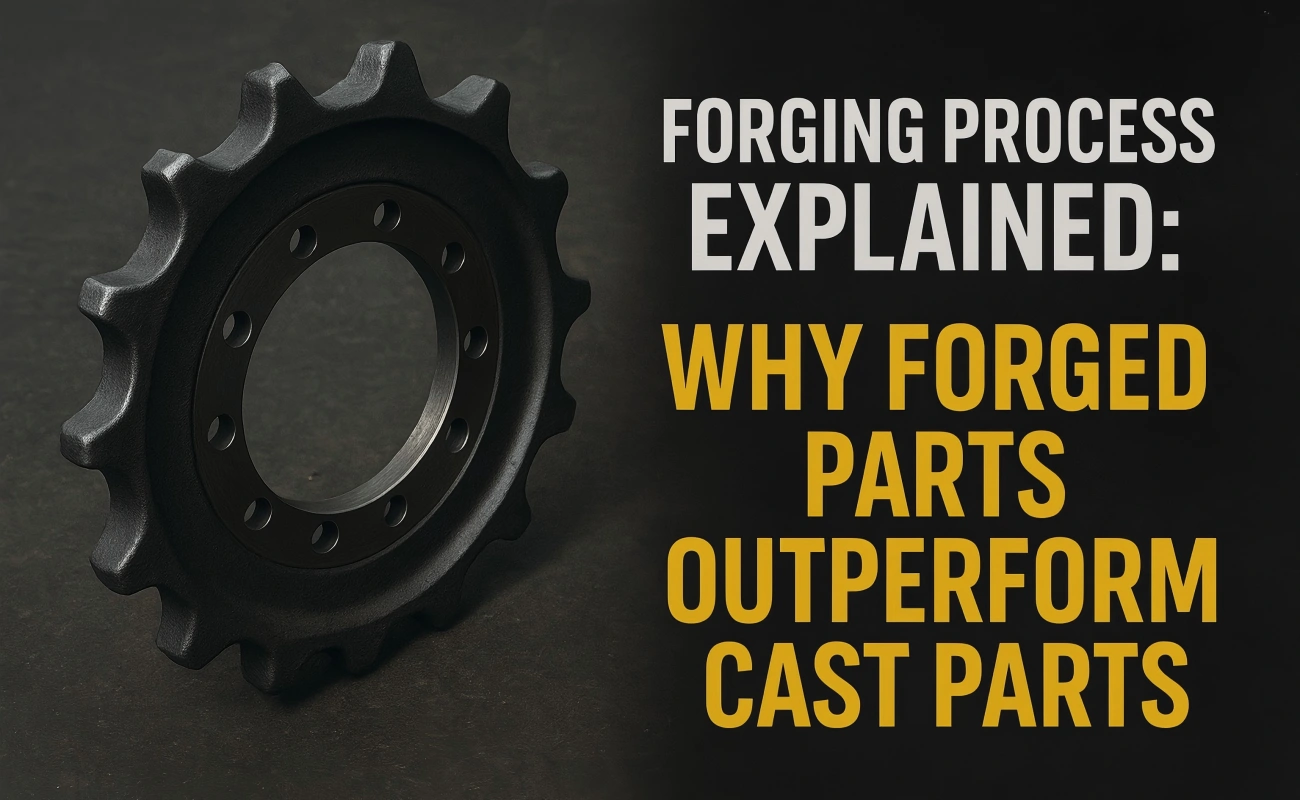
KINTON PARTS designs Cat D8T sprocket segments with a balance of:
- Tooth profile accuracy
- Heat-treatment depth
- Material toughness
This ensures the segments maintain stable geometry even under high torque and repeated impact typical of high-drive machines. Replacing segments before they enter the danger zone protects your investment in chains, pins, and bushings and prevents catastrophic undercarriage failure
Keeping Risk Off the Job Site
In high-drive systems, sprocket segments are not just consumables — they determine whether a track chain can complete its full life cycle. For a powerhouse like the Cat D8T, preventive segment replacement is a risk-control strategy, not just routine maintenance.
Solving the problem before expensive downtime occurs is the hallmark of a professional operation