Maintenance Tips

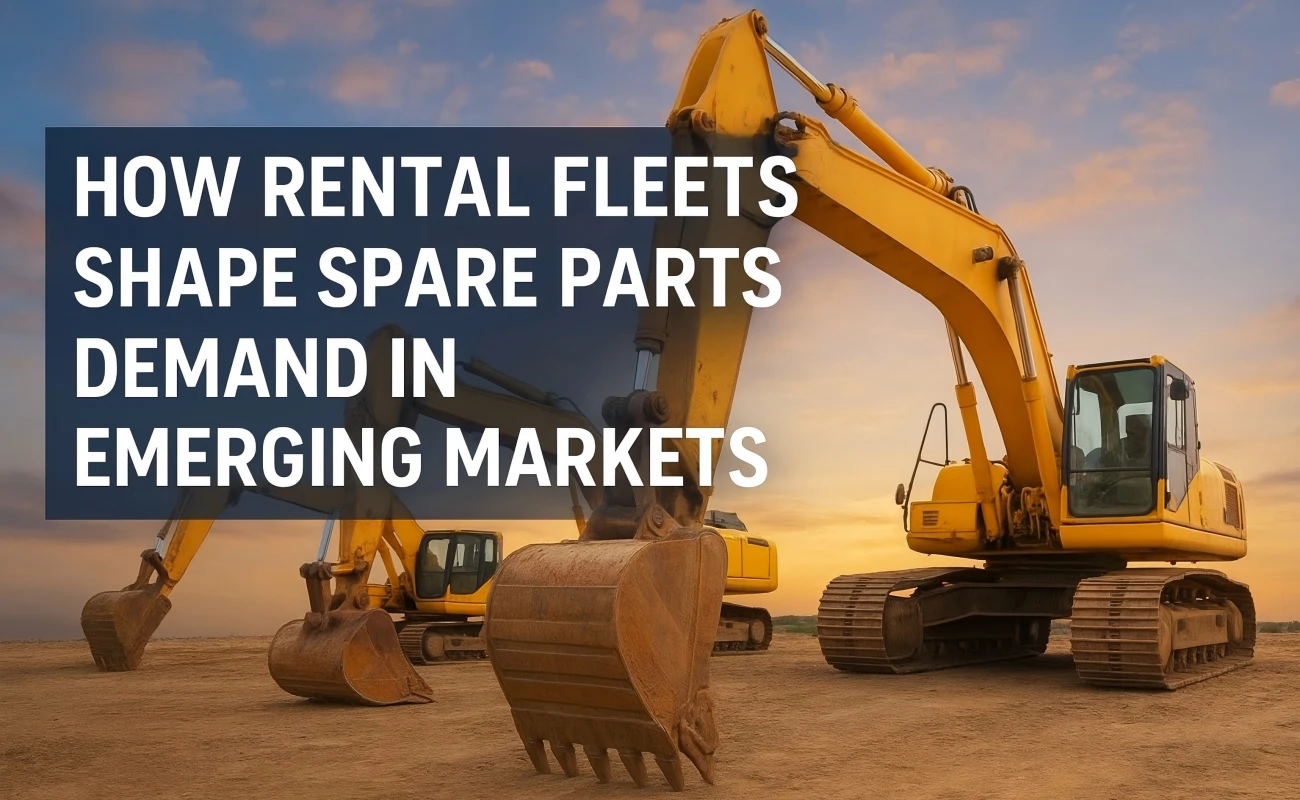
How Rental Fleets Shape Spare Parts Demand in Emerging Markets

spare parts demand of rental fleets

In many emerging markets, the construction sector is evolving rapidly. Major infrastructure projects—from new highways in Southeast Asia, to mining expansions in Africa, to residential growth in Latin America—are fueling a surge in demand for heavy equipment. But instead of outright purchases, many contractors are turning to rental fleets to access excavators, bulldozers, and loaders.

This shift has direct consequences for the spare parts industry. Rental fleets, by their very nature, create a faster turnover of high-wear components. For parts distributors and dealers, understanding these dynamics is not just useful—it’s essential for staying competitive.

Why Rental Fleets Create a Unique Parts Market

Rental fleets are fundamentally different from individually owned machines. Several factors explain why they shape aftermarket demand in unique ways:

  • Intense Utilization
    Equipment in rental fleets often runs longer hours than privately owned machines. Projects may run on tight schedules, and rental firms maximize machine usage to ensure return on investment.
  • Varied Operating Conditions
    The same excavator may work in soft soil on one project, then face abrasive rock or demolition tasks on another. This inconsistency leads to uneven and accelerated wear.
  • Multiple Operators
    Machines pass through the hands of operators with differing levels of skill. Some may handle equipment carefully, while others are harder on the undercarriage or hydraulic systems. This variability directly influences replacement intervals.
  • Proactive Maintenance Culture
    Rental companies cannot afford breakdowns in the field. A machine out of service means lost revenue and dissatisfied clients. As a result, they replace parts earlier and more frequently than individual owners.

Together, these factors create a cycle of higher and more predictable spare parts demand.
High-Frequency Replacement Parts in Focus

Within rental fleets, certain categories of parts stand out for their accelerated wear and importance:

1. Undercarriage Components

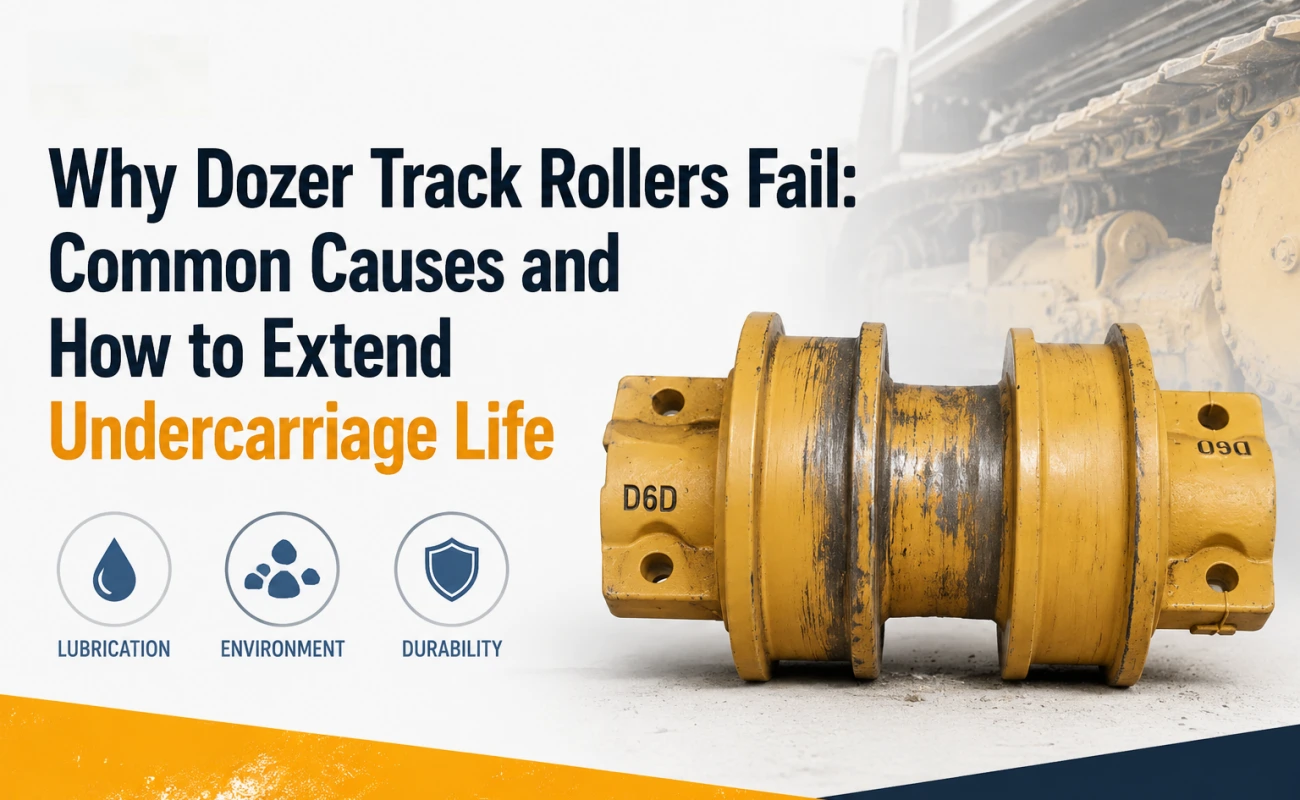
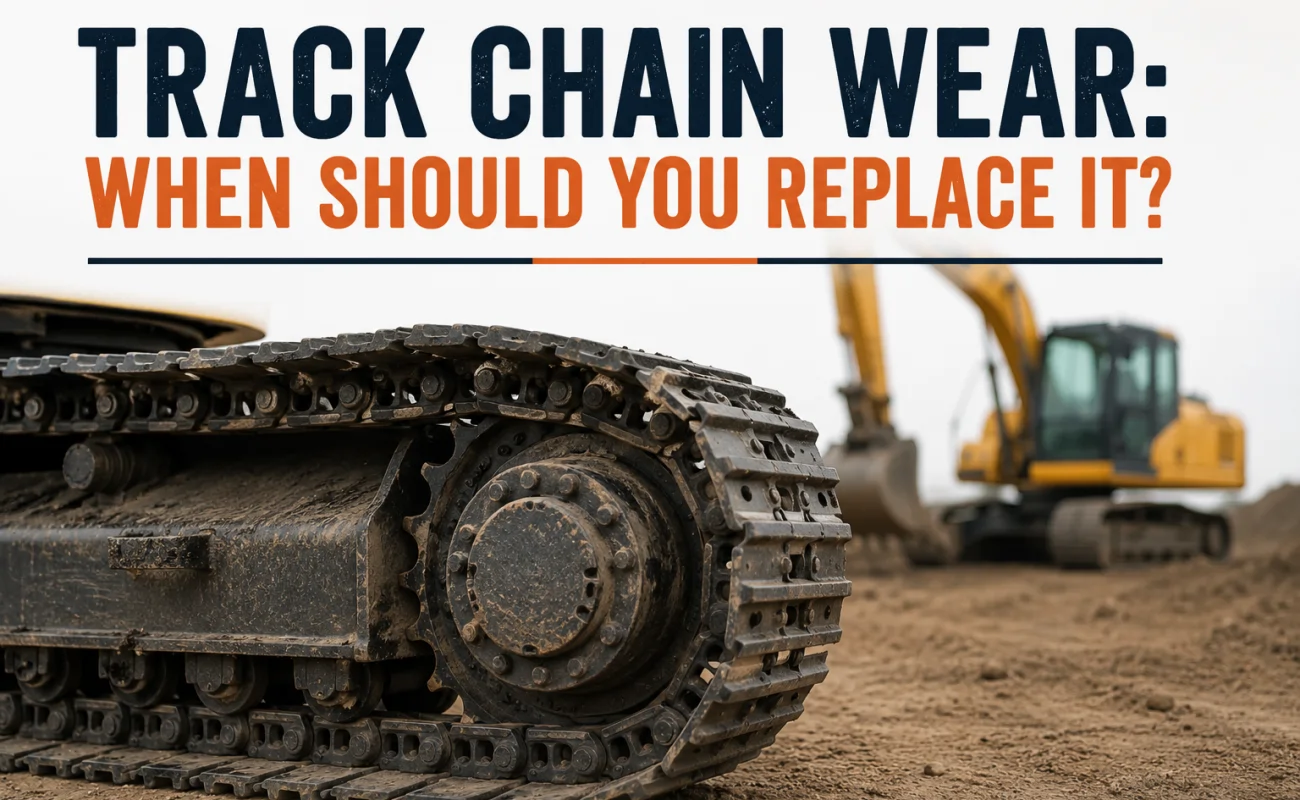
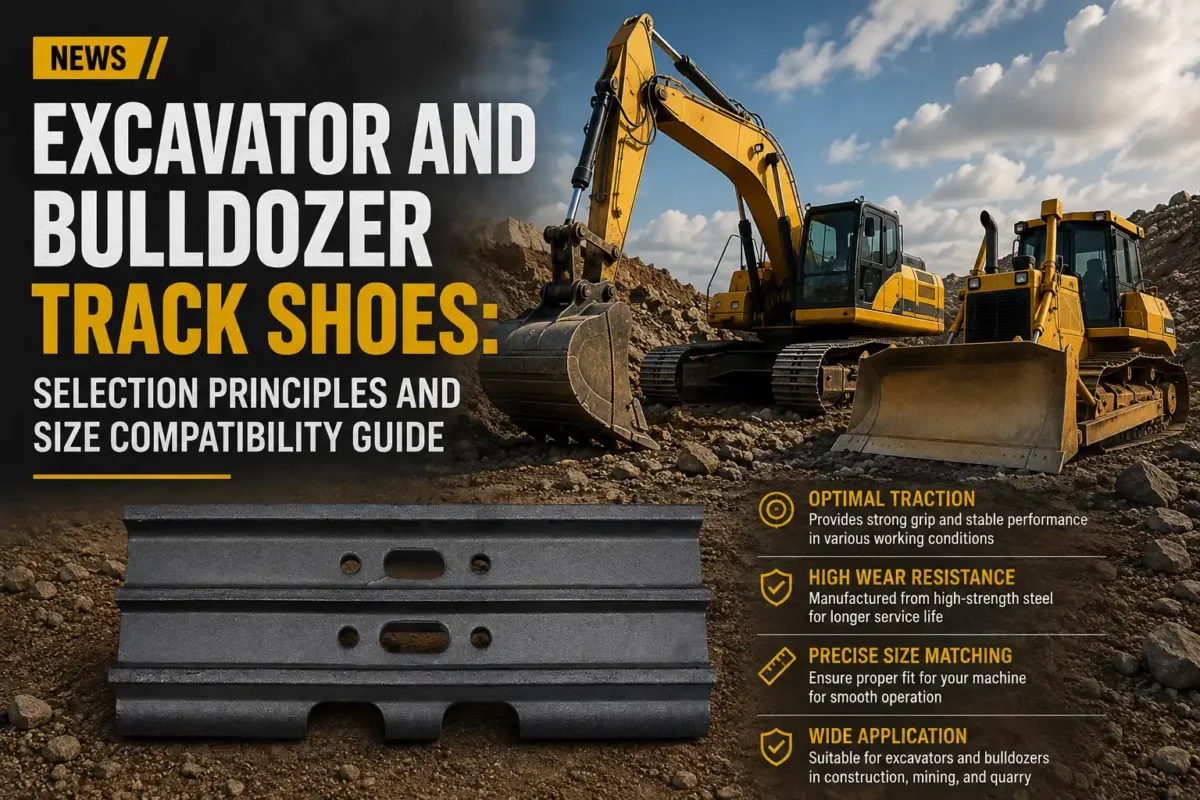
Track chains, rollers, idlers, and sprockets form the backbone of excavator and bulldozer performance. In regions like Southeast Asia with muddy terrain, chains stretch faster. In rocky African mines, rollers and sprockets chip or break under impact. Dealers who maintain a ready supply of undercarriage parts can build long-term partnerships with rental firms.

2. Ground Engaging Tools (GET)

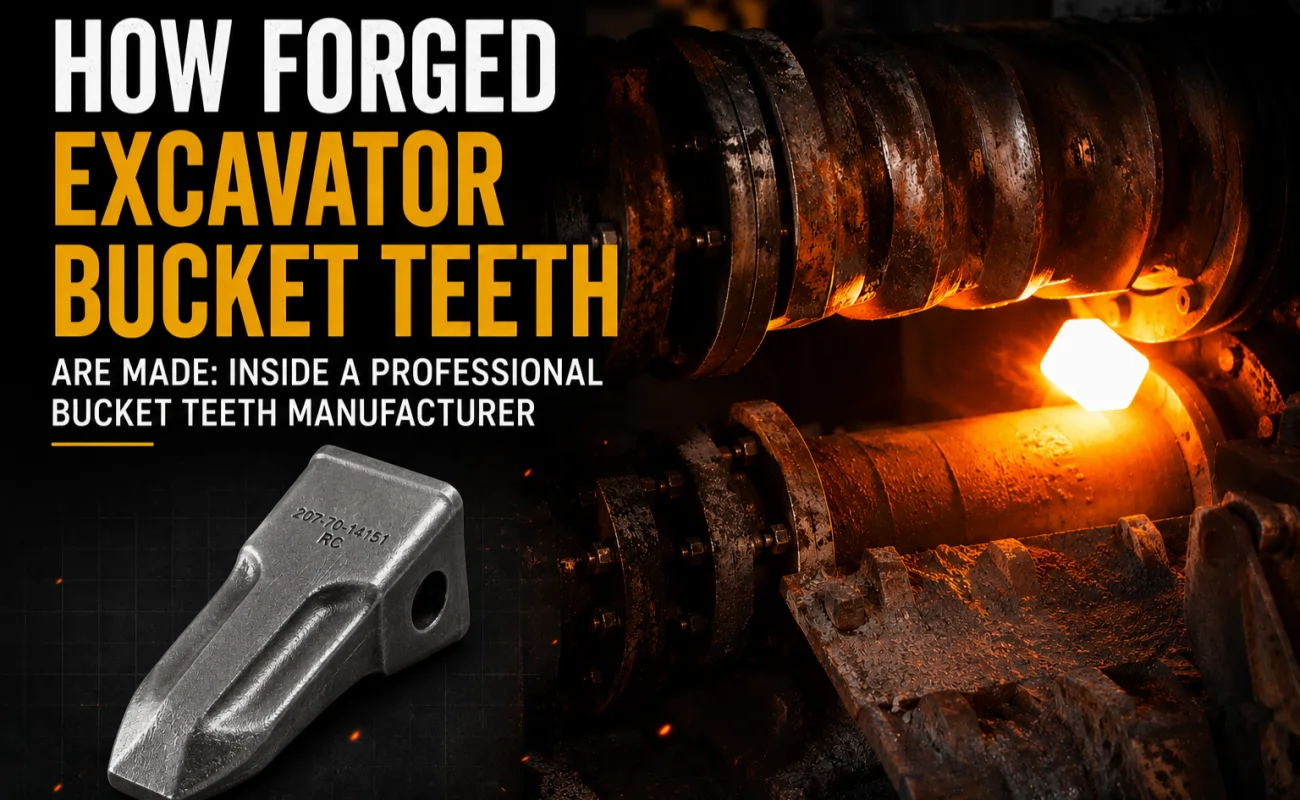
Bucket teeth, adapters, and cutting edges see some of the harshest wear. A rental excavator may be used for trenching one week and heavy rock work the next, dulling or breaking teeth far quicker than expected. Stocking multiple profiles and sizes of teeth—standard, rock, and chisel types—ensures rental operators can always match their equipment to the task.

3. Hydraulic Seals and Seal Kits

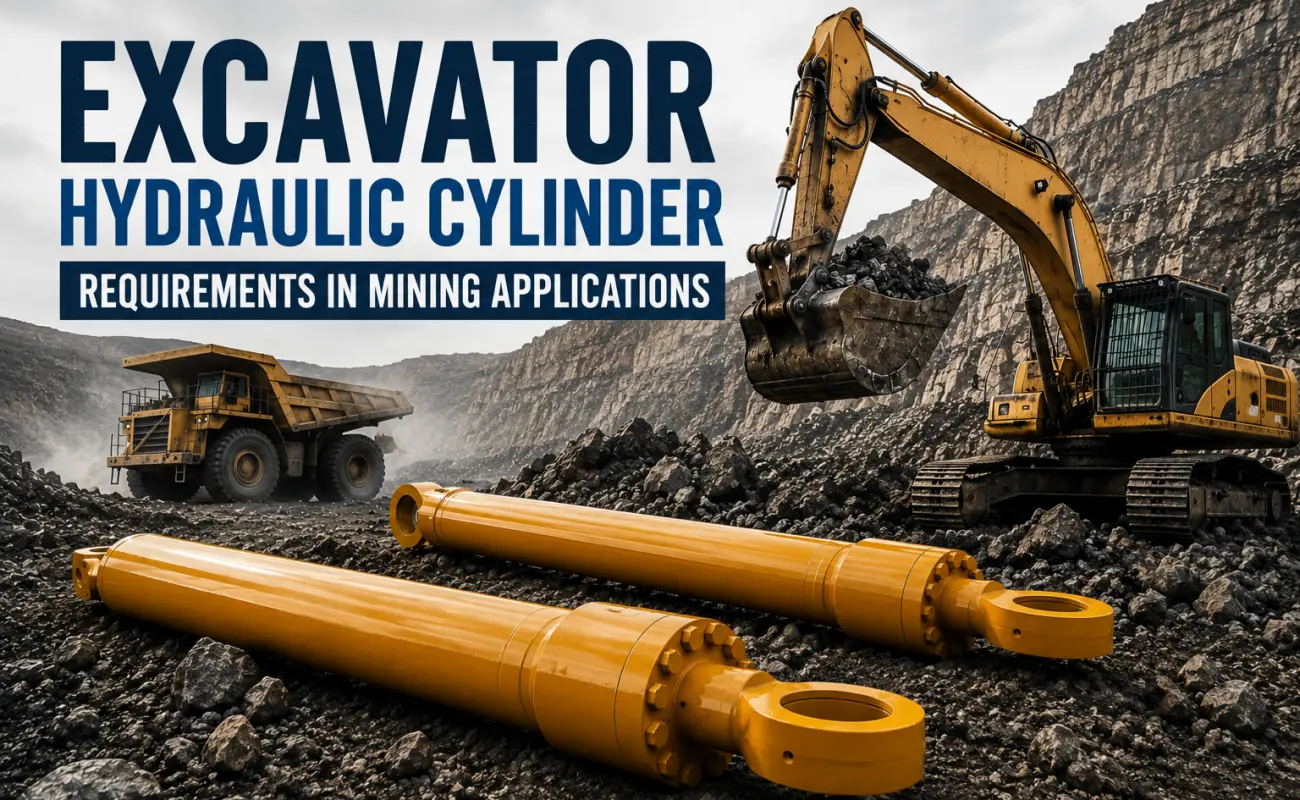
Seals in boom, arm, and bucket cylinders are under constant stress from heat, pressure, and dust. In the Middle East, for instance, high ambient temperatures shorten seal life. Rental companies often keep full seal kits on hand for quick rebuilds. For distributors, offering brand-specific kits—Caterpillar, Komatsu, Hitachi—provides an edge over generic products.

4. Fasteners and Structural Parts

Track shoe bolts, nuts, and bucket pins may seem minor, but their failure can cause unexpected downtime. Because rental companies value uptime above all else, stocking these small yet critical items becomes a sales opportunity for distributors.

Case Example: Rental Fleets in Africa

In West Africa, mining and quarrying projects rely heavily on rental fleets. Bulldozers and excavators are used almost non-stop, often with multiple shifts running 18–20 hours a day. Undercarriage parts last only a fraction of their rated life due to abrasive ground. Dealers who anticipate these replacement cycles and position stock accordingly can capture repeat business.
Similarly, in Southeast Asia’s construction boom, rental companies standardize fleets around popular models like Komatsu PC200 or Caterpillar 320. This simplifies parts stocking, but it also means that competition for supplying compatible spares is intense. Distributors who guarantee fast delivery and OEM-equivalent quality are the ones who win contracts.

Opportunities for Dealers and Distributors

The rental trend reshapes how distributors should approach their business strategy in emerging markets:

  • Inventory Bundles for Rental Needs
    Dealers can create kits that include common undercarriage parts, seal kits, and bucket teeth tailored for specific fleet models. These bundles simplify procurement for rental managers.
  • Predictive Maintenance Partnerships
    By analyzing wear data from rental fleets, distributors can offer proactive replacement schedules. This not only reduces downtime but also builds trust with rental clients.
  • Flexible Credit and Supply Terms
    Rental companies often have fluctuating cash flows. Dealers who can adapt with flexible ordering and payment solutions strengthen customer loyalty.
  • Local Warehousing
    In fast-growing regions, local storage hubs for high-frequency parts reduce delivery times significantly. This is often the deciding factor for rental companies choosing one supplier over another.

Looking Ahead

The growth of rental fleets is not a short-term trend—it reflects a structural change in how emerging markets access heavy equipment. For distributors, the message is clear: rental companies are not just clients, they are steady repeat buyers.

By focusing on the parts that wear fastest—track chains, rollers, bucket teeth, hydraulic seals—and aligning supply strategies with the realities of rental operations, dealers can capture consistent revenue streams.

Emerging markets are highly competitive, but they also present significant opportunities for those who can deliver reliability, availability, and technical support. As rental fleets continue to expand, the aftermarket parts business stands to benefit from a wave of predictable and sustained demand.