


Track Shoe Bolt Failures: Causes, Prevention, and Stocking Opportunities


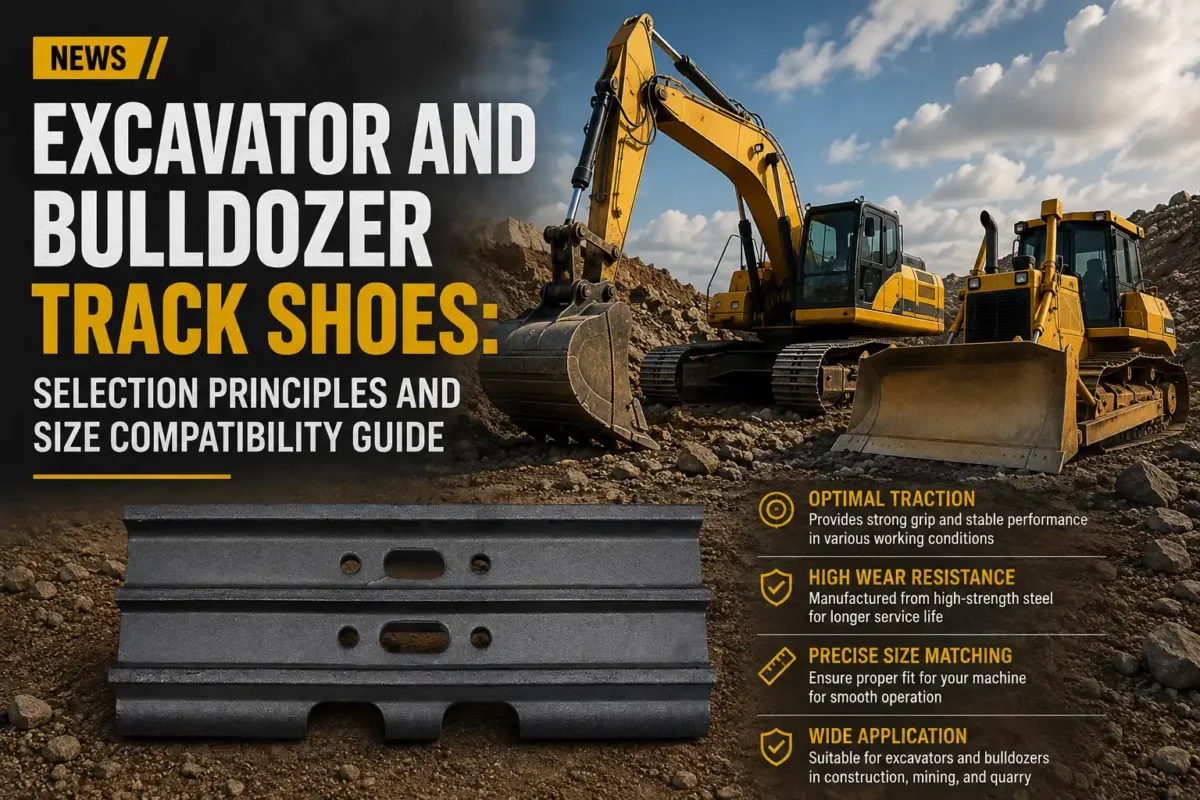
Track shoes are fundamental to the stability and mobility of crawler excavators and bulldozers. Yet, one of the most frequent undercarriage issues operators face is the failure of track shoe bolts. Whether through loosening, breakage, or wear-related fatigue, these seemingly small components can lead to downtime, safety risks, and costly repairs if neglected. For parts distributors and dealers, understanding the patterns behind bolt failures not only improves customer support but also opens doors to recurring stocking opportunities.
Common Causes of Track Shoe Bolt Failures
Track shoe bolts operate under extreme conditions, and several factors contribute to their premature failure:
- Improper Torque Application
Bolts that are not tightened to the manufacturer’s specified torque can either work loose or experience excessive stress. Under-torqued bolts allow micro-movements that wear threads and stretch bolt holes. Over-torqued bolts risk overstressing the material and snapping under load. - High Vibration and Shock Loads
Construction equipment often works in rocky or uneven terrain where vibrations and sudden impacts are unavoidable. Over time, these forces can fatigue the bolts, loosening them or leading to cracks at the shank. - Corrosion and Wear
Moisture, mud, and chemicals accelerate corrosion. Corroded bolts lose strength and are more likely to shear under load. Likewise, repetitive wear from abrasive soils can thin bolt heads and washers. - Poor Surface Contact
If track shoes or link surfaces are worn, bent, or improperly machined, the bolt may not seat evenly. Uneven contact increases stress concentrations, making failures more likely. - Reused or Inferior Bolts
Operators sometimes reuse bolts to save on costs. However, reused bolts often carry hidden fatigue or stretching, reducing their clamping ability. Similarly, bolts made from substandard material fail sooner than OEM-quality replacements.

Prevention and Best Practices
Reducing track shoe bolt failures requires a mix of proper installation, routine maintenance, and high-quality parts:
- Correct Torque and Retightening
Using calibrated torque wrenches is critical. After initial installation, bolts should be rechecked after the first 50–100 hours of operation since they tend to settle. Regular retightening ensures clamping force remains consistent. - Surface Cleaning Before Installation
Bolts and seating surfaces should be free of rust, paint, and dirt. A clean surface ensures maximum friction and reduces the chance of loosening. - Use of Thread Locking Compounds
Applying anti-vibration compounds or locking washers can significantly reduce loosening under dynamic loads. - Scheduled Inspections
Operators should inspect track bolts as part of routine undercarriage checks. Any bolt with corrosion, damaged threads, or elongation should be replaced immediately. - Stocking OEM-Grade Replacements
Dealers should emphasize the importance of using bolts manufactured from high-strength alloy steel and heat-treated for durability. These parts may cost more upfront but drastically reduce the risk of downtime.
Opportunities for Dealers and Distributors
For equipment dealers and undercarriage parts distributors, track shoe bolts present a steady sales opportunity because of their frequent replacement cycle. Here’s how to position them effectively:
- Bundle with Track Shoes and Links
When customers purchase track shoes or chains, offering bolt kits as an add-on reduces the chance of installation with reused or mismatched fasteners. - Promote Preventive Stocking
Contractors often underestimate how quickly bolts wear or loosen. Dealers can recommend stocking kits on-site, ensuring operators can replace bolts immediately instead of halting operations. - Highlight Safety and Downtime Costs
Bolt failures can cause track shoes to detach, leading to equipment immobilization and potential accidents. Framing bolt replacement as a safety measure increases the perceived value of high-quality fasteners. - Segment by Terrain and Application
Machines working in mining, forestry, or quarrying environments experience higher stress on bolts. Dealers can tailor stocking recommendations by industry segment, suggesting more frequent inspections and larger bolt reserves for such customers. - Educate Customers with Simple Guides
Providing customers with quick installation and inspection tips not only builds trust but also positions the dealer as a technical partner, not just a supplier.
Conclusion
Track shoe bolts may be small components, but their failure carries outsized consequences for heavy equipment productivity and safety. Understanding the causes—improper torque, vibration, corrosion, and material fatigue—helps both operators and dealers take proactive measures. For distributors, promoting OEM-quality bolt kits, bundling with related parts, and encouraging preventive stocking can turn a common pain point into a reliable sales channel. By staying ahead of these needs, dealers can strengthen customer relationships while securing recurring business.